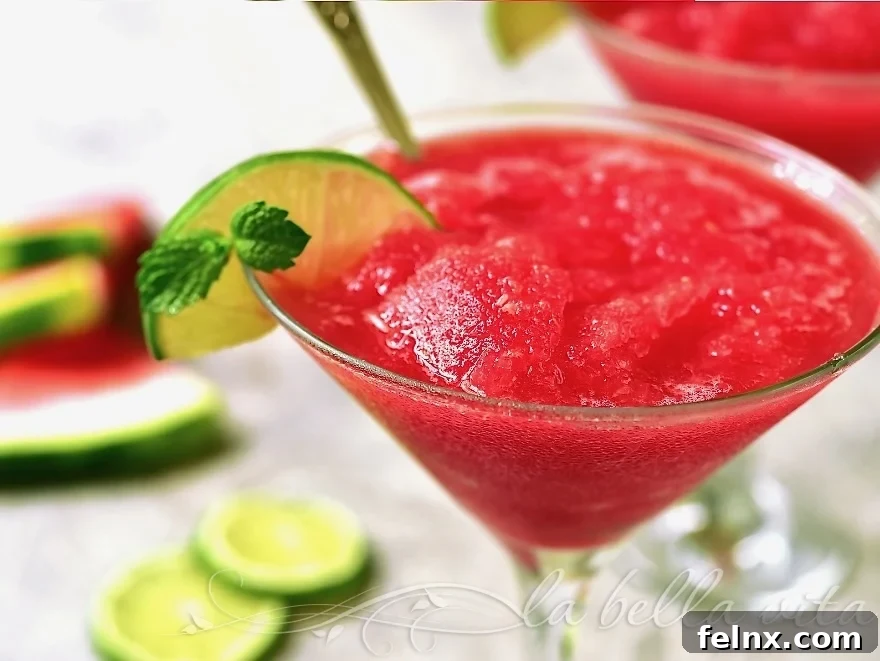
Homemade Watermelon Granita: The Ultimate Authentic Italian Summer Refreshment
As the summer sun reaches its peak and temperatures soar, the search for the perfect way to cool down begins. While many reach for store-bought ice cream or sugary sodas, there is a traditional Italian masterpiece that offers a more natural, hydrating, and incredibly refreshing alternative: the Granita. If you have ever wondered how to bring a taste of the Amalfi Coast or the streets of Sicily into your own kitchen, look no further. This guide will teach you everything you need to know about making the perfect Watermelon Granita, a treat that is as beautiful to look at as it is delicious to eat.
Granita is a staple of Italian summer culture. It is more than just a dessert; it is a ritual. In Italy, particularly in the warmer southern regions, granita is often enjoyed for breakfast alongside a warm brioche bun. While lemon is the most classic flavor, Watermelon Granita holds a special place in the hearts of those seeking a vibrant, naturally sweet, and deeply hydrating treat. Let’s dive into the world of Italian ices and discover how you can create this icy magic with just a few simple ingredients and a standard kitchen fork.
What Exactly is Italian Granita?
Granita is a semi-frozen dessert made from a simple mixture of sugar, water, and various flavorings—most commonly fruit purees, juices, coffee, or nut milks. To the uninitiated, it might look like a snow cone or a sorbet, but the texture and preparation method are what set it apart as a unique culinary delight.
Unlike sorbet, which is churned in a machine to incorporate air and create a smooth, creamy consistency, granita is made by hand. The process involves freezing the liquid in a shallow pan and periodically scraping it with a fork. This manual technique results in a coarse, crystalline, and flaky texture that is often described as “eating flavored snow.” Because it contains no dairy or egg products, it is naturally vegan and much lower in fat than traditional gelato or ice cream, making it the perfect guilt-free snack for a hot afternoon.
Granita vs. Italian Ice vs. Shaved Ice
It is easy to get confused by the many names for frozen treats. Here is a quick breakdown of how granita differs from its cousins:
- Italian Ice (American Style): This is typically smoother than granita. It is often processed in a way that makes it more uniform and dense, similar to a firm sorbet.
- Snow Cones: These consist of plain crushed ice with flavored syrup poured over the top. In a granita, the flavor is integrated into the liquid before it is frozen, ensuring every crystal is infused with taste.
- Hawaiian Shaved Ice: Known for its extremely fine, fluffy texture, shaved ice relies on specialized machines to shave a block of ice into a delicate “snow” before adding syrups.
- Sorbet: While also dairy-free, sorbet is smooth and scoopable. Granita is intended to be crunchy and crystalline.
The Cultural Heart of Granita: From Sicily to Amalfi
While you can find granita throughout Italy today, its roots are firmly planted in Sicily. Historically, the “nevaroli” would collect snow from Mount Etna during the winter and store it in stone basements. In the summer, this ice was used to create refreshing treats flavored with local lemons, almonds, and flowers. Today, every region has its own preference for texture. In Palermo, you might find a coarser, crunchier granita, whereas in other parts of the country, it may be served slightly smoother.
If you ever find yourself traveling along the steep, winding cliffs of the Amalfi Coast, you will likely see local vendors parked at scenic lookouts selling lemon and watermelon granitas. These treats are made using the freshest local produce, and the experience of eating an icy granita while looking out over the Mediterranean Sea is one of life’s greatest simple pleasures. By making this recipe at home, you are capturing a small piece of that Italian “Bella Vita” (beautiful life).
Why Watermelon is the Perfect Choice
Watermelon is the quintessential fruit of summer. It is composed of over 90% water, making it incredibly hydrating. When pureed and frozen, watermelon retains its vibrant rose-pink color and natural sweetness. Unlike some fruits that require a lot of added sugar to taste good when frozen, a ripe watermelon is often sweet enough on its own. Adding a splash of lime juice helps to balance the sweetness with a touch of acidity, highlighting the fruit’s natural profile.
Moreover, watermelon granita is visually stunning. Whether served in a simple glass or a decorative bowl, the bright red flakes look sophisticated and appetizing. It is an excellent choice for summer dinner parties, as it cleanses the palate and provides a light ending to a meal.
Essential Ingredients for Watermelon Granita
The beauty of this recipe lies in its simplicity. You do not need expensive equipment or hard-to-find ingredients. Here is what you will need:
- Fresh Watermelon: Start with a seedless watermelon if possible. You will need about 4 to 6 cups of cubed fruit. The riper and sweeter the melon, the better your granita will taste.
- Granulated Sugar: You will generally need about 1/4 to 1/2 cup of sugar. However, this is adjustable. Taste your watermelon puree first—if the fruit is exceptionally sweet, you can reduce the sugar.
- Lime Juice: The juice of half a lime adds a necessary “zing” that makes the watermelon flavor pop.
- A Pinch of Salt: A tiny bit of salt actually enhances the sweetness of the fruit.
- Fresh Mint (Optional): For garnish, fresh mint adds a cooling aroma that complements watermelon perfectly.
Step-by-Step Instructions: How to Make Authentic Granita
Follow these steps to ensure your granita has the perfect crystalline texture:
1. Prepare and Puree
Remove the rind and any seeds from your watermelon. Cut the flesh into cubes until you have roughly 4-6 cups. Place the cubes into a blender or food processor. Add your sugar and lime juice. Blend the mixture until it is completely smooth. If you prefer a very refined texture, you can pour the liquid through a fine-mesh strainer to remove any pulp, though many enjoy the body that the pulp provides.
2. The First Freeze
Pour the watermelon mixture into a shallow metal or glass baking pan (a 9×13 inch pan works well). The goal is to have the liquid at a shallow depth so it freezes quickly and evenly. Place the pan on a level shelf in your freezer. Let it sit undisturbed for about 45 minutes to an hour, or until you see ice crystals forming around the edges and on the surface.
3. The Scrape Method
This is the most important part of making granita. Remove the pan from the freezer. Using a standard dinner fork, scrape the frozen parts toward the center, breaking up any large chunks. You want to turn the solidifying liquid into small, icy flakes. Once you have thoroughly scraped the entire pan, level the mixture out again and return it to the freezer.
4. Repeat the Process
Repeat the scraping process every 30 to 45 minutes for the next 3 hours. Each time you scrape, you are preventing the mixture from freezing into one solid block of ice. Instead, you are creating the signature “snow” texture. After 3 or 4 rounds of scraping, the granita should be entirely composed of fluffy, frozen crystals.
5. Final Freeze and Serving
Once the granita has reached the desired consistency, let it freeze for one last hour to firm up. When you are ready to serve, use the fork to give it one final fluffing. Spoon the granita into chilled glasses. For an extra touch of indulgence, you can top it with a dollop of freshly whipped cream, as they often do in Sicily, or simply garnish with a sprig of fresh mint.
Pro-Tips for Success
- Use a Shallow Pan: A deeper container will take much longer to freeze and will be harder to scrape evenly. Metal pans are excellent because they conduct cold quickly.
- Don’t Skip the Scrape: If you forget to scrape and the mixture freezes solid, don’t worry! You can break it into chunks and pulse it briefly in a food processor to restore the crystalline texture.
- Check Your Sugar: Sugar affects the freezing point. If you add too much sugar, the granita may stay too soft or slushy. If you add too little, it may become too hard. Stick to the suggested ratios for the best results.
- Chill Your Glasses: Since granita is made of delicate ice crystals, it melts quickly. Putting your serving glasses in the freezer for 15 minutes before serving will help the treat last longer.
Creative Variations to Try
Once you have mastered the basic watermelon recipe, you can apply the same technique to other flavors:
- Lemon Granita: Use fresh lemon juice, water, and sugar. This is the ultimate palate cleanser.
- Coffee Granita: Use strong espresso or cold brew coffee sweetened with sugar. This is excellent served with whipped cream for a morning treat.
- Almond Granita: Use high-quality almond milk or almond paste mixed with water. This version is creamy yet still icy.
- Boozy Granita: For an adult version, add a tablespoon of vodka or tequila to the watermelon puree. Be careful not to add too much, as alcohol inhibits freezing!
Nutritional Information
One of the best things about Watermelon Granita is that it is a healthy way to satisfy a sweet tooth. A typical serving (about 1 cup) contains approximately:
- Calories: 70-90 kcal
- Fat: 0g
- Carbohydrates: 18-22g
- Fiber: 1g
- Sugars: 16-18g
- Vitamin C: 20% of Daily Value
Conclusion
Making Watermelon Granita at home is a rewarding experience that connects you to the timeless traditions of Italian summer. It is a testament to the fact that the best flavors often come from the simplest ingredients. By taking the time to hand-scrape the ice, you are creating a texture that no machine can truly replicate. So, the next time the heat becomes unbearable, grab a watermelon, a fork, and a little bit of patience. Your reward will be the coldest, most refreshing bite of summer you’ve ever had. Mangia!
Ready to start your Italian kitchen adventure?
Share your Watermelon Granita photos and let us know how your first “scrape” went! Whether you’re on the Amalfi Coast or in your own backyard, there’s always room for a little more Bella Vita.