Authentic Zuppa alla Valpellinese: The Ultimate Italian Cabbage Soup Recipe
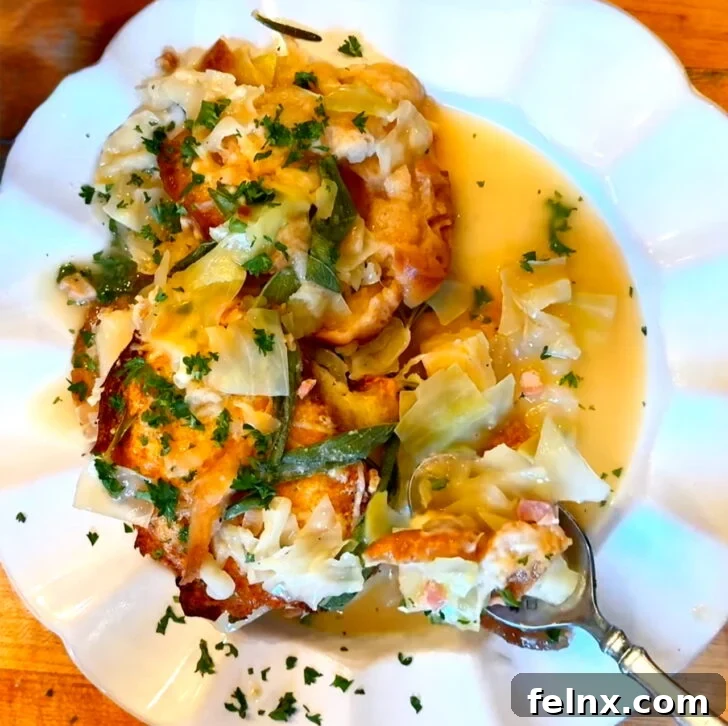
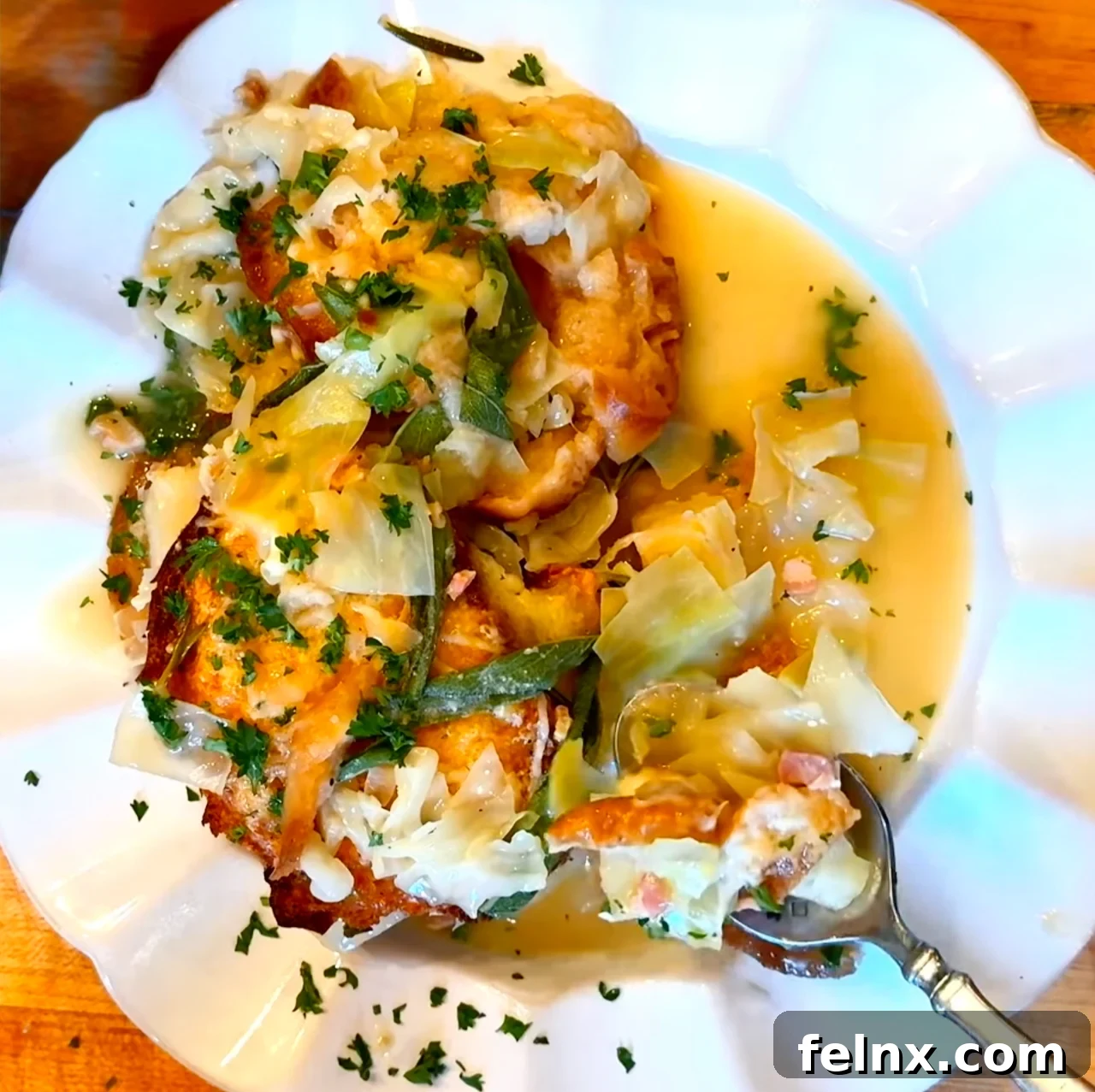
When the winter air turns crisp and the windows frost over, our natural instinct is to seek comfort in the kitchen. There is a specific kind of warmth that only a slow-cooked, hearty meal can provide. In the northwestern reaches of Italy, where the Alpine peaks dominate the horizon and the weather remains cool for much of the year, locals have perfected the art of cold-weather dining. One of the most iconic dishes from this region is Zuppa alla Valpellinese, a thick, savory, and incredibly satisfying Italian cabbage soup.
This dish is far more than a simple liquid broth. Zuppa alla Valpellinese is a rustic masterpiece that sits somewhere between a savory bread pudding and a decadent French onion soup. It features layers of tender cabbage, artisanal bread, and melted Fontina cheese, all soaked in a rich stock and baked until golden and bubbling. If you are looking for the ultimate comfort food that nourishes both the body and the soul, this authentic recipe from the Aosta Valley is exactly what you need.
The Heritage of the Aosta Valley and Valle d’Aosta Cuisine
To understand this soup, one must understand its home. The Aosta Valley (Valle d’Aosta) is a mountainous region in Northern Italy, bordered by France and Switzerland. Because of its geographical location, the local cuisine is a unique blend of Italian tradition and Alpine necessity. Ingredients like corn, potatoes, rye, and hardy greens like cabbage are staples because they thrive in the mountain climate.
Named after the town of Valpelline, this Italian cabbage and bread soup has fed generations of mountain dwellers. While the rest of Italy might be famous for pasta and tomato sauce, the Aosta Valley is the land of Fontina cheese and dark, crusty rye bread. Zuppa alla Valpellinese is a celebration of these local treasures. It is a dish born from the philosophy of “cucina povera” (peasant cooking), where nothing is wasted. Stale bread is given new life by soaking up savory broth, and humble vegetables are transformed into a feast fit for a king.
What Makes a “Zuppa” Different?
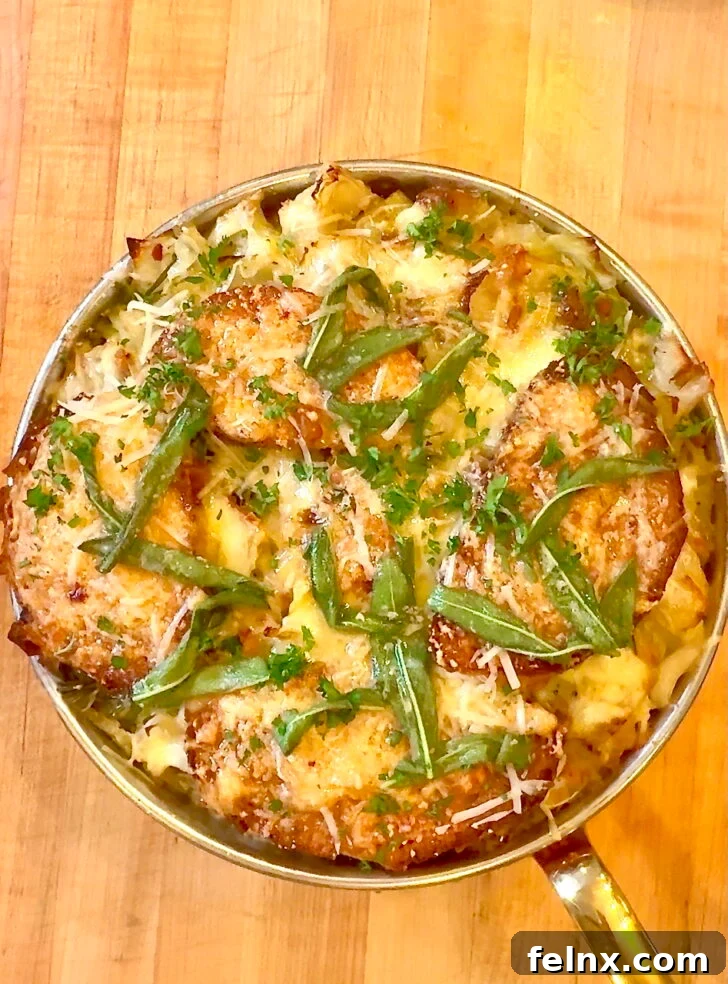
In many cultures, the word “soup” implies a bowl of liquid. However, in Italian culinary terminology, a zuppa is specifically a dish that uses bread as its foundation. Historically, these dishes were served by pouring broth over thick slices of bread, which would then absorb the liquid and expand. Zuppa alla Valpellinese takes this to the extreme; it is so thick and dense that it is often eaten with a fork and could easily be classified as a casserole or a gratin.
The magic happens in the oven. As the soup bakes, the bread plumps up, infused with the flavors of garlic, sage, and rosemary. The Fontina cheese on top melts into the layers below, creating a gooey, stringy texture that contrasts perfectly with the slightly charred, golden-brown crust on top. It is a decadent, multi-layered experience that satisfies the deepest cravings for savory warmth.
Key Ingredients for an Authentic Zuppa alla Valpellinese
To recreate this Alpine classic at home, the quality of your ingredients is paramount. Because the recipe is simple, each element must bring its best flavor to the pot.
1. The Cabbage (Verza)
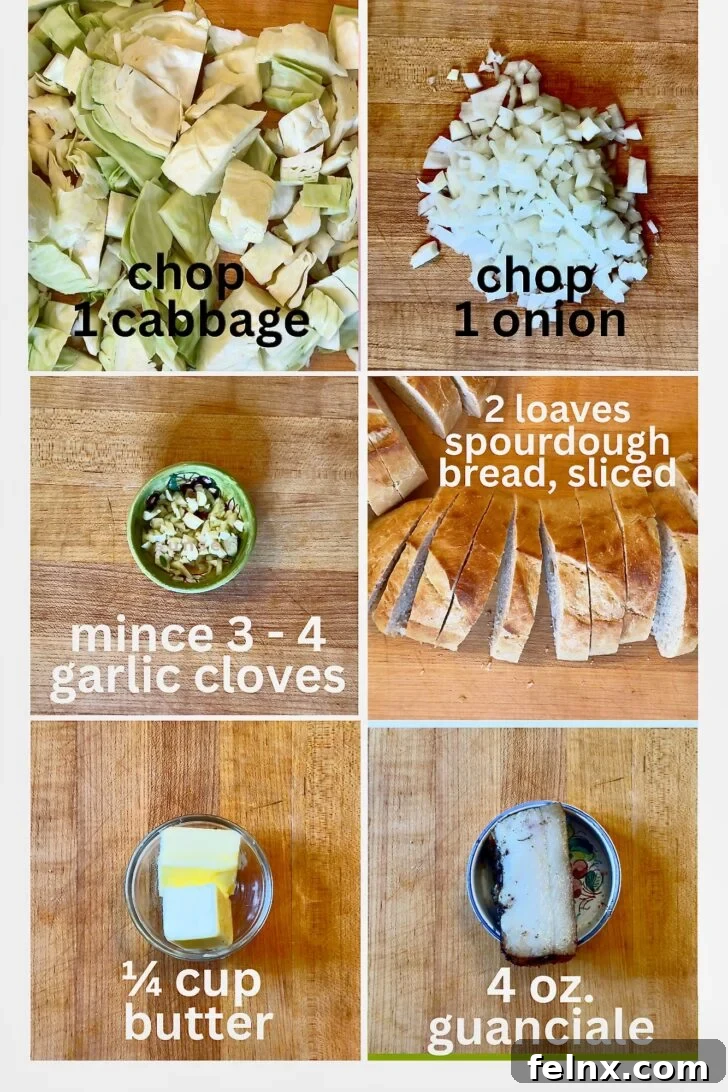
The traditional choice is Savoy cabbage, known in Italy as verza. Savoy cabbage is distinct for its crinkled, emerald-green leaves and a flavor that is milder and sweeter than regular green cabbage. When braised, it becomes incredibly tender without losing its character. If you cannot find Savoy, a standard green cabbage will work, but the texture will be slightly different.
2. The Bread
The bread is the heart of this dish. For the most authentic flavor, use a crusty rye bread or a dense sourdough. The key is that the bread must be stale—at least two or three days old. Fresh bread will turn into mush when it hits the broth. Stale bread has the structural integrity to soak up the liquid while remaining chewy. If your bread is fresh, you can dry it out in a low-temperature oven before starting the recipe.
3. The Cheese (Fontina DOP)
You cannot make Zuppa alla Valpellinese without Fontina cheese. Specifically, Fontina from the Aosta Valley is preferred for its nutty, earthy aroma and superior melting qualities. It is the gold standard for Alpine cooking. If Fontina is unavailable, high-quality Gruyère or Emmental are suitable substitutes, as they offer a similar flavor profile and melt beautifully.
4. The Flavor Base: Pancetta, Lardo, and Aromatics
The richness of the soup comes from a base of fats and aromatics. Pancetta provides a salty, meaty bite, while lardo (cured pork fatback) or guanciale adds a silky depth that is characteristic of Northern Italian cooking. Onions, garlic, fresh sage, and rosemary round out the flavor profile, creating a fragrant foundation for the broth.
5. High-Quality Stock
Since the bread absorbs so much liquid, the quality of your stock will define the final taste. A rich, homemade beef stock is traditional and provides the most robust flavor, but a high-quality chicken broth can also be used for a slightly lighter version.
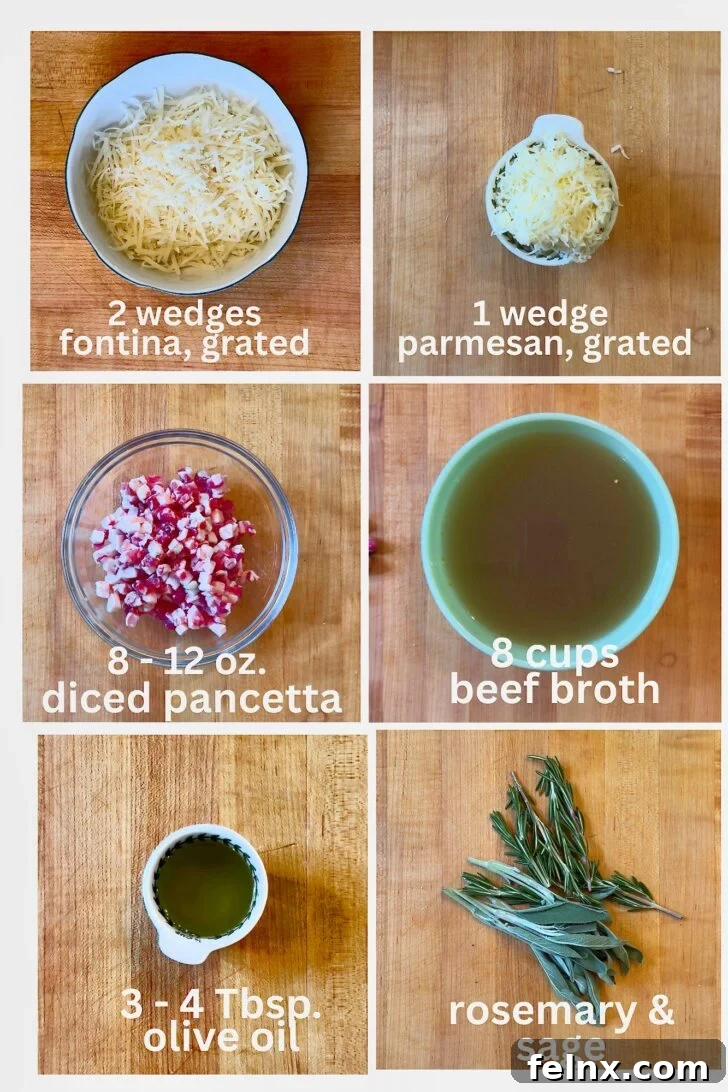
Step-by-Step Instructions
Italian Cabbage Soup “Zuppa alla Valpellinese”
This cozy recipe from the Aosta Valley features layers of tender cabbage, crusty bread, and Fontina cheese, baked until perfectly bubbly.
- Prep Time: 1 hour
- Cook Time: 45 minutes
- Yield: 8 servings
Ingredients
- 3–5 quarts high-quality beef or chicken stock
- 1 whole Savoy cabbage (chopped, stalks removed)
- 16 slices stale artisan rye or sourdough bread
- 4 large garlic cloves (peeled and smashed)
- 1 large onion (diced)
- 8 oz. pancetta (chopped)
- 4 oz. Guanciale or lardo (diced)
- 16 oz. Fontina cheese (grated)
- 8 oz. Parmigiano Reggiano (freshly grated)
- 4 sprigs fresh rosemary
- 8–10 fresh sage leaves
- 1/4 cup butter
- 4 oz. extra virgin olive oil
- A pinch of ground nutmeg (optional)
- Fresh parsley for garnish
Instructions
1. Prepare the Bread
Preheat your oven to 450°F (230°C). Arrange the bread slices on baking sheets and toast them for 10–15 minutes until they are very crisp. While the bread is still hot, rub each slice generously with the smashed garlic cloves to infuse them with flavor.
2. Sauté the Aromatics and Cabbage
In a large, tall pot, melt a tablespoon of butter with a splash of olive oil. Add the guanciale (or lardo) and let it render its fat. Add the diced onion and minced garlic, sautéing until translucent. In a separate pan, crisp up the pancetta in a little olive oil, then add it to the main pot. Toss in the chopped Savoy cabbage and cook for about 5 minutes until it begins to wilt and reduce in volume.
3. Simmer the Cabbage
Pour enough stock into the pot to cover the cabbage. Bring the mixture to a boil, then reduce the heat, cover, and simmer for 30–45 minutes until the cabbage is completely tender and the flavors have melded.
4. Assemble the Layers
Lower the oven temperature to 350°F (175°C). Use a deep, oven-safe baking dish. Start with a layer of the toasted garlic bread on the bottom. Ladle a generous amount of the cabbage and broth mixture over the bread. Follow this with a heavy layer of grated Fontina and a sprinkle of Parmigiano Reggiano. Repeat these layers until the dish is nearly full, ending with a layer of bread and rosemary leaves.
5. The Final Pour and Bake
Pour the remaining broth over the entire dish. The liquid should be visible but not overflowing; leave about half an inch of space at the top as the soup will “puff up” like a soufflé while baking. Top with a final, generous layer of Fontina and Parmigiano.
6. Baking and Serving
Bake for 20–30 minutes until the cheese has formed a golden-brown, bubbling crust and most of the liquid has been absorbed by the bread. While the soup bakes, melt the remaining butter in a small pan and fry the sage leaves until crisp. Spoon the sage butter over the finished soup, garnish with fresh parsley, and serve piping hot.
Expert Tips for the Perfect Zuppa
To elevate your Zuppa alla Valpellinese to restaurant quality, consider these professional tips:
- The “Fry” Method: For an even richer version, fry your bread slices in butter before assembling the layers. This adds an incredible depth of flavor and prevents the bread from breaking down too quickly.
- Nutmeg Magic: A tiny pinch of nutmeg added to the cheese layers enhances the nuttiness of the Fontina and complements the earthy cabbage perfectly.
- Make it Ahead: Like many Italian stews and soups, this dish tastes even better the next day. You can prepare the cabbage mixture ahead of time and simply assemble and bake when you are ready to serve.
- Wine Pairing: Pair this hearty dish with a medium-bodied red wine from the Aosta Valley, such as a Petit Rouge or a Torrette, to cut through the richness of the cheese and pork fats.
Conclusion
Zuppa alla Valpellinese is more than just a recipe; it is a warm embrace from the Italian Alps. It reminds us that some of the best meals in the world come from the simplest ingredients. By combining stale bread, winter cabbage, and local cheese, you create a dish that is sustainable, economical, and undeniably delicious. Whether you are serving a large family or looking for a meal to last you through a cold week, this authentic Italian cabbage soup is a timeless classic that belongs in every home cook’s repertoire. Buon Appetito!
Did you make this recipe?
We would love to see your creations! Share a photo on Instagram and tag us at @italianbellavita or use the hashtag #italianbellavita to join our community of Italian food lovers.