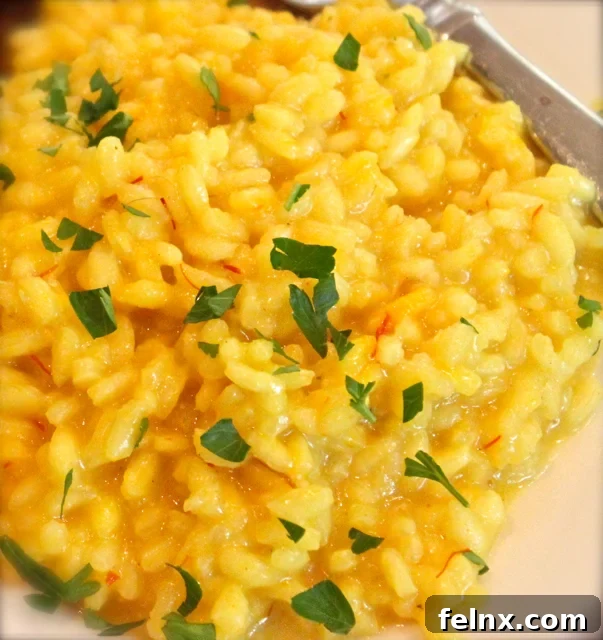
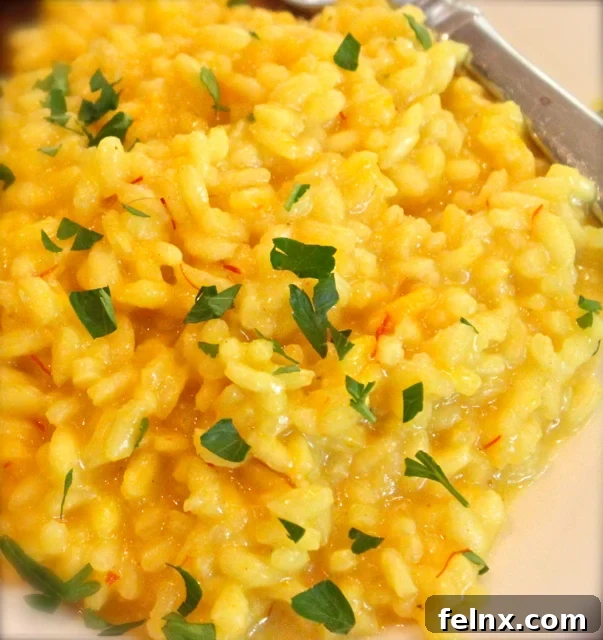
The Ultimate Guide to Authentic Risotto alla Milanese: A Northern Italian Treasure
Risotto alla Milanese is more than just a dish; it is a symbol of Northern Italian culinary heritage. Known for its vibrant golden hue and rich, creamy texture, this saffron-infused rice dish has graced the tables of Milan for centuries. Rice is truly a versatile gift in the kitchen, offering endless possibilities ranging from refreshing summer salads and hearty side dishes to elegant main courses and even decadent desserts like classic rice pudding. Among all these variations, the Milanese style stands out as an all-time classic that perfectly balances simplicity with luxury.
As many of us look for ways to balance our diets by reducing meat consumption, turning to high-quality grains and legumes becomes an essential part of the journey. Risotto alla Milanese is the perfect solution for those seeking a satisfying, plant-forward meal that doesn’t compromise on flavor. While it requires a bit of patience and frequent stirring, the process is incredibly therapeutic and the result is world-class comfort food. Whether you are a seasoned chef or a home cook looking to expand your repertoire, mastering this golden risotto will elevate your cooking to new heights.
The History and Origin of Saffron Risotto
To truly appreciate Risotto alla Milanese, one must understand its origins. Legend has it that the dish was born in the 16th century during the construction of the Duomo di Milano. A young apprentice, known for using saffron to pigment the stained glass of the cathedral, supposedly added the spice to a rice dish at a wedding feast as a prank or an experiment. The guests were captivated by the stunning color and the unique floral aroma, and thus, a legend was born.
The dish represents the historical wealth of Milan. Saffron, often referred to as “red gold,” was—and still is—one of the most expensive spices in the world. It is harvested by hand from the stigmas of the Crocus sativus flower. In the past, only the elite could afford to dye their food with such a precious ingredient. Today, while still a luxury, it is accessible to anyone who wants to bring the authentic taste of Italy into their own kitchen.
The Science of the Perfect Risotto
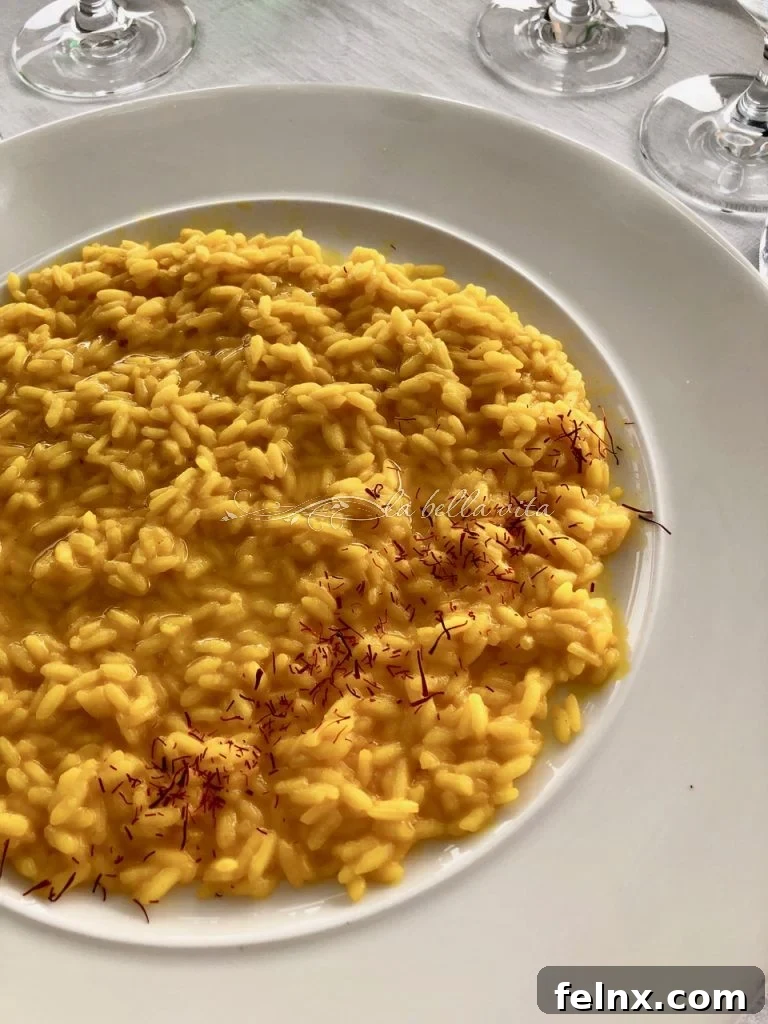
The secret to a successful risotto lies in the rice and the technique. Unlike standard boiled rice, risotto relies on a process called “mantecatura.” This involves the gradual release of starch from the rice grains, which creates a natural, creamy sauce without needing excessive amounts of cream. This is why the choice of rice is non-negotiable. You must use high-starch, short-grain varieties like Arborio or, ideally, Carnaroli.
Carnaroli is often called the “king of Italian rice.” It has a higher starch content and a firmer texture than Arborio, meaning it is more resistant to overcooking. This ensures that each grain remains “al dente”—firm to the bite—even as the outside melts into a velvety consistency. The constant stirring is what coaxes the starch out of the grain and into the surrounding broth, creating that iconic texture that should “wave” (all’onda) when you shake the pan.
Exploring Other Italian Risotto Variations
If you fall in love with the technique of making saffron risotto, there are many other Italian classics to explore. Each region of Italy has its own take on this versatile dish:
- Risotto ai Quattro Formaggi: A decadent version featuring four types of cheese, perfect for cheese lovers.
- Risotto with Tomatoes and Basil: A lighter, brighter version that highlights the fresh flavors of a Mediterranean garden.
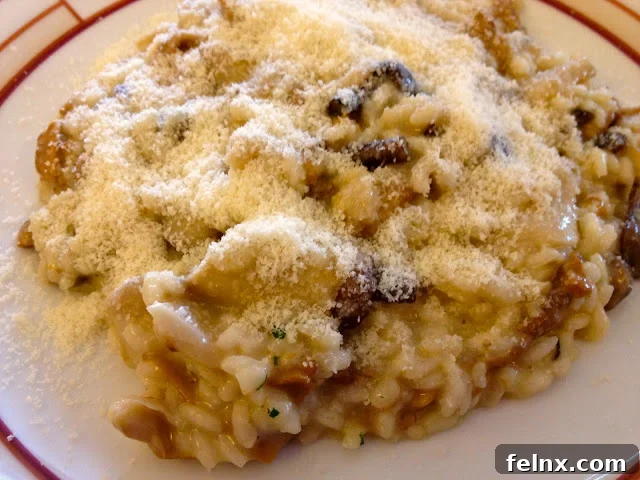
- Risotto with Porcini Mushrooms: An earthy, savory masterpiece that brings the flavors of the Italian forest to your plate.
- Lemon and Asiago Risotto: A zesty and refreshing take that pairs beautifully with seafood or roasted chicken.
Recipe: Traditional Risotto alla Milanese
This recipe brings the authentic flavors of Milan to your kitchen. It includes the traditional saffron base and an optional Gremolata garnish for a modern, zesty twist.
Ingredients
For the Risotto:
- 2 Tbsp. extra virgin olive oil
- 1 cup Carnaroli or Arborio rice
- 3-½ cups high-quality chicken broth (kept warm)
- 1 tsp. saffron powder
- 1 tsp. saffron pistils (threads)
- 3 Tbsp. unsalted butter
- 1 cup dry white wine (optional)
- 1 cup freshly grated Parmesan cheese
For the Gremolata (Optional Garnish):
- 1/2 cup Italian parsley, finely minced
- 2 cloves garlic, minced
- 1–2 anchovies, finely diced (adds a savory depth)
- 1–2 lemon peels, finely diced or zested
- 4 Tbsp. extra virgin olive oil
Step-by-Step Instructions
- Toast the Rice: Heat the extra virgin olive oil in a large frying pan or wide skillet over medium heat. Add the Carnaroli rice and stir frequently for 3 to 4 minutes. You want the rice to be lightly toasted and translucent at the edges, which develops a nutty flavor and helps the grains hold their shape.
- The Deglazing Step: If you are using white wine, add it now. Stir until the wine has been completely absorbed by the rice. This adds a subtle acidity that balances the richness of the butter and cheese later on.
- Gradual Liquid Addition: Begin adding the warm chicken broth one ladle (about 1 cup) at a time. This is the most critical stage. Stir constantly. The movement of the rice against itself is what releases the starches.
- Incorporate the Saffron: After the second cup of broth has been absorbed, stir in the saffron powder. You will immediately see the rice turn a beautiful, vibrant yellow. Continue adding broth and stirring.
- Check the Texture: Continue adding broth until the rice is tender but still has a slight bite (al dente). This usually takes about 15 to 18 minutes. The consistency should be thick and creamy, not dry.
- The Mantecatura: Remove the pan from the heat. Stir in the unsalted butter and the saffron pistils. The residual heat will melt the butter and release the deep aroma of the saffron threads.
- Add the Cheese: Fold in the grated Parmesan cheese. If the risotto seems too thick, add a small splash of broth to reach the desired “wavy” consistency.
- Prepare the Gremolata: While the rice rests for a minute, mix the parsley, garlic, anchovies, lemon peel, and olive oil in a small bowl.
- Serve: Plate the risotto and place a small dollop of gremolata in the center. Garnish with a few extra saffron pistils for an elegant finish.
Tips for Success
To ensure your Risotto alla Milanese is restaurant-quality, keep these tips in mind. First, always keep your broth at a low simmer in a separate pot. Adding cold broth to the hot rice will shock the grains and stop the cooking process, leading to an uneven texture. Second, don’t rush. Risotto is a dish of patience; the gradual addition of liquid is the only way to achieve that perfect creaminess.
Regarding the saffron, using both powder and threads (pistils) provides the best results. The powder provides an even, deep color throughout the dish, while the threads offer concentrated bursts of flavor and a beautiful visual appeal. If you prefer a vegetarian version, simply swap the chicken broth for a delicate vegetable stock.
What to Pair with Saffron Risotto
In Milan, this dish is traditionally served as a “primo” (first course), but it is also the classic accompaniment to Ossobuco alla Milanese (braised veal shanks). The richness of the marrow and the savory gravy of the veal complement the floral saffron perfectly. If you are keeping it meat-free, it pairs wonderfully with roasted asparagus, sautéed spinach, or a crisp green salad with a light vinaigrette.
For wine pairings, look for a dry Italian white like a Gavi or a Pinot Grigio. If you prefer red, a light-bodied Barbera or a Nebbiolo from the Piedmont region provides a beautiful contrast to the creamy, salty profile of the Parmesan.
Final Thoughts
Mastering Risotto alla Milanese is a rewarding experience for any home cook. It teaches the importance of technique, the value of high-quality ingredients, and the beauty of Italian simplicity. By following these steps, you can bring a piece of Milanese culture into your home, creating a meal that is as visually stunning as it is delicious.
Enjoy Your Culinary Journey!
We hope this guide inspires you to head into the kitchen and try this golden classic for yourself. There is nothing quite like the aroma of saffron and Parmesan filling the air. From our kitchen to yours, we wish you “Buon Appetito!”
Did you make this recipe?
We would love to see your creations! Leave a comment below or share your photos on Instagram using the hashtag #italianbellavita. Connecting with our community of food lovers is what makes cooking so special.
Enjoy Your Meal!
With love from our kitchen to yours. ❤