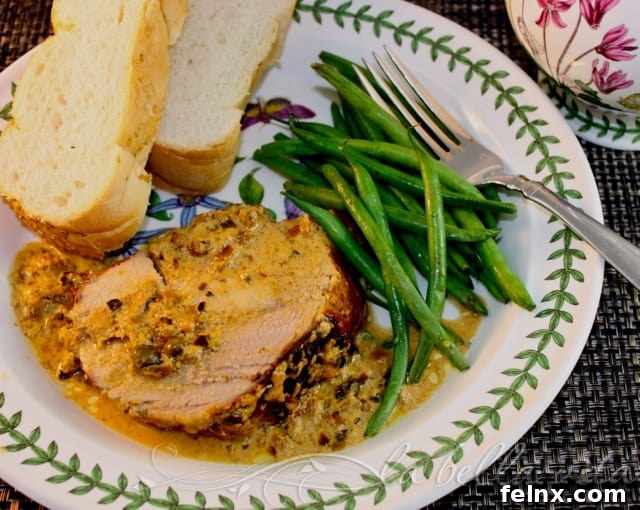
Authentic Italian Pork Loin Braised in Milk: A Masterclass in Northern Italian Comfort Food
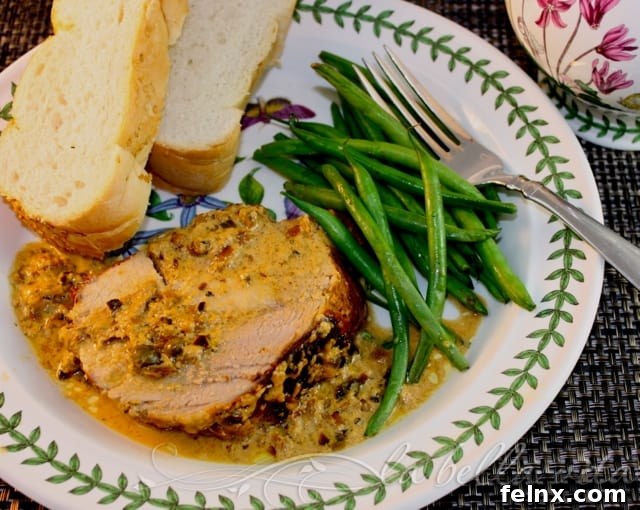
The culinary traditions of Northern Italy are rich with techniques that might seem unconventional to the uninitiated, yet they produce some of the most sophisticated flavors in the world. One such hidden gem is the Italian Pork Loin Braised in Milk, known locally as Arrosto di Maiale al Latte. This classic dish, particularly beloved in the culinary hubs of Bologna and Modena, represents the pinnacle of Italian home cooking. It is a recipe that prioritizes texture and deep, nutty flavors over visual perfection, proving that in the Italian kitchen, taste is always the ultimate authority.
The concept of cooking meat in milk dates back centuries in the Emilia-Romagna region. While it might sound unusual to those accustomed to roasting pork with dry heat or wine-based braises, the science behind it is fascinating. Milk contains lactic acid, a natural tenderizer that gently breaks down the tough fibers of the pork loin. As the meat simmers for hours in a bath of whole milk and cream, it becomes incredibly succulent, absorbing the subtle sweetness of the dairy while releasing its own savory juices.
The Culinary Science of Milk Braising
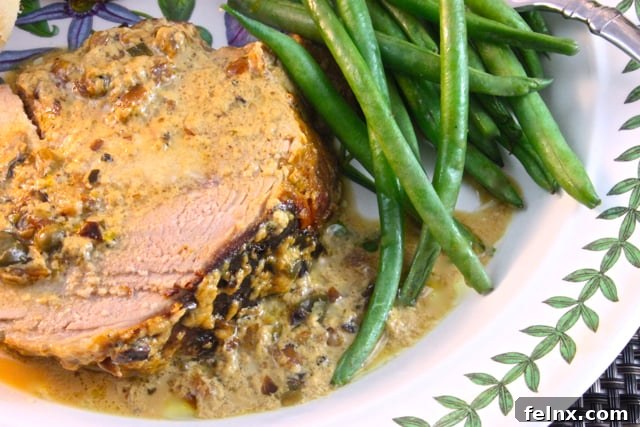
When you prepare a pork loin in milk, you aren’t just boiling meat; you are engaging in a slow-motion chemical transformation. The long, gentle braising process ensures that the roast remains exceptionally moist. Unlike water or broth, milk has a unique protein and fat structure that creates a protective environment for the meat. As the milk reduces and reacts with the acidity of other ingredients like lemon zest and the heat of the stove, it begins to “curdle” in a very specific way. These curds are not a mistake; they are the most prized part of the dish.
As the braising continues, these milk solids undergo the Maillard reaction, turning a deep hazelnut brown. These “browned bits” are concentrated nuggets of flavor that form a thick, satiny, and rustic sauce. The resulting texture is something between a gravy and a concentrated cream reduction, offering a nutty, sweet, and savory profile that is impossible to achieve through any other cooking method.
Essential Ingredients for Maiale al Latte
To recreate this Northern Italian masterpiece, the quality of ingredients is paramount. Each component plays a vital role in building the complex layers of the final sauce:
- The Pork Loin: Choose a cut with a healthy layer of fat. Fat is essential for flavor and ensures the meat remains “fork-tender” throughout the long cooking process.
- The Dairy: Always use whole milk. For an even more decadent result, incorporate heavy cream. Avoid low-fat or skim milk, as they lack the necessary fats to create the signature curdled sauce and will likely result in a thin, unappealing liquid.
- Pancetta and Aromatics: Finely chopped pancetta provides a smoky, salty base. When combined with minced garlic and onions, it creates a flavor foundation that complements the sweetness of the milk.
- Sage and Lemon Zest: Sage is the traditional herb for pork in Italy. The lemon zest adds a necessary brightness and its acidity helps the milk solids transform into those delicious golden clusters.
- Capers: These add a briny pop of flavor that cuts through the richness of the cream sauce, providing balance to every bite.
Step-by-Step Preparation Guide
Despite its gourmet reputation, Arrosto di Maiale al Latte is surprisingly simple to prepare. It is a “set it and forget it” style of cooking that allows you to focus on your family or guests while the stove does the heavy lifting.
The process begins by searing the pork loin in a mixture of butter and olive oil. Browning all sides is crucial, as this builds the base flavor for the sauce. Once the meat is golden, the aromatics—garlic, onion, and pancetta—are softened. Then comes the magic: pouring in the hot milk and cream along with the herbs and seasonings. From here, the heat is lowered to a gentle simmer. Over the next 90 minutes to two hours, the liquid will transform from a simple white broth into a rich, golden-brown nectar. Regular basting ensures the top of the roast stays as moist as the bottom.
Addressing the Skepticism: Flavor Over Appearance
It is important to manage expectations regarding the dish’s appearance. In an era of highly styled food photography, Maiale al Latte is unapologetically rustic. The sauce will look curdled and broken—because it is. However, in the world of traditional Italian cuisine, these curds are considered “culinary gold.” They are packed with the essence of caramelized dairy and pork juices.
As many home cooks have discovered, one taste is enough to dispel any doubts. The pork becomes so tender it practically melts in your mouth, and the sauce provides a deep, comforting richness that no flour-thickened gravy can match. It is a dish that has earned the praise of major culinary publications like Bon Appétit and Saveur, specifically for its incredible flavor profile despite its humble looks.
Recipe: Italian Pork Loin Braised in Milk
This traditional Northern Italian recipe creates a tender, juicy roast with a rich, caramelized cream sauce.
Ingredients
- 3 Tbsp. butter
- 3 Tbsp. olive oil
- 4 large cloves of garlic, minced
- 1/2 of a large onion, chopped finely
- 6 Tbsp. pancetta, chopped finely
- 1 (2-lb.) pork loin roast (with a good fat cap)
- Sea salt and freshly ground black pepper (to taste)
- 3 cups whole milk (heated)
- 2 cups heavy cream (heated)
- 1 Tbsp. capers, crushed
- 2 tsps. fresh sage, chopped, plus 2 whole leaves
- 1 tsp. lemon zest
Instructions
- In a large, deep, heavy pan or Dutch oven, melt the butter and olive oil over low heat. Be careful not to let the butter burn.
- Add the minced garlic, chopped onion, and pancetta. Sauté for 2-3 minutes until softened and fragrant.
- Season the pork loin very generously with sea salt and black pepper on all sides. Do not trim the fat.
- Increase the heat slightly and place the pork in the pan, fat side down. Brown the meat thoroughly on all four sides.
- Once the pork is well-browned, pour in the hot milk and heavy cream. Add the capers, sage, and lemon zest.
- Adjust the seasoning with more salt if needed. Partially cover the pan with a lid.
- Simmer on low-medium heat for 1.5 to 2 hours. Occasionally turn the pork and stir the sauce as it bubbles.
- Baste the pork frequently with the milk sauce during the cooking process.
- The sauce is ready when it has reduced significantly and turned a golden brown color with visible curds. If the sauce is too light, increase the heat slightly during the last 10 minutes.
- Remove the pork from the pan and let it rest for 10 minutes before slicing.
- Slice the pork into thick medallions and serve topped with generous spoonfuls of the curdled milk sauce.
What to Serve with Milk-Braised Pork
Because the sauce is the star of the show, you need the right accompaniments to ensure not a single drop goes to waste. In Italy, a crusty artisanal bread is the most common side dish, used for la scarpetta—the tradition of “mopping up” the sauce from the plate.
For a more substantial meal, consider serving the pork over a bed of creamy polenta or alongside large shell pasta (Conchiglie). The hollow shape of the shells acts like a small boat, capturing the thick, nutty sauce perfectly. Steamed vegetables like broccoli or roasted root vegetables also provide a nice structural contrast to the soft, tender meat.
Why This Recipe is a “Keeper”
The feedback from those who try this dish is almost always the same: “I can’t believe I’ve never tried this before.” It is a recipe that bridges the gap between everyday home cooking and high-end restaurant quality. Whether you are hosting a formal dinner party or looking for a new family comfort food, the Italian Pork Loin Braised in Milk is a guaranteed winner. It is a testament to the idea that sometimes the simplest ingredients, when treated with time and tradition, yield the most extraordinary results.
A Final Tip: Don’t be afraid of the salt. Milk and cream are naturally sweet, and the pork is a dense protein. A generous hand with the sea salt is necessary to bring out the complexity of the sauce and the savory depth of the pancetta. Once you master this technique, you’ll find yourself returning to it every time you want a meal that truly warms the soul.
Featured and Acclaimed By:
“A decadent flavor that defies its rustic appearance.” — Bon Appétit
“The ultimate technique for succulent, tender pork.” — Food and Wine
“A classic of the Italian kitchen that every cook should know.” — Saveur
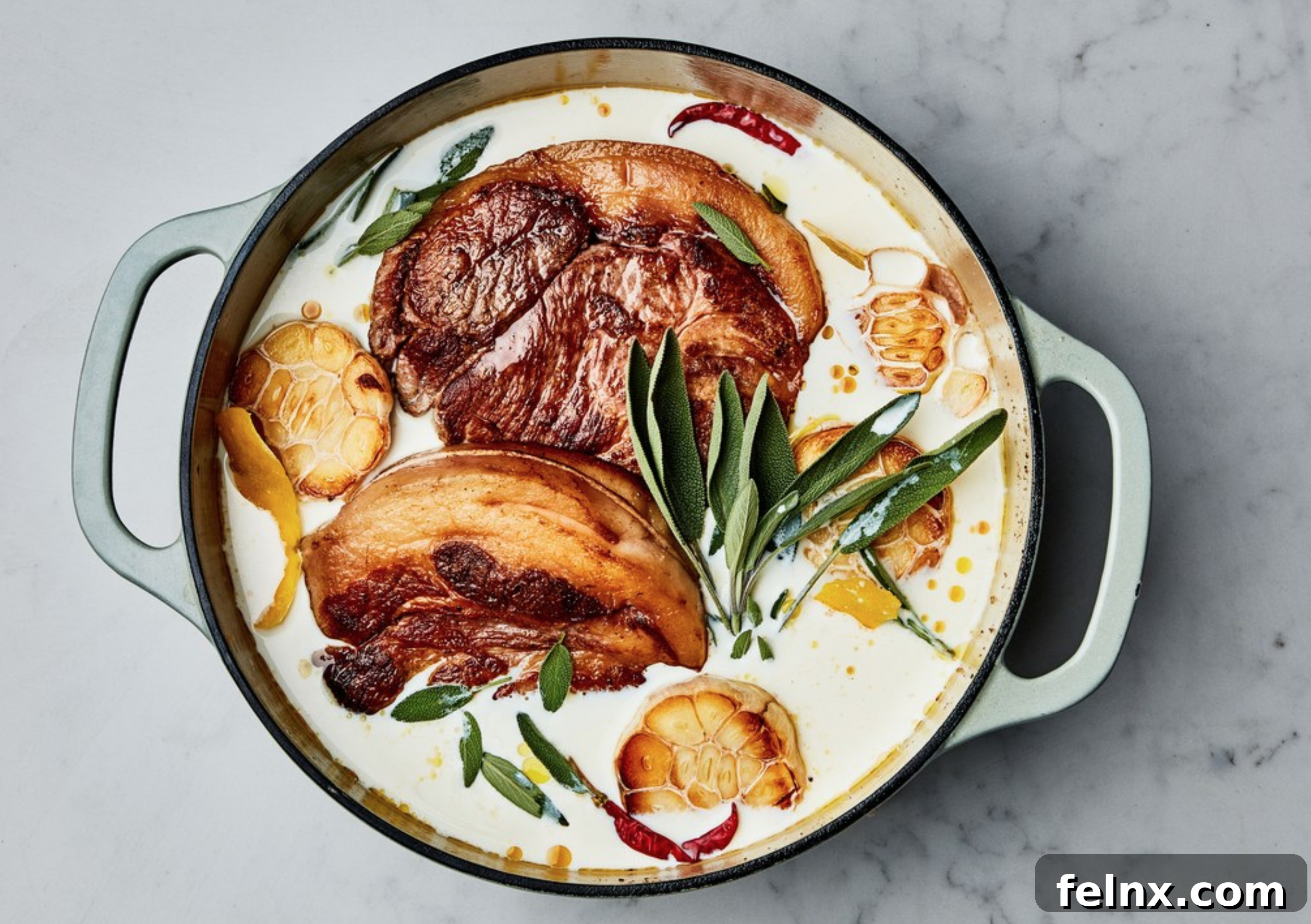
Explore More Italian Pork Specialties
If you enjoyed this exploration of milk-braised pork, the Italian culinary world offers many other incredible ways to prepare this versatile meat. From the herb-crusted Pork Saltimbocca to the aromatic Italian Pork Ribs with Garlic and Rosemary, there is always a new technique to discover. Each region of Italy brings its own unique flair, but they all share the same goal: transforming simple ingredients into a celebration of flavor.