The Ultimate Guide to Pan-Searing the Perfect Steak at Home
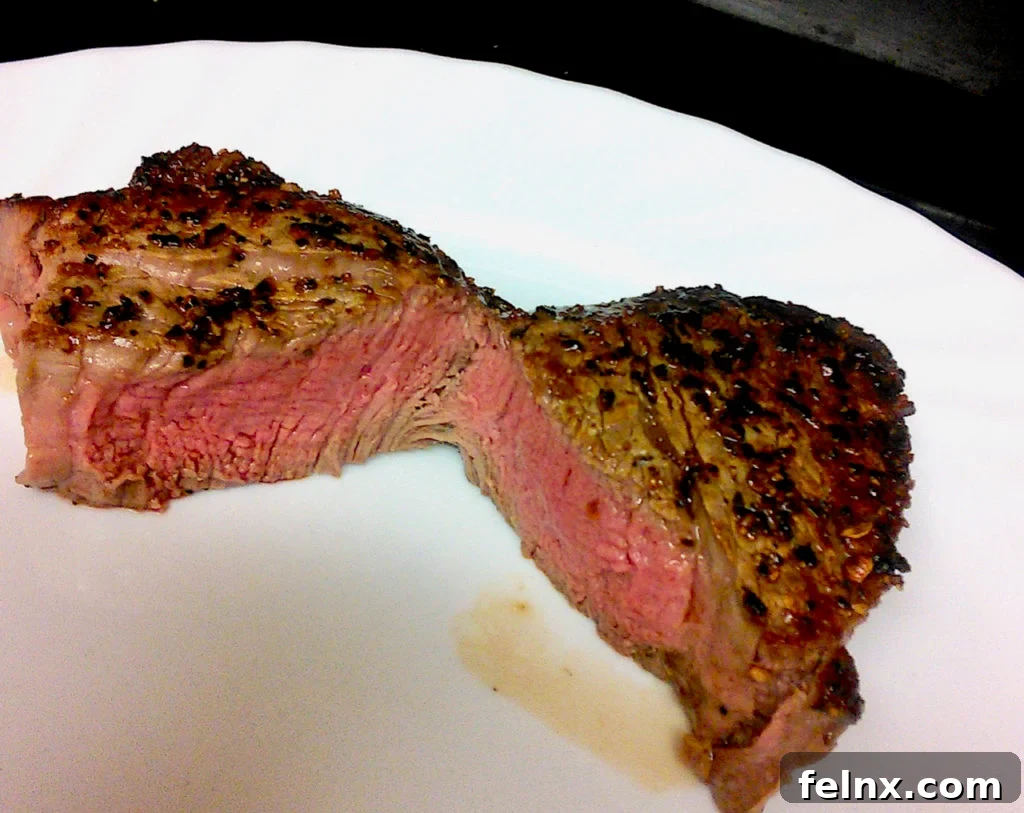
Mastering the art of cooking a steak is a skill that every home cook should possess. While many associate a great steak with a backyard grill, some of the world’s finest steakhouses actually prefer a different method: pan-searing combined with an oven finish. This technique creates a beautiful, caramelized crust while ensuring the inside remains juicy and cooked to your exact preference. If you have been looking for a fool-proof way to turn an ordinary Tuesday into a special occasion, this pan-seared steak method is the answer.
Often, the best recipes come from those who love to cook and experiment in their own kitchens. This specific method was shared by a dedicated reader and passionate cook named Kathy, who discovered the technique through Cooks Illustrated. The beauty of this approach lies in its simplicity and speed. You can have a restaurant-quality dinner on the table in less than 30 minutes, making it perfect for busy weeknights or impressive date nights alike.
Why Pan-Searing Beats the Grill
You might wonder why you should choose a pan over a traditional grill. The answer lies in the juices. When you grill a steak, the delicious fats and juices often drip through the grates and onto the coals or burners. When you sear a steak in a heavy skillet, those juices stay in the pan, essentially bathing the meat in its own flavor as it cooks. This is the same principle that makes a diner burger taste so much better than one cooked over an open flame. By using a hot skillet, you maximize the “Maillard reaction”—the chemical reaction between amino acids and reducing sugars that gives browned food its distinctive flavor.
Selecting the Right Cut of Beef
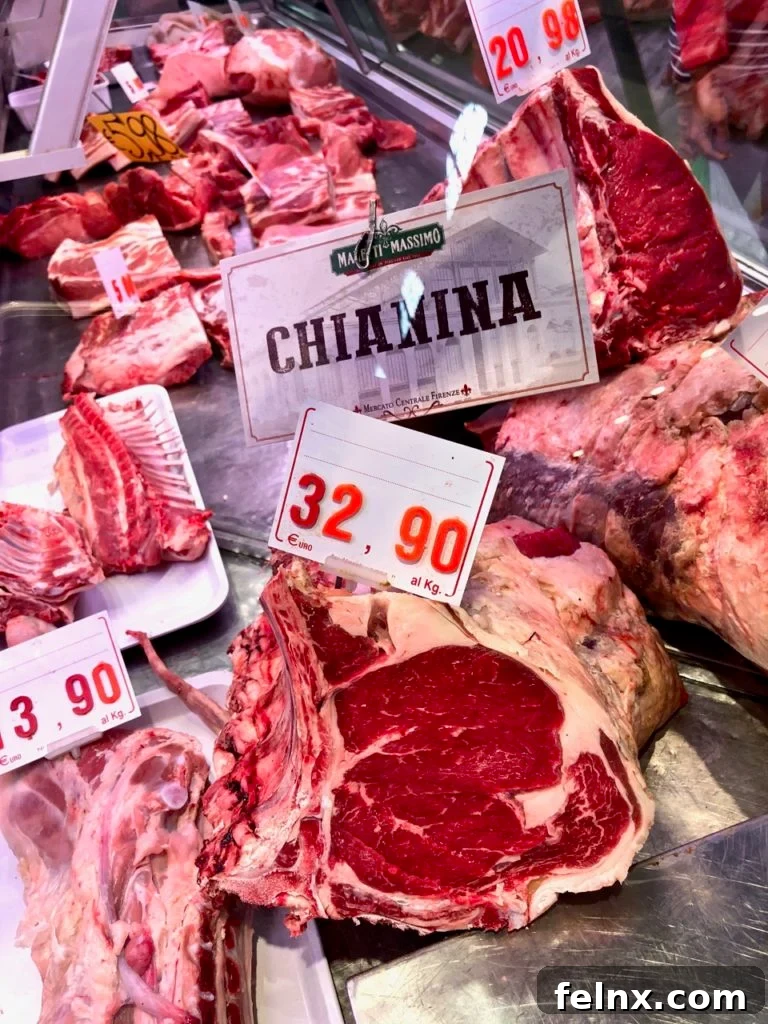
The success of your meal begins at the butcher counter. No matter how perfect your technique is, a poor-quality cut of meat will always be a disappointment. For the best results, look for “Choice” or “Prime” grades of beef. If your budget allows, “Dry-Aged” beef offers an even deeper, more complex flavor profile.
When it comes to the specific cut, center-cut options are generally preferred for pan-searing. Filet mignon is an excellent choice for those who love a tender, buttery texture. If you prefer a more robust beef flavor, a well-marbled rib-eye or a New York strip is ideal. Marbling—the small white flecks of intramuscular fat—is key. This fat melts during the cooking process, basting the meat from the inside out and ensuring it stays moist and flavorful.
Another crucial tip is the thickness of the steak. Always ask your butcher for a custom cut that is at least 2 inches thick. Thinner steaks tend to overcook in the middle before a proper crust can form on the outside. A thicker cut allows you to achieve that perfect contrast: a dark, crispy sear on the exterior and a tender, pink center.
Essential Tools and Ingredients
To achieve professional results, you need the right equipment. A heavy-bottomed skillet is non-negotiable. Cast iron skillets are the gold standard for searing steaks because they retain heat exceptionally well and distribute it evenly. If you don’t have cast iron, a high-quality stainless steel or tri-ply pan will work, but avoid non-stick pans as they cannot safely reach the temperatures required for a proper sear.
In addition to your skillet, you will need:
- High-smoke point oil (such as avocado oil, grapeseed oil, or light olive oil).
- Unsalted butter for basting.
- Kosher salt and freshly cracked black pepper.
- An oven-safe meat thermometer.
The Pan-Searing Method: Step-by-Step
Following this proven method will ensure your steak is cooked perfectly every single time. It involves a quick sear on the stovetop followed by a gentle finish in the oven.
1. Temper Your Meat
Remove your steaks from the refrigerator about 20 to 30 minutes before you plan to cook. Allowing the meat to come to room temperature ensures that the center isn’t ice-cold when the outside hits the hot pan. This leads to much more even cooking. During this time, pat the steaks completely dry with paper towels. Moisture is the enemy of a good sear; if the steak is wet, it will steam rather than brown.
2. Pre-heat and Season
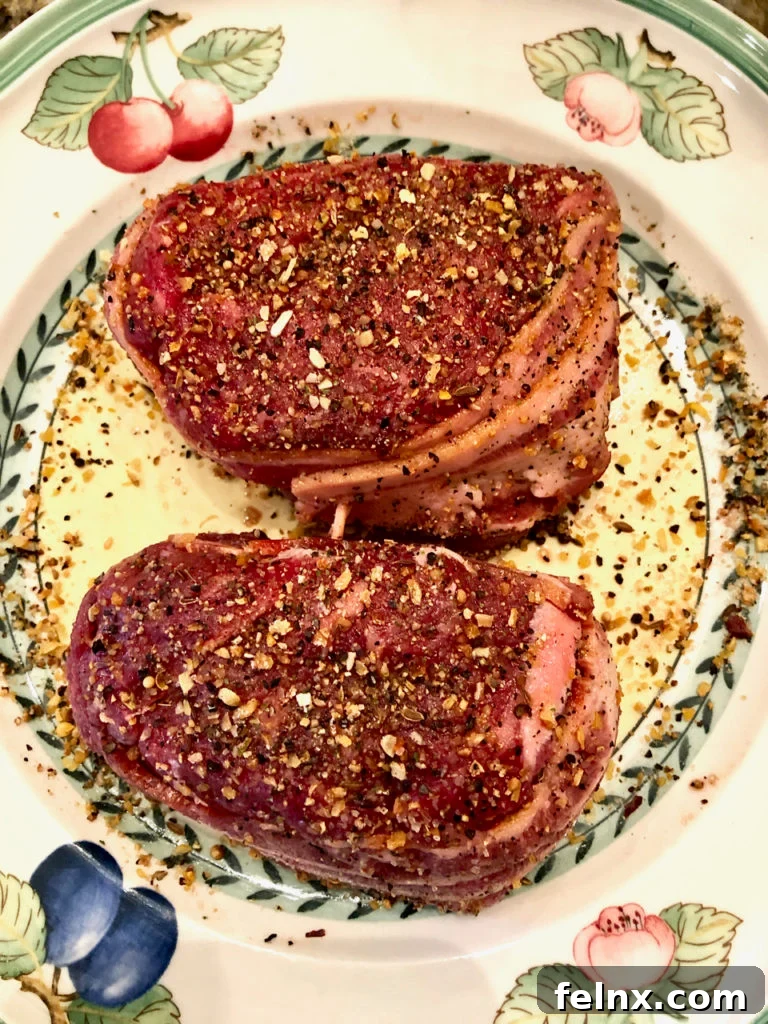
Preheat your oven to 425°F (218°C). While the oven is warming, season your steaks generously. Don’t be afraid to use a good amount of salt and pepper, as much of it will stay in the pan during the searing process. Season all sides, including the edges.
3. Get the Pan Sizzling Hot
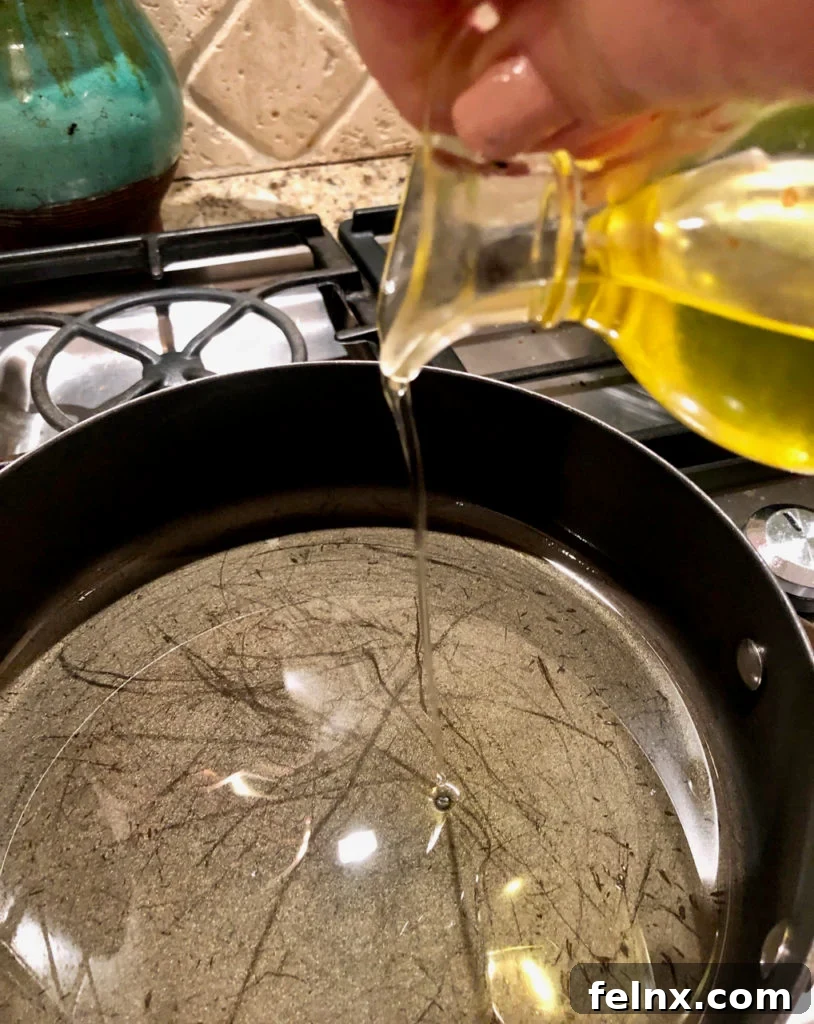
Place your skillet over high heat for about 4 minutes. You want it to be incredibly hot—just before it starts to smoke. Once hot, add 1 to 2 tablespoons of oil. If you want extra richness, you can add a tablespoon of butter to the oil as well, though be careful as butter burns faster at high temperatures.
4. The Initial Sear
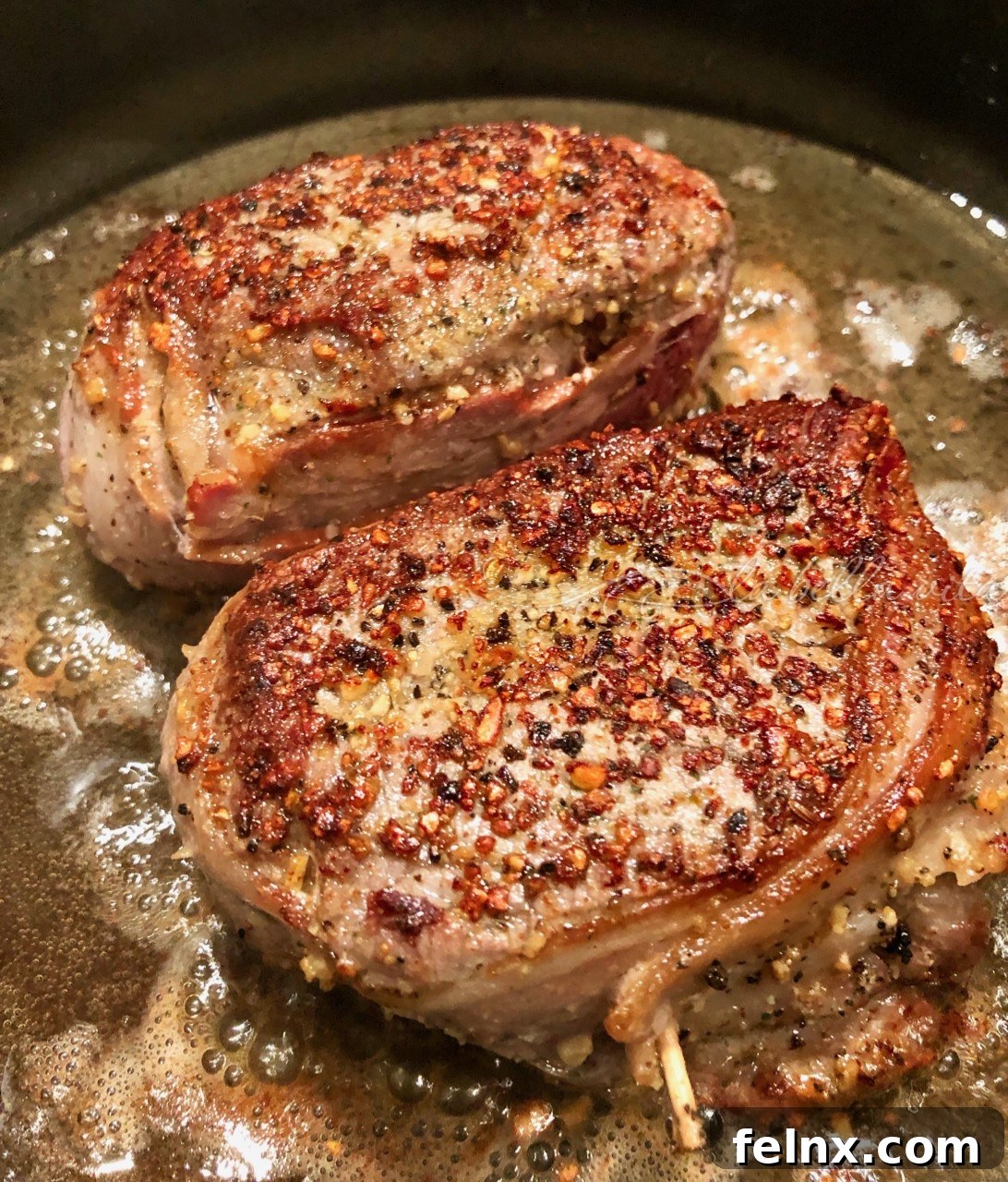
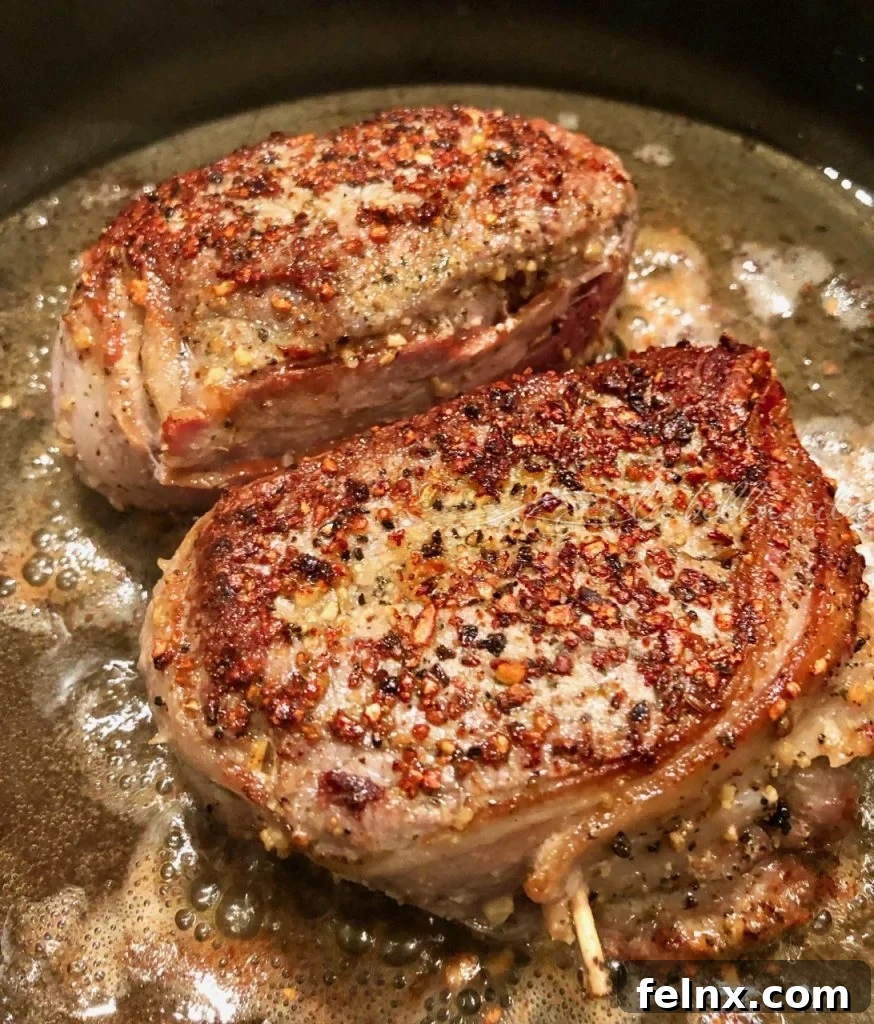
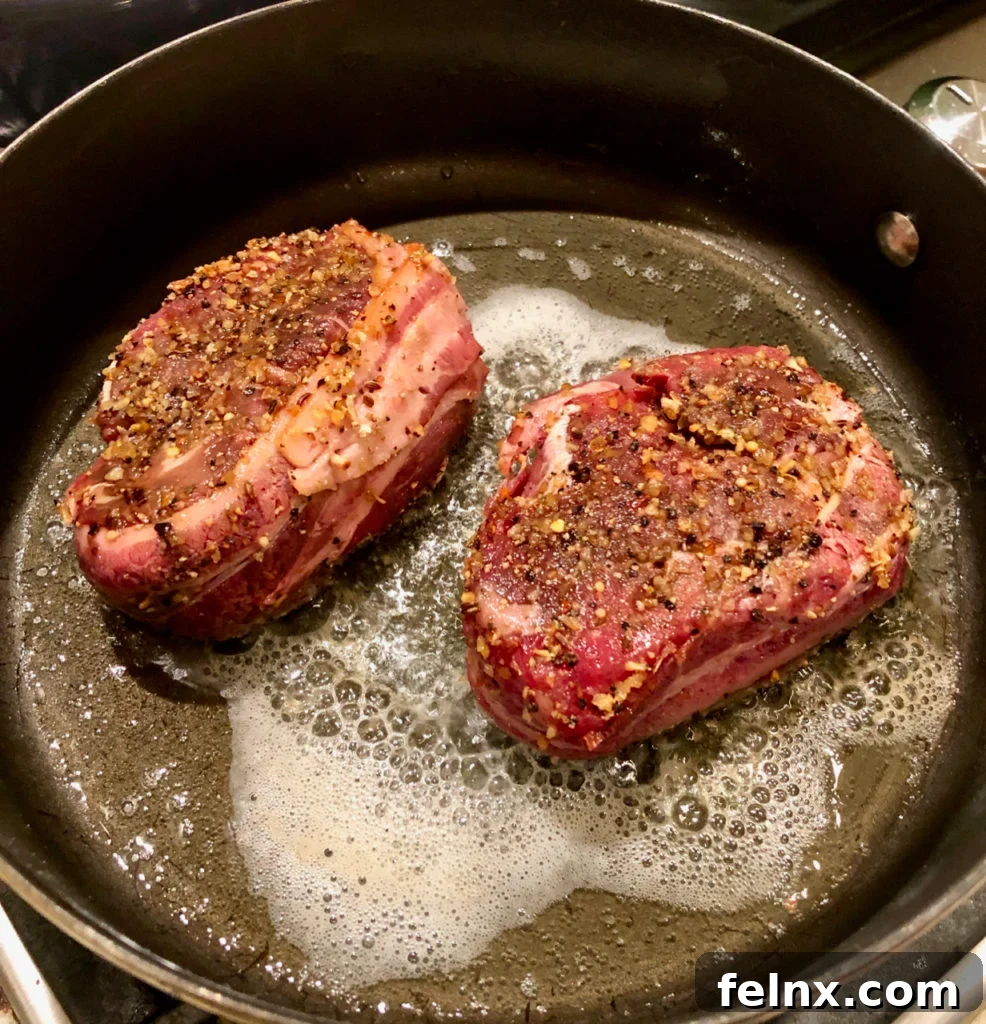
Carefully place the steaks into the skillet. A good tip is to place the “prettier” side down first, as this will be the side facing up when you serve. Sear the steaks for two minutes without moving them. It is tempting to peek, but leaving the meat untouched allows a thick, flavorful crust to form. If the meat feels stuck to the pan, it means the crust hasn’t fully formed yet; give it another 30 seconds.
5. Flip and Baste
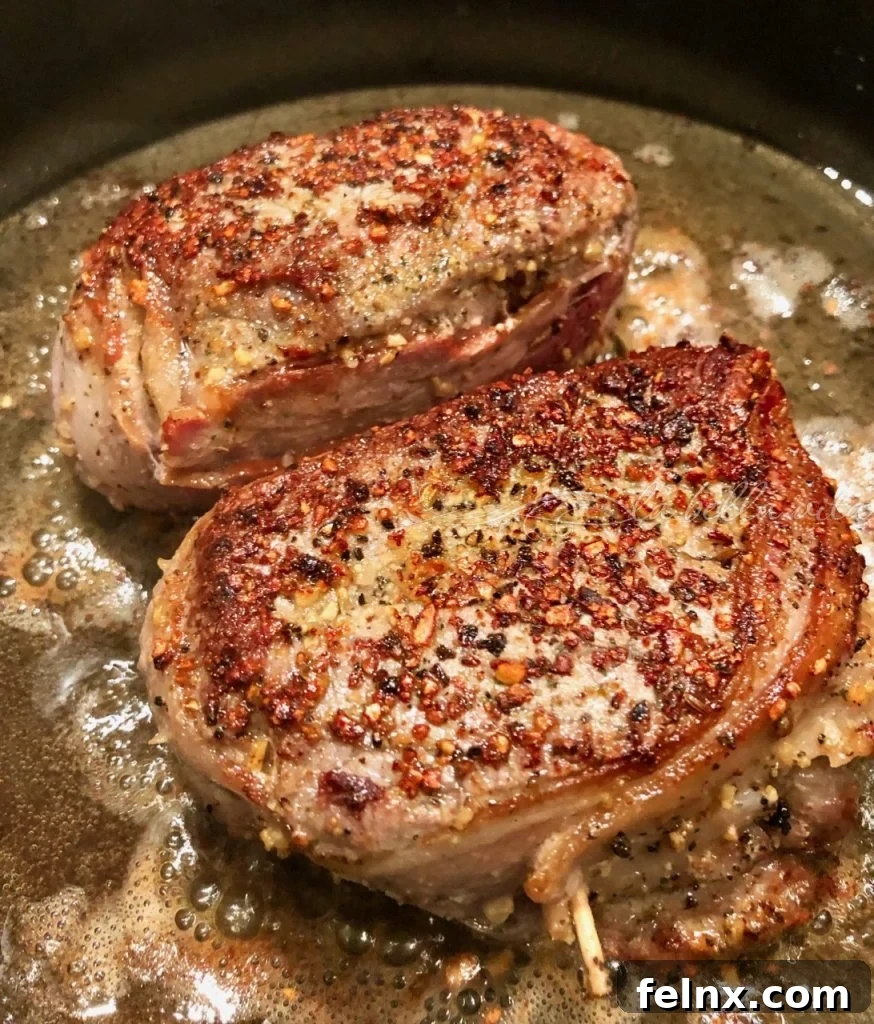
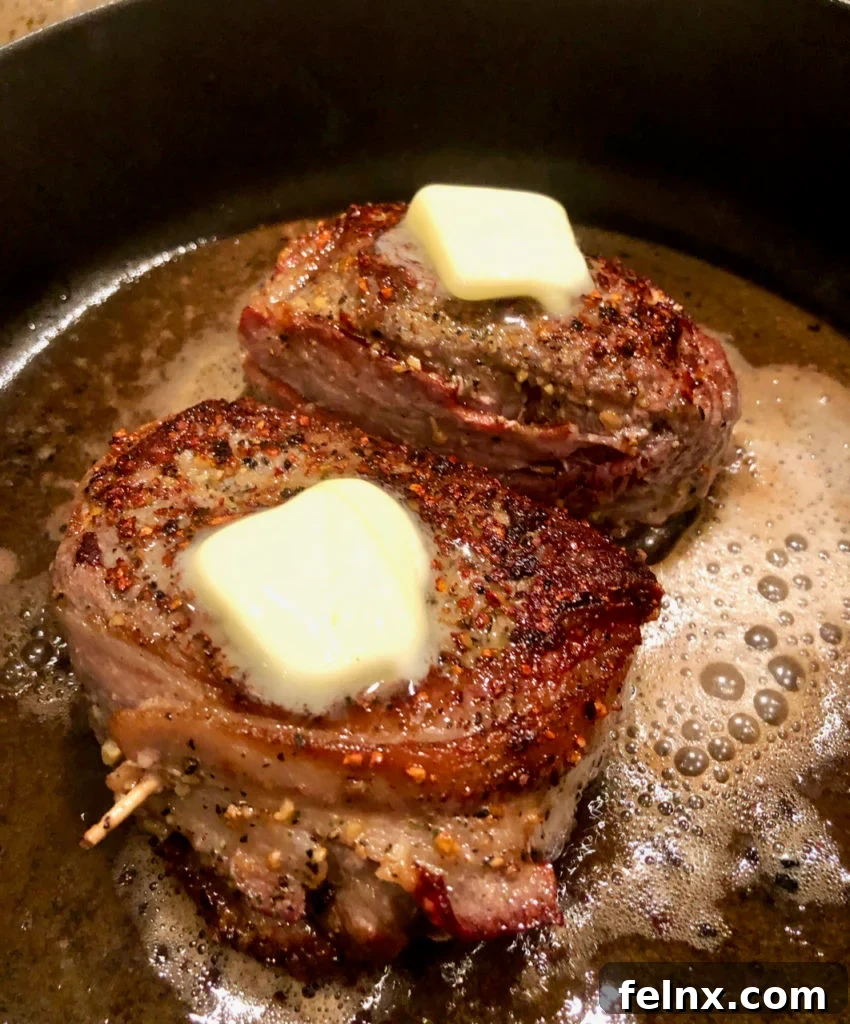
Flip the steaks over to sear the other side for an additional two minutes. This is the perfect time to add a fresh pat of butter on top of each steak. As the butter melts, it will mix with the juices and create a delicious basting liquid.
6. Finish in the Oven
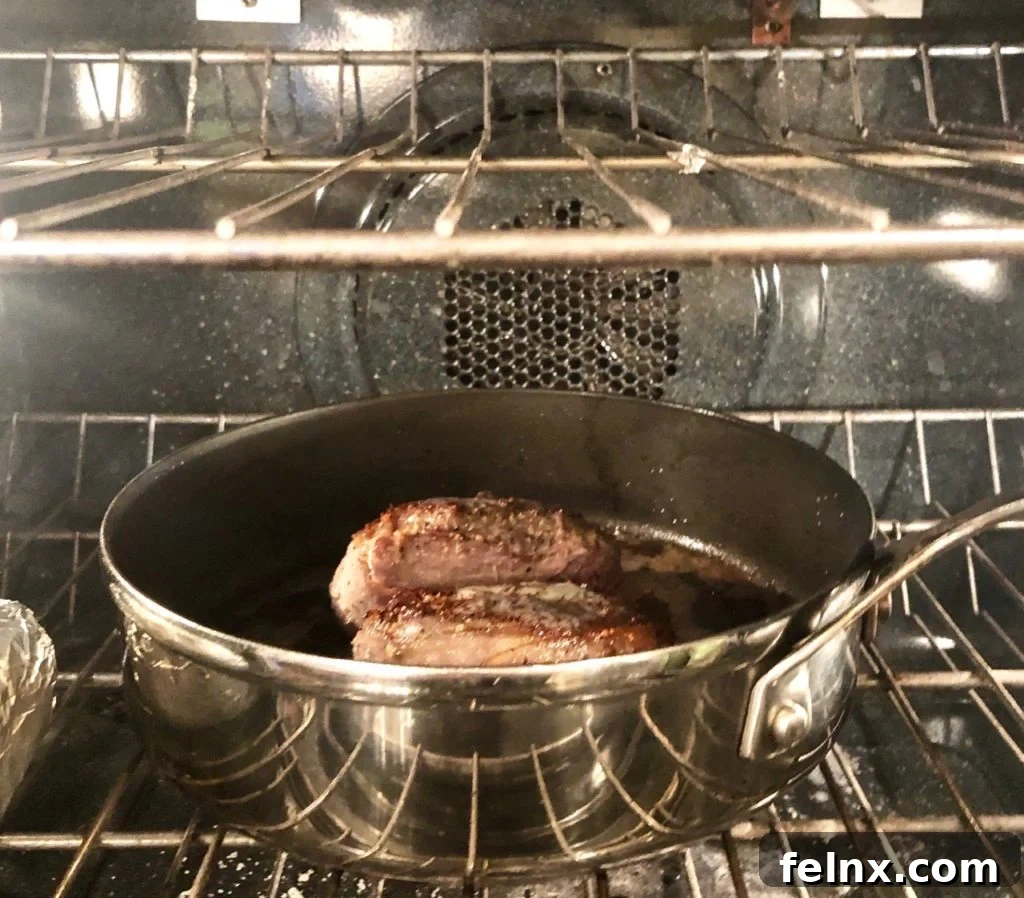
Transfer the entire skillet (if oven-safe) directly into the preheated oven. Finishing the steak in the oven provides a more gentle, surround-heat environment that cooks the interior of the meat evenly without burning the exterior.
Determining Doneness
The most reliable way to know when your steak is ready is to use an instant-read thermometer. Relying on time alone can be risky because every stove and oven varies. Here is a quick guide for internal temperatures:
- Rare: Pull at 120°F (49°C) for a final temp of 125°F.
- Medium-Rare: Pull at 130°F (54°C) for a final temp of 135°F.
- Medium: Pull at 140°F (60°C) for a final temp of 145°F.
If you do not have a thermometer, a general rule of thumb for a 2-inch steak in a 425°F oven is approximately 5 minutes for rare and 7-8 minutes for medium-rare.
The Most Important Step: The Rest
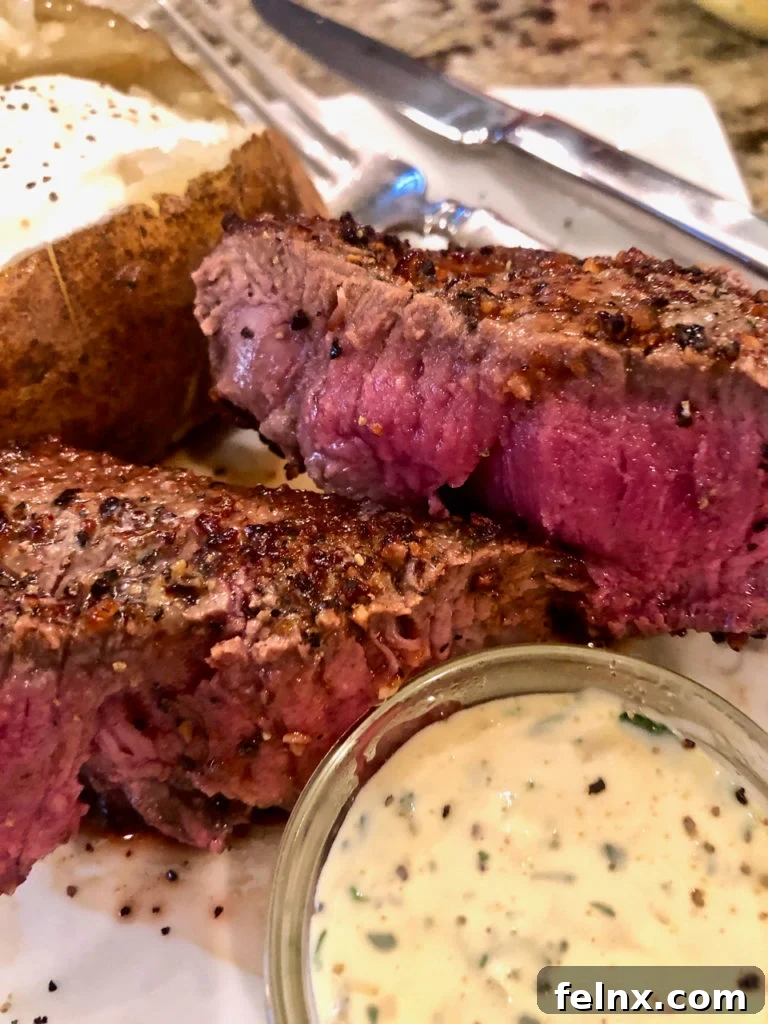
Once you remove the steak from the oven, your work isn’t quite done. You must allow the steak to rest for at least 5 to 10 minutes before slicing. During cooking, the muscle fibers in the meat contract and push the juices toward the center. If you cut the steak immediately, all those flavorful juices will run out onto your plate, leaving the meat dry. Resting allows the fibers to relax and the juices to redistribute throughout the steak, ensuring every bite is succulent.
Pro Tips for Steak Success
- Don’t crowd the pan: If you are cooking multiple steaks, make sure they have plenty of space between them. If the pan is too crowded, the temperature will drop, and the steaks will steam instead of sear.
- Use high-quality butter: Since the butter becomes part of the sauce, use a high-quality European-style butter for better flavor.
- Add aromatics: For an extra layer of flavor, toss a few cloves of smashed garlic and a sprig of fresh rosemary or thyme into the pan during the last few minutes of searing.
- The Sauce: While a great steak stands on its own, a homemade Béarnaise sauce or a simple red wine reduction can take the meal to the next level.
Conclusion
Cooking the perfect steak doesn’t require a professional kitchen or years of culinary training. By focusing on the quality of your ingredients, using the right tools, and following the pan-sear-to-oven method, you can achieve results that rival the best restaurants in the country. This technique is reliable, fast, and yields incredibly delicious results every time. Whether you’re celebrating a milestone or just want to enjoy a high-quality meal at home, this method will quickly become your go-to for steak night.
Give this method a try tonight and see the difference for yourself. Happy cooking!