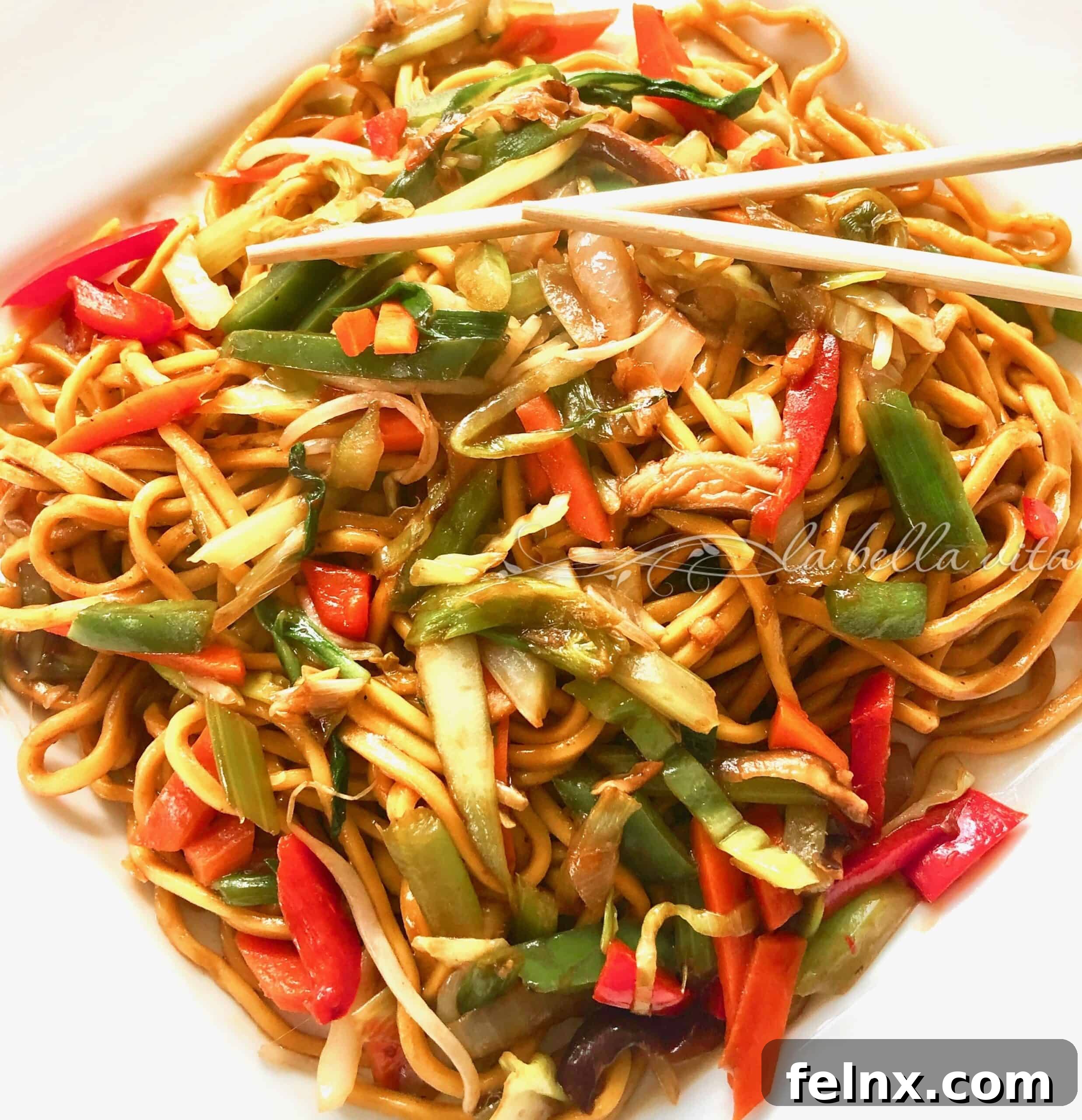
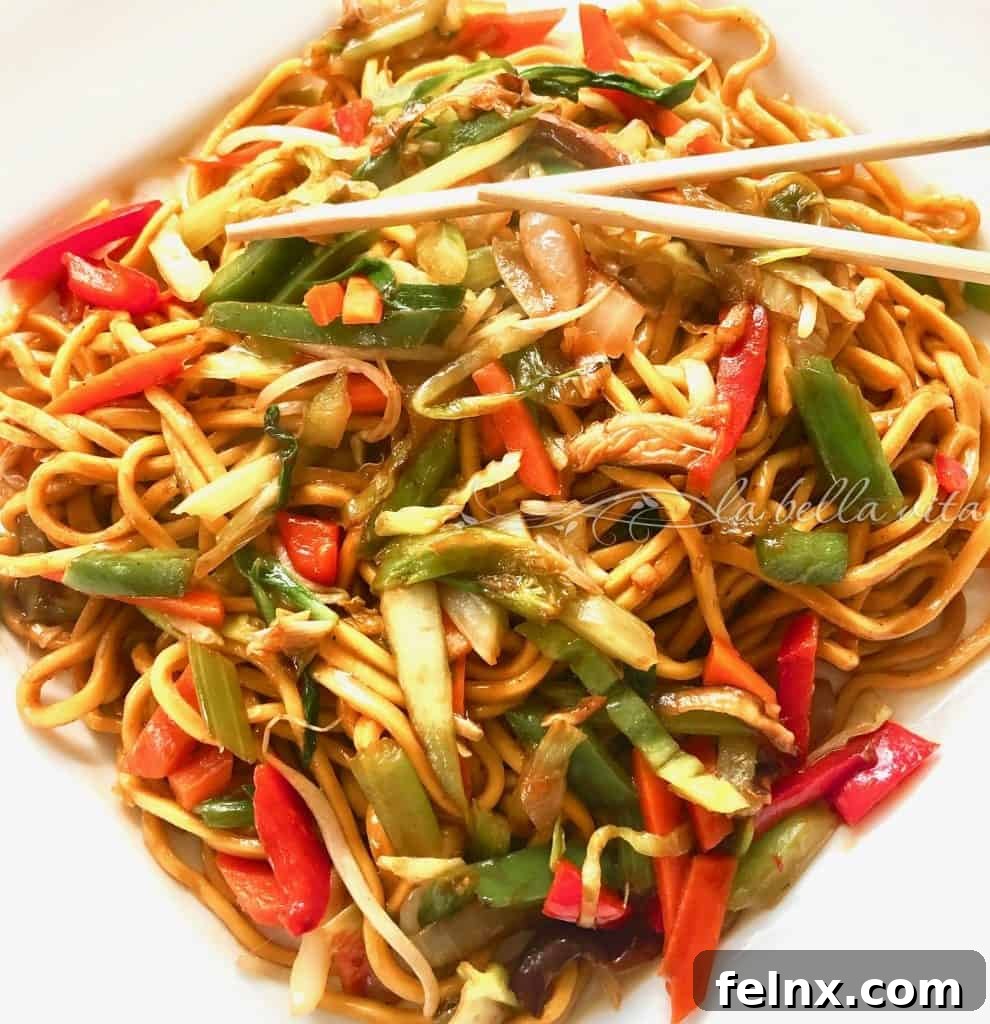
Authentic Chinese Lo Mein: The Ultimate Guide to Perfect Asian Noodles at Home
Pasta is a universal language, but it certainly isn’t exclusive to Italian kitchens. While many of us grew up loving spaghetti and linguine, the world of Asian noodles offers a completely different, yet equally comforting experience. Among the most popular dishes is Chinese Lo Mein—a savory, sauce-drenched noodle dish that is often referred to as the “Chinese pasta.” It is a staple in Chinese, Japanese, Thai, and Korean cuisines, each bringing its own unique flair to the table.
Many home cooks feel intimidated by Asian recipes, often choosing to order takeout rather than firing up their own stoves. However, once you understand the basic techniques of stir-frying and the importance of specific ingredients, you will realize that making a restaurant-quality Lo Mein at home is surprisingly simple, faster than delivery, and much healthier.
Celebrating Tradition with Bold Flavors
In Chinese culture, noodles represent longevity and prosperity. This makes them a mandatory addition to festive celebrations, especially during the Chinese New Year. Whether it is the Year of the Rabbit or any other zodiac sign, the goal in the kitchen remains the same: creating dishes with strong, bold, and harmonious flavors. Preparing Lo Mein is more than just a quick dinner; it is a way to embrace a rich culinary heritage using a wok and fresh vegetables.

The Secret to Success: Finding Authentic Ingredients
The biggest hurdle for most people when cooking Asian food is sourcing the right ingredients. To get that authentic “takeout” taste, you cannot simply substitute everything with standard grocery store items. For instance, while you can use Italian linguine in a pinch, nothing beats the texture of real lo mein noodles.
If you want to elevate your dish, the best tip is to skip the general supermarket and head straight to a local Asian market. These specialty stores are treasure troves for ingredients like mushroom dark soy sauce and thick oyster sauce. Dark soy sauce is crucial because it provides that deep, mahogany color and a rich, earthy umami flavor that regular soy sauce lacks. Additionally, many Asian markets carry frozen lo mein noodles. These are often superior to the dried varieties because they retain a better “bite” or “chew” after being tossed in a hot wok.
Mastering the Wok: Essential Cooking Tips
Stir-frying is a high-speed cooking method. Once the heat is on, things move incredibly fast. This is why the concept of “mise en place”—having everything cut and ready—is non-negotiable. If you are chopping carrots while your garlic is already in the pan, you are likely to burn your aromatics.
A wok is the ideal tool for this job. Its sloping sides allow you to push cooked ingredients away from the intense heat at the bottom, preventing overcooking while you add new items. If you don’t own a wok, a large, heavy cast-iron skillet is the next best thing. The key is maintaining a very high temperature to ensure your vegetables stay crisp and your noodles get that slightly seared flavor known as “wok hei.”
Step-by-Step Preparation
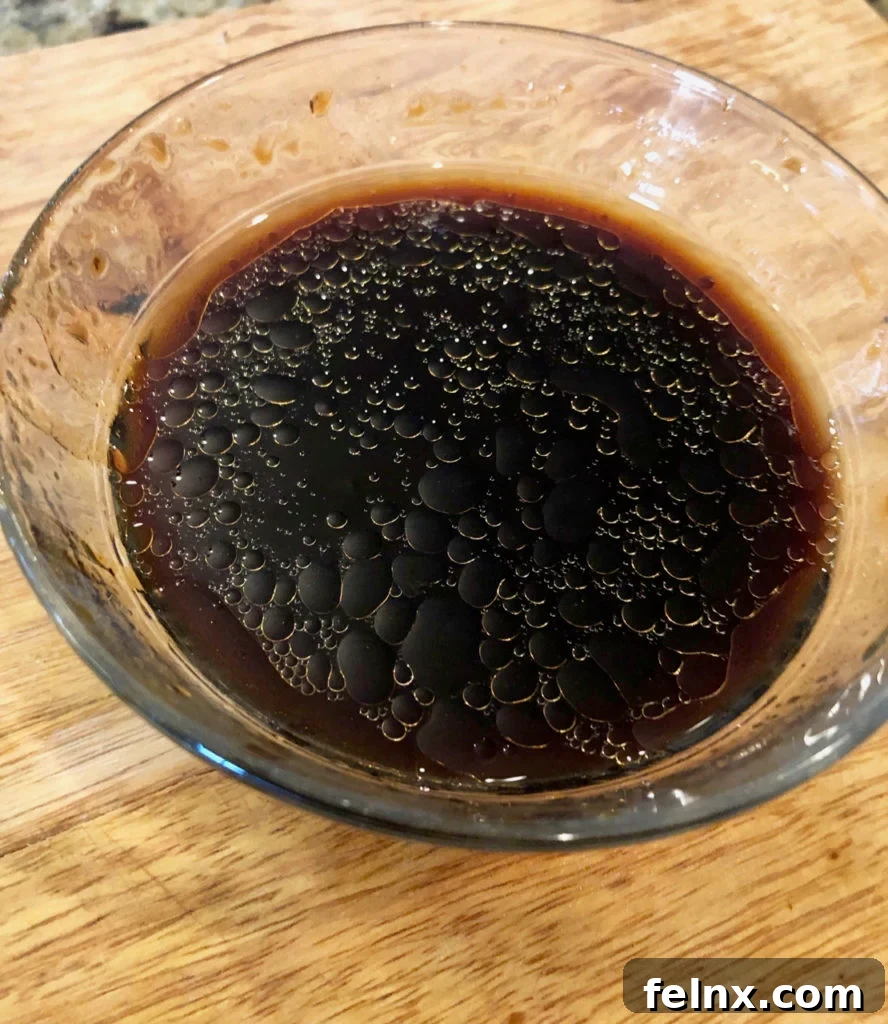
Start by preparing your sauce. Mixing your soy sauces, hoisin, and sesame oil in a small bowl beforehand ensures an even distribution of flavor. Next, handle your noodles. Frozen noodles often only need a few minutes in boiling water. A pro tip is to shock them in ice water immediately after boiling. This stops the cooking process and prevents them from becoming a gummy mess when they eventually hit the wok.
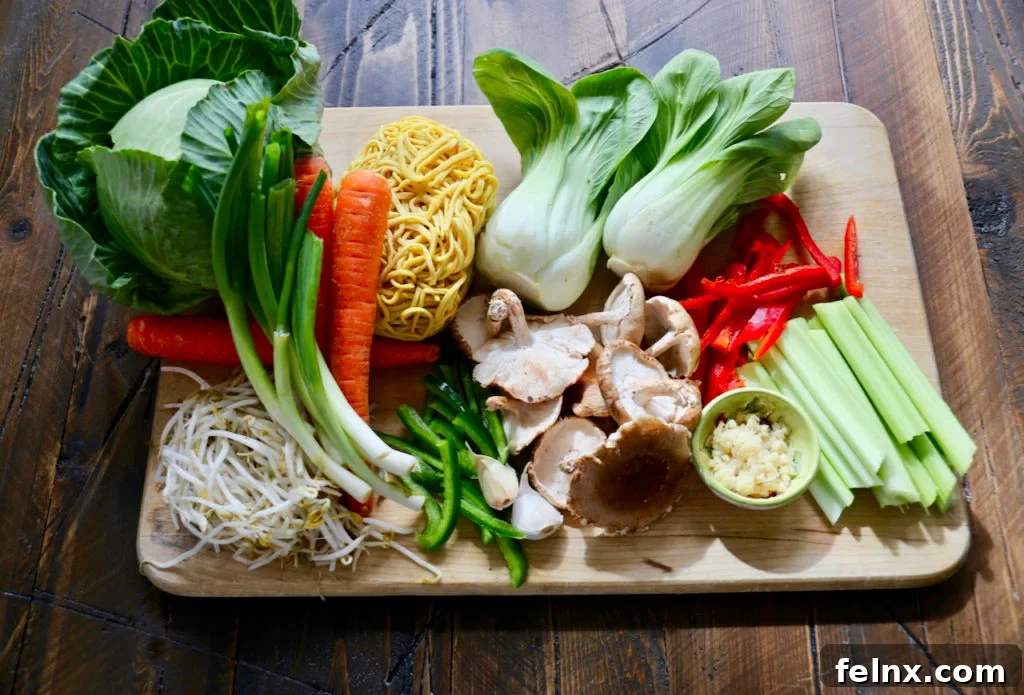
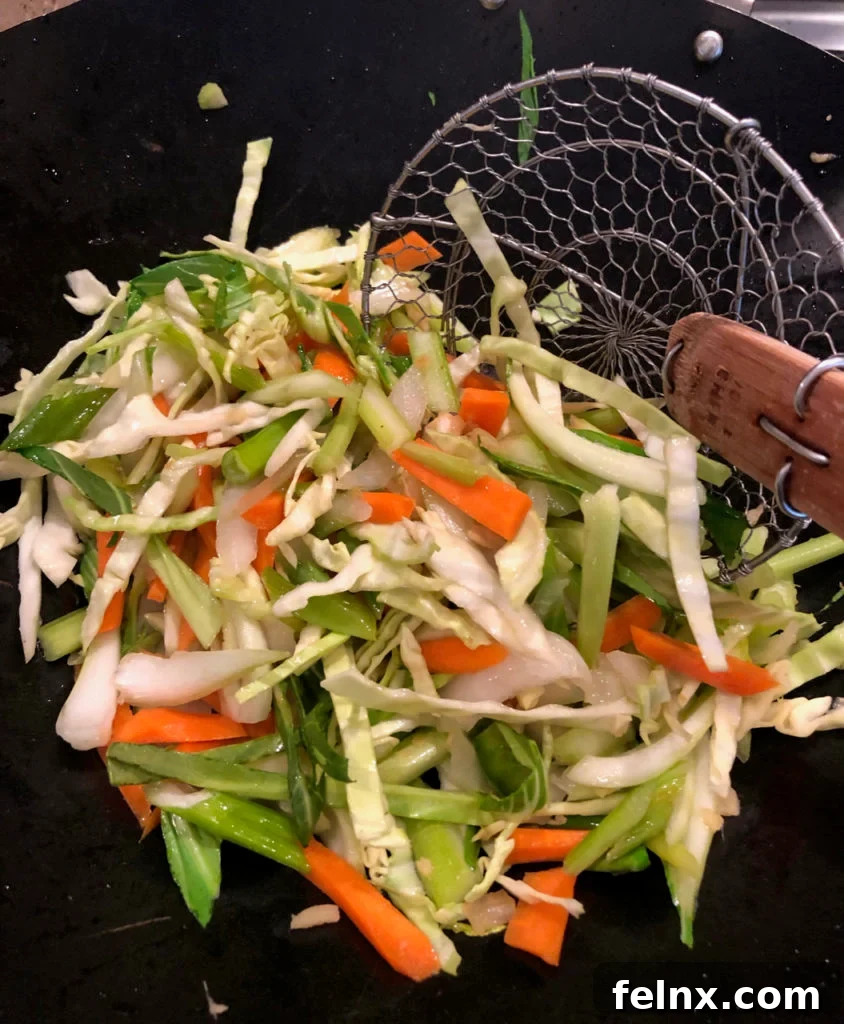
When you are ready to cook, start with your aromatics: garlic, ginger, and onions. Use a lower heat initially so they infuse the oil without burning. Once they are fragrant, crank up the heat and add your “hard” vegetables like carrots and celery. Follow this with leafy greens like bok choy and cabbage. The goal is a vibrant, colorful mixture that provides a variety of textures in every bite.
Professional Stir-Frying Guidelines
- Prep Everything Early: Slice, dice, and measure all ingredients before you turn on the burner.
- Consistent Slicing: Julienne your vegetables (cut them into matchsticks) so they cook at the same rate and entwine perfectly with the noodles.
- Don’t Crowd the Pan: If you add too many cold vegetables at once, the temperature of the wok will drop, causing the food to steam rather than fry. Cook in batches if necessary.
- The Order Matters: Always start with aromatics, move to dense vegetables, then add quick-cooking greens and sprouts last.
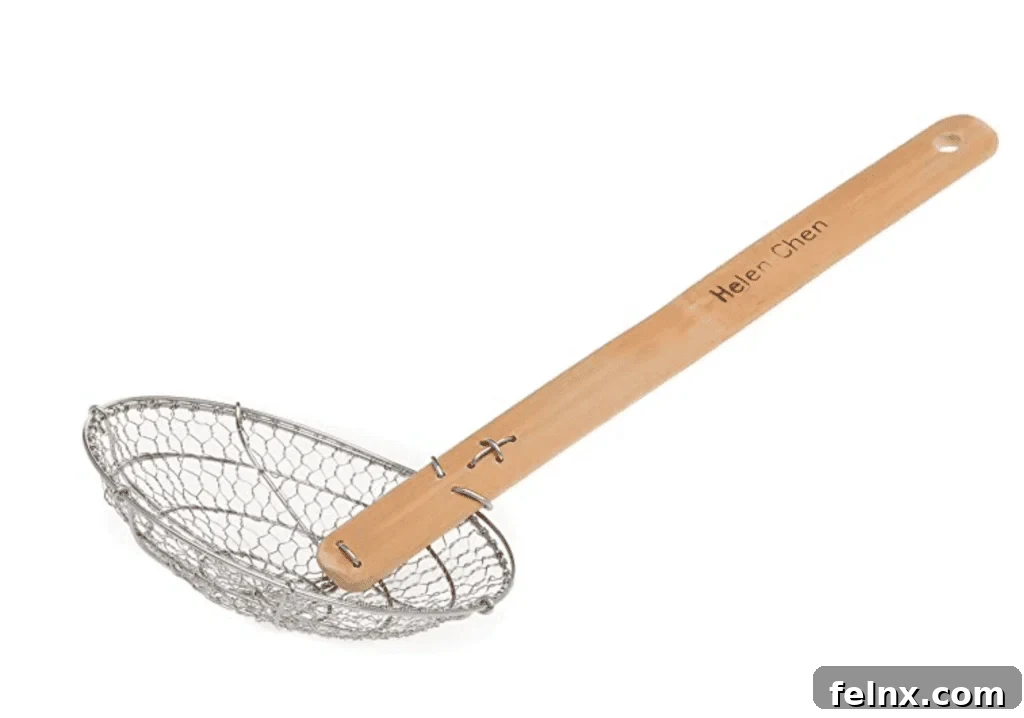
- Noodle Management: Use a spider ladle to move noodles easily. Cutting long lo mein noodles in half can also make the dish much easier to toss and serve.
Recommended Kitchen Tools
While you can make do with standard pots, certain tools make the process of cooking Asian cuisine much more enjoyable. A spider ladle is indispensable for straining noodles and lifting fried foods. It allows water or oil to drain away instantly. Of course, a high-quality carbon steel or cast-iron wok is the centerpiece of this cooking style. The unique shape of the wok is designed specifically for the “toss and stir” motion that defines Lo Mein.
Classic Vegetable Lo Mein Recipe
Ingredients
- 16 oz. Chinese Lo Mein noodles (or Italian linguine)
- 2-3 Tbsp. Sesame oil (for frying)
- 2 tsp. Fresh ginger, minced
- 2 tsp. Fresh garlic, minced
- 1/2 cup Carrots, julienned
- 1/2 cup Celery, julienned
- 1 cup Cabbage, shredded
- 1 cup Bok choy, sliced
- 1/2 cup Green onions, sliced into long strips
- 1/2 cup Red and green bell peppers, julienned
- 1 cup Shiitake mushrooms, sliced
- 1 cup Fresh bean sprouts
- 3 Tbsp. Soy sauce
- 1 Tbsp. Hoisin sauce
- 1 Tbsp. Mushroom dark soy sauce
- 1 Tbsp. Oyster sauce
- 1 Tbsp. Extra sesame oil (for the sauce)
Instructions
- Preparation: Chop all vegetables into uniform matchstick sizes. In a small bowl, whisk together the soy sauces, hoisin, oyster sauce, and 1 tablespoon of sesame oil.
- Noodle Prep: Boil the lo mein noodles for approximately 4 minutes (check package for specific times). Drain and immediately plunge into a bowl of ice water to stop the cooking and prevent sticking.
- Heat the Wok: Place your wok or large skillet over medium-high heat. Add the sesame oil.
- Sauté Aromatics: Add the garlic, ginger, and both types of onions. Stir-fry for 1-2 minutes until the kitchen smells amazing.
- Hard Vegetables: Toss in the carrots, celery, cabbage, and bok choy. Stir-fry for 3 minutes until they start to soften but still have a crunch.
- Soft Vegetables: Add the bell peppers and mushrooms. Continue tossing for another 2-3 minutes.
- Combine: Add the bean sprouts and the drained noodles to the wok. Use tongs or a spider ladle to gently toss everything together.
- The Sauce: Pour the prepared sauce over the mixture. Toss thoroughly for 2 minutes until every noodle is coated and the dish is steaming hot.
- Serve: Garnish with extra green onions or sesame seeds if desired. Serve immediately while fresh.
Explore More Asian-Inspired Dishes
If you enjoyed this Lo Mein, you will love these other vibrant recipes:
Refreshing Thai Cucumber Salad
Zesty Grilled Thai Chicken
Sesame Encrusted Ahi Tuna
Making restaurant-quality Asian food at home is a journey of flavors. Don’t be afraid to experiment with different proteins like shrimp, chicken, or tofu to make this Lo Mein your own!