Southern New Year’s Traditions: 5 Lucky Foods for a Prosperous Year

Every culture across the globe celebrates the transition into a new year with unique rituals, ceremonies, and, most importantly, specific culinary traditions. These customs are often rooted in history, folklore, and the universal human desire for health, wealth, and happiness. In the American South, these traditions are taken very seriously, especially when it involves the New Year’s Day menu.
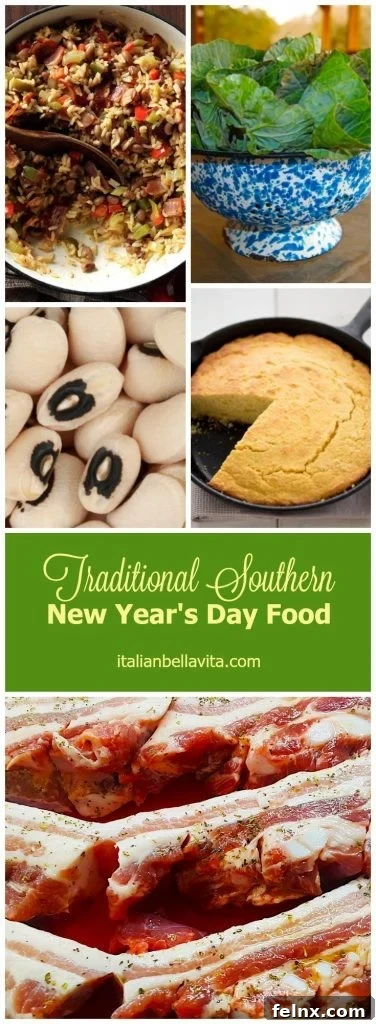
Since making the American South my home in 1996, I have become deeply immersed in the local culture. One of the most fascinating aspects I discovered was the “mandatory” list of foods that must grace the table on January 1st. It isn’t just about a tasty meal; it is about setting the tone for the next twelve months. There are five essential foods that Southerners serve to family and friends to ensure they ring in the year with good luck, financial fortune, and longevity. If you are curious about how to bring a little extra “good juju” into your life this year, let me introduce you to the staples of a Southern New Year.
The Symbolism of Black-Eyed Peas
A Penny for Your Thoughts, a Pea for Your Luck
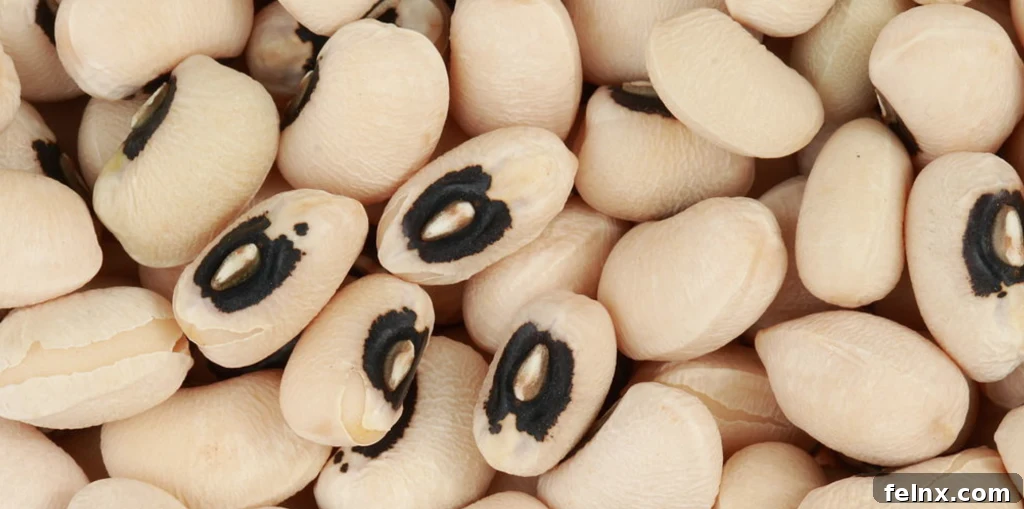
Perhaps the most famous of all Southern New Year’s traditions is the consumption of black-eyed peas. These small, cream-colored legumes with a distinctive black spot are more than just a side dish; they are a symbol of luck. The tradition suggests that you should eat exactly 365 black-eyed peas—one for every day of the coming year—to ensure daily blessings. While counting every single pea might seem tedious, the general rule is: the more you eat, the luckier you will be.
In Southern folklore, black-eyed peas represent small change or pennies. Over time, as you accumulate these “pennies,” your wealth grows. This association with prosperity dates back centuries. Some historians suggest that during the American Civil War, black-eyed peas were often the only food left behind by Union soldiers because they were considered animal fodder. Consequently, those who had them survived the winter, making the pea a symbol of resilience and survival.
To boost the luck even further, many families drop a thoroughly cleaned silver coin into the pot while the peas are simmering. When the dish is served, whoever finds the coin in their bowl is predicted to have the most prosperous year of all. Another common practice is placing a penny under each guest’s plate to share the wealth and ensure everyone at the table starts the year on a high note.
Collard Greens: Eating Your Way to Wealth
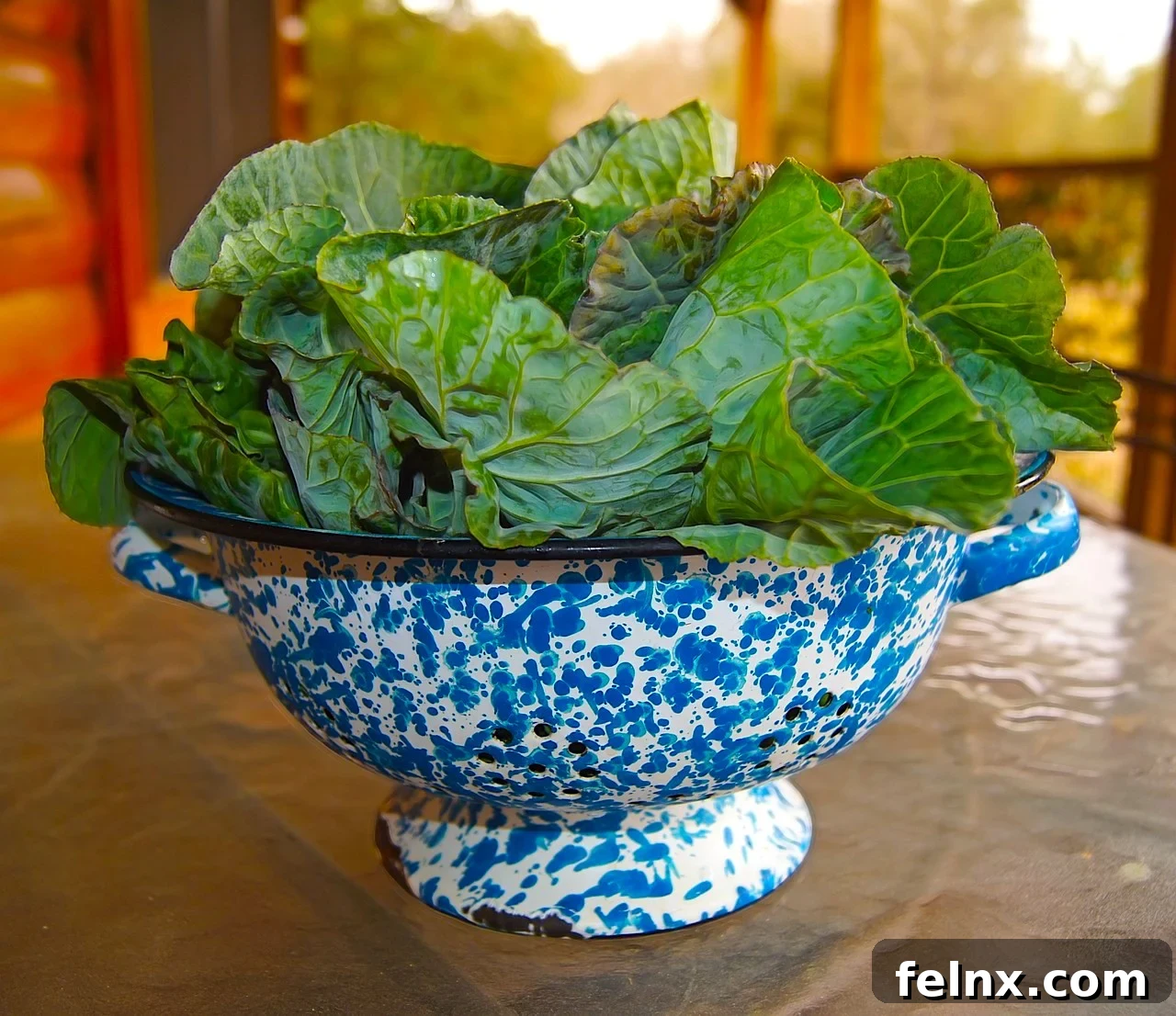
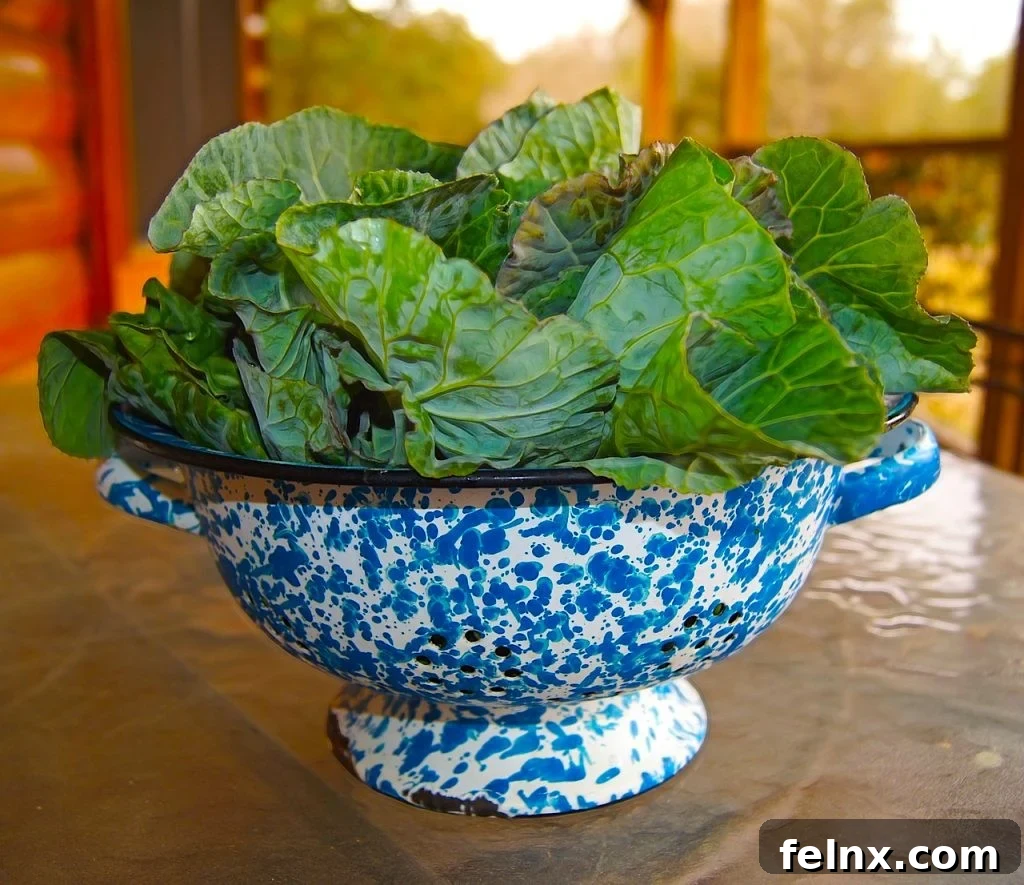
If black-eyed peas represent pennies, then collard greens are the “greenbacks” or paper money. No Southern New Year’s meal is complete without a large helping of leafy greens. The logic is simple: the more greens you eat, the more money you will have in your pocket throughout the year. While collard greens are the traditional choice in states like Georgia, South Carolina, and Alabama, some families use turnip greens, mustard greens, or even kale to achieve the same symbolic effect.
To extract the most flavor (and perhaps the most fortune), these greens are typically slow-cooked for hours. The secret ingredient is almost always some form of pork fat—whether it’s ham hocks, fatback, or bacon drippings. This slow-braising process softens the tough leaves and creates a rich, savory broth known as “pot likker,” which is often soaked up with cornbread.
For those looking for a slightly modern twist, sautéing greens with plenty of garlic is a fantastic alternative. Using the rendered fat from pork chops or even Italian guanciale (cured pork cheek) can elevate the dish while staying true to the tradition of incorporating pork. Whether you prefer them traditional and “soupy” or sautéed and crisp, the goal remains the same: eat your greens to grow your bank account.
Pork, Hog Jowl, and the Concept of Progress
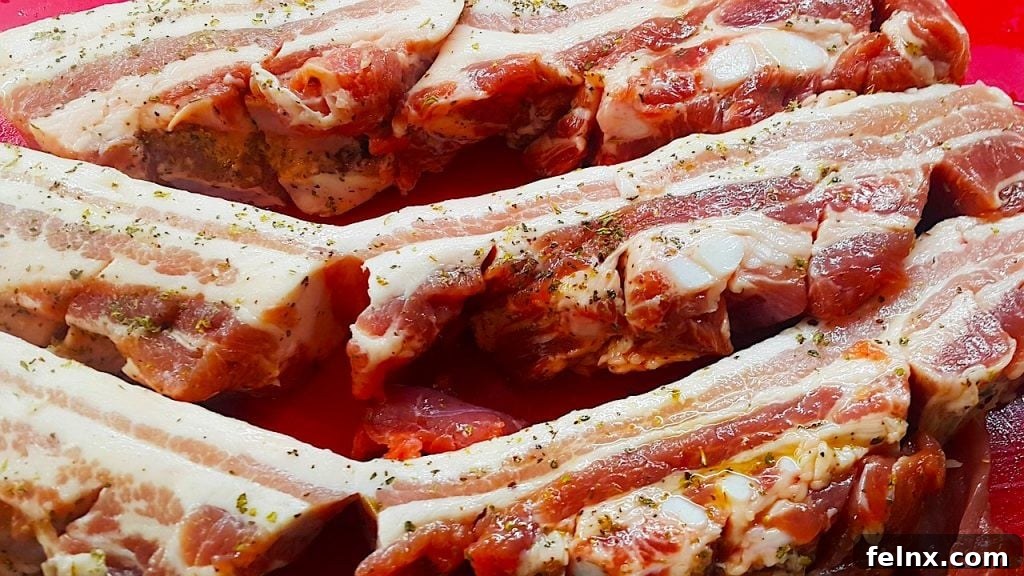
Pork is widely considered the luckiest meat to consume on New Year’s Day. This belief stems from the way a pig behaves. Unlike chickens or turkeys, which scratch the ground and move backward, or cows, which stand still, pigs root forward with their snouts. This “rooting forward” is seen as a symbol of progress, momentum, and moving ahead in life. If you want to move forward in the new year rather than dwelling on the past, pork is the protein for you.
Specifically, hog jowl or pork cheeks are prized in Southern cooking for their intense flavor and high fat content. Because pigs are stout animals, they represent wealth and “living high on the hog.” Dicing up hog jowl and adding it to your black-eyed peas or greens provides a rich, smoky depth that defines the Southern palate. In Italy, this cut is known as guanciale and is used in world-class pasta dishes like Bucatini all’ Amatriciana.
Whether you choose a honey-glazed ham, crispy bacon, savory sausage, or a tender pork loin, the key is to include as much pork as possible. The richness of the meat reflects the richness you hope to achieve in your personal and professional life. It is also believed that eating pork on the first day of the year promotes good health and physical strength for the months ahead.
Cornbread: The Gold Standard of Sides
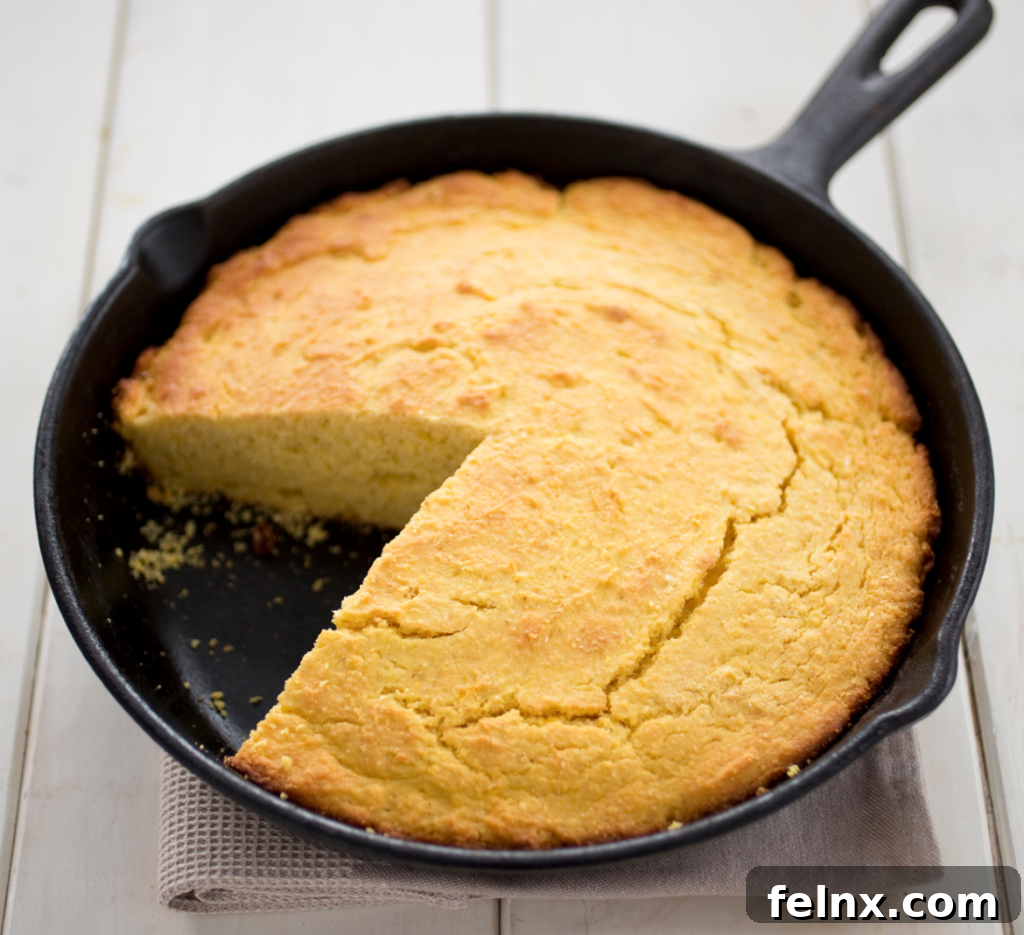
Cornbread is a staple of Southern cuisine year-round, but it takes on a special meaning on January 1st. Its vibrant yellow color is said to represent gold. Therefore, eating cornbread on New Year’s Day is a ritual intended to bring extra spending money and financial stability.
To double down on this symbolism, some cooks add whole corn kernels to the batter. These kernels represent gold nuggets, suggesting that your year will be filled with valuable opportunities and “treasures.” There is a long-standing debate in the South about whether cornbread should be sweet or savory, and whether it should be baked in a cake pan or a cast-iron skillet. For the New Year, most traditionalists agree that a crispy, golden crust—achieved by preheating a cast-iron skillet with plenty of butter or bacon grease—is the best way to represent the “gold” you wish to attract.
Cornbread serves as the perfect vessel for soaking up the juices from the collard greens and peas, ensuring that not a single drop of “luck” is left on the plate. It ties the entire meal together, balancing the saltiness of the pork and the earthiness of the vegetables with its subtle sweetness and crumbly texture.
Hoppin’ John: The Ultimate Luck Mixture
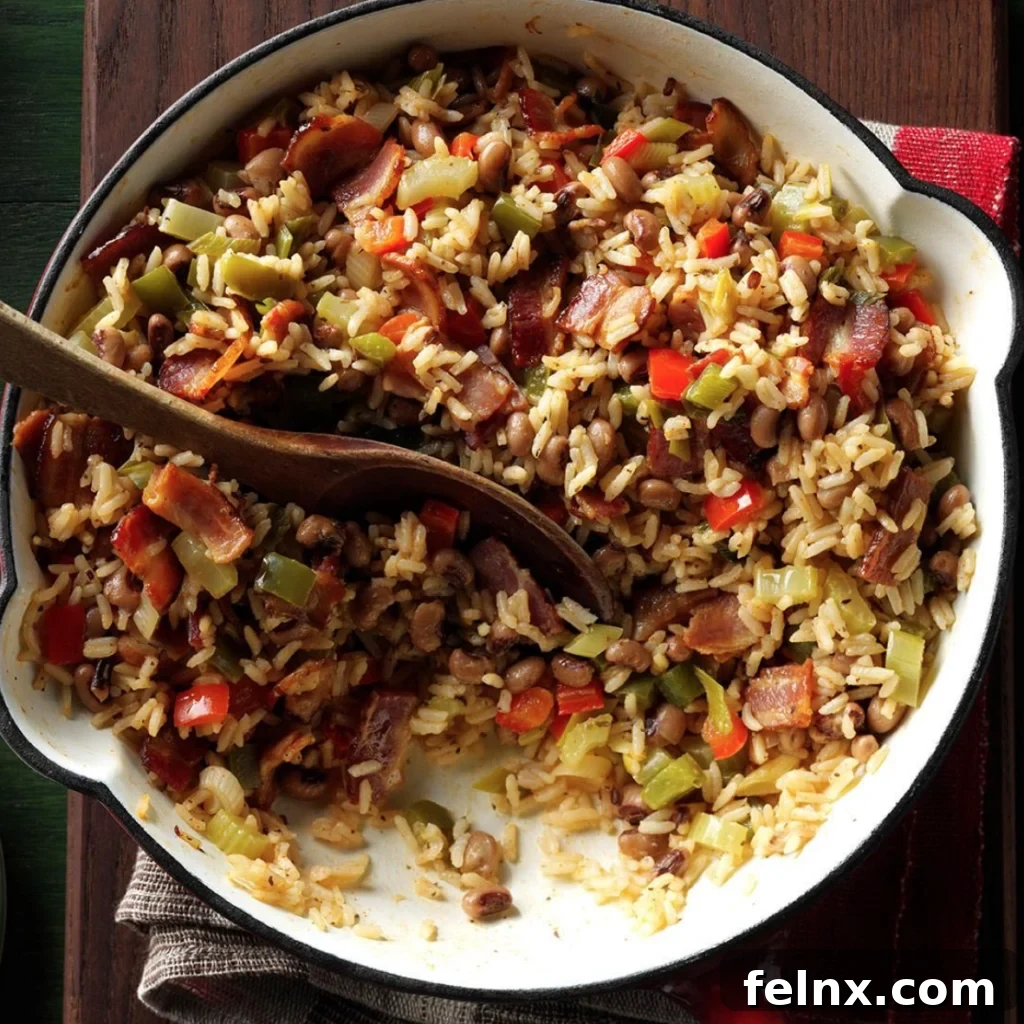
When you combine the luck of black-eyed peas with the prosperity of pork and serve it over a bed of rice, you get “Hoppin’ John.” This dish is particularly famous in the Lowcountry regions of South Carolina and Georgia, especially around Charleston. It is often seasoned with spicy peppers and onions, making it a hearty, warming meal for a chilly January day.
The origins of Hoppin’ John are deeply tied to West African traditions brought to the Americas. Over the centuries, it became a humble yet essential dish that symbolizes the gathering of resources. Eating Hoppin’ John is like consuming a “pot of money.” Some traditions say that if you eat the leftovers the following day, it is called “Skippin’ John,” which shows your frugality and increases your chances of being wealthy in the new year.
The dish typically consists of peas cooked with fatback or a ham hock, mixed with long-grain white rice. It is simple, filling, and carries the weight of generations of Southern history. Serving Hoppin’ John is a way to honor the past while looking forward to a bright and abundant future.
Conclusion: A Table Set for Success
While there are countless other delicious Southern dishes—from fried chicken to sweet potato pie—these five foods are the essential building blocks for a traditional New Year’s celebration. They represent a cultural heritage that values family, history, and the hopeful anticipation of what is to come. Whether you are superstitious or just enjoy a fantastic meal, following these traditions is a wonderful way to connect with the spirit of the South.
As you prepare your own New Year’s feast, remember that the most important ingredient is the company you keep. Sharing these symbolic foods with loved ones strengthens bonds and ensures that everyone starts the year with a full stomach and a hopeful heart. Here is to a healthy, prosperous, and incredibly lucky new year for all of you!
Be sure to check back tomorrow for a special recipe! I will be sharing a fresh and delicious Black-Eyed Pea Salad that is perfect for those who want a lighter way to enjoy their New Year’s luck. I would love to hear about your own family traditions and what you think of these Southern staples!
Thank you for sharing and pinning this guide! Your support means the world to me!