How to Roast and Freeze Red Peppers: A Complete Guide to Preserving Your Harvest
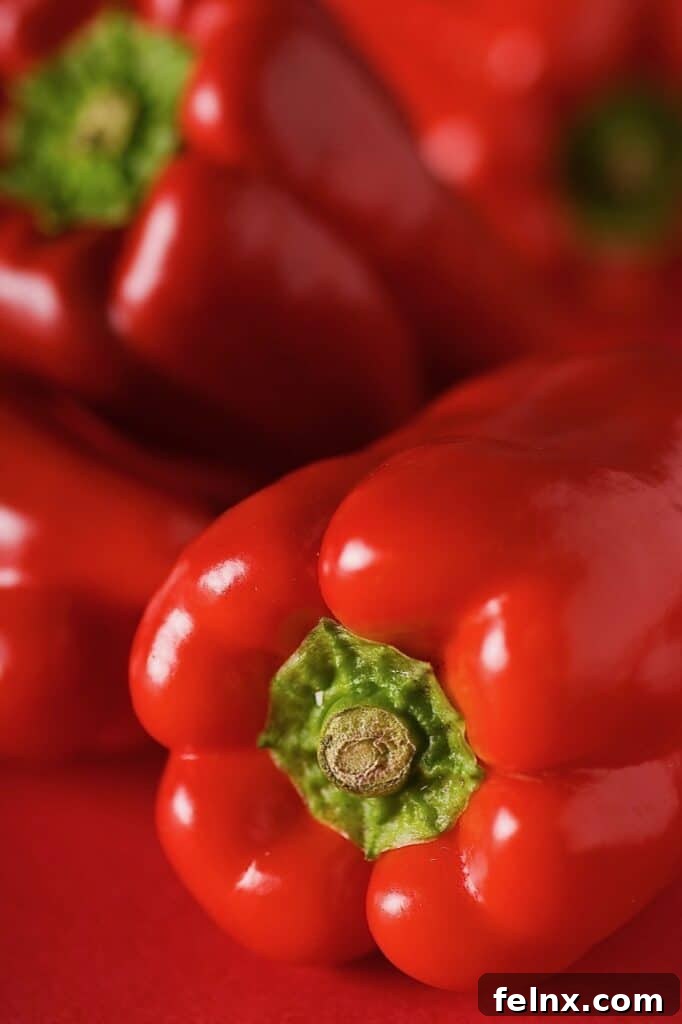
Late summer and early autumn bring a magnificent bounty of peppers to our gardens, local farmers’ markets, and grocery stores. While green peppers have their place, there is something truly special about the sweet, complex flavor of a fully ripened red bell pepper. If you find yourself with an abundance of these ruby-colored beauties, learning how to roast and freeze them is the best way to enjoy that garden-fresh taste all winter long.
Roasting red peppers is a culinary technique that transforms a simple vegetable into a gourmet ingredient. The high heat intensifies their natural sugars, adds a subtle smokiness, and creates a silky, tender texture that raw peppers simply cannot match. While you can buy roasted peppers in jars at the supermarket, they are often expensive and packed in preservatives. By roasting them yourself, you control the quality, save money, and avoid unnecessary additives.
The Simple Joy of Homemade Roasted Peppers
Many home cooks are intimidated by the idea of roasting and peeling peppers, but the process is remarkably straightforward. Whether you use your oven broiler, an outdoor grill, or even a gas stovetop, the goal is the same: char the skin until it blisters and turns black. This “controlled burn” is what allows the skin to slip right off, leaving behind the succulent flesh.
Beyond their incredible taste, red peppers are nutritional powerhouses. They are exceptionally high in Vitamin C—even more so than many citrus fruits—and are rich in antioxidants like beta-carotene. When you preserve them at their peak, you are essentially “locking in” these nutrients to benefit your health during the colder months when fresh produce is less abundant.
Why You Should Roast Your Own Peppers
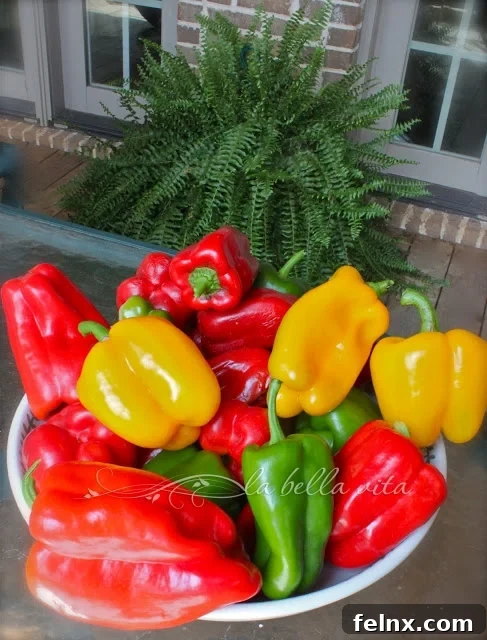
During peak pepper season, prices drop significantly. You might find large crates of bell peppers at the farmers’ market for a fraction of what they cost in the winter. This is the perfect time to stock up. Many home gardeners also find that their pepper plants all produce fruit at the exact same time, leading to a “pepper emergency.” Roasting is the ultimate solution to preventing food waste.
The flavor of a homemade roasted pepper is far superior to anything found in a jar. Commercial varieties are often stored in a heavy brine that can mask the delicate sweetness of the vegetable. When you roast them at home, you can customize the char level and choose your own high-quality olive oil for storage. Plus, there is a certain level of satisfaction that comes from seeing rows of colorful jars or bags in your pantry and freezer, knowing you prepared them with love.
Incredible Ways to Use Roasted Red Peppers
Roasted red peppers are incredibly versatile. They serve as a staple in Mediterranean and Italian cuisines, often appearing on antipasto platters alongside olives, cheeses, and cured meats. However, their use goes far beyond the appetizer tray. Here are some creative ways to incorporate them into your daily meals:
- Salad Enhancer: Chop them into pasta salads, potato salads, or a simple green salad for a pop of color and smoky sweetness.
- Sandwich & Wrap Filler: Layer them onto paninis, turkey sandwiches, or veggie wraps for added moisture and flavor.
- Breakfast Boost: Fold them into frittatas, omelets, or scrambled eggs.
- Pizza Topping: Spread them over pizza dough for a gourmet touch that pairs beautifully with goat cheese or Italian sausage.
- Dips & Spreads: Blend them into hummus, pulse them with walnuts for a traditional Muhammara, or whip them with cream cheese for a savory cracker spread.
- Pasta Sauces: Puree roasted peppers with cream, garlic, and Parmesan to create a vibrant, silky sauce that clings perfectly to noodles.
- Soups: Use them as the base for a creamy roasted red pepper and tomato soup.
The Step-by-Step Roasting Method
While there are several ways to achieve a perfectly roasted pepper, the oven broiler method is the most efficient for processing large batches. It provides consistent heat and allows you to roast multiple peppers at once on a single baking sheet.
1. Preparation
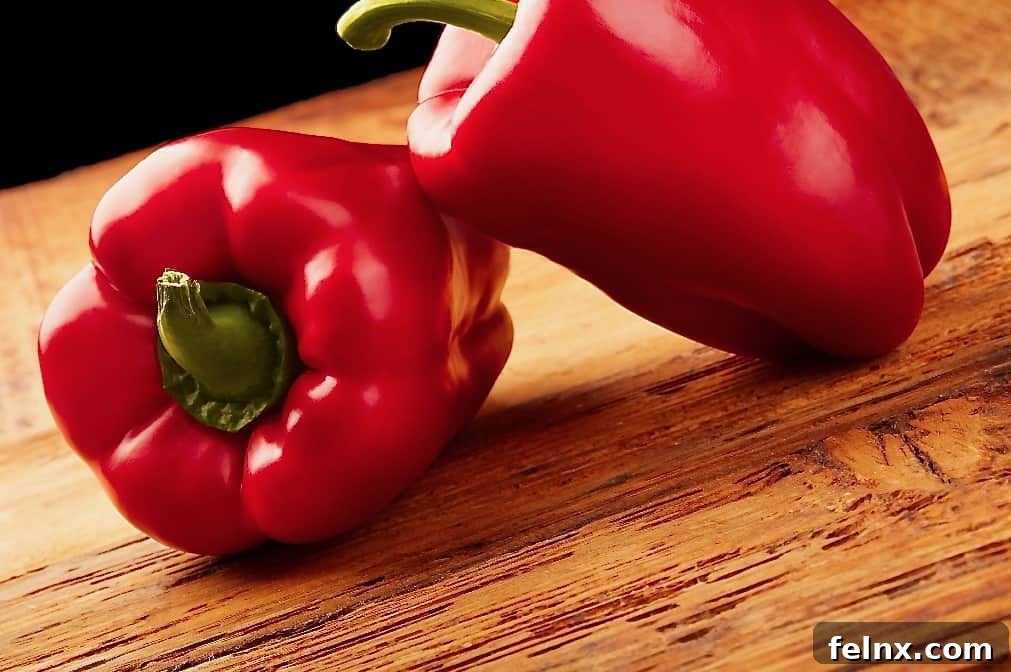
Start by washing your peppers thoroughly. You can roast them whole, but for easier handling later, I recommend cutting them in half vertically and removing the stems, seeds, and internal membranes. Flatten the halves with the palm of your hand so they lie relatively flat on the baking sheet. This ensures the skin chars evenly.
2. The Charring Process
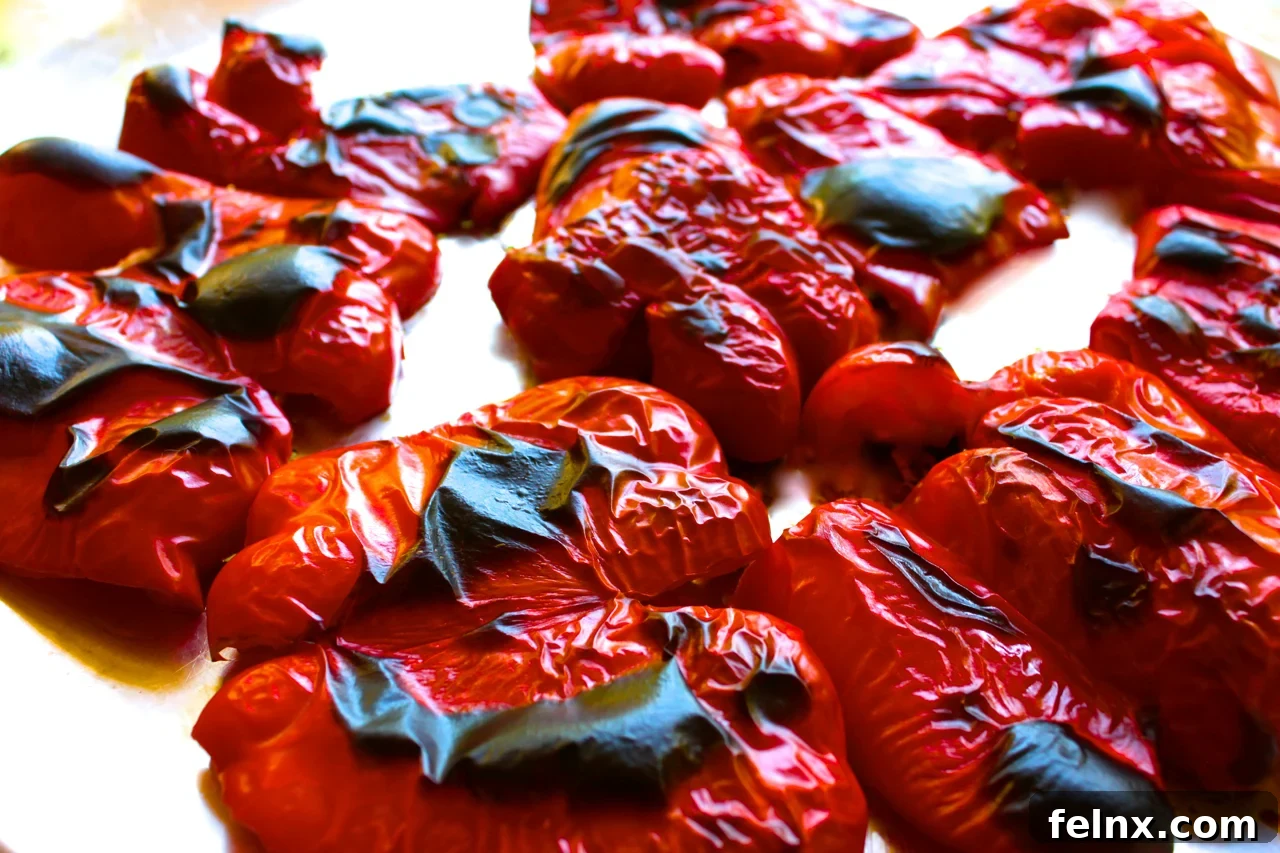
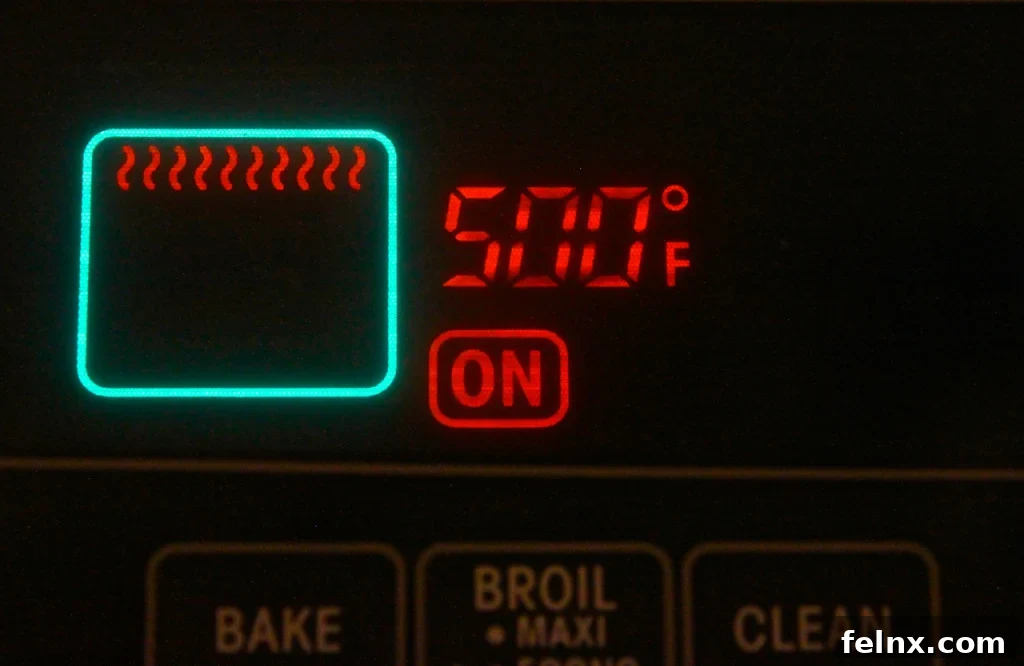
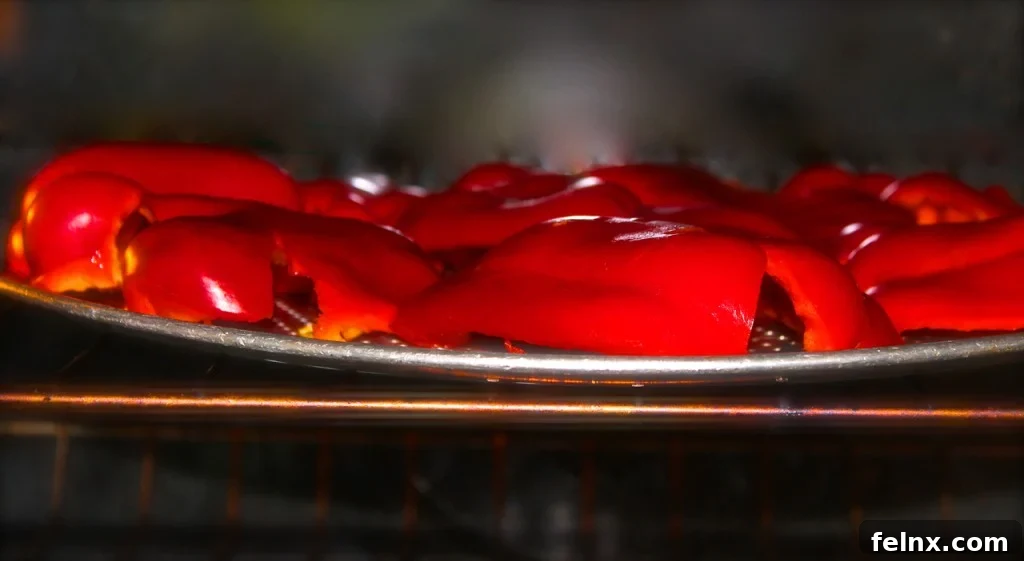
Set your oven to its hottest setting, usually “Broil” (around 500°F or 260°C). Place your oven rack in the top position, about 4 to 6 inches away from the heating element. Arrange the pepper halves skin-side up on a baking sheet. You do not need to oil them at this stage.
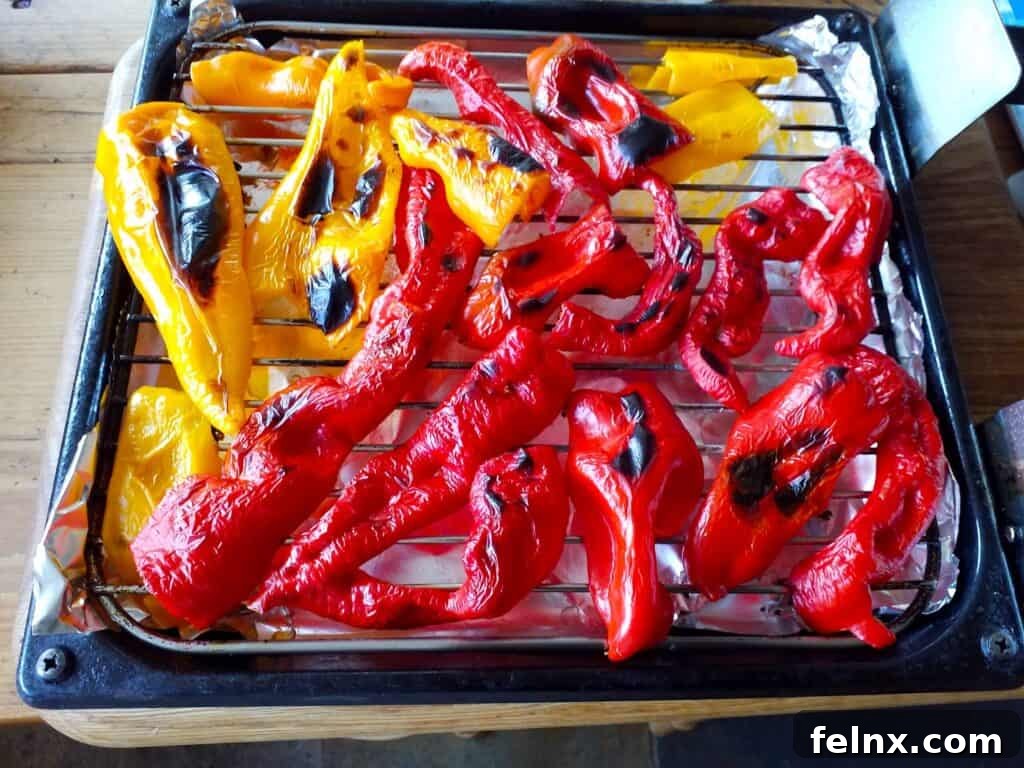
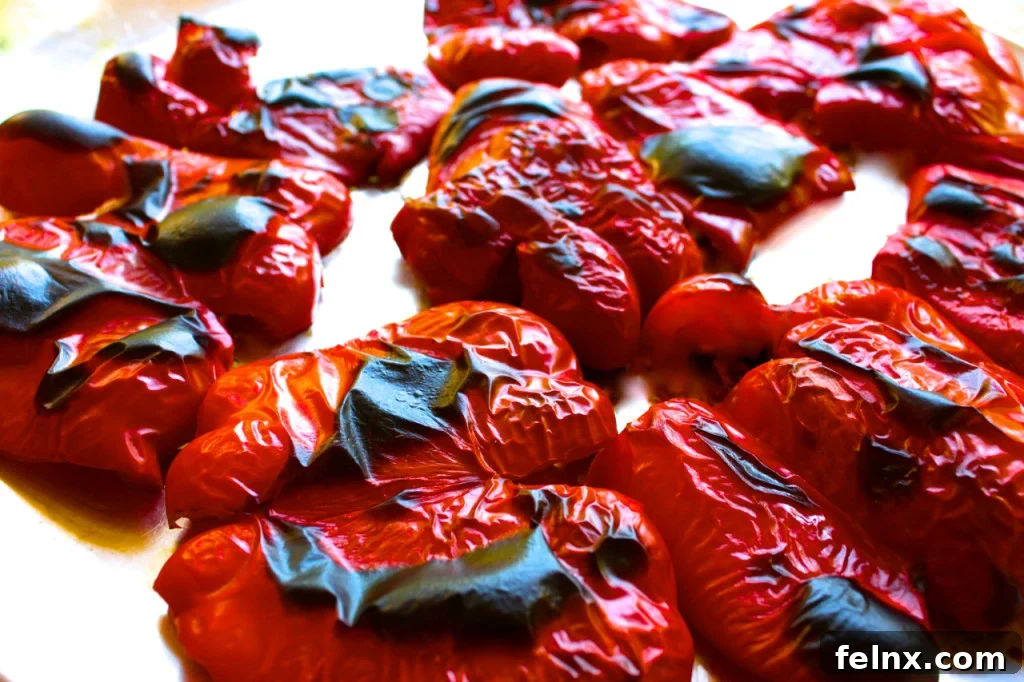
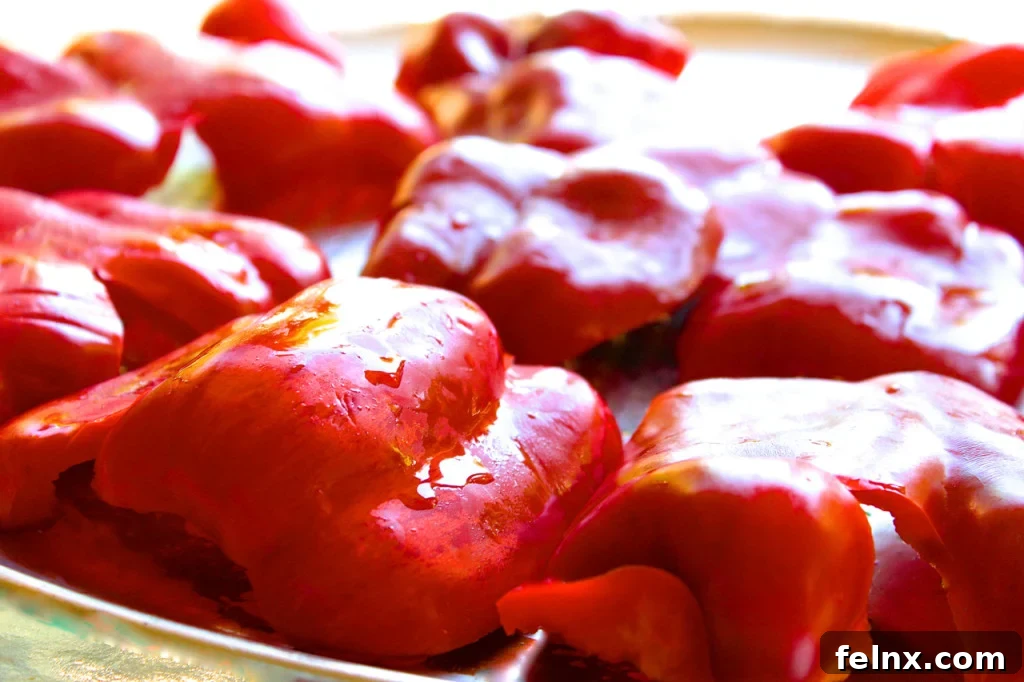
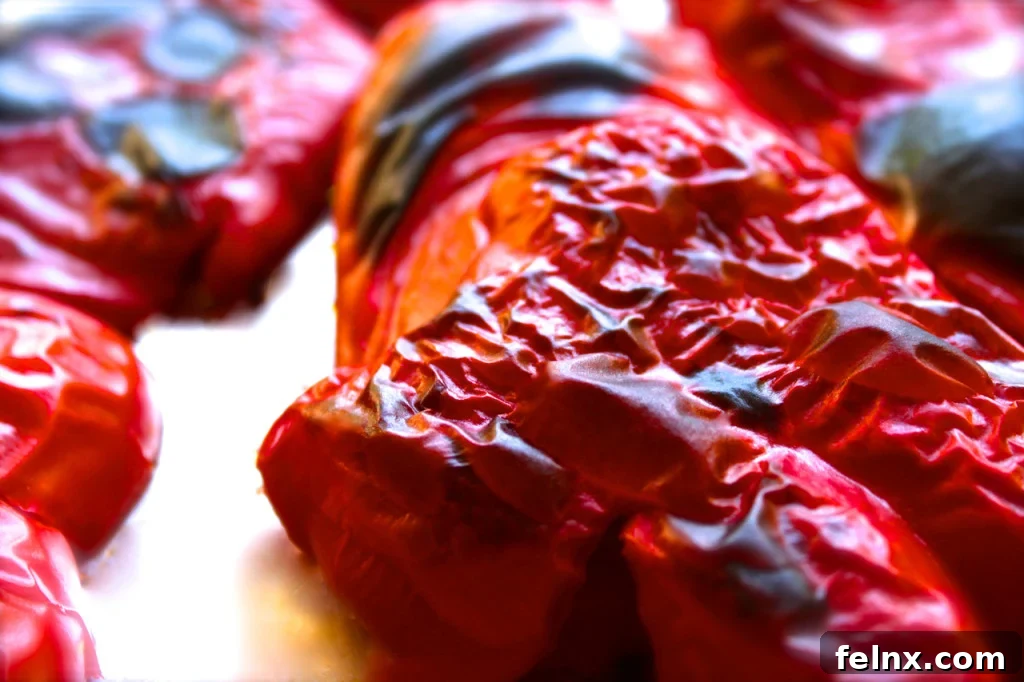
Watch the peppers closely! The charring process usually takes between 5 to 10 minutes, but every oven is different. You want the skin to be mostly blackened and blistered. If some spots are stubborn, you can rotate the pan. Once the skins are sufficiently charred, remove the pan from the oven. If you want a more thoroughly cooked pepper, you can flip them over for a minute or two, but the skin side is the priority.
3. The Steaming Trick
This is the most important step for easy peeling. Immediately after removing the peppers from the oven, transfer them to a bowl and cover it tightly with plastic wrap or a kitchen towel. Alternatively, you can place them in a sealed plastic bag. Let them sit for about 10 minutes. The trapped steam will loosen the bond between the skin and the flesh, making the peeling process effortless.
4. Peeling and Cleaning
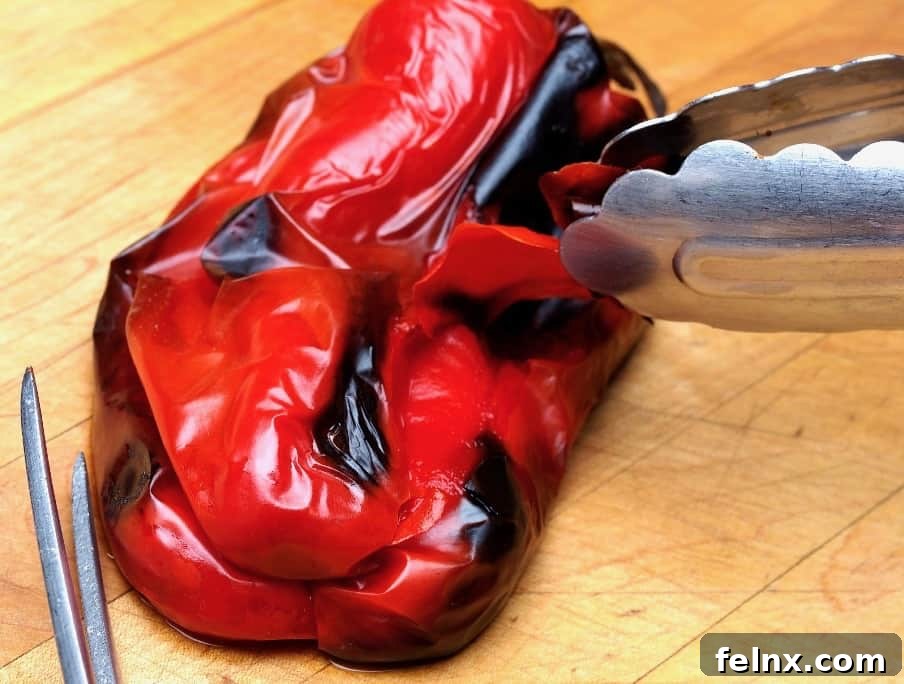
Once the peppers are cool enough to handle, gently pull the blackened skin away. It should slip off in large pieces. Pro tip: Avoid rinsing the peppers under water to remove bits of skin. While it’s tempting, water washes away the flavorful oils and smoky essence you just worked so hard to create. Instead, just use your fingers or a paper towel to wipe away any stubborn bits.
How to Store and Freeze Your Peppers
Now that you have your beautifully roasted peppers, you need to decide how to store them. You have two primary options: short-term refrigeration or long-term freezing.
Refrigerator Storage in Oil
If you plan to use the peppers within a week, place them in a clean glass jar. Cover them completely with high-quality extra-virgin olive oil. You can also add aromatics like sliced garlic, dried oregano, or a few capers. Ensure the peppers are fully submerged to maintain freshness. Keep the jar in the back of the refrigerator where it is coldest.
Freezing for Long-Term Use
Freezing is the most convenient method for large harvests. Roasted peppers freeze exceptionally well and retain their texture for months. To freeze, place two or three pepper halves in small, snack-sized freezer bags. Squeeze out as much air as possible before sealing. By freezing them in small portions, you can thaw only what you need for a specific recipe without disturbing the rest of your stash.
Some people prefer to “flash freeze” the peppers by laying them flat on a parchment-lined baking sheet until solid before transferring them to a larger bag. This prevents them from sticking together, though the individual bag method works just as well for most home cooks.
Expert Tips for Success
To get the best results every time, keep these tips in mind:
- Variety Matters: While red peppers are the sweetest, you can use this same method for yellow, orange, or even poblano peppers.
- Don’t Overcrowd: Give the peppers a little bit of breathing room on the baking sheet so the steam can escape and the skins can char rather than just softening.
- Save the Juices: When peeling the peppers, you might notice some liquid has collected in the bowl or inside the pepper cavity. This “pepper juice” is liquid gold! Add it to your pasta sauce or soup for an extra flavor punch.
- Safety First: If storing in oil in the fridge, remember that these are not shelf-stable. They must be refrigerated and consumed within 7-10 days to ensure safety.
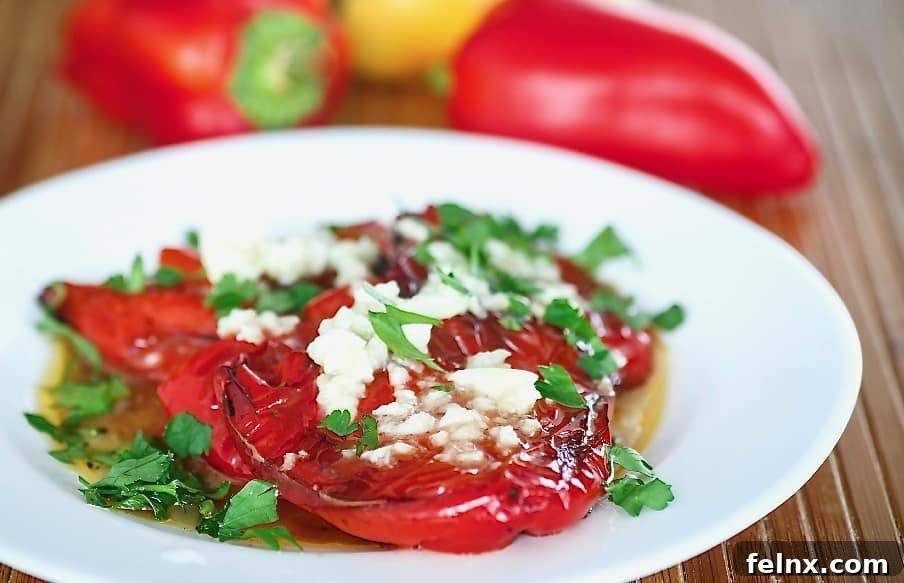
Recipe: Oven-Roasted & Frozen Red Peppers
Ingredients
- Fresh Red Bell Peppers (as many as you wish to preserve)
- Optional: Extra virgin olive oil (for fridge storage)
Instructions
- Preheat your oven to the broil setting or the highest possible temperature.
- Wash peppers and cut them in half. Remove the seeds and stems.
- Place the halves skin-side up on a large baking sheet and flatten them.
- Slide the tray under the broiler and roast for 5–10 minutes until the skin is blackened and blistered.
- Remove the tray and immediately transfer the hot peppers to a bowl. Cover tightly with plastic wrap to steam for 10 minutes.
- Peel away the charred skin and discard it.
- To Freeze: Place 2-3 halves into small freezer-safe zip-top bags. Remove air, seal, and freeze for up to 6 months.
- To Refrigerate: Place in a jar, cover with olive oil, and store for up to one week.
Whether you are an avid gardener or just a fan of fresh, seasonal flavors, roasting your own peppers is a rewarding skill. It connects you to the seasons and provides a delicious, healthy ingredient that makes every meal feel a little more special. Enjoy your harvest!