The Timeless Journey of a Home Cook and a Classic Pork Recipe
My culinary journey began in 1978, a year that marked a significant turning point in my life. It was during this time in St. Louis, Missouri, that a dear friend introduced me to the world of fine dining through the pages of Bon Appetit magazine and a unique mail-order club called The Good Cook. This was more than just a hobby; it was the birth of a lifelong passion for flavors, textures, and the art of hosting. From that very club, I ordered my first real cookbook, unaware that it would be the cornerstone of a collection that would eventually grow to nearly 500 volumes. Over the decades, many of these books have been passed down to my adult children, helping them build their own culinary foundations, but some treasures remain close to my heart.
Among those treasures is a true pillar of culinary literature: The New York Times Cookbook. Written by the legendary Craig Claiborne and originally published in 1961, this book is widely regarded as a masterpiece. Today, an original edition with its dust cover is a sought-after collectible, often valued at around $70.00. Back in 1978, I simply saw it as a guide to better cooking. I had no inkling that it would become one of the most influential books in the gastronomic world. It is within these vintage pages that I discovered the recipe for what I consider the perfect pork tenderloin roast.
Why This Pork Tenderloin Roast is Unmatched
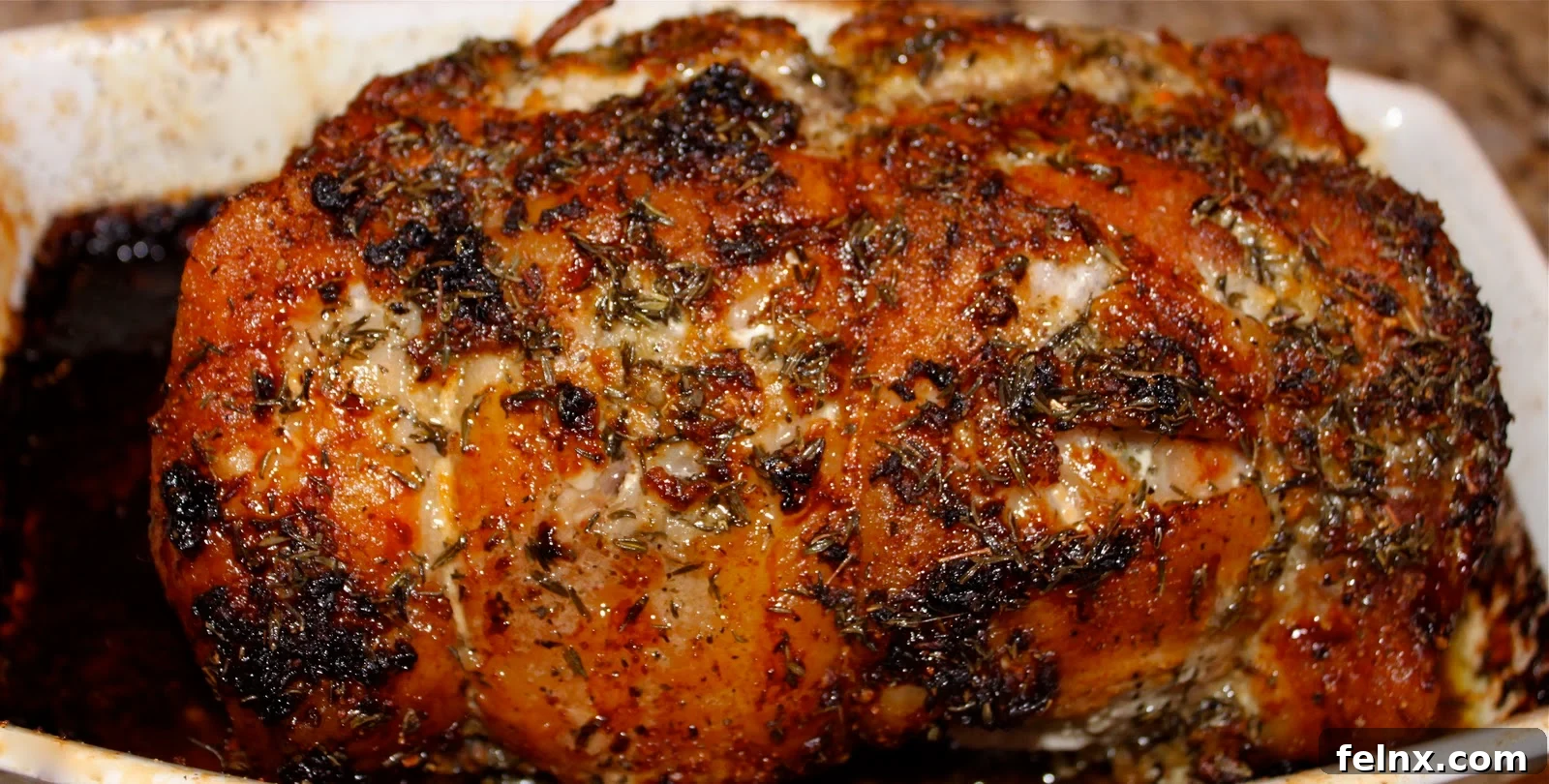
What makes this specific recipe stand out in a sea of modern alternatives? It is the balance of simplicity and bold flavor. The meat is roasted in a vibrant blend of fresh lemon juice, high-quality extra virgin olive oil, pungent garlic, and earthy herbs. As the pork sizzles in the oven, these ingredients meld into a savory sauce that doesn’t just sit on the surface but penetrates deep into the meat. The result is a roast that is incredibly moist, aromatic, and deeply satisfying.
In all my years of cooking, I have never encountered a better method for preparing pork tenderloin. It is approachable enough for a weeknight dinner yet sophisticated enough to serve as the centerpiece for a holiday feast. If you value recipes that deliver maximum flavor with minimal stress, this classic preparation is destined to become a staple in your kitchen.
Preparation Secrets for the Perfect Roast
One of the unique techniques mentioned in this classic approach is how the meat is treated before it even hits the pan. To ensure the marinade truly infuses the pork, you create small gashes or holes on all sides of the tenderloin. This allows the lemon and garlic mixture to move past the exterior, seasoning the meat from the inside out. While modern cooking often focuses on surface rubs, this vintage method ensures every bite is as flavorful as the last.
Another tip I have learned over the years is the importance of the “Au Jus.” The original recipe provides a standard amount of marinade, but I always recommend doubling or even tripling it. Pork tenderloin is a lean cut, and having an abundance of savory, lemony pan juices to drizzle over the sliced meat elevates the entire dining experience. It transforms a simple roast into a restaurant-quality entree.
Ingredients You Will Need
- Pork Tenderloin: One 4-lb roast (or two smaller tenderloins of equal total weight).
- Extra Virgin Olive Oil: 3 tablespoons (increase as needed for extra juice).
- Lemon Juice: 2 tablespoons of freshly squeezed juice for the perfect acidity.
- Thyme: 1 teaspoon of dried thyme (avoid the powdered variety for better texture).
- Garlic: 2 cloves, minced through a garlic press to release the essential oils.
- Seasoning Blend: A generous sprinkle of garlic and herb seasoning, all-purpose salt seasoning, and optional flavor enhancers like MSG-based seasonings (if dietary preferences allow).
Step-by-Step Instructions
1. Prepare the Meat: Start by cleaning the pork tenderloin and patting it dry. Using a sharp knife or a large fork, puncture the meat with deep gashes on all four sides. This is the secret to deep flavor penetration.
2. Apply the Dry Rub: Generously sprinkle your choice of garlic and herb seasonings over the entire surface of the pork. Don’t be afraid to use a heavy hand here; the seasonings will create a beautiful crust as the meat roasts.
3. Mix the Marinade: In a small bowl, whisk together the olive oil, fresh lemon juice, thyme, and minced garlic. If you want more sauce for serving, remember to double these proportions.
4. Dress the Roast: Place the seasoned pork into a baking pan with the fatty side facing up. Pour the liquid mixture over the top, ensuring it seeps into the gashes you created earlier.
5. The Roasting Process: Preheat your oven to 350 degrees Fahrenheit. Roast the pork uncovered. The general rule of thumb is about 45 minutes per pound. For the best results, use a meat thermometer. You are looking for an internal temperature between 170 and 185 degrees for a traditional well-done roast, though many modern cooks prefer pulling it at 145-150 degrees for a slightly pink, juicier center. Let the meat rest for 10 minutes before slicing to allow the juices to redistribute.
The Essential Side Dish: Italian Roasted Potatoes
While this pork roast is a star on its own, it reaches new heights when paired with the right sides. In my home, we always serve this with my mother’s legendary Italian garlic and rosemary roasted potatoes. There is something magical about the way the crispy, herbaceous potatoes soak up the lemony pork juices on the plate.
These potatoes are a tribute to traditional Italian home cooking. They are tossed in olive oil, loaded with fresh rosemary, and roasted until they have a glass-like crunch on the outside while remaining fluffy and tender on the inside. You can find the full recipe for Italian Roasted Potatoes with Rosemary and Garlic to complete your meal.
A Complete Culinary Experience
When you bring this dish to the table, the aroma alone is enough to captivate your guests. The combination of roasted garlic, bright lemon, and woodsy thyme creates an atmosphere of warmth and comfort. I often plate a few slices of the roast alongside the potatoes and a warm, buttery croissant. The croissant is perfect for wiping up any remaining sauce—nothing should go to waste!
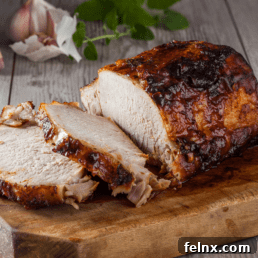
Notice the beautiful bronze glaze on the meat in the images. That color comes from the caramelization of the lemon juice and olive oil as they interact with the pork’s natural fats. It’s a visual testament to the depth of flavor you can expect. This isn’t just a meal; it’s a piece of culinary history that has stood the test of time for over sixty years.
Final Thoughts and Tips
Cooking is about more than just following instructions; it’s about the stories we share and the memories we create around the dinner table. This pork tenderloin roast is a recipe that connects me to the past—to that first cookbook and the early days of my passion for food. Whether you are an experienced chef or a beginner, I encourage you to try this classic. Its simplicity is its strength.
For the best results, always use fresh ingredients. Freshly squeezed lemon juice and freshly minced garlic make a world of difference compared to their pre-packaged counterparts. If you find yourself with leftovers, this pork makes incredible sandwiches the next day. Simply thinly slice the cold roast and serve it on a baguette with a little bit of Dijon mustard and arugula.
Enjoy every bite of this delightful roast, and don’t forget to pair it with those rosemary potatoes for the ultimate Italian-inspired feast. Happy cooking!