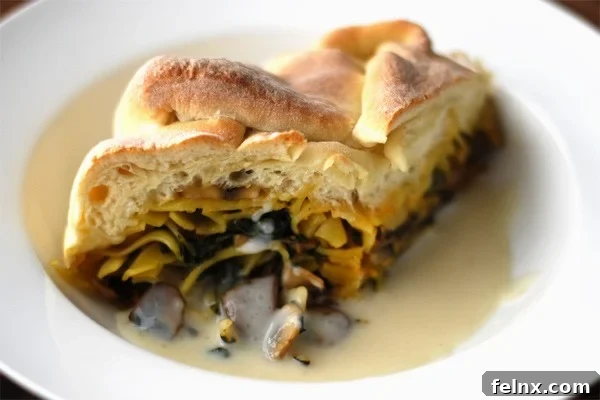
Authentic Italian Tagliatelle Timbale: A Festive Christmas Recipe
Christmas is a season defined by tradition, warmth, and the presentation of special foods made with love for family and friends. When it comes to the festive holiday table, we often look for that one “showstopper” dish—a recipe that not only tastes incredible but also offers a “wow” factor when presented to guests. Today, I am thrilled to share an extraordinary recipe from Paolo, the creative mind behind Quatro Formaggio and Other Disgraces On The Menu. This dish, the Tagliatelle Timbale, is a masterpiece of authentic Italian cuisine that perfectly captures the spirit of a holiday celebration.
I have followed Paolo’s culinary journey for a long time, and his dedication to authentic Italian flavors is truly inspiring. Every recipe he shares is a testament to the rich heritage of Italy. Despite the busy nature of the holiday season, Paolo graciously took the time to prepare this guest post and share his expertise with us. His mission is one that every food lover can appreciate: preserving the true essence of Italian cooking in a world full of misconceptions.
Meet Paolo: A Guardian of Italian Culinary Traditions
Paolo’s journey into the world of food blogging began with a desire to correct the many misconceptions surrounding Italian food in North America. Since moving to Canada from Italy in 2001, he noticed that many dishes labeled as “Italian” were actually far from what you would find in Rome or Florence. Whether it is the mispronunciation of “bruschetta” or the existence of dishes like “pepperoni pizza” (which isn’t a thing in Italy!), Paolo felt a calling to educate and share the reality of his homeland’s kitchen.
Initially, his blog focused on fixing these common errors—explaining that an espresso should never fill an entire mug or that “panini” is already a plural word. Over time, his focus evolved. He began exploring the deep-rooted history of ingredients and the cultural nuances that differentiate Italian dining from the North American experience. His commitment to authenticity even led him to create The Cannolo Award, a recognition for fellow bloggers who strive to keep authentic Italian food traditions alive across the globe.
The History of the Timbale (Pasticcio)
The recipe Paolo has chosen for this special occasion is a classic Italian preparation adapted from the renowned Silver Spoon’s “Pasticcio di Tagliatelle.” In the world of Italian gastronomy, a pasticcio (also known as a timballo) is a sophisticated dish where various ingredients—typically pasta, rice, meats, and rich sauces—are encased in a pastry shell or pie crust and baked to perfection.
The history of the timballo is as rich as its filling. It was invented in the 1700s by noble palace chefs who wanted to surprise their aristocratic guests. From the outside, a timballo looks like a simple, unassuming savory pie. However, once cut, it reveals a luxurious and complex interior. This element of surprise made it a favorite for noble banquets. Today, while it is more accessible, it remains a “special occasion” dish, making it the perfect centerpiece for a Christmas feast.
Ingredients for the Tagliatelle Timbale
This recipe serves 3 to 4 people and combines earthy mushrooms with fresh spinach and silky pasta. Using high-quality ingredients like Parmigiano Reggiano and dried porcini mushrooms is key to achieving that authentic Italian depth of flavor.
- 2 Tbsp (30 g) Unsalted Butter: Used for sautéing and greasing the dish.
- 7 oz (200 g) Pizza Dough: This serves as the outer shell (available at local bakeries).
- Flour: For dusting your workspace.
- 4 oz (120 g) Fresh Spinach: Provides a vibrant color and fresh taste.
- 6 oz (170 g) Cremini Mushrooms: The base of the earthy mushroom filling.
- ½ oz (14 g) Dried Porcini Mushrooms: Essential for an intense, woody aroma.
- ¼ cup White Wine: Use a dry wine to deglaze and add acidity.
- 1 Tbsp (15 ml) Milk: For the creamy filling base.
- 2 Tbsp (30 ml) Heavy Cream: Adds richness to the pasta.
- 4 oz (120 g) Tagliatelle Pasta: Fresh is preferred, but high-quality dried works too.
- 1 Egg: To bind the filling and cheese.
- ¼ cup Parmigiano Reggiano: Freshly grated for the best flavor profile.
- Salt and Pepper: To season every layer of the dish.
Step-by-Step Preparation Guide
Preparing a timballo requires a bit of patience and attention to detail, but the result is well worth the effort. Follow these steps to ensure your pasta stays tender and your crust becomes golden and crisp.
1. Preparing the Filling
- Start by rehydrating the dried porcini mushrooms. Place them in a bowl of cold water for at least 30 minutes. This softens them and creates a flavorful liquid that can be used in other recipes.
- Preheat your oven to 350°F (180°C) and grease an oven-proof baking dish thoroughly with butter.
- In a large skillet, sauté the fresh cremini mushrooms in butter over high heat for about 5 minutes until they are golden brown.
- Add the rehydrated porcini mushrooms to the pan and continue cooking for another 2 minutes over medium heat.
- Pour in the white wine. Allow it to bubble and boil until the liquid has almost entirely evaporated, leaving behind a concentrated flavor.
- In a separate covered pot, cook the fresh spinach with no extra water. The moisture on the leaves is enough to steam them in about 5 minutes. Once cooked, squeeze out all excess water and chop the spinach finely.
- Incorporate the spinach into the mushroom pan. Stir in the milk and heavy cream, then season with salt and pepper to taste.
2. Preparing the Pasta and Assembly
- Boil a large pot of salted water. Cook the tagliatelle for only about 2/3 of the time recommended on the package. The pasta will finish cooking in the oven, so it needs to be very “al dente.”
- Drain the pasta and gently fold it into the mushroom and spinach mixture.
- Roll out the pizza dough on a floured surface until it is approximately 1/8 inch (3 mm) thick.
- Line your greased baking dish with the dough, ensuring there is enough overhang to fold over the top.
- Spoon the pasta and mushroom filling into the dough-lined dish.
- Whisk the egg with the grated Parmigiano Reggiano and pour it evenly over the pasta filling. This acts as a binder.
- Fold the overhanging dough over the filling, sealing it completely.
- Bake for 30 to 40 minutes at 350°F (180°C) until the crust is beautifully browned and crisp.
The Perfect Finishing Touch: Wine Gravy
To elevate this dish even further, Paolo serves it with a delicate wine gravy. This sauce adds moisture and a sophisticated tang that cuts through the richness of the pasta and dough.
Wine Gravy Ingredients:
- 1 Tbsp (15 g) Unsalted Butter
- 1 Tbsp (15 g) All-Purpose Flour
- ½ tsp Vegetable Stock Extract
- 1 cup Milk
- ¼ cup White Wine
Preparation:
- Melt the butter in a small saucepan over medium heat.
- Add the wine and vegetable stock extract. Let the mixture simmer until it reduces slightly.
- Whisk in the flour to form a smooth paste (roux).
- Slowly add a small amount of milk, whisking constantly to prevent lumps.
- Gradually pour in the remaining milk while continuing to whisk until the sauce is creamy.
- Bring the sauce to a gentle boil for about 2 minutes, stirring constantly until it thickens into a silky gravy.
Serving and Presentation
Presentation is key for a dish that was originally designed to delight royalty. To serve, pour a generous amount of the warm wine gravy into individual shallow bowls. Carefully slice the timbale and place a piece in the center of each bowl. The contrast between the crisp crust, the soft pasta filling, and the velvety sauce is truly spectacular. Serve immediately while the crust is at its crunchiest.
This Tagliatelle Timbale is more than just a meal; it is a celebration of history and culinary craftsmanship. It reminds us that the best recipes are those that tell a story and bring people together around a table. Whether you are celebrating Christmas or any other special occasion, this dish is sure to leave a lasting impression on your guests.
We want to extend a huge thank you to Paolo for sharing this wonderful piece of Italian culture with us. We encourage you to explore his blog and social media to discover more authentic Italian recipes and stories from his kitchen.
Mangia!
Connect with Paolo and explore his delicious adventures:
Blog: www.disgracesonthemenu.com
Twitter: @quatrofromaggio
Facebook: Disgraces On The Menu