The Ultimate Spring Gardening Guide: Vibrant Blooms and Expert Care Tips
Spring is a season of transformation, a time when the garden wakes up from its winter slumber and bursts into a symphony of color. This year, the roses are blooming so abundantly, creating a breathtaking display that rewards every hour spent in the soil. However, with the beauty of spring often comes the challenge of wet weather. Frequent rain and high moisture levels can lead to fungal issues, making garden maintenance a top priority for any enthusiast.
In this guide, we will explore the stunning varieties blooming this season, from the classic elegance of roses to the architectural beauty of hostas and lilies. We will also dive into essential care tips to keep your garden healthy and vibrant throughout the year.
Managing Rose Care During Rainy Seasons
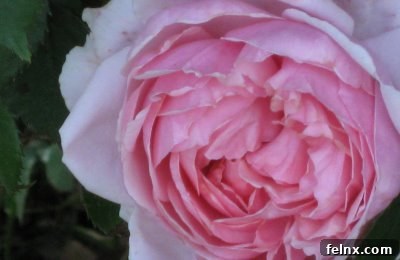
One of the most common challenges gardeners face in moist climates is black spot. Due to the significant rain we have experienced recently, I have had to spray for black spot to protect the roses. While chemical or organic treatments aren’t always the most enjoyable part of gardening, they are a must-do for roses in the Southeast and other humid regions. Without intervention, black spot can quickly defoliate a bush, weakening the plant and reducing its blooming potential.
What is Black Spot?
Black spot is a fungal disease caused by Diplocarpon rosae. It appears as dark, circular spots on the leaves, which eventually turn yellow and fall off. To prevent this, it is essential to provide good air circulation around your plants and avoid overhead watering. When the leaves stay wet for extended periods, fungal spores thrive. Despite the extra effort required to manage these issues, the sheer beauty of a blooming rose garden makes every bit of work worth it.
The Spectacular Display of Early Spring Flowers
So far this spring, the weekly rain showers have been a blessing in disguise. While they bring humidity, they have also resulted in a magnificent display of flowers of all sorts. The daylilies are just now starting to open their petals, and the roses are still in full bloom. It has been a spectacular sight, reminding us why we fall in love with gardening every year.
The Charm of the “Guacamole” Hosta
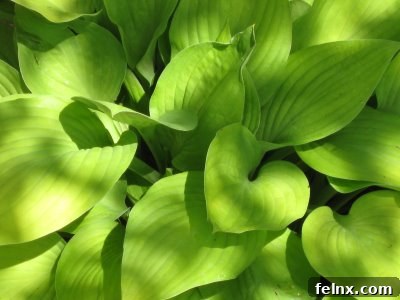
In the shaded corners of the garden, the “Guacamole” hosta is making a statement. This variety is aptly named; its vibrant lime-green color practically shouts for attention amidst the darker greens of the garden. It is absolutely one of my favorites because of its unique hue and large, heart-shaped leaves. Hostas are incredibly versatile perennials that provide texture and brightness to areas where other plants might struggle to grow.
Perennial Winners: Azaleas and Irises
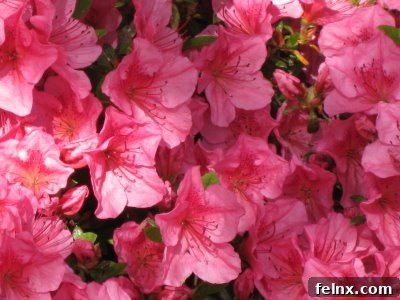
No spring garden is complete without the “Renee Michelle” azalea. This variety is a perennial winner in our garden every spring, offering a dense cloud of pink blossoms that signal the height of the season. Azaleas prefer acidic soil and partial shade, making them perfect companions for hostas and other woodland plants.
A Legacy in the Garden: The Purple-Blue Iris
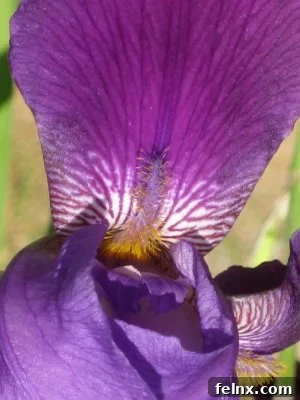
Gardening is often about more than just aesthetics; it is about memories. We have a stunning purple-blue iris that was given to us from a family garden in Ohio over 25 years ago. Although the exact variety name remains a mystery, it is a very special flower to us. Every time it blooms, it connects us to our family history and the enduring nature of perennial plants. This is the magic of gardening—plants become living heirlooms that we cherish year after year.
Adding Drama with Lilies and Climbing Vines
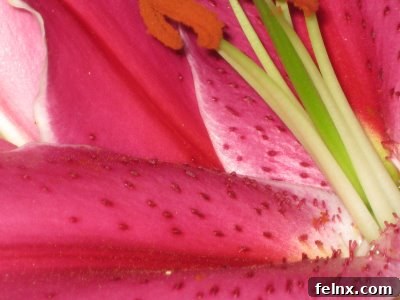
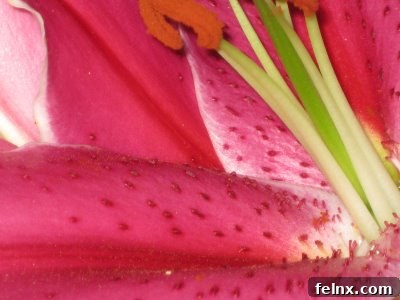
For those looking to add a touch of drama and fragrance to their landscape, the “Stargazer” oriental lily is an unbeatable choice. The “Stargazer” is famous for its bold, upward-facing blooms and intoxicating scent. It stands as a testament to the perfection found in nature. When these lilies open, they become the focal point of the garden, drawing in both human admirers and pollinators like butterflies and bees.
Designing with Hostas and Bird Baths
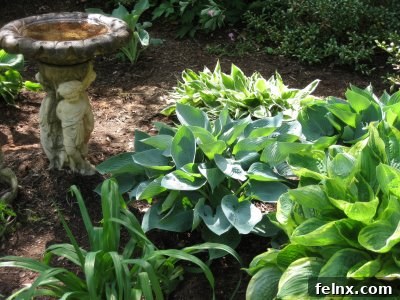
Creating a focal point in the garden can be as simple as grouping different varieties of the same plant. Surrounding a central bird bath, we have planted huge “Great Expectations” hostas alongside other varieties. This creates a lush, green oasis that feels cool and inviting even on the warmest spring days. The contrast in leaf patterns and sizes adds depth to the landscape, making the bird bath area a favorite spot for local wildlife.
Vertical Interest with Clematis
To add height to your garden, consider climbing plants. The “Nellie Moser” clematis is currently climbing our lamp post, happily greeting everyone who passes by. Clematis is often called the “Queen of Vines” because of its spectacular blooms. “Nellie Moser” is particularly striking with its large, pale pink petals striped with a deeper carmine pink. It thrives when its “feet are in the shade and its head is in the sun,” a classic rule for clematis care.
The Joy of Wildflowers and Delicate Blooms
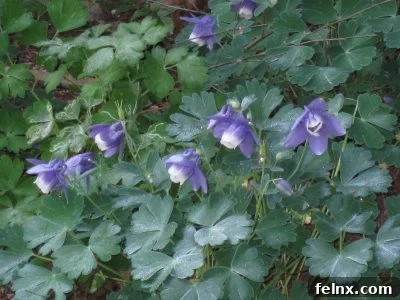
The blue Columbine is another spring favorite. These cheerful, friendly flowers always leave a good feeling inside. They have a delicate, almost whimsical appearance that adds a touch of “wildness” to a structured garden. Columbines are excellent for attracting hummingbirds, adding movement and life to the backyard.
The Elegance of Bleeding Hearts
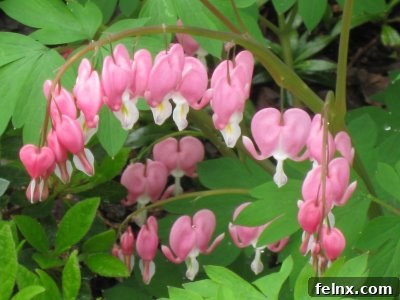
Our Bleeding Hearts naturalize more and more each year. These plants are a delicate joy in the front garden, featuring arching stems laden with heart-shaped flowers. They are one of the most romantic plants you can grow, thriving in cool, moist, and shaded areas. Watching them return and spread each year is a reminder of the garden’s resilience and its ability to surprise us.
Overcoming Gardening Challenges
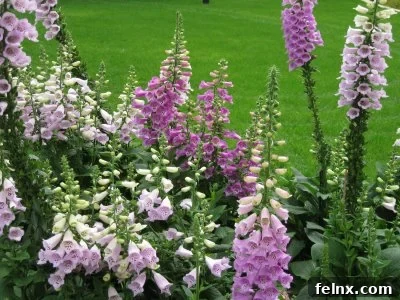
Not every plant is easy to grow. The stately Foxglove, for example, stubbornly grows in our garden. While they aren’t the easiest for us to maintain, their tall spikes of bell-shaped flowers are worth the struggle. Foxgloves are biennials, meaning they have a two-year life cycle, but they often self-seed if left alone, ensuring a presence in the garden for years to come.
Inviting Wildlife into Your Garden
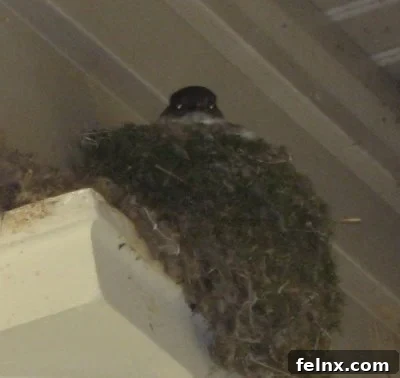
A garden is more than just plants; it is a habitat. This spring, we were delighted to find a loving mother bird in her nest under the porch. This tops off the experience of life on the farm, reminding us that our gardening efforts provide shelter and food for many creatures. By choosing a variety of plants—from nectar-rich flowers to dense shrubs—you can turn your backyard into a sanctuary for birds, bees, and butterflies.
Top 5 Tips for a Healthy Spring Garden
- Monitor for Pests and Disease: Early detection is key. Check the undersides of leaves for aphids or spots of fungus.
- Mulch for Moisture Control: A good layer of mulch helps regulate soil temperature and keeps moisture in the ground while preventing weeds.
- Prune with Purpose: Remove dead or diseased wood from your roses and shrubs to encourage new, healthy growth.
- Fertilize Appropriately: Use a balanced fertilizer to give your perennials the nutrients they need to produce large, vibrant blooms.
- Support Your Tall Plants: Stake lilies and foxgloves early in the season to prevent them from flopping over during spring storms.
Gardening is a journey of patience and discovery. Whether you are battling black spot on your roses or admiring the sentimental bloom of an old iris, every moment spent in nature is a gift. The colors, scents, and life that fill a spring garden are the ultimate reward for the hard work of a gardener.
Happy Gardening Everyone!
As the season progresses, take the time to sit back and enjoy the fruits of your labor. The transitions from the early bulbs of March to the lush perennials of May provide a constant source of wonder. Remember that a garden is never “finished”; it is a living, breathing entity that grows and changes alongside us. Embrace the challenges, celebrate the successes, and always find time to enjoy the beauty of the bloom.