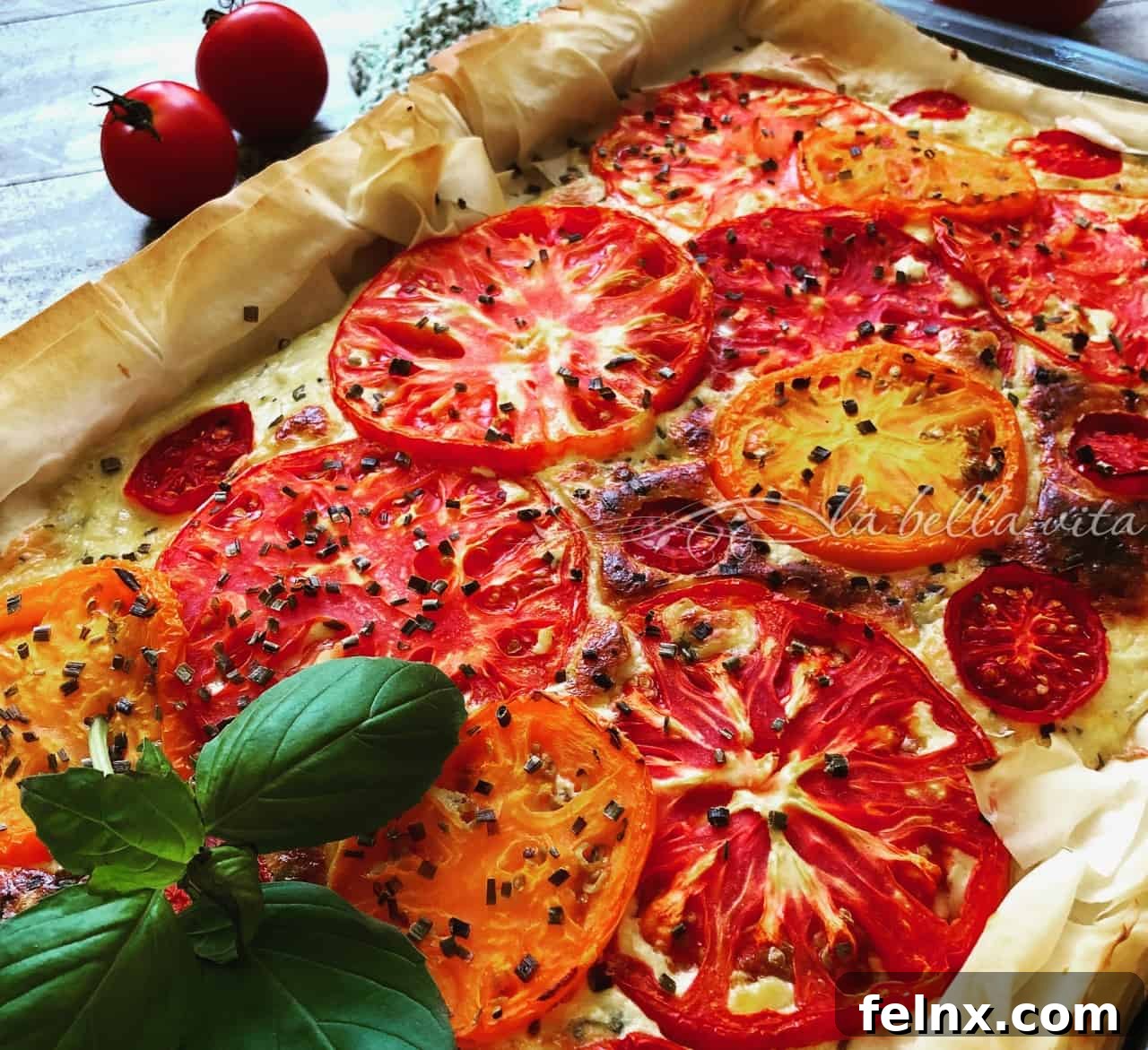
The Ultimate Heirloom Tomato and Italian Cheese Tart: A Crispy Summer Delight
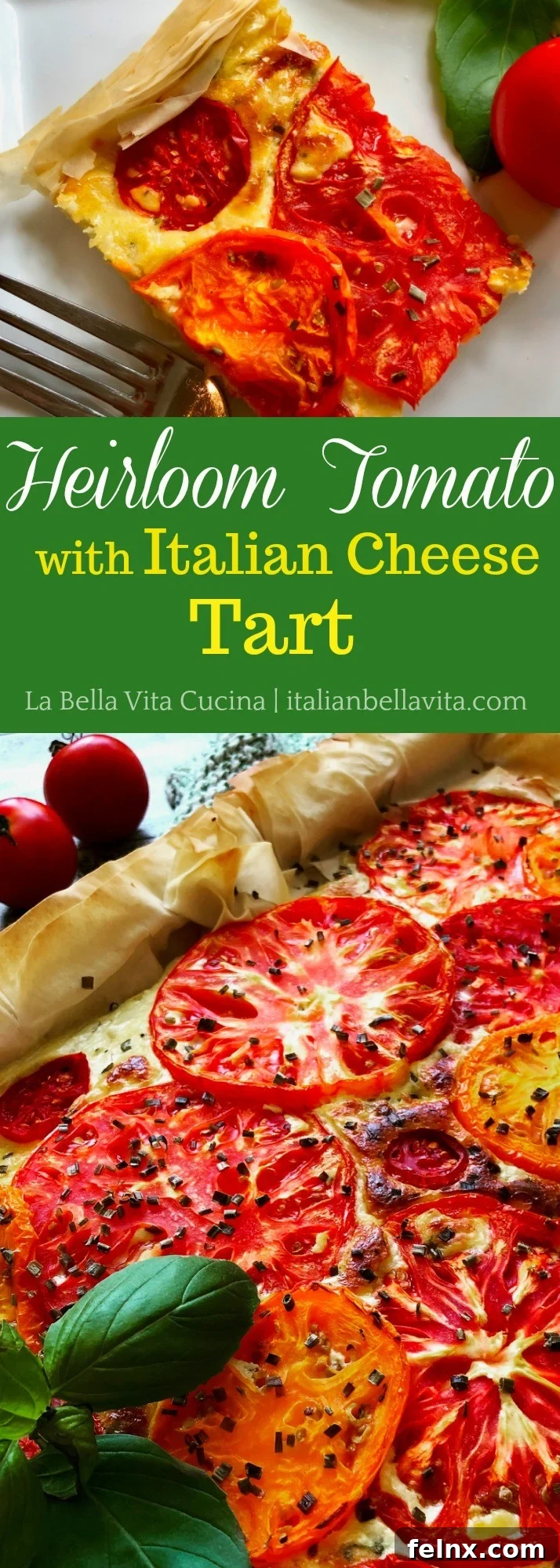
When the heat of summer arrives and the gardens overflow with vibrant colors, there is no better way to celebrate the season than with a dish that highlights the freshness of local produce. This Heirloom Tomato and Italian Cheese Tart is more than just a meal; it is a stunning centerpiece that captures the very essence of summer. By combining the delicate, paper-thin layers of phyllo dough with a rich, multi-layered cheese filling and the natural sweetness of vine-ripened heirloom tomatoes, you create a culinary experience that is both sophisticated and comforting.
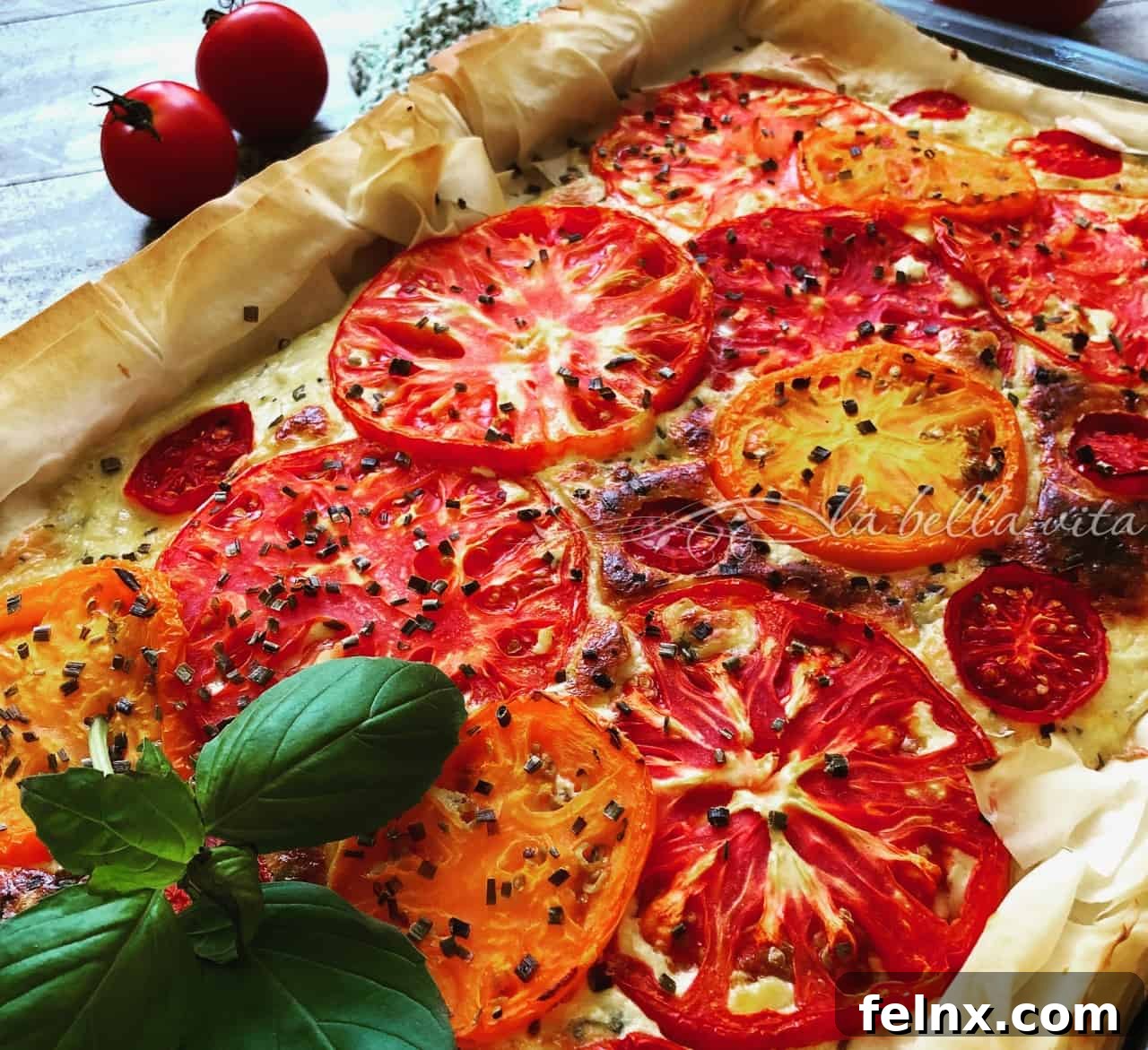
This tart stands out because of its incredible texture. The phyllo dough provides a flaky, shatteringly crisp base, while the interior is filled with a creamy, herb-infused Italian cheese blend. To add an extra dimension of flavor, we sprinkle goat cheese crumbles between the layers of the pastry, giving every bite a subtle, sophisticated tang. Whether you are hosting an elegant garden party or looking for a special weekend brunch dish, this tart is guaranteed to impress.
One of the best things about this recipe is its versatility. You can serve it warm right out of the oven, allowing the cheeses to be gooey and soft, or you can serve it at room temperature. It holds up beautifully for picnics, makes a wonderful addition to a brunch spread, and can even be sliced into smaller squares for a high-end appetizer at a cocktail party.
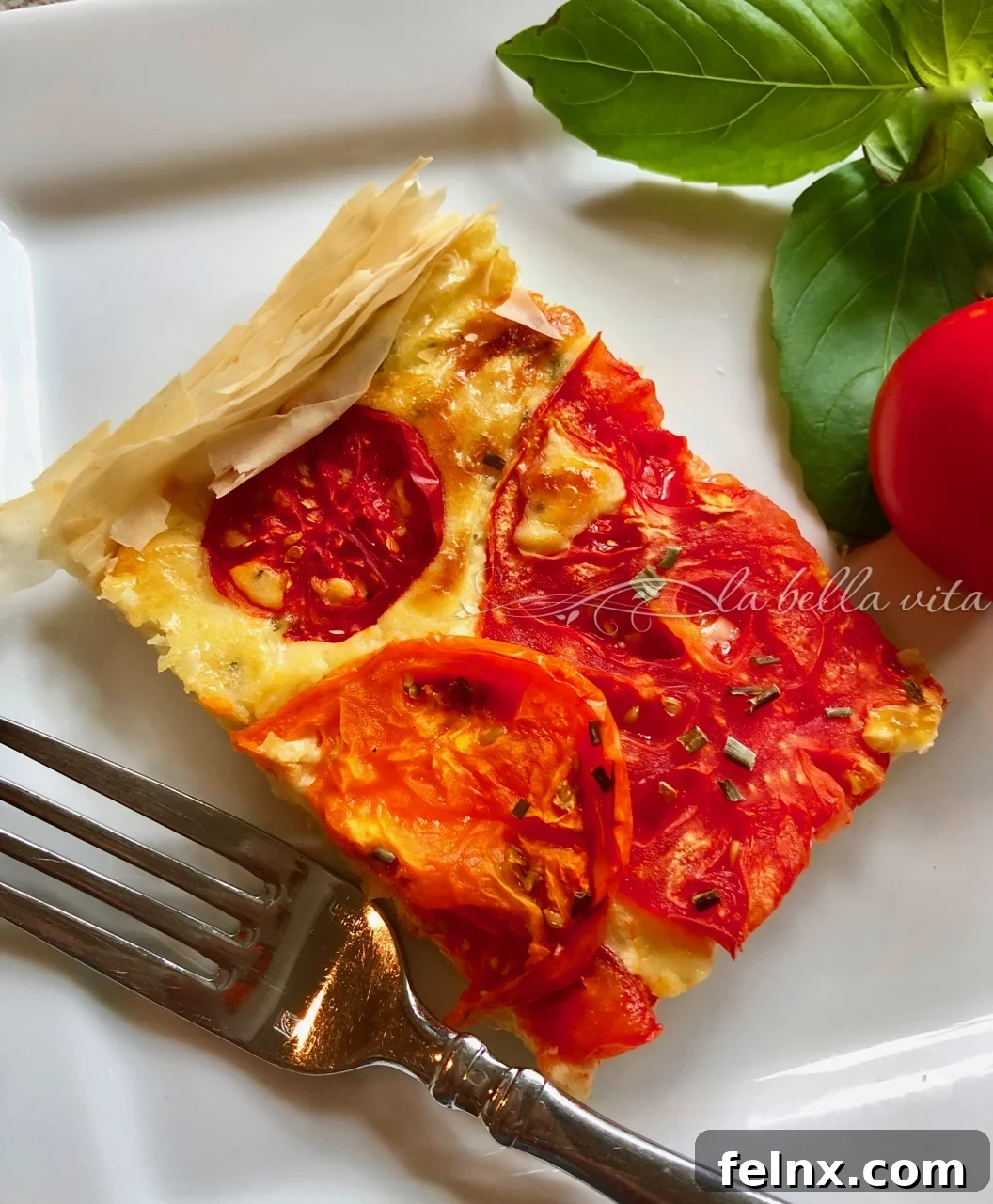
Why Heirloom Tomatoes Make the Difference
While standard red tomatoes are available year-round, heirloom tomatoes are the true stars of this tart. These varieties are grown from seeds passed down through generations, selected for their exceptional flavor, unique shapes, and vibrant colors rather than their ability to survive long-distance shipping. When you use a mix of heirlooms—ranging from deep purple Cherokees to bright yellow Gold Medals and striped Zebras—you aren’t just adding flavor; you are creating a visual masterpiece.
Heirloom tomatoes tend to have a higher sugar content and a more complex acidity than commercial varieties. When baked, their juices slightly caramelize, intensifying their natural sweetness. Because they have different water contents, using a variety of sizes and types ensures that the tart has a diverse range of textures across the top. Just remember to slice them thinly to ensure they cook evenly and don’t weigh down the delicate pastry base.
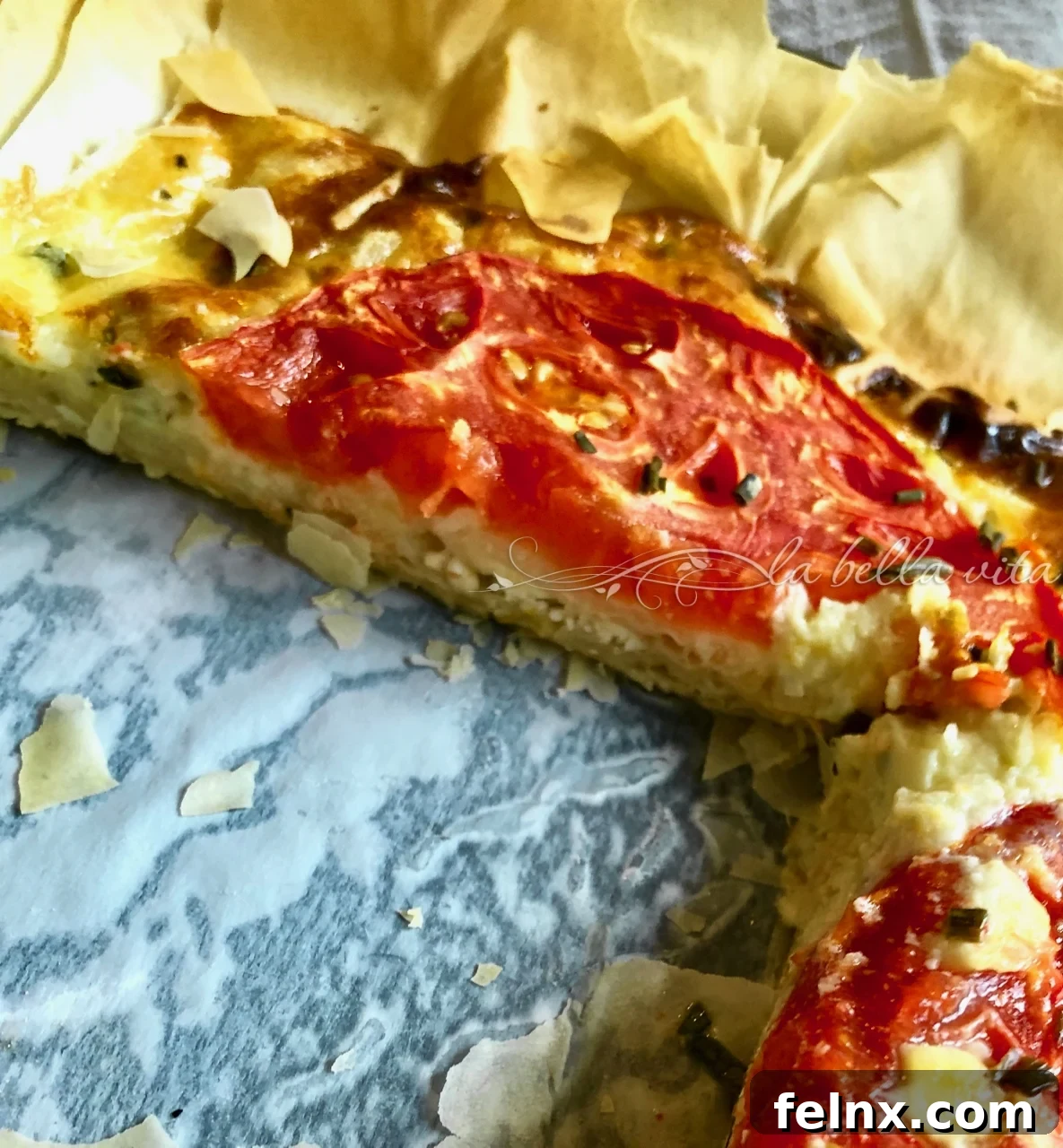
Mastering the Art of Phyllo Dough
Phyllo (or fillo) dough is known for being intimidating, but it doesn’t have to be. These tissue-thin sheets are a staple in Mediterranean cooking, used for everything from baklava to spanakopita. The secret to a perfect phyllo crust is all in the handling. Because the dough contains very little fat itself, we must brush each layer with olive oil or butter to achieve that signature golden-brown crunch.
Essential Tips for Working with Phyllo
- Thaw Slowly: The most common mistake is thawing phyllo on the counter. This causes condensation to build up inside the package, making the sheets gummy and impossible to separate. Always thaw your phyllo dough in the refrigerator overnight. This keeps the dough at the optimal temperature and prevents sticking.
- Keep it Covered: Phyllo dries out within minutes of being exposed to air. Once you unwrap the dough, keep it covered with a lightly damp (not soaking wet) kitchen towel. Only remove one sheet at a time, then immediately cover the rest back up.
- Embrace Imperfection: Do not worry if a sheet tears or cracks. Phyllo is very forgiving once it is layered. Simply place the torn pieces in the middle of your stack; once it is baked, no one will ever know. The rustic, uneven edges actually add to the charm of the tart.
- The Fat is Key: Whether you use melted butter or high-quality olive oil, be thorough with your brushing. The fat is what separates the layers, creating the steam that makes the pastry rise and become flaky. In this recipe, we use olive oil for a lighter, Mediterranean flavor profile.
- Prevent Sticking: Always use parchment paper on your baking sheet. This ensures you can move the tart to a serving platter without the bottom sticking or the delicate crust breaking apart.
The Five-Cheese Italian Blend
What sets this tart apart from a standard pizza or flatbread is the richness of the cheese filling. We use a carefully curated blend of five Italian-style cheeses to create a profile that is creamy, sharp, and savory all at once.
- Ricotta: Provides the creamy, spreadable base for the filling.
- Mozzarella: Adds that classic melt-in-your-mouth stretch and mild flavor.
- Parmigiana: Brings a salty, nutty depth that enhances the tomatoes.
- Fontina: Known for its exceptional melting qualities and buttery finish.
- Asiago: Offers a sharp, pungent kick that cuts through the richness of the other cheeses.
In addition to this blend, the goat cheese crumbles layered within the phyllo sheets provide a surprising burst of acidity. This layering technique ensures that the cheese flavor is integrated throughout the entire structure of the tart, not just sitting on top.
Recipe: Heirloom Tomato and Italian Cheese Tart
This recipe yields 12 servings and is perfect for sharing. Follow these steps carefully to achieve the best results.
Ingredients You Will Need
- 1 box of phyllo dough (thawed)
- 3/4 cup high-quality olive oil (for brushing)
- 8 oz. goat cheese crumbles
- 5-6 assorted heirloom tomatoes (sliced thin)
- 1-1/2 cups ricotta cheese
- 2 large eggs
- 1 cup mozzarella cheese, grated
- 1/3 cup parmigiana cheese, grated
- 1/3 cup fontina cheese, grated
- 1/4 cup asiago cheese, grated
- 2 cloves garlic, minced
- 1/4 cup onion, finely diced
- 8-10 fresh basil leaves, chopped
- 2 Tbsp fresh chives, chopped
- Salt and freshly ground black pepper to taste
- Parchment paper
Detailed Preparation Instructions
Step 1: Prepare Your Workspace
Preheat your oven to 375°F (190°C). Clear a large workspace and have all your ingredients prepped. Since phyllo dries quickly, you want the cheese mixture and sliced tomatoes ready before you open the dough. Line a large baking sheet with parchment paper.
Step 2: Build the Phyllo Base
Lay your first sheet of phyllo dough onto the parchment paper. Lightly brush the entire surface with olive oil. Repeat this process for the first five sheets. On the fifth or sixth layer, evenly sprinkle half of your goat cheese crumbles over the surface. This adds flavor and acts as a “binder” between the layers.
Step 3: Continue Layering
Continue adding sheets and brushing each with oil. When you are about halfway through the stack (around the 10th or 11th layer), sprinkle the remaining goat cheese crumbles. Finish the rest of the phyllo sheets, oiling each one, including the very top layer.
Step 4: Create the Cheese Filling
In a medium bowl, combine the ricotta, mozzarella, parmigiana, fontina, and asiago cheeses. Add the two eggs, minced garlic, diced onion, chopped basil, and half of the chives. Season with a pinch of salt and a generous amount of black pepper. Mix by hand or with a hand-held mixer until the mixture is smooth and well-combined.
Step 5: Assemble the Tart
Spread the cheese mixture over the top layer of phyllo dough. Use a spatula to smooth it out, leaving about a one-inch border around the edges. This border will puff up and create a beautiful crust. Arrange your thinly sliced heirloom tomatoes on top of the cheese. You can overlap them slightly or arrange them in a mosaic pattern for a beautiful aesthetic.
Step 6: Final Touches and Baking
Sprinkle the remaining chives over the tomatoes. To prevent the delicate edges of the phyllo from burning before the center is cooked, you can loosely frame the edges with aluminum foil. Place the tart in the oven and bake for approximately 45-60 minutes.
Step 7: The Broil and Rest
Check the tart after 45 minutes. If the phyllo is golden but the tomatoes and cheese filling still look pale, remove the foil and turn on the broiler for 3-5 minutes. Watch it closely! It can go from golden to burnt very quickly. Once the top is bubbly and slightly browned, remove it from the oven. Let the tart rest for at least 15-20 minutes. This allows the cheese to set so you can get clean slices.
Serving and Storage Suggestions
Garnish the tart with extra fresh basil leaves right before serving. For the best experience, use a pizza cutter or a very sharp serrated knife to slice through the flaky layers. This tart pairs wonderfully with a crisp white wine, such as a Pinot Grigio or a Sauvignon Blanc, or a light rosé.
If you have leftovers, store them in an airtight container in the refrigerator for up to two days. To regain that signature crispiness, reheat the slices in an oven or toaster oven at 350°F for about 10 minutes. Avoid the microwave, as it will make the phyllo dough soft and soggy.
This Heirloom Tomato and Italian Cheese Tart is a true celebration of culinary craftsmanship and seasonal ingredients. By taking the time to layer the dough and select the finest tomatoes, you create a dish that is as beautiful to look at as it is delicious to eat. Enjoy the taste of summer in every crispy, cheesy bite!
Frequently Asked Questions
Can I use puff pastry instead of phyllo?
Yes, you can use puff pastry if you prefer a more buttery, bread-like crust. However, the texture will be significantly different. Phyllo is much thinner and more “shattery,” whereas puff pastry is airy and thick. If using puff pastry, you won’t need the oil-layering steps.
What if my tomatoes are very juicy?
If your heirloom tomatoes are particularly watery, you can slice them and lay them on paper towels for 10 minutes before adding them to the tart. This prevents the excess moisture from making the cheese filling too runny.
Can I add protein?
While this tart is excellent as a vegetarian dish, you could certainly add some crispy pancetta or thin slices of prosciutto on top after baking for an extra salty, savory element.
Did you try this recipe? We would love to hear your thoughts! Share your photos and tag us on social media.