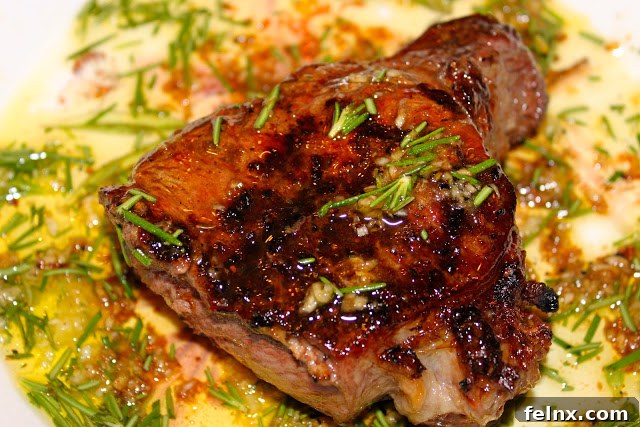
Bistecca alla Fiorentina: The Ultimate Guide to the Iconic Tuscan Grilled Steak
“Beef . . . it’s what’s for dinner.” This famous advertising slogan is deeply embedded in the American consciousness. For many, the image of a sizzling steak on a backyard grill is the quintessential symbol of American culinary tradition. However, very few people immediately associate the art of grilling high-quality beef with Italy. When international travelers think of Italian cuisine, their minds often drift toward plates of handcrafted pasta, wood-fired pizzas, or delicate veal saltimbocca. Beef rarely makes the top of the list.
But venture into the heart of Italy, specifically the rolling hills of Tuscany, and you will find that beef is not just an afterthought—it is king. The legendary Bistecca alla Fiorentina, or Florentine Steak, is a dream come true for carnivores. This dish is so central to the region’s identity that every summer, Tuscany hosts grilled steak festivals where thousands of steaks are cooked over open flames in public parks to feed massive crowds of locals and tourists alike. It is a celebration of fire, meat, and tradition.
Do Italians Really Eat Steak?
There is a common misconception that the Italian diet revolves solely around carbohydrates. While pasta is undoubtedly a staple, Italian culinary philosophy is actually built on a foundation of simplicity and respect for high-quality ingredients, regardless of whether they come from a wheat field or a pasture. Italians approach steak with the same reverence they give to a truffle or a fine olive oil. The preparation is minimal because the quality of the meat is expected to speak for itself.
Nowhere is this meat culture more prominent than in Tuscany. The Bistecca alla Fiorentina (meaning “in the style of Florence”) represents the peak of Italian grilling. What transforms an average grilled steak into an incredible culinary experience is the method and the specific breed of cattle used. In Tuscany, the secret lies in using the finest local ingredients and a centuries-old technique that prioritizes the natural flavor of the beef over complex marinades or heavy sauces.
The allure of the Tuscan lifestyle has been captured in many films and books, most notably in “Under The Tuscan Sun.” Watching the film allows us to experience a few blissful hours of imaginary life among the vineyards and olive groves. For many, it represents the ultimate retirement dream—living in an old stone farmhouse and enjoying long, leisurely meals under the Mediterranean sun. If you want to bring a piece of that dream into your own home, mastering the art of the Tuscan Bistecca is the perfect place to start.
The Legend of Dario Cecchini and the Chianina Breed
If you follow food culture, you may have seen the famous Tuscan butcher, Dario Cecchini, featured on shows like Anthony Bourdain’s “No Reservations” or David Rocco’s “Dolce Vita.” Cecchini operates a world-renowned butcher shop in the tiny village of Panzano in Chianti. He is a man obsessed with meat, treating every cut with a theatrical level of respect. He is the ultimate ambassador for the Bistecca alla Fiorentina, advocating for the traditional way of cutting and serving this massive piece of beef.
What makes this steak truly unique is the breed of cattle: the Chianina. Raised in the Val di Chiana near Arezzo, Chianina is an ancient breed of white cattle, one of the oldest and largest in the world. An authentic Tuscan bistecca must be a T-bone or Porterhouse cut specifically from Chianina beef. The meat is prized for being exceptionally tender, flavorful, and juicy, with a fine grain that makes it superior for high-heat grilling. Traditionally, the meat comes from a vitellone, or young steer, which ensures the perfect balance of size and tenderness.
The Anatomy of a Florentine Steak
One of the most striking things about a real Bistecca alla Fiorentina is its size. In Tuscany, they have a saying: if the steak is less than three fingers thick, it isn’t a bistecca; it’s just a “carpaccio.” An authentic cut must be at least 2.5 inches thick, though many master butchers insist on a “four-finger” width. This extreme thickness is not just for show; it is essential for the cooking process. It allows the outside to develop a charred, salty crust while the inside remains buttery, tender, and rare.
When you see one of these steaks in person, it is almost intimidating. A single steak can easily weigh between 1.5 to 2.5 kilograms (3 to 5 pounds), making it the perfect meal for two or even three people to share. The traditional way to serve it is to carve the filet and the strip away from the bone, slice them into thick strips, and then reassemble them around the T-bone on the serving platter.
The Purist Approach vs. The Flavorful Twist
In the world of Italian cooking, there are two schools of thought regarding the Bistecca. The “Purists” believe that nothing should touch the meat except for heat, sea salt, and perhaps a drizzle of high-quality extra virgin olive oil after it leaves the grill. This allows the natural, earthy flavor of the Chianina beef to take center stage. This is the version found in the recipe below.
However, there is another popular variation that adds a layer of aromatic complexity. In this version, the grilled steak is rested on a “pool” of olive oil infused with minced garlic and fresh rosemary. Once sliced, it is topped with another drizzle of oil and shavings of fresh Parmigiano-Reggiano cheese. While the purist version is the most traditional, the addition of aromatics and aged cheese creates a flavor profile that many find absolutely irresistible. Regardless of which method you choose, the quality of the beef remains the most critical factor.
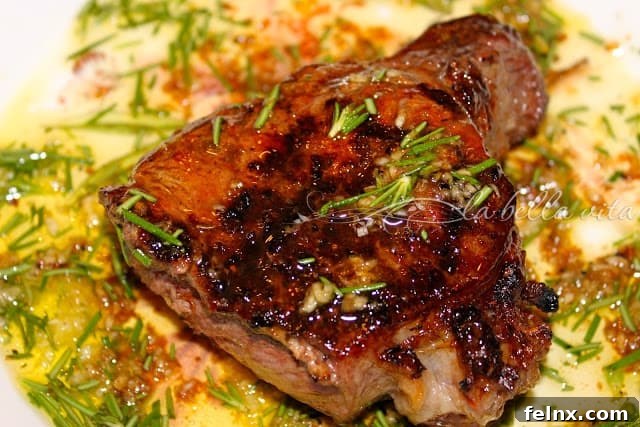
Traditional Bistecca alla Fiorentina Recipe
Experience the authentic taste of Tuscany with this masterclass in grilling the perfect Florentine steak.
Ingredients
- T-bone or Porterhouse Steak: At least 3 to 4 fingers thick (preferably dry-aged Chianina or high-quality grass-fed beef).
- Extra Virgin Olive Oil: Use the best quality Tuscan oil you can find.
- Sea Salt: Freshly cracked or coarse salt for a crunchy crust.
- Black Pepper: Freshly ground.
- Lemon Wedges: For a bright finish (optional).
Cooking Instructions
- Temper the Meat: Remove the steak from the refrigerator at least two hours before grilling. Bringing the meat to room temperature is vital for even cooking.
- The Salt Crust: Generously season the steak with sea salt and black pepper on all sides. This creates a savory crust when it hits the high heat.
- Air Flow: Prop the steaks up using chopsticks or a rack during the resting period to allow air to circulate around the entire cut.
- Prepare the Fire: Use charcoal or hardwood (oak or holm oak are traditional) to create a very hot, smoky fire.
- High Heat Grilling: Place the steak on the grill, approximately 4 inches above the coals. The grill must be searingly hot.
- Timing: Grill for 4 to 6 minutes per side. For a steak this thick, the traditional result is rare to medium-rare. Do not overcook it; a Tuscan steak is meant to be red and juicy in the center.
- The Bone Trick: After grilling both sides, stand the steak upright on its bone for an additional 3 to 5 minutes. This conducts heat through the bone into the center of the meat without overcooking the exterior.
- Resting: This is the most important step. Remove the steak from the heat and let it rest for 10 minutes. This allows the juices to redistribute so they don’t run out when you cut it.
- Serving: Drizzle with a generous amount of Extra Virgin Olive Oil and a final sprinkle of sea salt. Slice the meat away from the bone, cut into thick pieces, and serve immediately with lemon wedges.
Did you master the Florentine grill?
We would love to see your results! Share your photos on Instagram using #ItalianBellaVita or tag us at @italianbellavita. Buon Appetito!
The Best Side Dishes for Your Steak
In Tuscany, a Bistecca alla Fiorentina is rarely served alone. To complete the experience, you should pair it with traditional sides that complement the richness of the beef. Fagioli al fiasco (white beans cooked with sage and olive oil) are a classic choice. The creaminess of the beans provides a beautiful contrast to the charred exterior of the steak. Alternatively, roasted potatoes with rosemary or a simple salad of arugula and shaved Parmigiano-Reggiano with a squeeze of lemon are excellent options. Finally, don’t forget a bottle of bold red wine—a Chianti Classico Riserva or a Brunello di Montalcino is the traditional companion for this legendary meal.