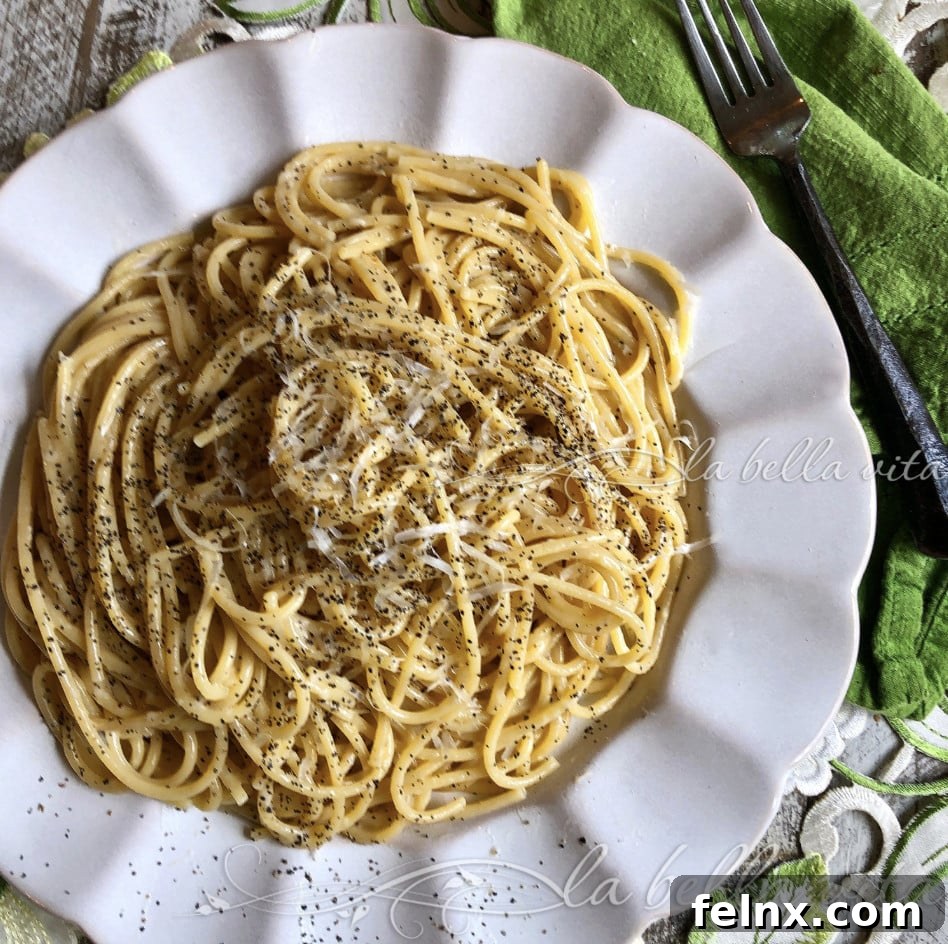
A Culinary Pilgrimage to Rome: Finding the Perfect Cacio e Pepe
Returning to Rome, often called the Eternal City, feels less like a simple vacation and more like a long-awaited homecoming. After months—and for many of us, years—of anticipation following the global pandemic, my husband and I finally found ourselves touching down on Italian soil once again. There is a specific electricity in the Roman air that you cannot find anywhere else. Our mission for this trip was clear: to immerse ourselves in the timeless beauty of the city and, most importantly, to track down the most authentic and delicious version of Cacio e Pepe in all of Rome.
The moment we stepped out of Leonardo da Vinci–Fiumicino Airport, the sensory experience began. We felt the immediate embrace of the warm Italian sun and heard the unmistakable, rhythmic hum of Vespas weaving through the famously chaotic traffic. The melodic sounds of the Italian language filled the air, acting as a beautiful soundtrack to our arrival. These sights and sounds are the very reasons this ancient city has captured the hearts of travelers for centuries. Rome does not just exist; it pulse with life, history, and flavor.
The Westin Excelsior: A Grand Entrance to La Dolce Vita
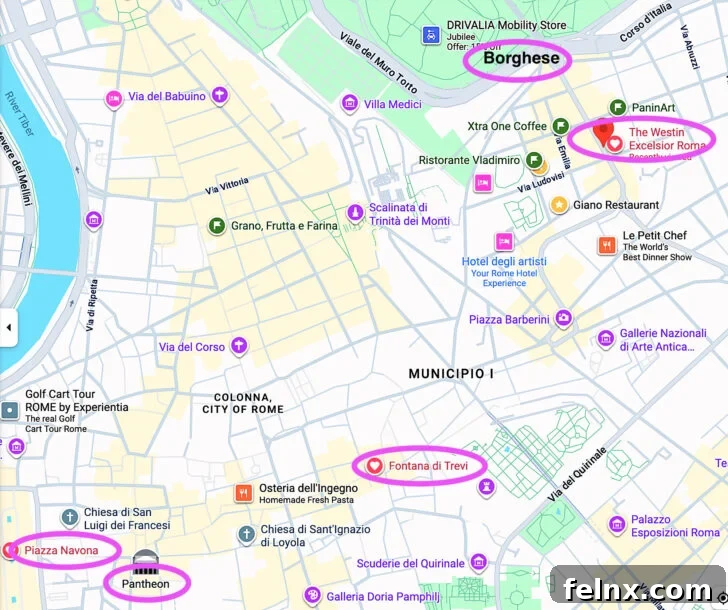
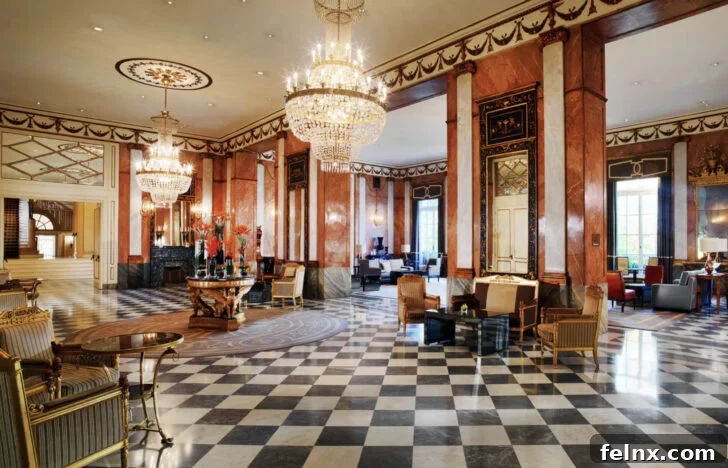
For our stay, we chose the legendary Westin Excelsior Rome. Located on the elegant Via Veneto—the street made famous by Federico Fellini’s 1960 film La Dolce Vita—the hotel serves as a monument to Roman luxury. Even though we were fighting the initial haze of jet lag, the grandeur of the hotel immediately revitalized our spirits. The Westin Excelsior is a masterpiece of old-world charm, featuring a lobby adorned with exquisite Italian marble, a sweeping grand staircase, and Venetian chandeliers that sparkle like diamonds.
Staying on Via Veneto allows you to step directly into a world of sophistication. This area was the playground of Hollywood stars and international royalty during the mid-20th century, and that sense of prestige remains palpable today. The hotel served as the perfect base for our journey, offering a seamless blend of historical architecture and modern comfort. Every corner of the property tells a story of elegance, making it an ideal starting point for anyone looking to experience the finer side of Roman life.
The Art of the Italian Aperitivo
After a much-needed rest to shake off the travel fatigue, we were ready to participate in one of Italy’s most cherished traditions: the aperitivo. In Italy, the aperitivo is not just a pre-dinner drink; it is a cultural ritual designed to signal the end of the workday and the beginning of the evening. It is a time to slow down, socialize, and prepare the palate for the meal to come.
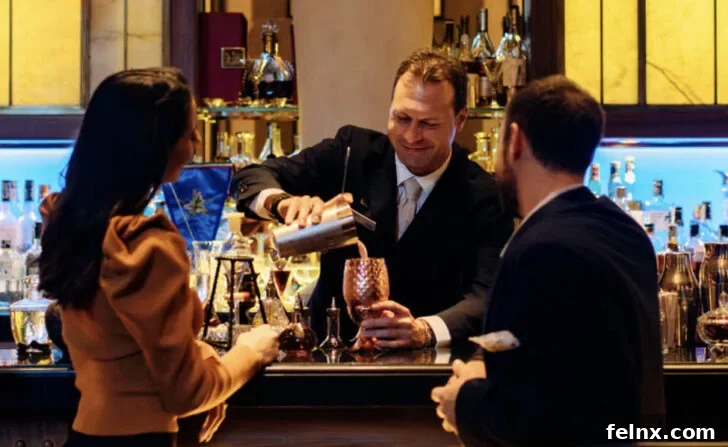
We sat down to enjoy refreshing cocktails, perhaps a classic Negroni or a vibrant Aperol Spritz, accompanied by light snacks. The “slow life” philosophy of Italy is best witnessed during these golden hours. As we watched the sky turn into shades of orange and pink over the Roman rooftops, we toasted to our adventure. The aperitivo represents the transition from the bustling activity of sightseeing to the intimate, focused enjoyment of Roman gastronomy.
Crossing the Tiber to Enchanting Trastevere
For our first dinner in the city, we knew we had to venture into Trastevere. Located on the west bank of the Tiber River, Trastevere is arguably Rome’s most atmospheric neighborhood. Its name literally means “across the Tiber,” and it has retained a distinct, bohemian character that sets it apart from the more tourist-heavy historic center. Here, the streets are narrow and paved with cobblestones (known as sampietrini), and the buildings are draped in lush, green ivy.
Trastevere is a place where time seems to slow down. During the day, it is a quiet maze of artisans and locals, but at night, it transforms into a vibrant hub of nightlife and culinary excellence. The neighborhood is famous for its traditional trattorias, where recipes have been passed down through generations. It was here, amidst the flickering candlelight and the smell of roasting garlic, that we sought our culinary holy grail.
Roma Sparita: The Legacy of Cacio e Pepe
Our specific destination was Roma Sparita, a restaurant that has gained international fame for one specific dish. This trattoria was famously highlighted by the late, legendary food expert Anthony Bourdain. He declared it one of the best places on Earth to experience the ultimate version of Rome’s iconic pasta: Cacio e Pepe. Following in the footsteps of Bourdain felt like a rite of passage for any serious food lover.
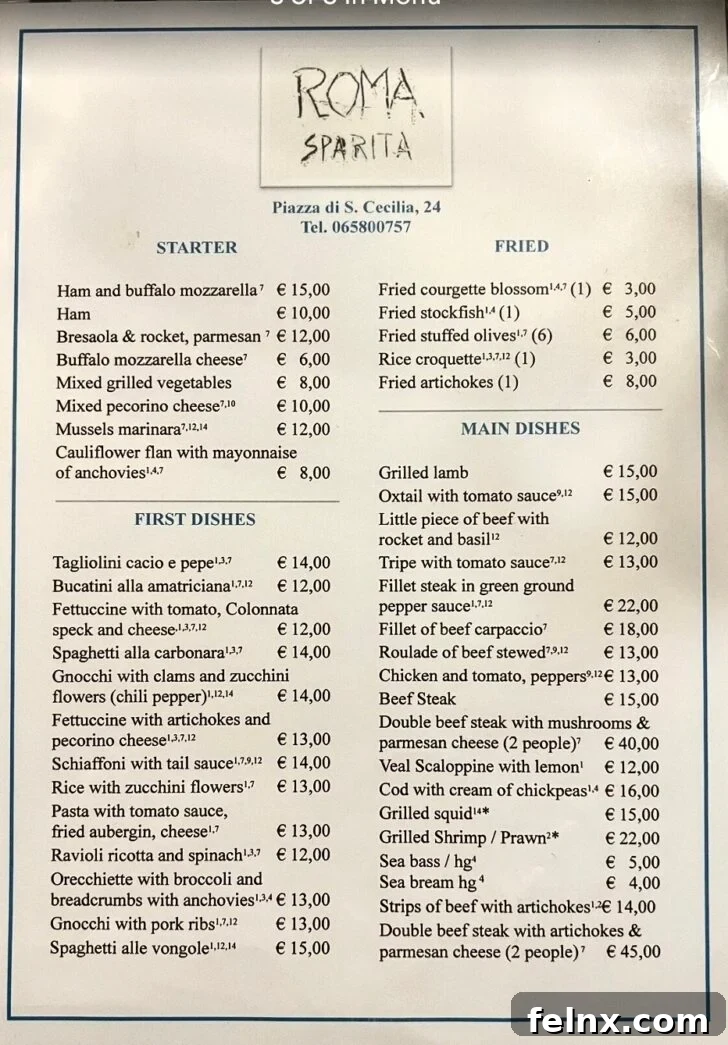
Cacio e Pepe is one of the “classic four” pasta dishes of Rome, alongside Carbonara, Amatriciana, and Gricia. What makes Cacio e Pepe so fascinating is its radical simplicity. It consists of only three primary ingredients: high-quality pasta, Pecorino Romano cheese, and freshly cracked black pepper. However, do not let the short ingredient list fool you. Achieving the perfect emulsion—where the cheese and pasta water transform into a silky, creamy sauce without clumping—is a true test of a chef’s skill.
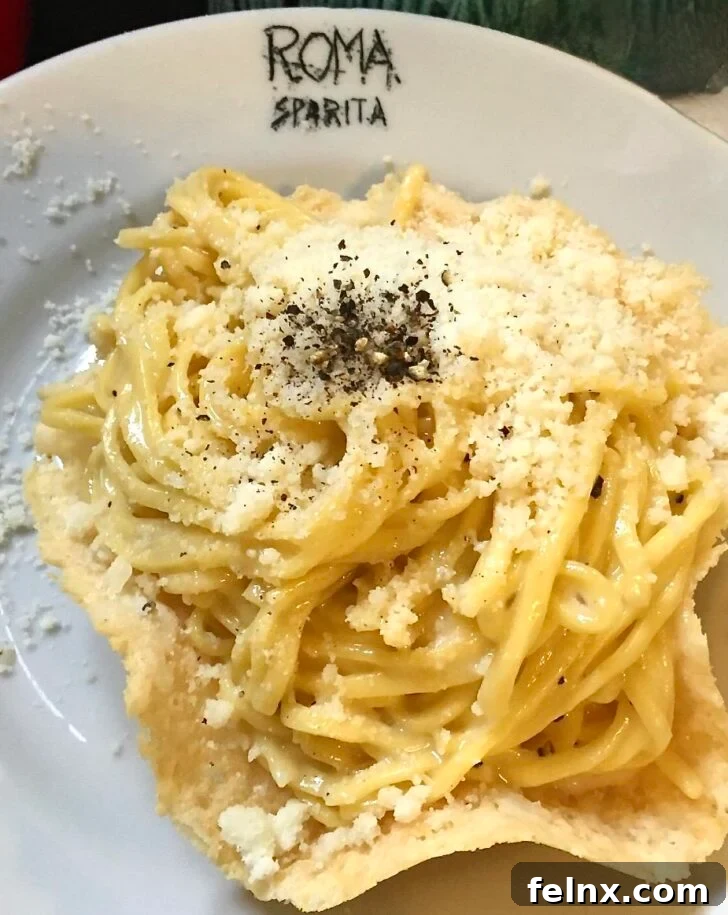
At Roma Sparita, they add a signature twist that has become world-famous. Their Cacio e Pepe is served inside a crispy, golden bowl made entirely of toasted Parmigiano-Reggiano cheese. This presentation is not just for aesthetics; it adds a concentrated, savory crunch to every bite of the creamy, peppery pasta. As you eat, you can break off pieces of the cheese bowl, creating a symphony of textures that is simply divine.
The History and Technique Behind the Dish
The origins of Cacio e Pepe date back centuries to the Roman shepherds. During the long months of moving their flocks (a practice known as transhumance), shepherds needed food that was easy to carry, wouldn’t spoil quickly, and provided plenty of energy. Dried pasta, aged Pecorino cheese, and black peppercorns were the perfect solution. The heat from the pepper kept the shepherds warm during cold nights, while the protein-rich cheese and carbohydrates from the pasta sustained them through long days of labor.
Today, the dish is a staple of Roman cuisine, but it requires precision. The Pecorino Romano used must be authentic—salty, sharp, and made from sheep’s milk. The black pepper should be toasted slightly in the pan to release its aromatic oils before the pasta is added. When you combine these with the starchy water from the boiling pasta, a chemical reaction occurs that creates that signature “creaminess” without ever needing to add actual cream or butter.
Reflections on a Roman Evening
Sitting under the twinkle of Roman streetlights in Piazza di Santa Cecilia, with a glass of crisp Italian white wine and a plate of world-class pasta, I felt a deep connection to the city. Travel and food are inseparable because they both tell stories of culture, geography, and history. Eating a dish that has been prepared in the same way for hundreds of years allows you to taste the past while living fully in the present.
The first night in Rome is always magical. There is a specific mix of excitement and the subtle disorientation of travel that makes every discovery feel significant. Whether it is the grand architecture of the Westin Excelsior or the humble perfection of a three-ingredient pasta in Trastevere, Rome constantly reminds us why it is called the Eternal City. It is a place where the old and the new coexist in a beautiful, delicious harmony.
Practical Information for Your Visit
If you are planning your own Roman adventure and want to experience these locations, here are the details you need:
Westin Excelsior Rome
Via Vittorio Veneto 125, 00187 Roma, Italy
Tip: Even if you aren’t staying here, stop by for a cocktail in their bar to experience the historic atmosphere of Via Veneto.
Roma Sparita
Piazza di Santa Cecilia 24, Trastevere, 00153 Roma, Italy
Tip: Reservations are highly recommended, especially if you want to sit in the beautiful outdoor piazza. Be sure to specifically ask for the Cacio e Pepe in the cheese bowl!
As the sun sets over the Tiber and the city lights begin to glow, there is only one thing left to say: Buona notte da Roma! May your own journey to Italy be filled with as much flavor and wonder as ours was.
The Legacy of Roman Pasta
While Cacio e Pepe was the star of our first night, it is worth noting the other members of the Roman pasta family. Pasta alla Gricia is often called the “ancestor” of the group, featuring guanciale (cured pork jowl) and Pecorino. Add tomato to Gricia, and you get Amatriciana. Add egg to Gricia, and you get the world-renowned Carbonara. Each of these dishes uses the same foundation of simple, high-quality local ingredients to create something extraordinary. Exploring these variations is a journey through the heart of Roman culinary tradition.
Rome is a city that rewards those who take the time to look deeper, walk further, and eat where the locals eat. From the luxury of the Via Veneto to the rustic charm of Trastevere, every meal is an opportunity to learn something new about this incredible city. Our return to Rome was everything we hoped it would be, reminding us that some things—like a perfect plate of pasta—are truly timeless.