Essential Guide to Spring Gardening: Growing Roses, Clematis, and Azaleas
Spring in the South is a breathtaking season characterized by a symphony of colors and fragrances. As the landscape awakens from its winter slumber, gardeners are rewarded with a vibrant display of blossoms. Among the most beloved plants for creating a classic, romantic garden are David Austin old-fashioned roses, climbing varieties, clematis, and azaleas. These plants not only offer incredible beauty but are also surprisingly easy to maintain, making them ideal choices for both novice and experienced gardeners.
Creating a lush garden involves more than just selecting pretty flowers; it requires understanding how different species interact with your environment. In Southern regions, where the climate can be humid and warm, choosing hardy varieties that provide consistent performance is key. This guide explores how to transform your outdoor space into a spring sanctuary using timeless floral favorites.
The Timeless Charm of David Austin Old-Fashioned Roses
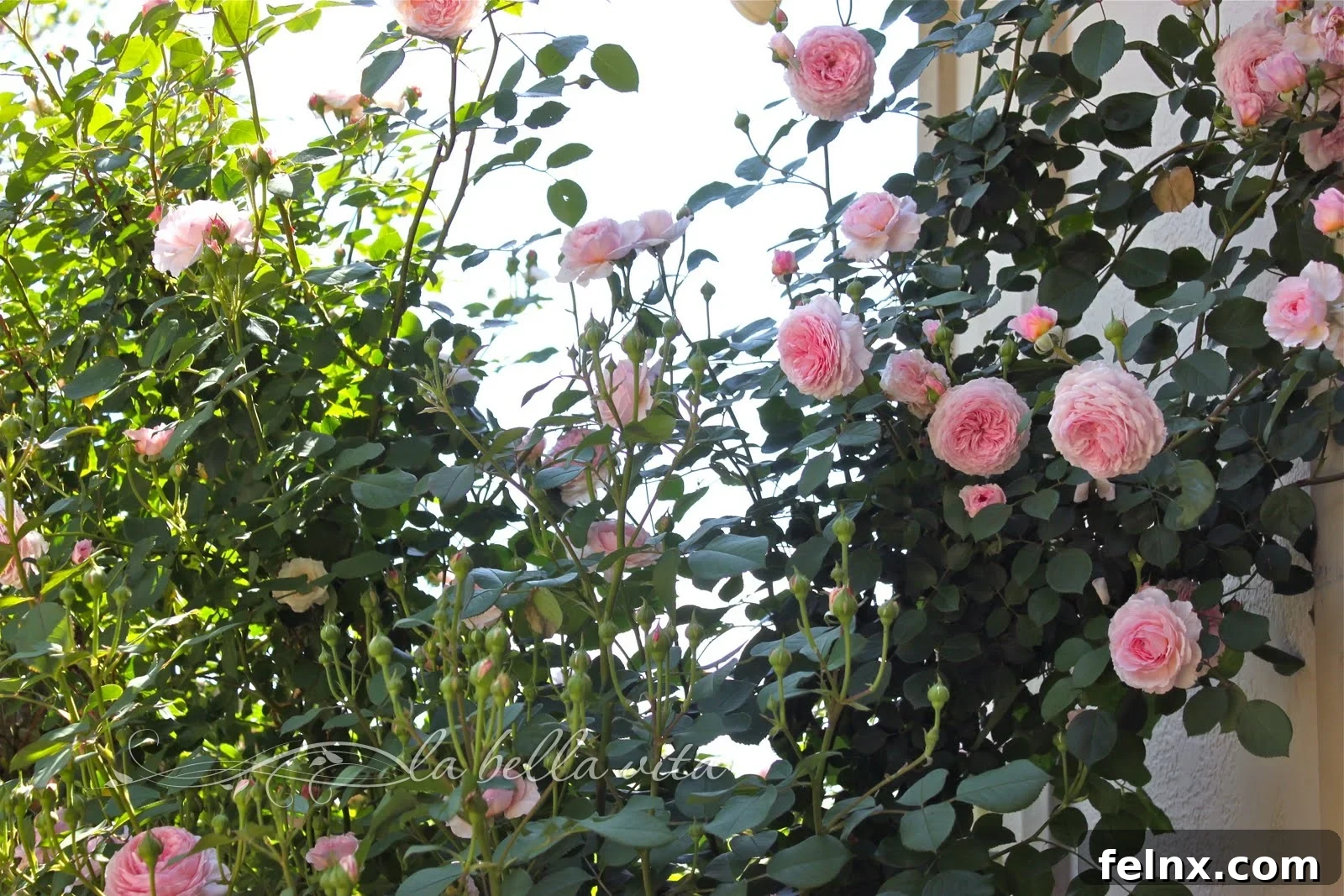
David Austin roses, often referred to as English Roses, are celebrated for combining the delicate charm and intense fragrance of old-fashioned roses with the repeat-blooming nature and disease resistance of modern varieties. Their cabbage-like blooms and multi-layered petals create a sense of nostalgia that few other flowers can match.
One of the primary reasons gardeners gravitate toward these antique-style roses is their resilience. Unlike some high-maintenance tea roses that require constant chemical intervention, many David Austin varieties are bred to be robust. They thrive in well-drained soil and require plenty of sunlight—at least six hours a day—to produce their characteristic abundance of buds. When you plant old-fashioned roses, you are investing in a garden that grows more beautiful and established with each passing year.
Why Choose Climbing Roses for Your Garden?
Climbing roses are a vertical masterpiece. If you have limited ground space or want to draw the eye upward, these are indispensable. In many gardens, climbing roses serve a functional purpose beyond their beauty: they are an excellent defense against local wildlife. For instance, in areas where deer are a common nuisance, climbing roses allow the delicate blooms to grow high out of reach of grazing animals. While deer may nibble on the lower foliage, the primary floral display remains safe on the upper branches.
Integrating structures like arbors, trellises, or pergolas provides the necessary support for these climbers. A well-constructed arbor transforms a simple walkway into a romantic passage. As the rose canes are trained along the structure, they create a living canopy of color and scent. Proper training of climbing roses involves horizontal positioning of the main canes, which encourages the growth of lateral shoots and results in more flowers along the entire length of the plant.
Anticipating the Bloom: The Beauty of Rose Buds
Half the joy of gardening is the anticipation. In the weeks leading up to the full bloom, the sight of a rose bush loaded with buds is a promise of the glory to come. During this stage, it is crucial to ensure the plants are well-hydrated. Consistent moisture helps the buds develop fully and prevents them from dropping prematurely.
To maximize the health of your roses during the budding phase, consider a balanced fertilizer applied in early spring. Organic options like compost or well-rotted manure also provide a slow-release nutrient boost that strengthens the plant’s immune system. Monitoring for early signs of aphids or black spots during this period ensures that the upcoming flowers will be pristine and healthy.
Creating a Secluded Sanctuary Under the Arbor
The space beneath a rose-covered arbor offers a unique microclimate. It is often cooler and shaded, providing a perfect spot for a garden bench or a quiet reading nook. The density of the climbing roses creates a sense of privacy and enclosure, making the garden feel like a hidden world away from the stresses of daily life.
Maintaining the area under the arbor involves regular pruning to keep the walkway clear and to remove any dead or diseased wood. This airflow is essential for the health of the roses, as it prevents the stagnant, humid conditions that fungi love. By keeping the base of the plants tidy, you also allow room for companion plants that thrive in dappled light.
Adding Vertical Interest with Clematis
While roses provide the backbone of the garden, clematis acts as the perfect companion. Known as the “Queen of Climbers,” clematis offers a variety of shapes and colors that complement roses beautifully. One particularly striking variety is “Nelly Moser,” famous for its large, pale pink flowers with a deep pink stripe down the center of each petal.
Clematis has a specific growth requirement often summarized as “heads in the sun, feet in the shade.” This means the vine needs sunlight to produce flowers, but the root system should be kept cool and moist. You can achieve this by planting low-growing shrubs or perennials around the base of the clematis or by applying a thick layer of mulch. Clematis and climbing roses are often grown together on the same trellis, as their different bloom shapes and foliage textures create a layered, professional garden look.
The Vibrant Splash of Southern Azaleas
No Southern spring garden is complete without azaleas. These shrubs are the hallmark of the region, providing massive clouds of color that define the season. While many azaleas bloom early in the spring, varieties like “Renee Michelle” are prized for being late-season bloomers, extending the garden’s color palette well into late spring and early summer.
“Renee Michelle” is an evergreen azalea, meaning it keeps its foliage year-round, providing structure to the garden even when not in bloom. Its flowers are a glowing pink, almost neon in their intensity, which makes them stand out even from a distance. Azaleas prefer acidic soil and filtered shade, often thriving under the canopy of tall pine or oak trees.
Design Tips for a Cohesive Spring Garden
To create a garden that feels harmonious, consider the following design principles:
- Layering Heights: Use climbing roses and clematis for the highest layer, tall rose shrubs for the middle, and azaleas or groundcovers for the lower levels. This creates depth and visual interest.
- Color Palettes: Stick to a consistent color theme. A mix of soft pinks, deep magentas, and crisp whites creates a romantic, cottage-style aesthetic. The cool greens of the foliage will act as a neutral backdrop.
- Succession Planting: Choose plants that bloom at slightly different times. By pairing early-blooming roses with late-blooming azaleas like “Renee Michelle,” you ensure that there is always something in flower throughout the entire spring season.
- Focal Points: Use structures like the “husband-built” arbor mentioned earlier to create a focal point. A focal point draws the eye and gives the garden a sense of purpose and structure.
Long-Term Care and Maintenance
While the plants discussed are generally low-maintenance, a few simple tasks will keep them thriving for decades. Deadheading roses—removing spent blooms—encourages the plant to produce more flowers rather than putting energy into seed production. For azaleas, pruning should be done immediately after they finish blooming to avoid cutting off next year’s flower buds. Mulching is perhaps the most important chore, as it retains moisture, regulates soil temperature, and enriches the soil as it breaks down.
Gardening in the South is a journey of discovery. Whether you are planting your first David Austin rose or expanding a collection of azaleas, the reward is a living masterpiece that changes with the light and the seasons. By focusing on hardy, beautiful varieties like these, you can enjoy a spectacular spring show with minimal effort.
If you are looking to add abundant blooms and vibrant color to your landscape, you truly cannot go wrong with the combination of old-fashioned roses, clematis, and azaleas. Together, they form the foundation of a classic garden that will bring joy to you and your visitors for many years to come.