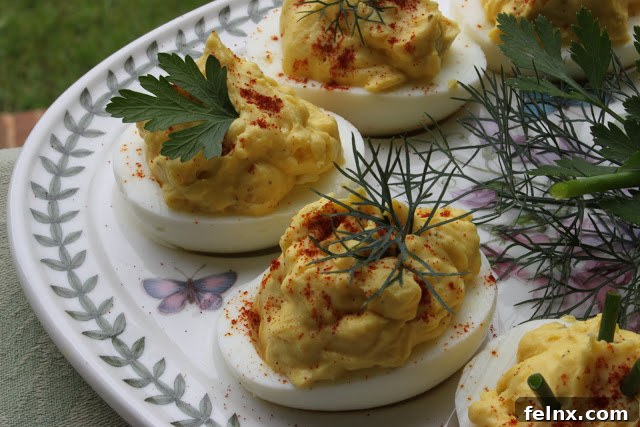
The Best Classic Deviled Eggs Recipe: A Timeless Family Favorite
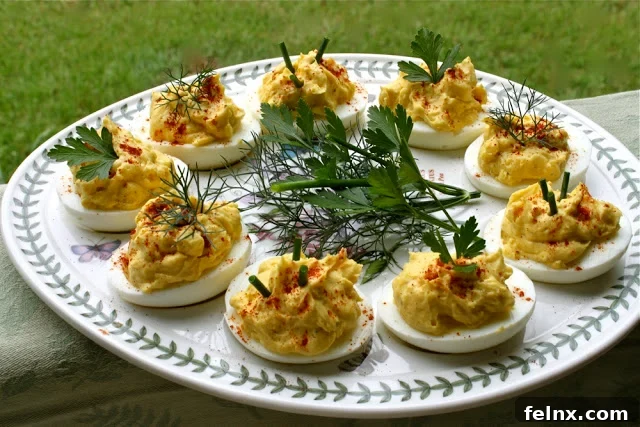
Deviled eggs are more than just a side dish; they are a nostalgic staple that brings back memories of family gatherings, holiday feasts, and summer picnics. In our household, these creamy delights were so beloved that we eventually named the recipe after my daughter. We call them “Lauren’s Deviled Eggs.” Watching the kids devour them as they grew up was a testament to how a simple, classic recipe can stand the test of time.
I originally discovered the foundation for this recipe in the iconic cookbooks that every kitchen seemed to own back in the day. Whether it was Better Homes and Gardens, Good Housekeeping, or The Joy of Cooking, these were the culinary bibles for anyone learning to cook in the 1970s. While my Nonna and Mama taught me the secrets of the Italian cucina, these classic American cookbooks helped me round out my skills. I still cherish my 1978 first-edition Better Homes and Gardens Cooknook. Its pages are stained with ingredients from decades of cooking, serving as a beautiful timeline of my culinary journey.
Why Traditional Deviled Eggs Never Go Out of Style
While food trends come and go, our family stays firmly rooted in the simple, traditional way of making deviled eggs. We aren’t looking for trendy additions like lemongrass, pesto, or curry. Instead, we celebrate the perfect harmony of high-quality eggs, tangy mustard, creamy mayonnaise, and a festive dusting of paprika. Sometimes, a sprinkle of fresh chives or garden-grown herbs is all you need to elevate this basic dish into something spectacular.
This recipe is a “keeper” that has been part of our family since the 70s. Even today, if anyone opens the refrigerator and sees those smooth, yellow mounds of savory goodness, their faces light up. It is a reminder that the simplest things in life—like a perfectly seasoned egg—often bring the most joy.

How to Avoid the Infamous Green Ring Around the Yolk
Have you ever peeled a hard-boiled egg only to find a disappointing greenish-gray ring around the yolk? It’s a common frustration, especially when you’ve used farm-fresh eggs or spent your hard-earned money at the market. Rest assured, while that ring is unattractive, it is completely harmless to eat.
The green ring is caused by a chemical reaction between the sulfur in the egg whites and the iron in the yolks. This happens when eggs are cooked for too long or at a temperature that is too high. To ensure your yolks remain a vibrant, sunny yellow, you must control the cooking time and stop the process immediately with an ice bath.
The Secret to Perfect Hard-Boiled Eggs
To achieve the perfect texture, you need a reliable method. Many people debate between the “cold water start” and the “boiling water start.” Through years of experience, I have found that both can work, but consistency is key.
The Cold Water Method:
- Place your eggs in a single layer in a large saucepan. Add enough cold water to cover them by at least an inch.
- Cover the pan and bring the water to a rolling boil.
- As soon as the water reaches a boil and the eggs start to jiggle, remove the pan from the heat entirely.
- Keep the lid on and set a timer. For large eggs, 15 minutes is usually the “sweet spot” for a firm yet creamy yolk. For jumbo eggs, let them sit for 17 minutes.
- Transfer the eggs immediately to a bowl of ice water to stop the cooking process.
The Boiling Water Method:
- Bring a pot of water to a rolling boil.
- Gently lower the eggs into the water using a slotted spoon or a “spider” ladle to prevent them from cracking against the bottom.
- Boil for 12 minutes for large eggs or 15 minutes for jumbo eggs.
- Immediately move them to an ice bath for at least 5 to 10 minutes before peeling.
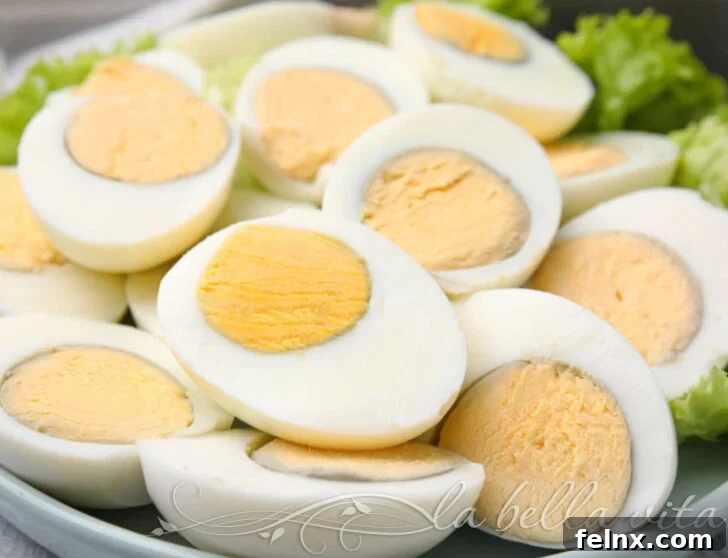
Pro Tips for Peeling Eggs Easily
Peeling eggs can be the most frustrating part of the process. To make it easier, try these tips:
- Use older eggs: Fresh-from-the-farm eggs are delicious, but they are notoriously hard to peel. Eggs that have been in the fridge for a week or two tend to peel much better.
- The Membrane Secret: When you start peeling, make sure to get your finger under the thin, clear membrane that sits between the shell and the white. If you pull the membrane away, the shell usually comes off in large pieces.
- Peel under water: Hold the egg under cold running water while peeling. The water helps lubricate the space between the shell and the egg.
Creative Variations to Jazz Up Your Deviled Eggs
If you want to step away from the classic recipe for a special occasion, here are several delicious ways to customize your filling:
- Carbonara Style: Mix the yolks with mayonnaise, a pinch of salt, and coarse black pepper. Top with shredded Parmesan cheese and crispy chopped pancetta.
- French Onion: Substitute the mayonnaise with French onion dip. Garnish with a tiny dollop of sour cream and crushed potato chips for added texture.
- Pimiento Cheese: Stir in pimiento cheese and a bit of water to reach the desired consistency. Top with crispy bacon bits.
- Spicy Guacamole: Combine the yolks with mashed avocado or prepared guacamole. Finish with a slice of jalapeño and a tiny dot of chipotle mayo.
- Buffalo Wing: Mix in Buffalo sauce and blue cheese dressing. Garnish with finely diced celery for a buffalo-chicken-style kick.
- Smoked Salmon: Use scallion cream cheese instead of some of the mayo. Blend with capers and top with a small piece of smoked salmon.
Serving and Storage Safety
Deviled eggs are best served chilled. You should refrigerate them immediately after preparing and consume them within four days. When transporting them to a picnic or potluck, safety is paramount. According to the CDC, eggs should not sit out at room temperature for more than two hours. If it’s a hot summer day, that time drops to one hour.
Investing in a dedicated egg carrier with an ice compartment underneath is a fantastic way to keep your eggs cool and safe during outdoor events. Always cover them loosely with plastic wrap or a lid to prevent the tops from drying out.
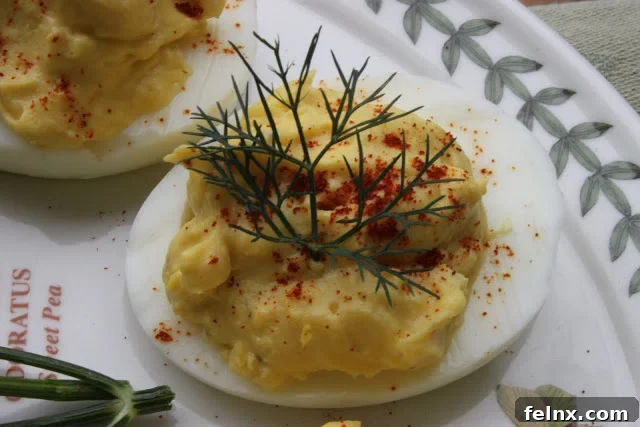
Lauren’s Classic Deviled Eggs Recipe
Here is the recipe that has been a staple in our family for decades. The “secret ingredient” is the melted butter, which provides an unmatched richness and smooth texture to the filling.
Ingredients
- 12 jumbo eggs
- 1/2 cup mayonnaise (or Miracle Whip if you prefer more tang)
- 3 tsp. yellow mustard
- 1-1/2 tsp. apple cider vinegar
- 4 Tbsp. melted butter (the secret for a creamy texture)
- 1 tsp. salt
- 1/4 tsp. black pepper
- Paprika for garnish
- Fresh herbs (chives or parsley) for garnish
Instructions
- Boil the Eggs: Use either the cold water or boiling water method described above to hard-boil your eggs. Aim for a 12-15 minute cook time depending on size.
- The Ice Bath: Immediately place cooked eggs in a bowl of ice water for at least 10 minutes.
- Peel: Crack the shells and peel them under cold running water, ensuring you get beneath the membrane.
- Prepare the Whites: Slice each egg in half lengthwise. Gently scoop out the yolks into a medium mixing bowl and set the whites aside on a serving platter.
- Make the Filling: Mash the yolks thoroughly with a fork until no large lumps remain. Add the mayonnaise, mustard, vinegar, melted butter, salt, and pepper.
- Blend: Whip the mixture with a fork or a small whisk until completely smooth. Taste and adjust seasoning if necessary.
- Fill: Spoon the mixture into the egg white cavities. For a fancier look, you can use a piping bag with a star tip.
- Garnish: Sprinkle with a light dusting of paprika and top with fresh herbs.
- Chill: Cover and refrigerate for at least an hour before serving to allow the flavors to meld.
Conclusion
Whether you are hosting an Easter brunch or a casual backyard barbecue, classic deviled eggs are always the first things to disappear from the table. By mastering the boil and adding that touch of melted butter, you’ll create a dish that people will be asking for year after year. Do you have a special ingredient you add to your eggs? We’d love to hear about your family traditions in the comments!
Other Recipes You Might Enjoy
If you love egg-based dishes, be sure to check out our Loaded Breakfast Casserole, the Cheesy Italian Frittata with Red Peppers, or the elegant Italian Cheesy Artichoke and Asparagus Phyllo Pie.