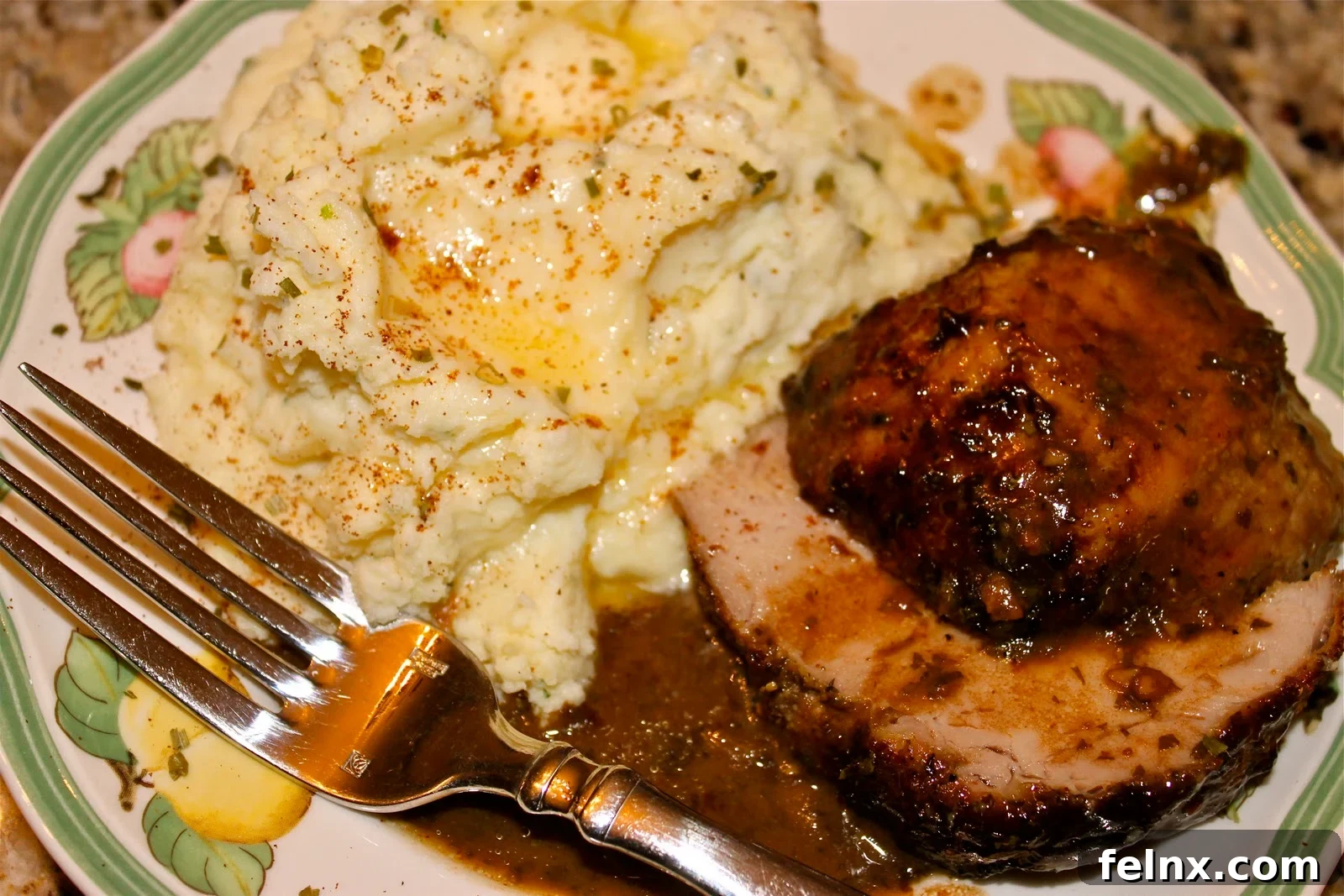
The Ultimate Guide to Roasted Pork Tenderloin with Roasted Garlic Vinaigrette
Roasting is perhaps one of the most rewarding cooking techniques in the culinary world. It transforms simple ingredients into deep, complex, and flavorful masterpieces through the magic of dry heat. When it comes to centerpiece meats, few options are as versatile and beloved as the pork tenderloin. This particular cut is known for its lean profile and incredibly tender texture, making it a favorite for both weeknight dinners and special family gatherings. Today, we are exploring a recipe that elevates this classic protein with a sophisticated, bold, and zesty roasted garlic vinaigrette, inspired by the culinary expertise of Giada de Laurentiis.
Why This Roasted Pork Tenderloin Recipe Stands Out
Many home cooks have their “go-to” recipes. For years, the gold standard in many kitchens was the legendary pork tenderloin recipe from the late Craig Claiborne’s “Classic New York Times” cookbook. While that recipe remains a timeless staple, variety is the spice of life. Stepping outside of one’s comfort zone to try a new interpretation can lead to a delightful discovery. This version, featured during a “Roasting” theme week for the “I Heart Cooking Clubs,” offers a contemporary twist that balances the richness of the meat with the sharp, sweet notes of balsamic vinegar and the mellow, nutty flavor of roasted garlic.
The beauty of this dish lies in its simplicity and the high-impact flavor profile of the accompanying sauce. The pork itself is roasted to succulent perfection, ensuring every bite is soft and juicy. However, the true star of the show is the Roasted Garlic Vinaigrette. It acts as a bridge between the savory meat and any side dish you choose to serve, creating a cohesive and memorable dining experience.
The Magic of Roasted Garlic
If you have never roasted a whole head of garlic, you are in for a treat. Raw garlic is pungent, sharp, and biting. But when wrapped in foil with a drizzle of olive oil and subjected to the heat of the oven, it undergoes a total transformation. The cloves soften into a buttery consistency, and the flavor becomes sweet, caramelized, and incredibly mild. This roasted garlic serves as the base for our vinaigrette, providing a depth of flavor that raw garlic simply cannot achieve.
Selecting the Perfect Pork Tenderloin
When shopping for this recipe, look for a high-quality boneless pork tenderloin. It should be pinkish-red in color with some fine marbling. Avoid meat that looks pale or has a lot of liquid in the packaging. Since the tenderloin is a lean muscle, it is prone to drying out if overcooked. This is why using a meat thermometer is essential. Aiming for an internal temperature of around 150°F (65°C) ensures the meat is safe to eat while remaining moist and tender.
Detailed Recipe: Roasted Pork Tenderloin with Roasted Garlic Vinaigrette
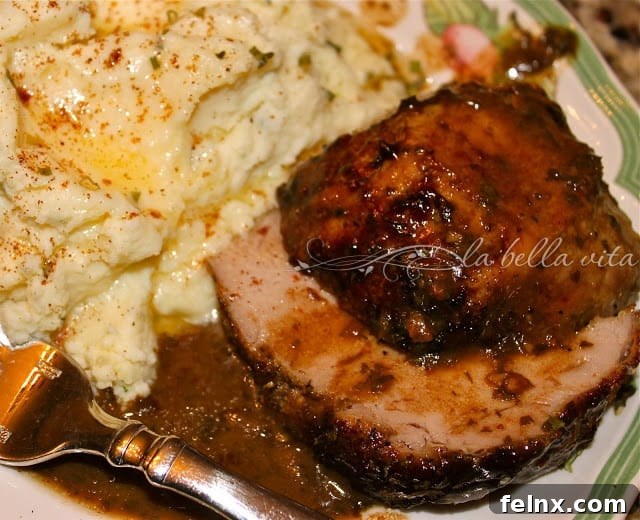
Roasted Pork Tenderloin with Roasted Garlic Vinaigrette
Ingredients
For the Roasted Garlic
- 2 full heads of garlic, sliced in half crosswise
- 2 tablespoons extra-virgin olive oil
- A pinch of sea salt
For the Roasted Pork Tenderloin
- 1 boneless pork tenderloin (approximately 4 to 4.5 pounds)
- Garlic & Herb seasoning (salt-free versions work best to control sodium)
For the Roasted Garlic Vinaigrette
- The roasted garlic cloves prepared above
- 1/2 cup fresh Italian parsley, finely chopped
- 1/3 cup to 1/2 cup balsamic vinegar (adjust based on desired tanginess)
- 3/4 cup extra-virgin olive oil
- 1 teaspoon sugar (or a sugar substitute to balance the acidity)
- 1 teaspoon sea salt
- 1/2 teaspoon freshly ground black pepper
- 2 tablespoons water (to adjust consistency)
Step-by-Step Instructions
1. Preparation and Garlic Roasting
Begin by preheating your oven to 475°F (245°C). While the oven reaches temperature, prepare the garlic. Place the halved garlic heads on a square of aluminum foil. Drizzle them generously with olive oil and a sprinkle of salt. Fold the foil up to create a sealed, airtight pouch, ensuring the garlic stays upright. Place this pouch in the oven and roast for about 45 minutes. You want the cloves to be golden and soft. Be careful not to exceed 60 minutes, as the garlic can turn bitter if it browns too much.
2. Roasting the Pork
About 30 minutes into the garlic roasting process, it’s time to start the pork. Place your tenderloin in a heavy-duty roasting pan. Season the meat thoroughly on all sides with your garlic and herb blend. Slide the pan into the oven alongside the garlic pouch. Roast until an instant-read thermometer inserted into the thickest part of the meat reaches 150°F. This typically takes 40 to 45 minutes depending on the thickness of the cut. Once finished, remove the pork from the oven, cover it loosely with foil, and let it rest for 15 minutes. This resting period is crucial as it allows the juices to redistribute, ensuring a tender result.
3. Creating the Vinaigrette
Once the garlic is cool enough to handle, squeeze the roasted cloves out of their skins directly into a blender. Add the fresh parsley and balsamic vinegar. Pulse the mixture until it is well combined. With the blender running on a low setting, slowly drizzle in the olive oil until the sauce emulsifies. Finally, add the sugar, salt, pepper, and water. Blend one last time until the vinaigrette is smooth and vibrant.
4. Serving
Slice the rested pork tenderloin into rounds of your preferred thickness. Arrange them on a platter and drizzle a portion of the vinaigrette over the top. Serve the remaining sauce in a small dish on the side for your guests to enjoy.
Perfect Side Dishes for Roasted Pork
While the pork tenderloin is the star, the right side dish can make the meal complete. To balance the potent and acidic notes of the balsamic garlic vinaigrette, a mild and creamy side is ideal. Homemade mashed potatoes are a classic choice for a reason. They provide a soft, neutral base that soaks up the vinaigrette beautifully.
To make truly exceptional mashed potatoes, skip the water and use a combination of milk and heavy whipping cream. Adding plenty of high-quality butter and a garnish of fresh chives and paprika creates a dish that is both visually appealing and incredibly comforting. For those seeking the “Creamiest, Dreamiest Mashed Potatoes,” the secret lies in mashing them while hot and incorporating the fats slowly to achieve a velvety texture.
A Meal for Everyone: Soft Food and Health Benefits
This recipe is not only delicious but also practical. Because the pork is roasted to a tender consistency and served with a smooth sauce and mashed potatoes, it is an excellent option for family members on restricted diets. Whether recovering from health challenges or simply needing “soft food” options, this meal provides high protein and rich flavors without being difficult to chew. Seeing a loved one enjoy a nutritious, home-cooked meal during a recovery period is one of the greatest rewards for any home cook.
Pro-Tips for SEO-Friendly Cooking
If you want to master the art of the perfect roast, keep these tips in mind:
- Room Temperature: Take the pork out of the refrigerator about 20-30 minutes before roasting to ensure even cooking.
- Balsamic Quality: Use a decent quality balsamic vinegar. It doesn’t have to be the most expensive aged variety, but a middle-tier vinegar will have a much better balance of sweetness and acidity than the cheapest options.
- Herb Variations: While parsley is used in this vinaigrette, you can experiment with fresh rosemary or thyme for a more earthy, autumnal flavor profile.
- Leftovers: Cold roasted pork tenderloin makes for incredible sandwiches the next day. Slice it thin and serve it on a baguette with a little leftover vinaigrette and some fresh arugula.
Conclusion: Italian Comfort Food at Its Best
Italian cooking is often defined by the quality of ingredients and the love put into the preparation. This Roasted Pork Tenderloin with Roasted Garlic Vinaigrette embodies that spirit. It is a dish that brings warmth to a cold winter evening and provides a sense of comfort that only a home-cooked meal can offer. Whether you are cooking for a crowd or a small family dinner, this recipe is sure to become a new favorite in your repertoire.
Did you make this recipe?
We would love to see your results! Leave a comment below or share your photos on Instagram using the hashtag #ItalianBellaVita. Happy roasting!