The Ultimate Guide to Pasta with Truffle Cream Sauce: A Gourmet Italian Experience
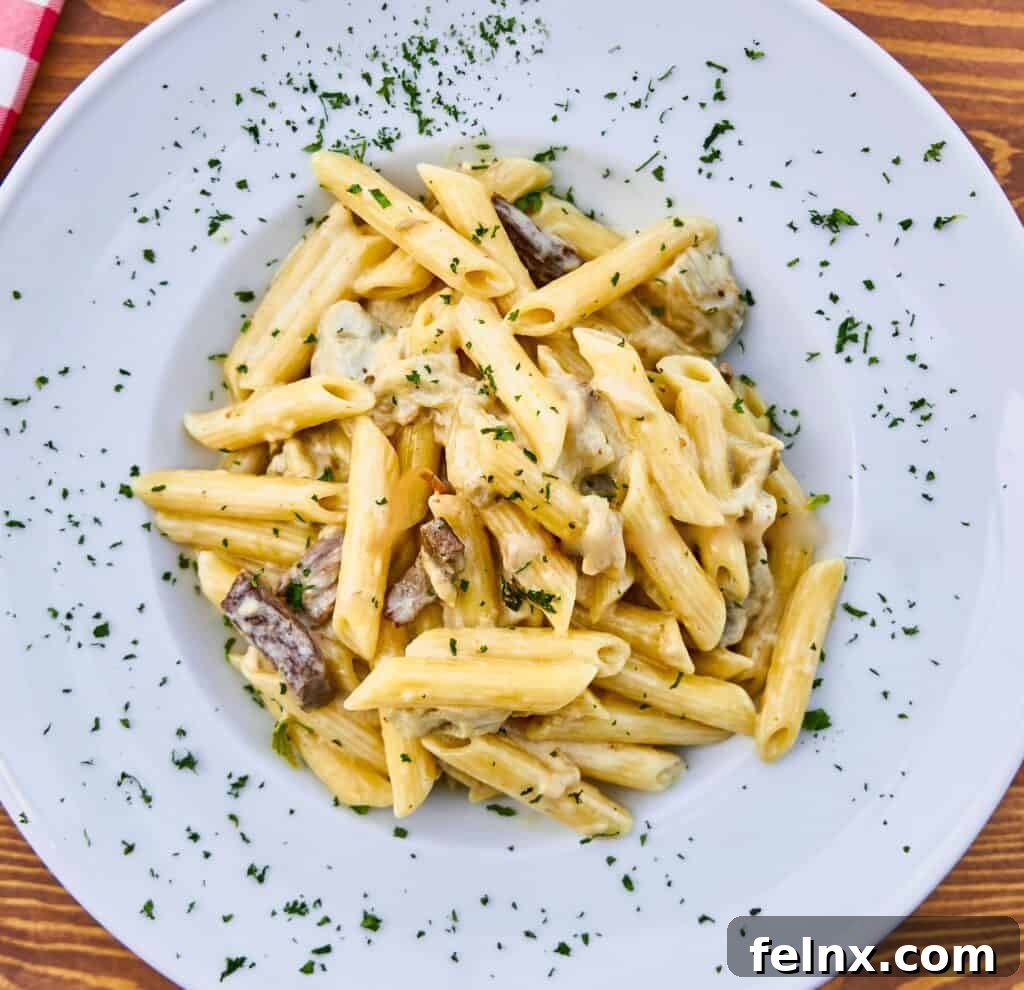
Pasta with Truffle Cream Sauce is a culinary masterpiece that embodies the essence of luxury dining. It is a dish that few can resist, offering a perfect harmony of textures and flavors. Imagine perfectly cooked pasta coated in a luscious, silky blanket of heavy cream and aged Parmigiano-Reggiano cheese. Floating within this delicate sauce are thin slivers of fragrant black truffles, releasing an earthy aroma that captivates the senses before you even take your first bite.
Italian truffles are often referred to as the “diamonds of the kitchen,” and for good reason. Worth their weight in gold, these rare fungi are highly coveted by chefs and food enthusiasts globally. They have the unique power to transform an ordinary recipe into an extraordinary gastronomic event. Much like fine champagne or premium caviar, truffles represent the pinnacle of elite food delicacies. This specific pasta recipe is not just a meal; it is a sensory journey that combines visual elegance with a flavor profile that is truly impossible to describe in simple words.
The Magic of Truffles: Why This Dish is Special
The first time you experience the taste of a real truffle, your palate changes forever. You begin to recognize that unmistakable, deep, earthy flavor and the intoxicating aroma that fills the room. This Pasta with Truffle Cream Sauce celebrates that intensity. While the ingredients are relatively simple, the quality of those ingredients is what makes the dish stand out.
This recipe is surprisingly easy to prepare, often taking less than 15 to 20 minutes from start to finish. Despite its quick preparation, it carries an air of sophistication that makes it perfect for special occasions, romantic dinners, or when you simply want to treat yourself to something magnificent. However, be warned: this is a decadent dish. It is rich, buttery, and full of carbohydrates. It might not fit into a strict keto diet, but it is certainly a “soul-satisfying” meal that is worth every calorie.
Essential Tips for Cooking with Truffles
If you are new to handling truffles, there are a few golden rules you should follow to ensure you get the most out of this expensive ingredient. Truffles are delicate and their flavor can be easily lost if not handled with care.
- Freshness is Key: Truffles should ideally be consumed within seven days of being harvested. Every day they spend out of the ground, they lose a portion of their potent aroma and flavor. If you purchase fresh truffles, plan your meal immediately.
- Simplicity Wins: When cooking with truffles, the “less is more” philosophy is your best friend. Truffles have a strong, dominant personality. You don’t need a dozen different spices or complex techniques. Let the truffle be the star of the show.
- Use High-Quality Ingredients: Since the recipe is simple, every other ingredient must be of the highest quality. Use authentic Parmigiano-Reggiano, high-fat European-style butter, and fresh, high-quality pasta.
- Heat Sensitivity: The flavor of black truffles actually intensifies when gently heated. You can add them toward the end of the cooking process or toss them with the hot pasta. White truffles, however, are even more delicate and are almost exclusively shaved raw over the finished dish.
- Perfect Pairings: Truffles have a natural affinity for fats. They pair beautifully with cream, butter, olive oil, and eggs. This is why truffle pasta, truffle risotto, and truffle-infused mashed potatoes are such classic combinations.
- Avoid Acid: Never mix truffles with highly acidic ingredients like lemon juice or strong vinegar. These will clash with the earthy notes and mask the subtle nuances of the truffle.
How to Find and Source Truffles
Finding fresh truffles can be a challenge depending on where you live. If you reside in a major metropolitan area with gourmet markets, you may find them during their peak seasons (winter for black truffles, autumn for white truffles). However, for those living in rural areas, online specialty stores are the best option. Be prepared for “sticker shock,” as fresh truffles are among the most expensive ingredients in the world.
Alternatives to Fresh Truffles
If fresh truffles are out of your budget or unavailable, you can still achieve a wonderful flavor using high-quality truffle-infused products. These are great for adding that gourmet touch to your everyday cooking.
- Truffle Salt: This is an excellent entry-point product. It consists of sea salt blended with tiny pieces of dried truffle. A small pinch over eggs or pasta can do wonders.
- Truffle Oil: While many commercial truffle oils use synthetic “essence,” high-quality versions infused with real truffle pieces are available. It should be used sparingly as a finishing oil, never for frying.
- Truffle Butter: Many specialty grocers sell butter already mixed with truffle bits. This is a fantastic shortcut for making a quick cream sauce.
- Truffle Honey: Often made with acacia honey, this is delicious when drizzled over aged cheeses like Pecorino or Gorgonzola.
Proper Storage for Fresh Truffles
If you invest in a fresh truffle, you must store it correctly to prevent it from spoiling. Moisture is the enemy of the truffle. To preserve it, wrap the truffle in a dry paper towel and place it in an airtight glass or plastic container. Keep this container in the coolest part of your refrigerator.
Change the paper towel daily to ensure no moisture builds up. Some people like to store truffles in a container filled with arborio rice. The rice absorbs moisture and, as a bonus, becomes infused with the truffle’s aroma, making it perfect for a later risotto. Do not clean the dirt off the truffle until right before you are ready to use it. Use a soft brush or a damp cloth for cleaning.
Pasta with Truffle Cream Sauce Recipe
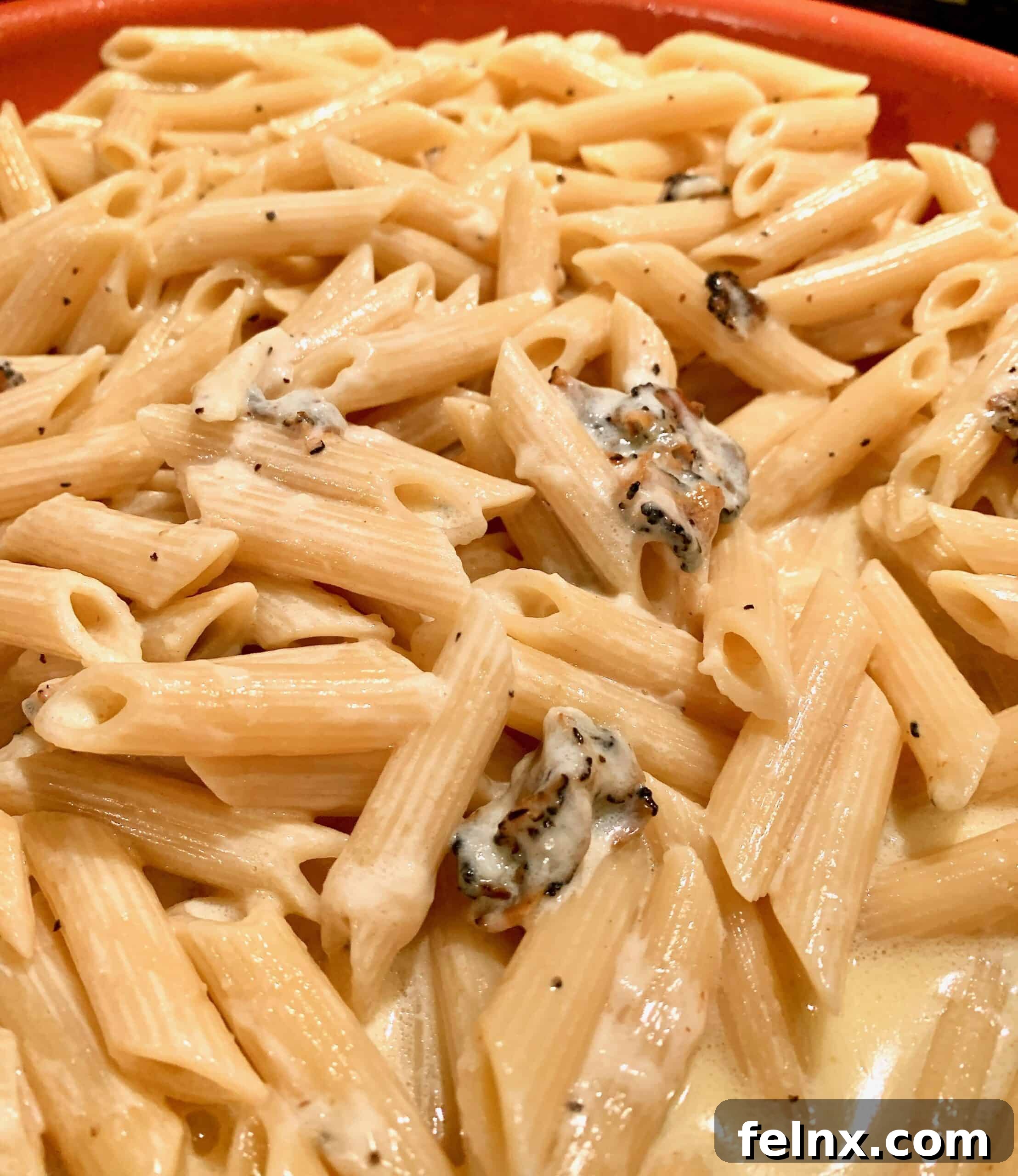
This recipe serves approximately six people and provides a rich, indulgent experience that your guests will never forget. Follow these steps to ensure a restaurant-quality result at home.
Ingredients Checklist
- 1.5 lbs. Fresh Pasta (Fettuccine, Pappardelle, or Tagliatelle are highly recommended)
- 1/2 cup Unsalted Butter (High-quality, grass-fed)
- 1.5 cups Parmigiano-Reggiano, freshly grated
- 1 cup Heavy Cream
- 1 to 2 oz. Fresh Italian Black Truffles (sliced or finely diced)
- Sea salt and freshly cracked black pepper, to taste
- Optional: Extra truffle oil for drizzling
Step-by-Step Instructions
1. Prepare the Pasta
Bring a large pot of salted water to a rolling boil. Use about one tablespoon of salt per gallon of water. Add your pasta. If using fresh pasta, it will cook very quickly—usually in 3 to 5 minutes. If using dried pasta, follow the package instructions but aim for al dente. This means the pasta should still have a slight firmness when bitten. Drain the pasta, but reserve about half a cup of the starchy pasta water just in case you need to thin your sauce later.
2. Create the Cream Base
While the pasta is boiling, place a large, deep skillet or frying pan over medium-low heat. Add the butter and let it melt slowly without browning. Once melted, pour in the heavy cream. Stir gently and let it come to a very light simmer. Do not let it boil vigorously, as this can cause the cream to separate.
3. Incorporate the Cheese
Gradually whisk in the freshly grated Parmigiano-Reggiano cheese. Continue stirring until the cheese has melted completely and the sauce is smooth and velvety. If the sauce seems too thick, you can add a tablespoon or two of the reserved pasta water.
4. Combine and Season
Add the cooked pasta directly into the skillet with the cream sauce. Toss gently using tongs or a pasta fork to ensure every strand is evenly coated. Season with a pinch of sea salt and a generous amount of freshly cracked black pepper. Remember that the cheese is already salty, so taste before adding extra salt.
5. The Finishing Touch: The Truffles
Remove the pan from the heat. This is the moment to add your truffles. Use a truffle slicer or a very sharp mandoline to shave thin slivers of truffle directly over the pasta. Alternatively, you can stir in finely diced truffles. The residual heat from the pasta will release the truffle’s aroma beautifully. Serve immediately in warmed bowls.
Enhancing the Experience: Recommended Kitchen Tools
To prepare this dish like a professional, having the right tools can make a significant difference. Here are a few recommendations for your kitchen arsenal:
- Stainless Steel Pasta Pot: A large pot with a built-in strainer makes draining pasta much safer and easier.
- Copper or Non-Stick Skillet: A high-quality pan with good heat distribution ensures your cream sauce doesn’t burn or stick.
- Truffle Slicer: If you are using fresh truffles, a dedicated slicer is essential for achieving those paper-thin shavings that melt into the sauce.
- Microplane Grater: Essential for grating your Parmigiano-Reggiano into a fine powder that melts instantly.
Frequently Asked Questions
Can I use White Truffles instead of Black?
Yes, but the method changes slightly. White truffles are more aromatic and much more expensive. They should never be cooked. If you use white truffles, make the cream and cheese sauce as directed, toss with the pasta, and then shave the white truffles over the plates only after they have been served.
What is the best pasta shape for truffle sauce?
Long, flat noodles like fettuccine, tagliatelle, or pappardelle are traditional because they provide a large surface area for the silky sauce to cling to. However, tubular shapes like penne or rigatoni also work well as they trap the sauce inside the pasta.
Can I make this ahead of time?
Cream-based pasta dishes are best enjoyed immediately. As the pasta sits, it absorbs the sauce, and the texture can become thick or sticky. If you must reheat it, do so very gently on the stovetop with an extra splash of cream or milk to loosen the sauce.
Enjoying a plate of Pasta with Truffle Cream Sauce is an experience of pure indulgence. Whether you are celebrating a milestone or simply appreciating the finer things in life, this recipe brings the authentic taste of Italy directly to your table. The combination of rich cream, salty cheese, and earthy truffles is a timeless classic that never fails to impress.