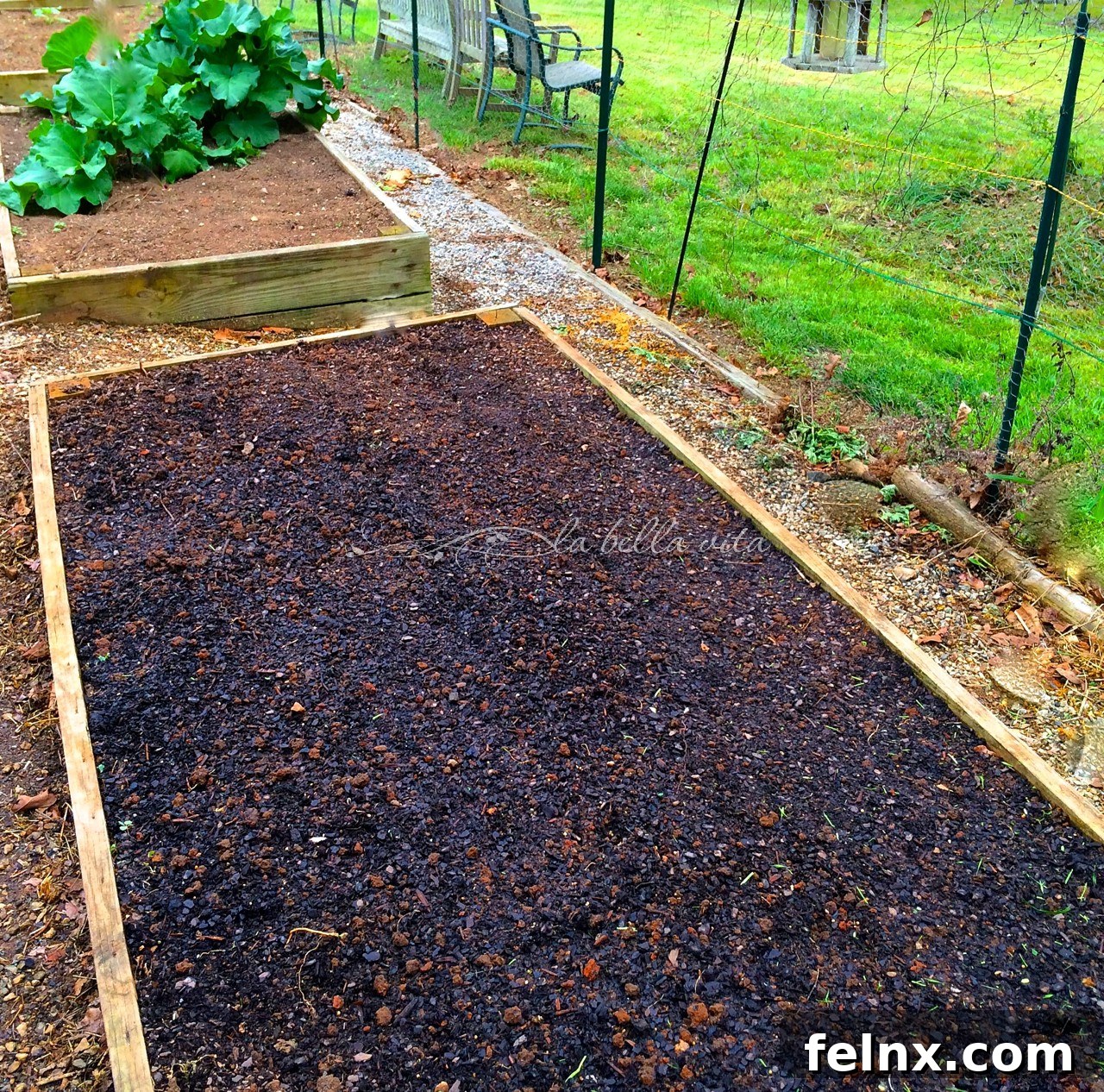
Essential Garden Soil Preparation Guide for Healthy Vegetables and Flowers
Spring is finally here, and for many gardening enthusiasts, it is the most exciting time of the year. The air is getting warmer, the birds are singing, and the soil is calling. If you live in a region where the threat of frost is finally fading, it is time to get your hands dirty. Preparing your garden is not just about digging holes and dropping seeds; it is about building a foundation for life. Whether you are a seasoned gardener or a beginner, understanding how to prepare your soil is the secret to a high-yield, vibrant garden.
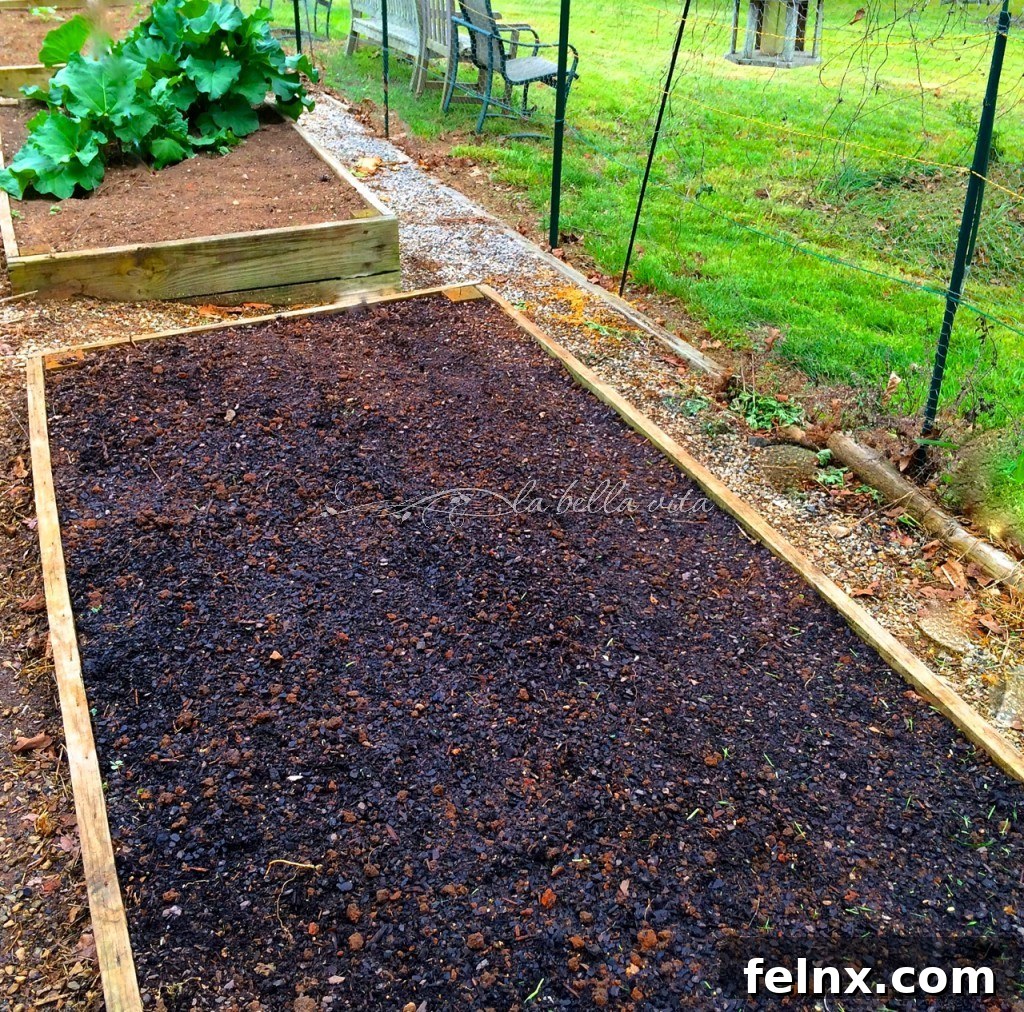
The Importance of Timing in the Garden
One of the most common mistakes gardeners make is rushing the process. We have all been there—a few warm days in early spring make us think the winter is over. However, many of us have learned the hard way that a sudden late freeze can be devastating. Losing hundreds of dollars in young vegetable plants and hours of hard labor to a single cold night is a heartbreaking experience. That is why waiting for the official frost-free date in your specific hardiness zone is crucial.
While you wait for those final freezing dates to pass, you can focus your energy on the most important part of the garden: the soil. Healthy soil is the engine of your garden. It provides the nutrients, water-holding capacity, and structural support that your plants need to thrive. By investing time in soil amendment now, you ensure that your vegetables, flowers, and fruits grow with more vigor and resistance to pests and diseases.
The Science of Healthy Soil
Even if you are lucky enough to have decent soil, it is rarely “perfect” right out of the gate. To create a truly productive environment, you need to think of soil as a living ecosystem. Below the surface, a healthy garden is teeming with life. Earthworms, beneficial insects, and billions of microscopic microbes work around the clock to break down organic matter and make nutrients available to plant roots.
When the soil is balanced and rich in organic material, these “little workhorses” flourish. They create tunnels that allow air and water to reach the roots, and they convert minerals into a form that plants can easily absorb. Without this biological activity, your soil is just dirt. With it, your soil becomes “black gold.”
Step-by-Step Guide to Preparing Raised Beds
Raised beds offer a great deal of control over the growing environment. They provide excellent drainage and allow you to tailor the soil composition precisely. Here is a proven method for prepping raised beds every year to ensure maximum productivity:
- Start with High-Quality Topsoil: If you are building new beds, fill them about halfway with a premium topsoil. This provides a solid, mineral-rich base for your plants.
- Incorporate Composted Manure: Manure is one of the best organic fertilizers available. Adding bags of well-rotted cow manure helps introduce essential nitrogen and beneficial bacteria. Blend this thoroughly with the topsoil to avoid “burning” young roots.
- Add Specialized Gardening Soil: To improve the texture and nutrient profile, mix in a high-quality gardening soil mix. This helps create a loose, friable texture that makes it easy for roots to expand.
- Utilize Organic Matter: Every autumn, consider mulching your beds with organic matter found around your property. Shredded leaves, small twigs, grass clippings, and aged horse manure are excellent choices. This matter breaks down over the winter, improving soil structure and water retention for the following summer.
- Boost with Liquid Micro-Nutrients: Once your soil layers are combined, apply a liquid fish and seaweed emulsion. While it may have a strong odor, this “stinky stuff” is packed with iron, zinc, manganese, boron, and copper. These micronutrients act like a multivitamin for your plants, encouraging strong root development and helping them fight off bacteria and pests.
- Annual Maintenance: Soil is not a “one and done” project. Every spring, you must replenish what the previous year’s plants used up. Observe the color and texture of your soil; if it looks pale or feels compacted, it is time for more amendments.
Conquering Challenging Clay Soil
Not everyone has the luxury of starting with perfect loam. In many regions, gardeners must deal with heavy, red clay soil. Clay can be incredibly frustrating because it stays wet and cold in the spring, then turns into a brick-like substance during the heat of summer. However, clay is actually very rich in minerals; it just needs to be “unlocked.”
To convert heavy clay into productive garden soil, you need to focus on structure. Adding copious amounts of organic matter—such as compost, peat moss, and aged manure—is essential. Over time, these materials will bind with the clay particles to create larger “peds,” allowing for better aeration and drainage. It requires some physical effort, often referred to as “elbow grease,” but the results are worth it. With consistent amending, even the toughest clay can become a happy home for beautiful shrubs, trees, and vegetables.
Success Stories: Growing the Impossible
Proof of a successful soil program is in the results. For example, growing rhubarb in the warmer southern regions is often considered nearly impossible because of the heat and soil conditions. However, with highly amended, nutrient-dense soil that retains moisture and stays cool, even temperamental plants like rhubarb can return healthily every spring. This demonstrates that when you feed the soil, the soil feeds the plants.
Another favorite for many gardeners is the tomato. To grow the best tomatoes, the soil needs to be deep and rich. Tomatoes are heavy feeders that require consistent moisture and specific nutrients like calcium to prevent issues like blossom end rot. By following a rigorous soil preparation routine, you set the stage for a record-breaking harvest of juicy, flavorful tomatoes.
The Benefits of Organic Amendments
Using organic amendments like fish emulsion and composted manure does more than just feed the plants. It builds the long-term health of the land. Synthetic fertilizers often provide a quick burst of growth but can lead to salt buildup and a decline in soil microbial life over time. Organic methods, on the other hand, improve the soil’s ability to hold water, which is a lifesaver during intense summer droughts. They also support a diverse ecosystem of beneficial insects that help keep pest populations in check naturally.
Conclusion: Start Your Garden Journey Today
Gardening is a journey of patience and discovery. While the physical labor of turning soil and hauling bags of manure can be tiring, the reward of seeing those first green shoots emerge from the ground is incomparable. By taking the time to prepare your garden soil correctly now, you are saving yourself from future headaches and ensuring a lush, productive garden for the months to come.
Don’t be afraid to experiment with different organic materials and find what works best for your specific climate and soil type. Whether you are working in raised beds or tackling a large in-ground plot, the principles remain the same: feed the soil, encourage life, and respect the timing of nature. Happy gardening, and may your harvest be the best one yet!