Comprehensive Guide to Essential Pantry Basics for Emergency Preparedness
In times of uncertainty, our homes become our primary sanctuaries. Whether we are facing a global health event, a natural disaster, or any situation that requires us to stay indoors for an extended period, the way we manage our kitchen changes fundamentally. However, being confined to your home does not mean you have to sacrifice nutrition or flavor. You don’t have to survive solely on basic sandwiches; with a bit of creativity and the right preparation, you can enjoy healthy, comforting, and delicious meals using simple pantry staples.
Preparedness is not just about hoarding supplies; it is about strategic planning to ensure your family’s well-being. Unlike preparing for a short-term event like a weekend snowstorm, long-term emergency preparedness requires a more thoughtful approach to nutrition, shelf-life, and resource management. This guide will walk you through the essential items you need to maintain a robust and healthy pantry, ensuring you are ready for whatever challenges come your way.
Securing Your Energy Sources: Power is a Priority
Before focusing on the food itself, it is crucial to consider how you will cook it. Most modern kitchen appliances rely on electricity or gas. While utility companies generally strive to keep services running, it is always wise to have a backup plan. If the power goes out, your stove, oven, and microwave might become unusable.
- Portable Generators: Investing in a generator can be a lifesaver. Having a small or medium-sized unit can keep your refrigerator running and power basic cooking appliances.
- Fuel Supplies: If you have a generator, ensure you have enough gasoline stored safely to power it. Similarly, if you use a gas stove, check your supply levels.
- Alternative Cooking Methods: If you have a wood-burning fireplace or an outdoor wood oven, keep a healthy supply of seasoned firewood. These can serve as excellent heat sources for cooking during a power failure.
- Outdoor Grilling: Don’t overlook your charcoal or gas grill. Keeping extra charcoal, wood chips, or propane tanks on hand allows you to cook outside if your indoor kitchen is unavailable.
Building a Balanced Stockpile: The 2-Week Rule
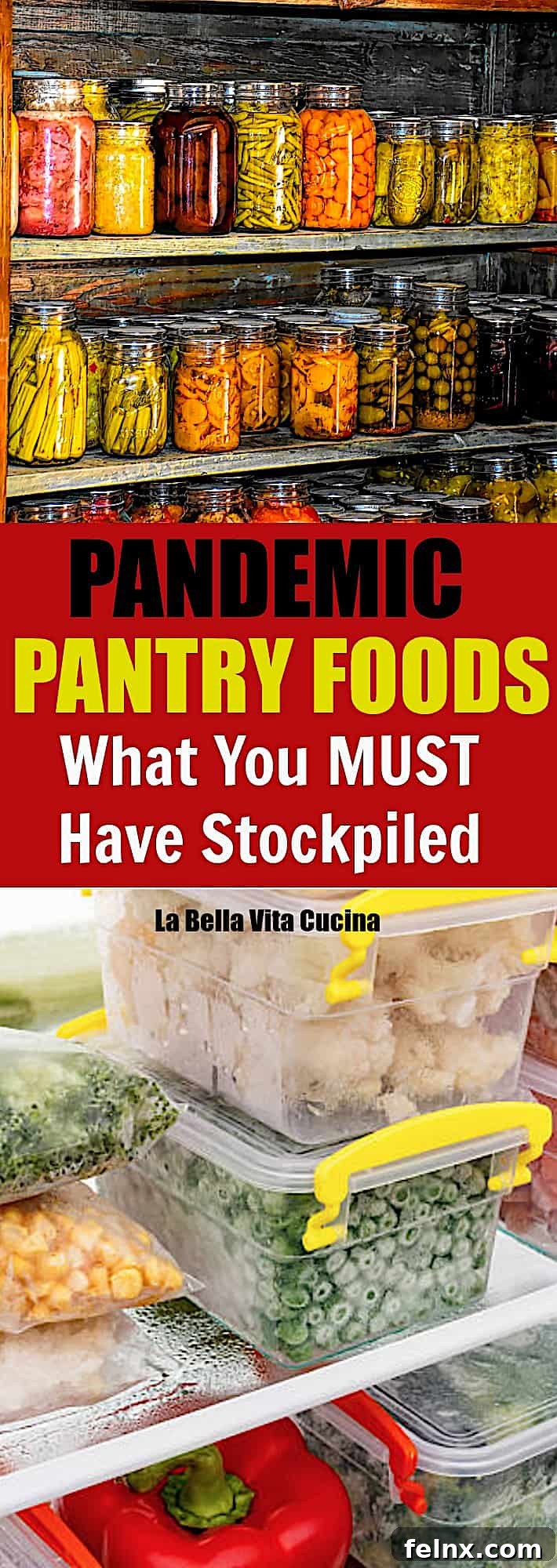
General recommendations often suggest maintaining at least a two-week supply of food. For those living in rural areas or households that prefer to minimize trips to the grocery store, a larger stockpile may be necessary. The key is to focus on items that are nutrient-dense and versatile. While canned goods are a staple, they shouldn’t be your only resource. Aim for a mix of dried goods, frozen items, and long-lasting fresh produce to maintain a healthy diet that supports your immune system.
Essential Dried Goods for Every Pantry
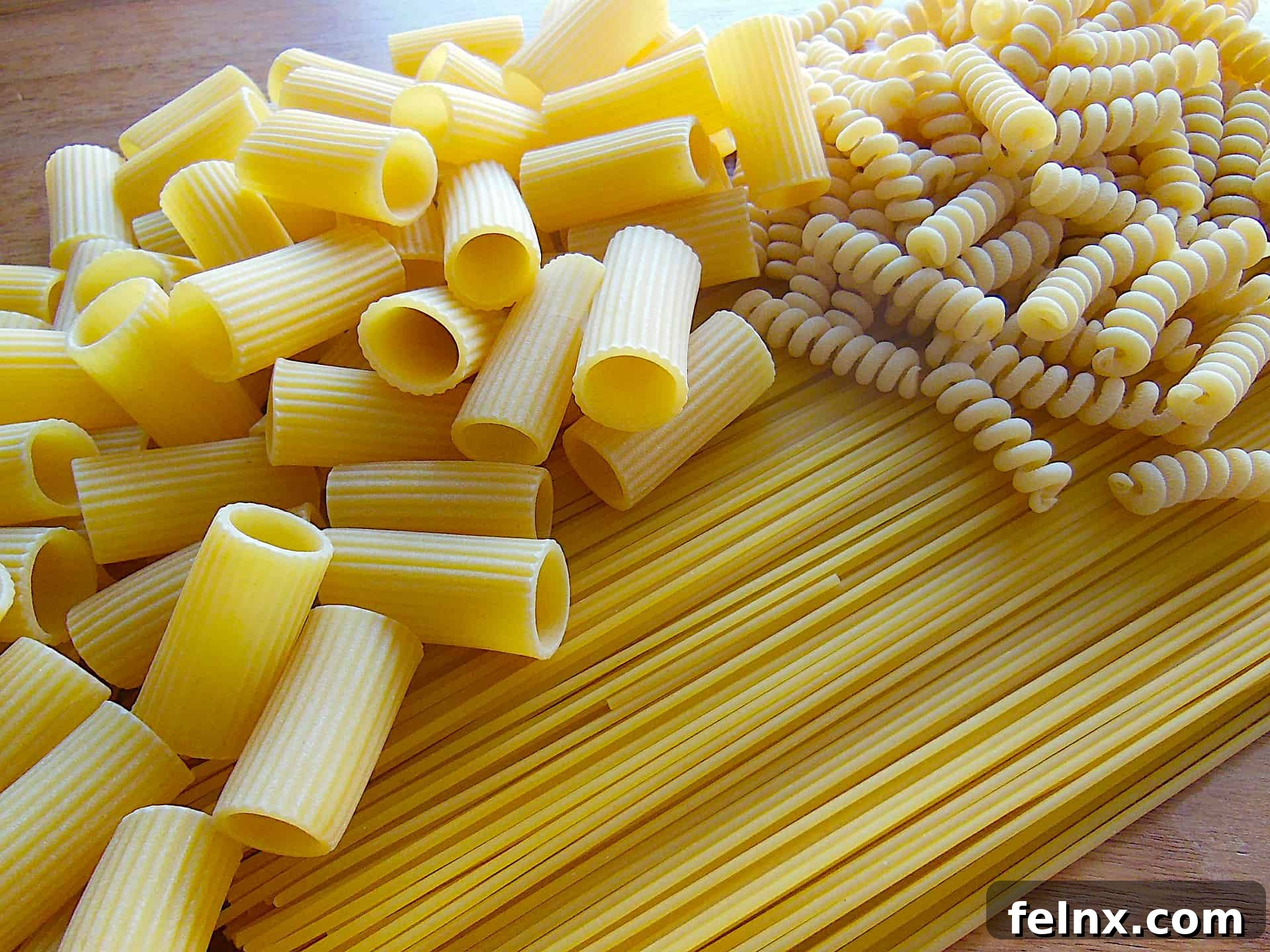
Dried goods are the backbone of any emergency pantry. They typically have a very long shelf life, are cost-effective, and provide the carbohydrates and proteins needed for energy. Here are the must-have items:
- Baking Staples: Flour, sugar (including substitutes), and yeast. These allow you to make your own bread, crackers, and snacks from scratch, which is often healthier than store-bought versions.
- Beverages: Coffee and tea are not just comforts; they are essential for morale and provide much-needed antioxidants.
- Grains and Pasta: Dried pasta, rice, oats, and cornmeal. These can be used in thousands of different recipes, from soups to casseroles.
- Proteins: Dried beans, lentils, and chickpeas. These are excellent sources of plant-based protein and fiber. If you prefer convenience, canned versions are also great.
- Healthy Snacks: Nuts (especially almonds), dried fruits, raisins, and granola bars. These provide quick energy and healthy fats. Popcorn is another great, long-lasting snack option.
- Breakfast Items: Cereals, oatmeal, and pancake mix. These are easy to prepare and can be customized with dried or frozen fruit.
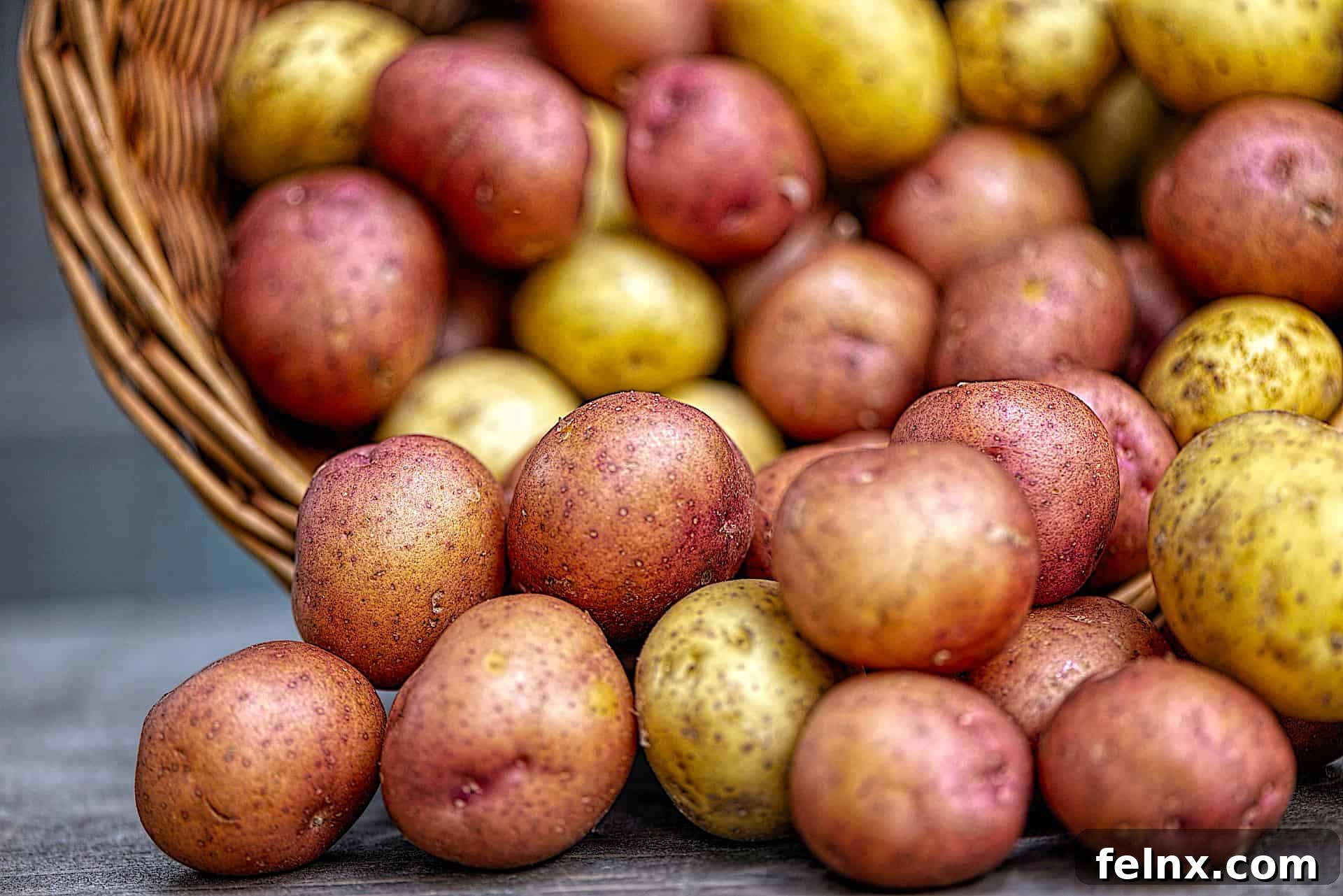
Fresh Produce with a Long Shelf Life
Not all fresh fruits and vegetables spoil quickly. By selecting specific types of produce, you can enjoy fresh flavors even weeks after your last shopping trip. These items do not require refrigeration if kept in a cool, dark place:
- Onions and Garlic: These are fundamental for flavoring almost any savory dish.
- Potatoes: A versatile carbohydrate that can be stored for months.
- Hardy Fruits: Apples, oranges, and grapefruits tend to stay fresh much longer than berries or stone fruits.
- Root Vegetables: Carrots and beets can also last a significant amount of time if stored properly.

Dairy and Refrigerated Essentials
While refrigeration is necessary for these items, many have longer shelf lives than you might expect. Focus on items that can be used in multiple ways:
- Eggs: These are perhaps the most versatile protein source available and can last several weeks in the refrigerator.
- Hard Cheeses: Aged cheeses like Parmesan, Pecorino, Manchego, and Asiago have a much longer shelf life than soft cheeses.
- Butter: Essential for cooking and baking. Interestingly, butter can also be frozen for long-term storage.
- Milk and Juices: Keep a supply of milk for cooking and drinking. Long-life (UHT) milk is a great shelf-stable alternative to traditional refrigerated milk.
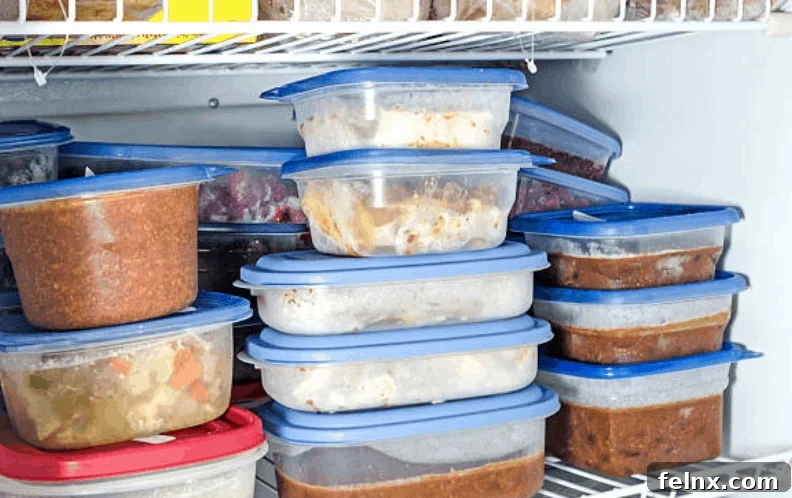
Maximizing Your Freezer Strategy
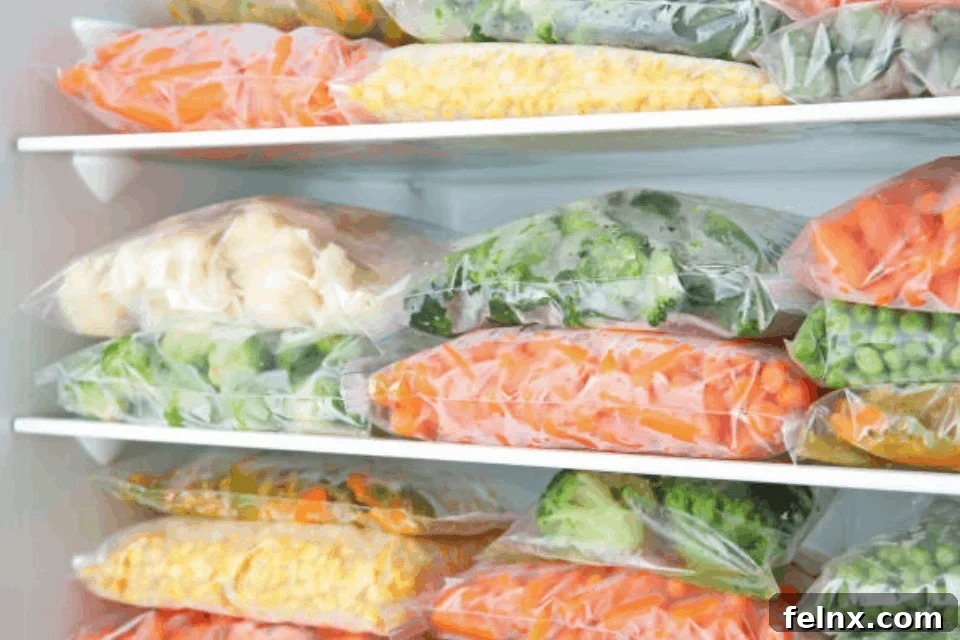
The freezer is your best friend when it comes to long-term storage of perishable items. If you have the space, a chest freezer can significantly increase your storage capacity. Consider freezing the following:
- Meats and Seafood: Chicken, beef, pork, and fish. Portion them out before freezing to make meal prep easier.
- Vegetables and Fruits: Frozen peas, corn, broccoli, and berries are often just as nutritious as fresh ones because they are frozen at the peak of ripeness.
- Prepared Meals: Soups, chili, and pasta sauces can be made in large batches and frozen for quick meals later.
- Breads and Grains: Tortillas, bagels, English muffins, and even fresh pasta can be stored in the freezer to prevent mold.
- The Comfort Factor: Don’t forget treats like ice cream. Maintaining a sense of normalcy and enjoyment is vital for mental health during stressful times.
Condiments and Flavor Enhancers
A well-stocked pantry is only as good as the seasonings you have to make the food taste great. Condiments can transform basic beans and rice into a gourmet meal. Ensure you have plenty of:
- Oils and Vinegars: Olive oil is a must, along with balsamic, red wine, or apple cider vinegars for dressings and marinades.
- Spices: Salt and pepper are the basics, but don’t forget cumin, paprika, oregano, and cinnamon.
- Sauces: Mustard, ketchup, mayonnaise, and soy sauce.
- Preserved Items: Olives and pickles add a punch of flavor and acidity to heavy meals.
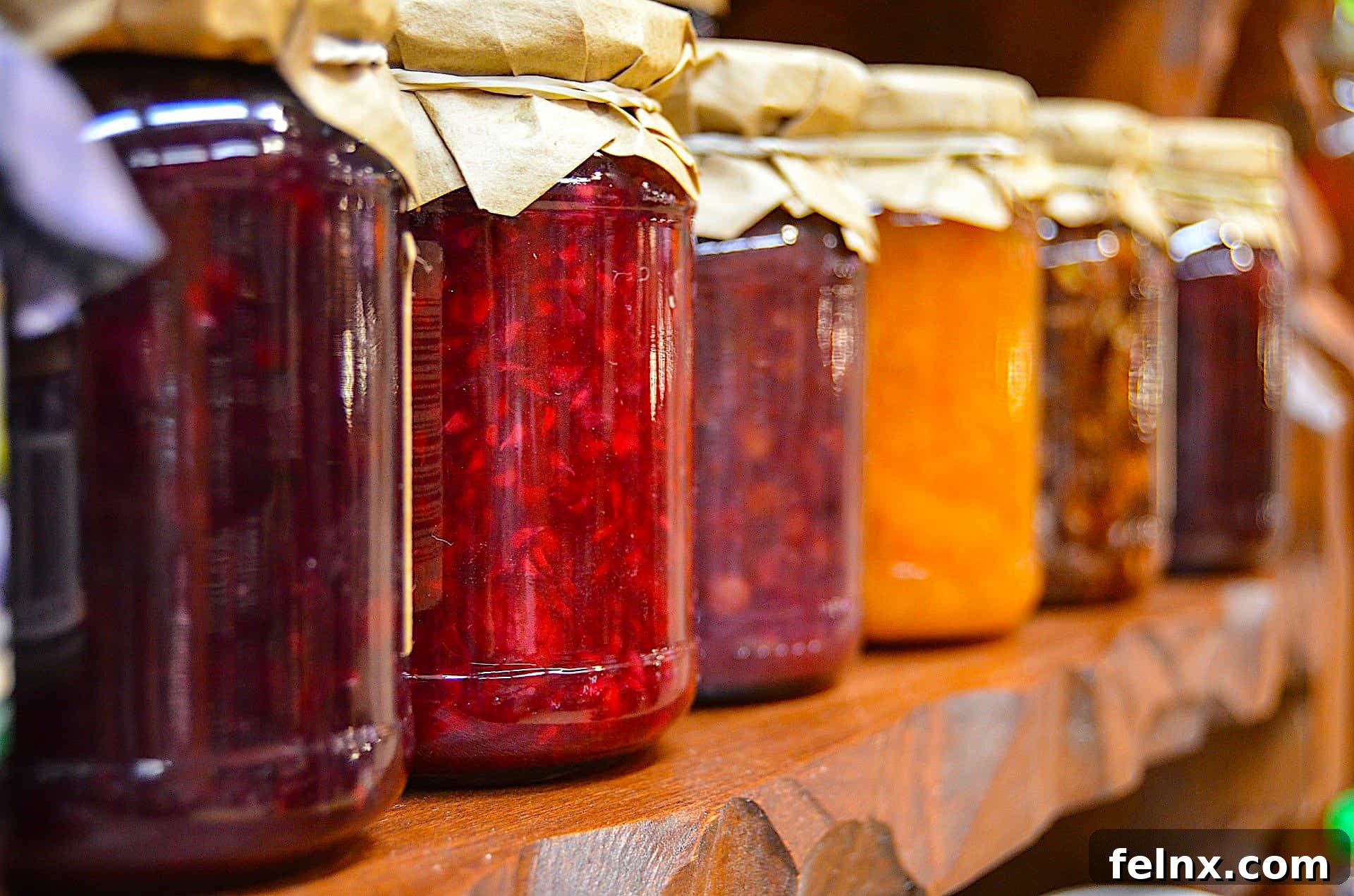
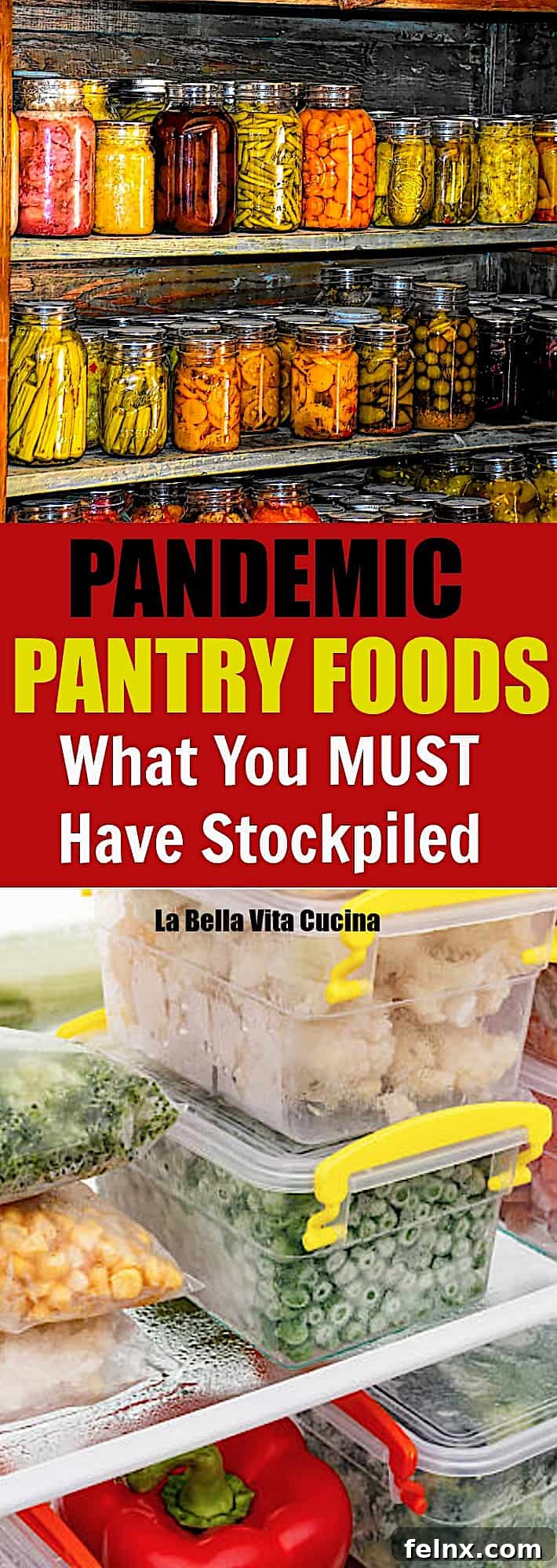
Canned and Jarred Goods
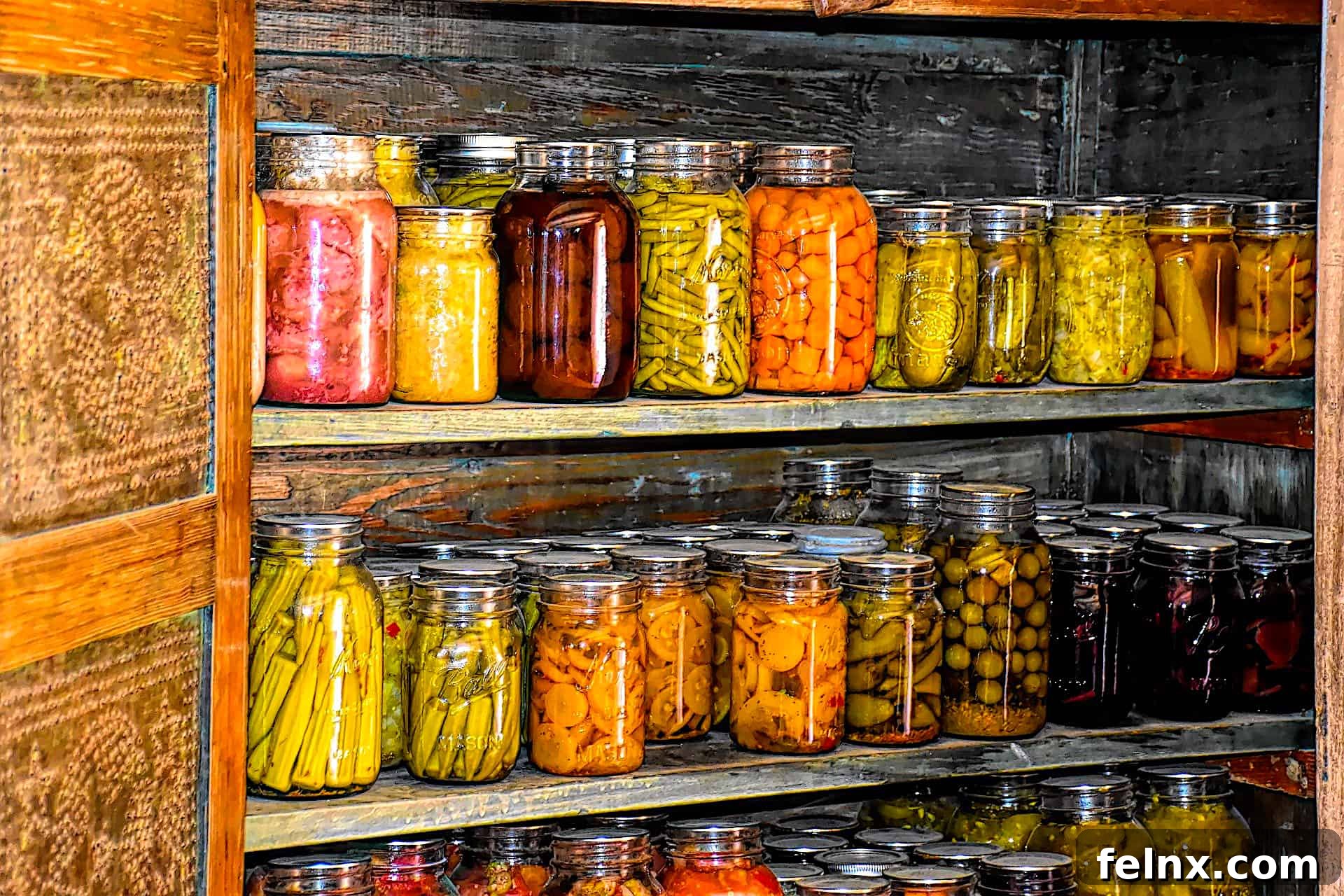
Canned foods are reliable because they require no refrigeration and are already cooked. When choosing canned goods, look for options with lower sodium and no added sugars.
- Tomatoes: Canned peeled tomatoes, tomato paste, and diced tomatoes are the base for many sauces and stews.
- Canned Proteins: Tuna, salmon, and chicken are perfect for quick salads or sandwiches.
- Canned Vegetables: Corn, peas, and green beans are useful when fresh options run low.
- Fruit Preserves: Jams and jellies provide a sweet treat and go perfectly with homemade bread.
Building a pantry is an ongoing process. You don’t need to buy everything at once. Start by picking up a few extra items during your regular shopping trips. Focus on what your family actually eats; there is no point in stocking up on items that will go to waste because nobody likes them.
In addition to physical preparation, maintaining a positive mindset and a sense of community is essential. We are all in this together, and supporting one another is what will help us get through difficult times. Whether it’s sharing a recipe, checking in on a neighbor, or offering a prayer, these small acts of kindness make a big difference.

If you have any questions about food storage or need suggestions for recipes using these pantry basics, please feel free to reach out. I am continuously updating this list as I find new ways to stay prepared and healthy. Stay safe, stay positive, and take care of one another.