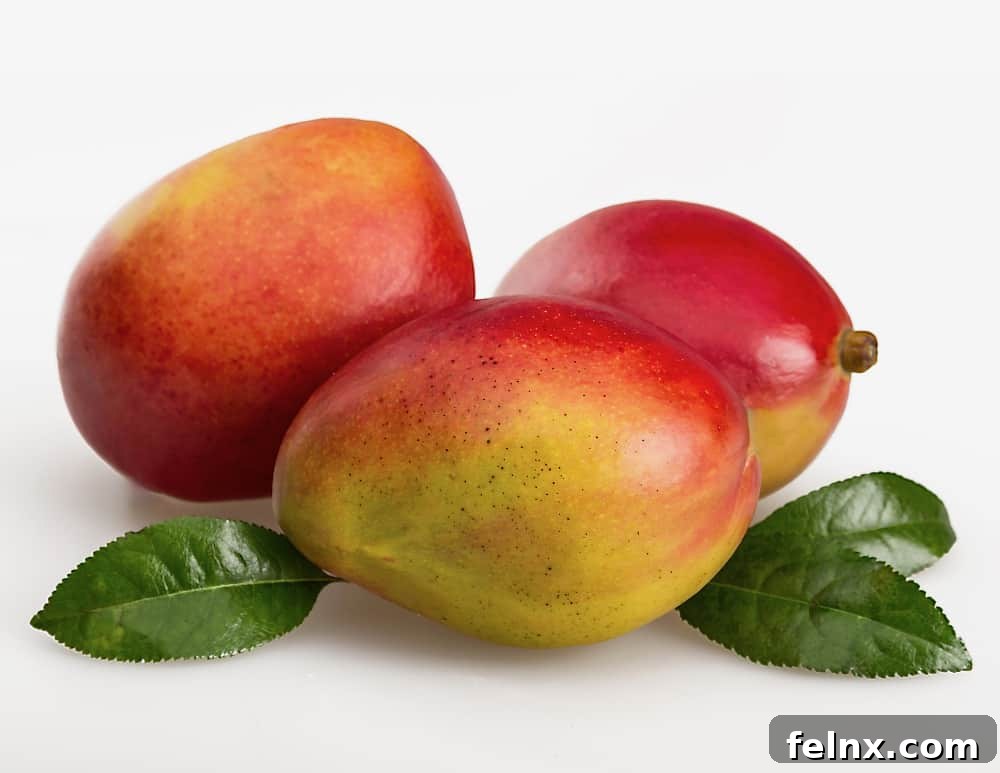
Welcome to Mango Season: Celebrating the King of Fruits in June
Happy June! As the heat of summer begins to settle in, we welcome one of the most anticipated times of the year for fruit lovers: Mango Season. While modern grocery stores allow us to enjoy mangoes throughout the year, nothing compares to the flavor of a mango at its absolute peak. During the months of June and July, these tropical treasures reach their maximum sweetness, juiciness, and fragrance. Truly, the mango is the undisputed darling of the summer season.
Are you currently looking for inspiration for your mango haul? Or perhaps you are wondering how to incorporate this versatile fruit into your weekly meal plan? You have come to the right place. Mangoes offer a unique profile that bridges the gap between sweet and savory. Whether you are blending them into a refreshing morning smoothie, dicing them for a vibrant salsa, or using them as a sophisticated topping for grilled proteins, mangoes bring a burst of sunshine to every dish.
In this comprehensive guide, we will explore why mangoes are so beloved across the globe, dive into some fascinating nutritional facts, and share a collection of the best mango recipes available today. From sweet tea breads to creamy milkshakes and savory tacos, you will discover that the possibilities with this “King of Fruits” are truly endless.
Essential Facts and Health Benefits of Mangoes
Before we jump into the kitchen, let’s take a moment to appreciate what makes this fruit so special. Mangoes are not just delicious; they are a nutritional powerhouse packed with history and cultural significance.
The Natural Sweetness of Mangoes
If you have ever bitten into a perfectly ripe mango and wondered why it tastes like nature’s candy, the answer lies in its sugar content. One medium-sized mango contains approximately 46 grams of sugar and about 200 calories. For those following strict Keto or low-carb lifestyles, mangoes are often enjoyed in moderation or as a special treat.
However, it is important to distinguish these natural sugars from processed alternatives. Mangoes are rich in dietary fiber, which helps the body process fructose more slowly. Furthermore, they are an incredible source of Vitamins A and C. Vitamin C supports a healthy immune system and collagen production, while Vitamin A is essential for eye health and skin vitality. When you indulge in a mango, you are fueling your body with antioxidants that fight inflammation and promote overall wellness.
India: The Homeland of the Mango
Did you know that India is responsible for over 50% of the world’s mango production? In its native land, the mango is revered as the “national fruit” and is often referred to as the “food of the gods.” Indian culture celebrates the mango through festivals, poetry, and traditional cuisine, cementing its status as the king of all fruits.
Global Trade and Consumption
While India produces the most mangoes, Mexico holds the title of the leading exporter. Much of the mango crop grown in Mexico is destined for the United States, where the fruit’s popularity has skyrocketed over the last decade. In fact, the U.S. now imports nearly 25% of the entire global production. Whether fresh, frozen, dried, or juiced, Americans have developed a deep culinary love affair with this tropical delight.
Expert Tip: Handling the Skin and Pit
When preparing your mango, remember that the outer skin is considered inedible. It can contain compounds similar to those found in poison ivy, which may cause sensitivity in some individuals. Always focus on the vibrant yellow or deep orange inner flesh. Additionally, every mango contains a large, flat, fibrous pit in the center that must be cut around to reach the delicious fruit.
How to Select a Perfectly Ripe Mango
Choosing a mango at the grocery store can feel like a guessing game. Unlike apples or bananas, color isn’t always the best indicator of ripeness, as different varieties have different color profiles. Here are the foolproof signs to look for:
- Check the Shape: Look for mangoes that are plump and rounded, especially around the stem. Avoid flat or thin-looking fruits, as they may be fibrous and less flavorful.
- The Squeeze Test: Gently press the mango. A ripe mango will give slightly, similar to a ripe avocado or peach. If it’s rock hard, it needs more time. If it feels mushy, it’s likely overripe.
- The Aroma: Smell the mango near the stem end. Ripe mangoes will have a heavy, sweet, tropical fragrance. If there is no scent, the fruit isn’t ready.
- Color Changes: While not the primary indicator, many varieties will transition from green to yellow or orange as they ripen.
If you buy firm mangoes, simply leave them on your kitchen counter at room temperature. They will continue to ripen over a few days. To speed up the process, you can place them in a brown paper bag. Once they reach peak ripeness, move them to the refrigerator to slow down the softening process and keep them fresh for longer.
The Best Ways to Cut a Mango
The large pit in the center of a mango can make it tricky to slice. The most popular method is the “hedgehog” or “grid” cut. You slice the “cheeks” off the fruit by cutting vertically alongside the pit. Then, you score the flesh in a crosshatch pattern without cutting through the skin. Finally, you can invert the skin so the cubes pop out, making them easy to slice off or eat directly.
Top Mango Recipes for Summer
Now that you are an expert on selecting and preparing mangoes, it’s time to get cooking! Mangoes are incredibly versatile, lending themselves to everything from spicy appetizers to creamy desserts. Here are some of the most delicious ways to use mangoes this season.
1. Superb Mango and Pineapple Salsa
If there is one recipe that defines summer, it is Mango Salsa. This dish is a masterclass in flavor balancing. It combines the sweetness of mango and pineapple with the crunch of red onions, the heat of jalapeños, and the bright acidity of lime juice. It is the perfect accompaniment for tortilla chips, but it truly shines when served alongside grilled proteins.
- With Grilled Fish: The chilled salsa provides a refreshing contrast to a hot, flaky filet of salmon, mahi-mahi, or swordfish.
- Fish Tacos: Use the salsa as a vibrant topping for tacos to elevate a simple meal into a gourmet experience.
- Healthy Snacking: Serve it with sliced bell peppers or pita chips for a light, low-calorie appetizer.
Mango and Pineapple Salsa Recipe
2. Anti-Inflammatory Pineapple, Mango, and Ginger Smoothie
Start your day with a tropical boost. This smoothie is not only delicious but also incredibly functional. The combination of mango and pineapple provides a dose of enzymes that aid digestion, while fresh ginger offers powerful anti-inflammatory benefits. If you use frozen mango or plenty of crushed ice, the texture becomes as thick and creamy as a milkshake.
Mango Ginger Smoothie Recipe
3. Corn, Mango, and Black-Eyed Pea Salad
This salad is a celebration of summer harvest. It brings together crunchy sweet corn, hearty black-eyed peas, and juicy mango. The addition of cilantro and lime creates a zesty dressing that ties all the flavors together. It’s an excellent side dish for backyard barbecues or a standalone light lunch that keeps well in the fridge.
4. Refreshing Mango and Jicama Salad
Jicama is a root vegetable with a crisp texture similar to an apple, but with a milder flavor. When paired with ripe mango and colorful bell peppers, it creates a salad that is both visually stunning and incredibly refreshing. This dish is perfect for those sweltering July afternoons when you want something chilled and nutritious.
Mango and Jicama Salad Recipe
5. Thai Mango Sticky Rice (Khao Niew Mamuang)
No mango collection is complete without the most famous mango dessert in the world. Thai Mango Sticky Rice combines glutinous rice, rich coconut milk, and perfectly sliced mangoes. The salty-sweet coconut sauce drizzled over the warm rice and cold mango creates a harmony of temperatures and textures that is simply irresistible. It is the ultimate comfort food for any fruit lover.
A Quick Guide to Mango Varieties
When you are shopping for these recipes, you might encounter several different types of mangoes. Understanding their unique characteristics will help you choose the right one for your needs:
- Tommy Atkins: The most common variety in U.S. markets. It has a mild sweetness and a firm, somewhat fibrous texture. It is excellent for salsas where you want the cubes to hold their shape.
- Haden: Known for its rich, aromatic flavor and bright red skin with yellow undertones. It’s a great all-purpose mango.
- Honey (Ataulfo): These are smaller, yellow, and kidney-shaped. They are incredibly creamy and have almost no fibers, making them the best choice for smoothies and desserts like sticky rice.
- Francis: Often grown in Haiti, these have a rich, spicy-sweet flavor profile that is very distinct.
- Kent: Large and sweet with very little fiber, these are perfect for juicing or eating fresh with a spoon.
Conclusion: Make the Most of June
Mangoes are more than just a fruit; they are a symbol of summer’s abundance. From their impressive health benefits to their incredible versatility in the kitchen, there are so many reasons to celebrate mango season. Whether you are trying a savory salsa for the first time or perfecting a traditional Thai dessert, the vibrant flavor of a fresh mango is sure to brighten your day.
We would love to hear about your culinary adventures! Do you have a unique way of using mangoes in your cooking? Which variety is your favorite to pick up at the market? Please leave a comment below and share your tips and tricks with our community of food lovers!