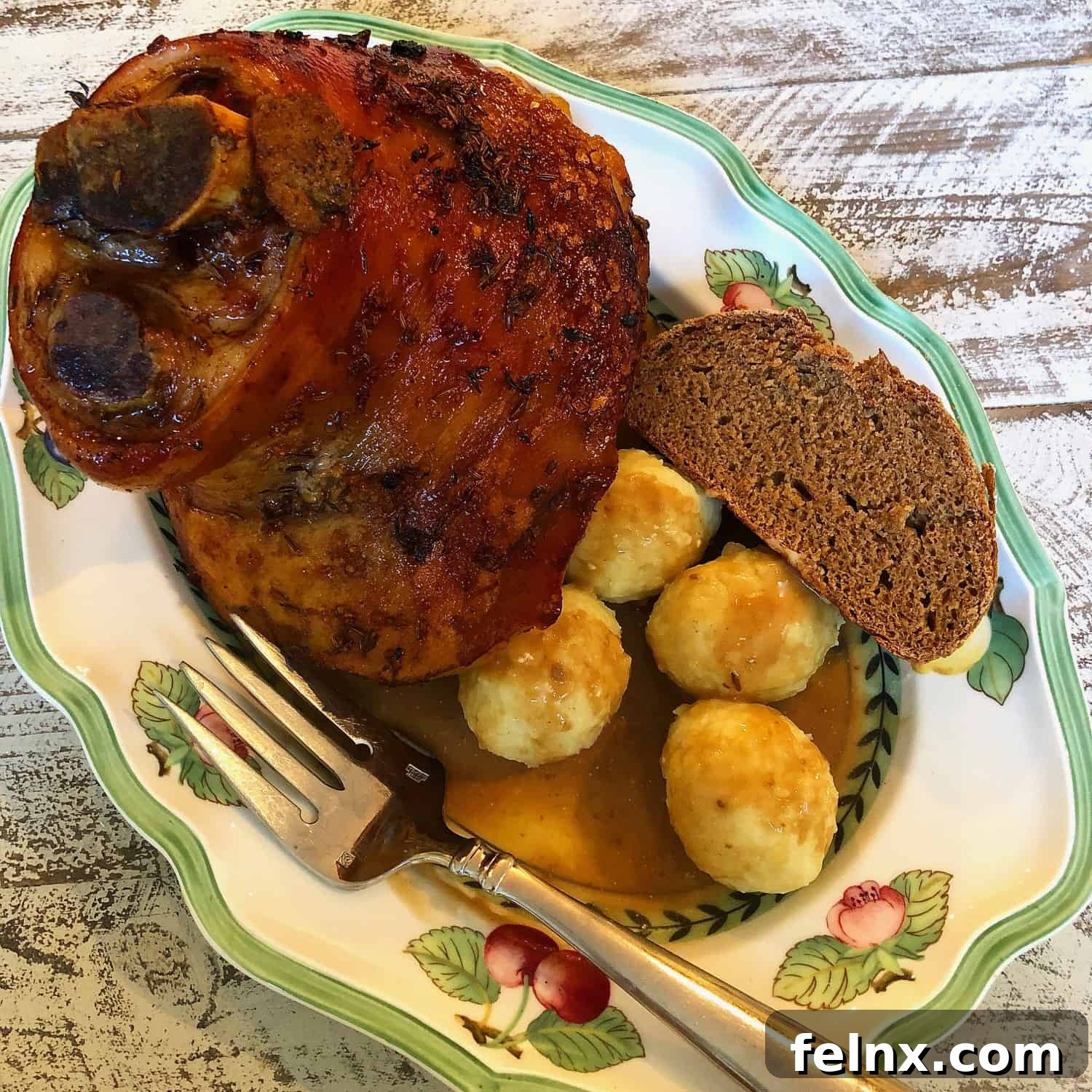
Authentic Bavarian Pork Knuckle Recipe: How to Make Crispy Schweinshaxe at Home
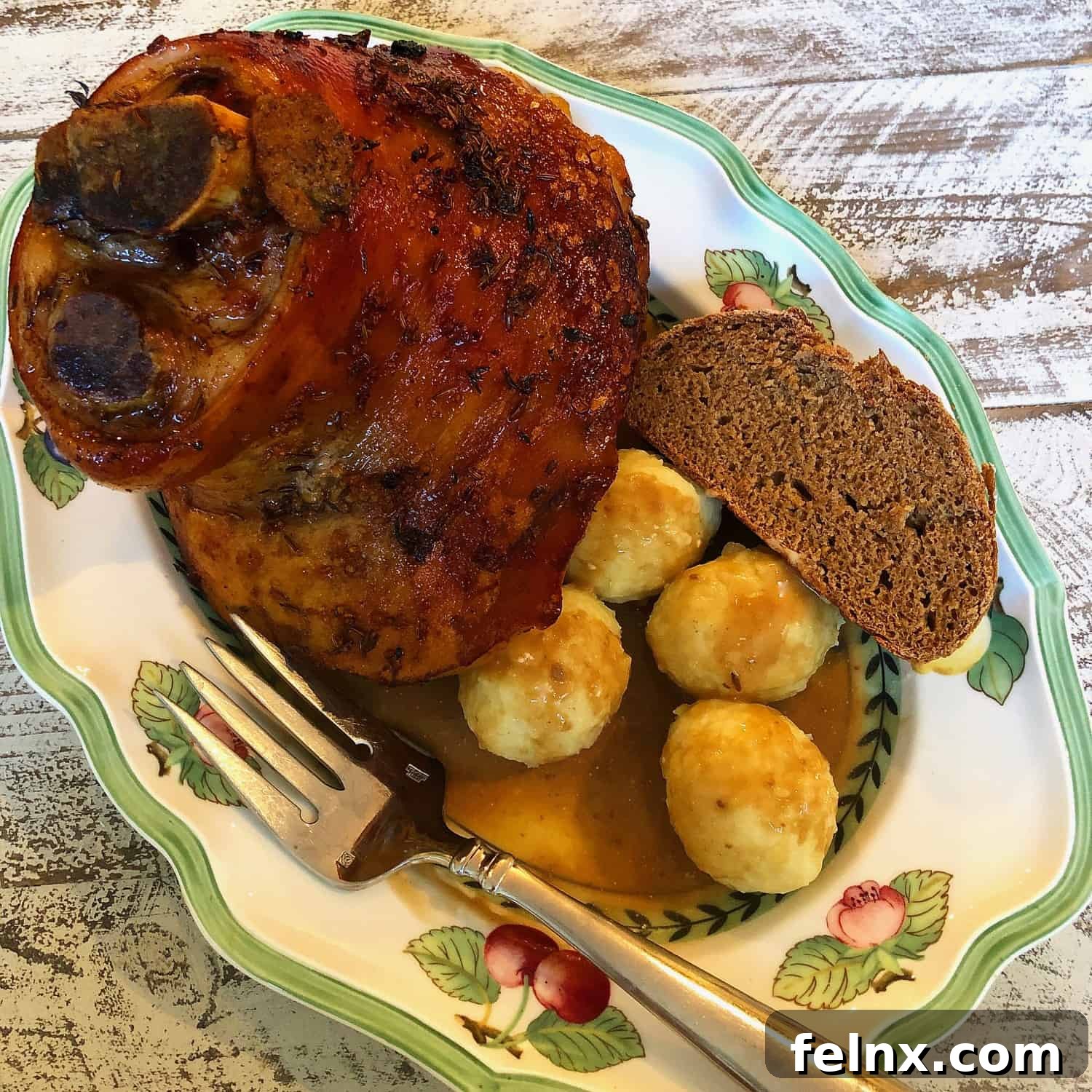
During my time teaching in Bavaria back in 2015, I discovered a world of culinary delights that went far beyond the standard fare. While my family has deep roots in Italian cooking, we have always embraced a wide variety of global flavors. Among all the traditional German dishes I sampled, one stood out as the ultimate comfort food: Schweinshaxe, or Bavarian Pork Knuckle. This dish is a cornerstone of Bavarian culture, serving as the “go-to” meal for locals and a highlight for any visitor during the world-famous Oktoberfest season.
Since my husband is half German, we felt it was only right to bring a piece of his heritage into our kitchen. While we originally prepared this recipe in 2022, its timeless appeal makes it a perfect candidate for a 2024 revival. Whether you are celebrating Oktoberfest at home or simply looking for a hearty, soul-warming meal, this guide will walk you through the process of creating a pork knuckle that is incredibly tender on the inside with that signature, irresistible crispy skin on the outside.
What Exactly is Schweinshaxe?
If you have never heard of it before, Schweinshaxe (pronounced Sh-whinez-hock-zuh) is a large roasted ham hock. In the culinary world of Southern Germany, this is not just a meal; it is an event. The dish consists of the end of the pork leg, just above the foot and below the meaty ham portion. It is characterized by its high fat content and thick skin, which, when cooked correctly, transforms into a salty, crunchy “crackling” that is highly prized by food enthusiasts.
The beauty of Schweinshaxe lies in its simplicity. While it looks like a daunting piece of meat to prepare, it is essentially a slow-roasted joint. The primary difference between this and a standard roast is the inclusion of dark German beer, which adds a rich, malty depth of flavor that complements the pork perfectly. Unlike the wine-heavy sauces often found in Italian cuisine, the beer base provides a unique sweetness and earthiness that is distinctly German.
The Essential Ingredients for Authentic Flavor
To achieve an authentic Bavarian taste, you need the right aromatics. Even though we are stepping away from Italian traditions for this meal, some staples remain universal. Garlic is non-negotiable. For this recipe, we use three large cloves of garlic, sliced into slivers. These are inserted directly into the crevices of the meat, allowing the oils and aroma to penetrate deep into the muscle as it roasts.
Next comes the bed of vegetables. Onions are the unsung heroes of this dish. By slicing three medium-sized onions and layering them at the bottom of your roasting pan, you create a natural “rack” for the pork. This serves two purposes: it prevents the meat from sticking to the pan and burning during the long roasting process, and it contributes to a rich, caramelized onion gravy that forms at the bottom of the pan.
The Role of Herbs and Spices
Bavarian seasoning relies heavily on caraway seeds. To many, this is the definitive flavor of German meat dishes. Along with caraway, we use minced garlic, fresh thyme, oregano, and a generous amount of salt. Rubbing these spices thoroughly into the skin ensures that every bite is seasoned to perfection. The salt is particularly important, as it helps draw out moisture from the skin, which is the secret to achieving that perfect crunch.
Finally, there is the beer. For the most authentic results, use a dark German beer, such as a Dunkel or a Doppelbock. These beers have a higher sugar content and a deeper flavor profile, which helps with the caramelization of the skin and the richness of the pan juices. If you cannot find a German brand, any high-quality dark ale or stout will suffice.
The Roasting Process: Low and Slow
Patience is the most important ingredient when cooking Schweinshaxe. To ensure the meat falls off the bone while the fat renders down completely, you must roast it at a low temperature. We set the oven to 250°F (120°C). This gentle heat allows the connective tissues in the pork hock to break down slowly without drying out the meat.
Place the seasoned pork knuckle on top of your onion bed and pour one full bottle of beer into the pan. Be careful not to pour the beer directly over the top of the meat, as you don’t want to wash away your carefully applied herb rub. Instead, pour it around the base. As the pork roasts for three hours, you should check on it every hour. Use a small amount of additional beer (about 1/4 to 1/3 cup) to baste the meat, keeping it moist and adding layers of flavor.
Achieving the Ultimate Crispy Skin
While the oven does the heavy lifting of cooking the meat, the final “Bavarian touch” happens on the stove. During the last 30 minutes of roasting, prepare a deep pan with lard or high-heat shortening (like Crisco). To infuse the oil with even more flavor, add fresh rosemary and minced garlic. This final step is what separates a good pork knuckle from a legendary one.
Once the three hours are up, carefully transfer the roast to the hot oil. Fry the pork knuckle for about 5 minutes on each side. You are looking for a beautiful golden-brown color and a texture that is visibly bubbly and crisp. This flash-frying method ensures the skin is perfectly crackled while the meat inside remains succulent.
A Note on Kitchen Safety
Working with hot oil requires extreme caution. I cannot stress this enough—please be careful. I learned this lesson the hard way years ago while working in my parents’ Italian restaurant. In a moment of carelessness, I pulled a frying basket toward me instead of lifting it straight up, resulting in severe burns that landed me in the emergency room. When moving the pork knuckle into or out of the hot lard, use heavy-duty tongs and move slowly. Ensure your workspace is clear and that no children or pets are nearby. Safety should always be your top priority in the kitchen.
Traditional Accompaniments: What to Serve with Schweinshaxe
To complete your Bavarian feast, you need the right side dishes. Traditionally, Schweinshaxe is served with Knödel, which are large potato or bread dumplings. These are perfect for soaking up the beer-infused gravy. Alternatively, potato pancakes (Reiberdatschi) provide a nice textural contrast.
For vegetables, red cabbage (Blaukraut) or sauerkraut are the standard choices. The acidity of the fermented cabbage helps cut through the richness of the pork fat. While my family skipped the cabbage for our celebration, it is a staple in most German households. Another unforgettable element of Bavarian dining is the bread. German bread is typically heavy, dark, and incredibly flavorful. A thick slice slathered in butter is the perfect companion to this meal. You can find authentic German breads online through specialty retailers like Bread Village or The Taste of Germany if you want the real deal.
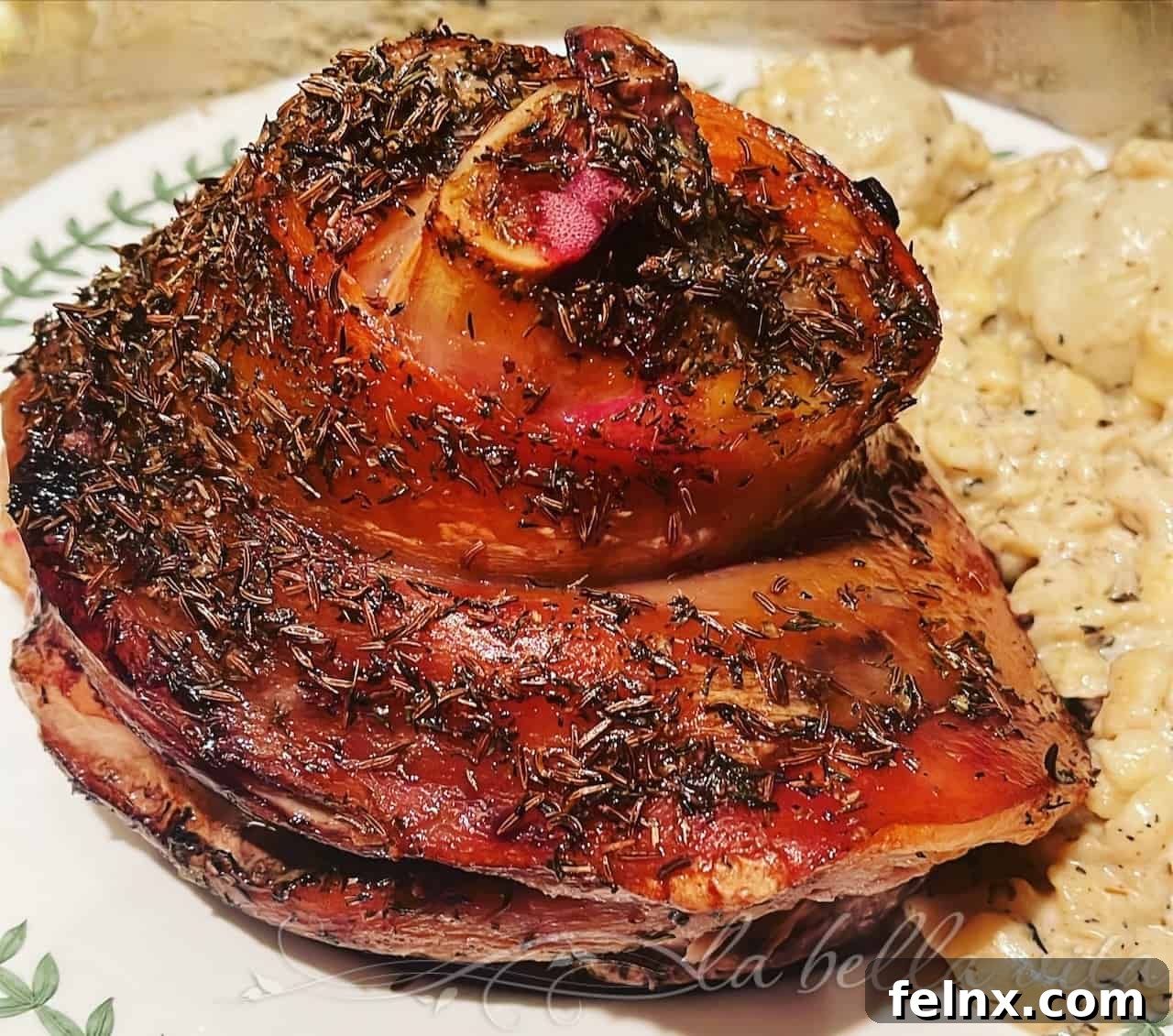
Recipe: Bavarian Pork Knuckle “Schweinshaxe”
Follow these steps for a perfect Oktoberfest-style meal at home.
Ingredients
- 1 to 2 Pork Knuckles (approx. 2-3 lbs each)
- 3 medium onions, sliced
- 3 cloves of garlic, sliced into slivers
- 2 Tbsp. caraway seeds
- 1 Tbsp. fresh thyme leaves
- 1 Tbsp. fresh oregano, minced
- 1 Tbsp. salt
- 2 Tbsp. minced garlic (for the rub)
- 1-2 bottles of dark German beer
- 4-5 cups of Lard or shortening (for frying)
- 1 Tbsp. rosemary leaves
Instructions
- Preparation: If the pork knuckle is frozen, ensure it is completely thawed overnight in the refrigerator.
- Prepare the Pan: Slice the onions and create a thick layer at the bottom of a heavy roasting pan.
- Season the Meat: Cut small slits into the pork and insert the garlic slivers. Rub the exterior of the pork knuckle with salt, minced garlic, caraway seeds, thyme, and oregano.
- Set the Roast: Place the seasoned meat on top of the onions. Pour one bottle of beer into the pan, avoiding the top of the meat.
- Slow Roast: Preheat your oven to 250°F (120°C). Roast the pork for 3 hours. Baste with a little extra beer every hour to maintain moisture.
- Prepare the Finish: In the final 30 minutes of roasting, heat the lard or shortening in a deep pan. Add rosemary to the hot oil for fragrance.
- The Crispy Crust: Once roasted, carefully transfer the pork to the hot oil. Fry for at least 5 minutes on all sides until the skin is a deep golden brown and crispy.
- Serve: Remove from the oil, let it rest for a few minutes, and serve with your choice of potatoes and gravy.
Conclusion: Bring Bavaria to Your Table
Creating an authentic Schweinshaxe is a rewarding culinary project that brings the spirit of Munich right into your home. It’s a dish that celebrates slow cooking, rich flavors, and the joy of sharing a hearty meal with loved ones. Whether you’re a fan of German culture or just a lover of perfectly cooked pork, this recipe is sure to become a favorite in your household. Don’t forget to pair it with a cold glass of your favorite German lager for the full experience. Prost!
Did you make this recipe?
I would love to see your results! Please leave a comment below or share a photo of your Schweinshaxe on Instagram. Tag @italianbellavita or use the hashtag #italianbellavita to join our cooking community.