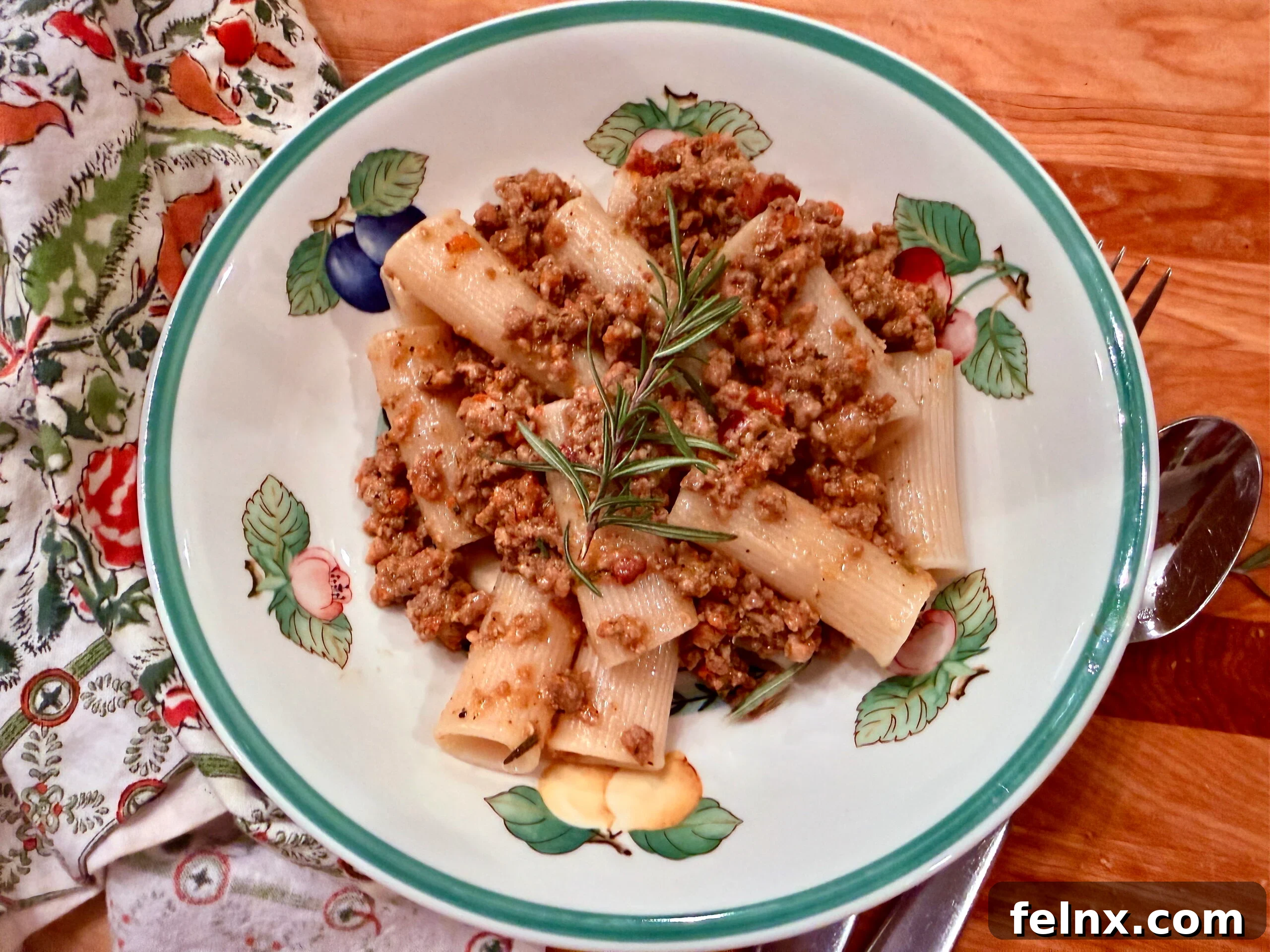
Discover the Authentic White Bolognese: A Timeless Ragu Bianco Recipe
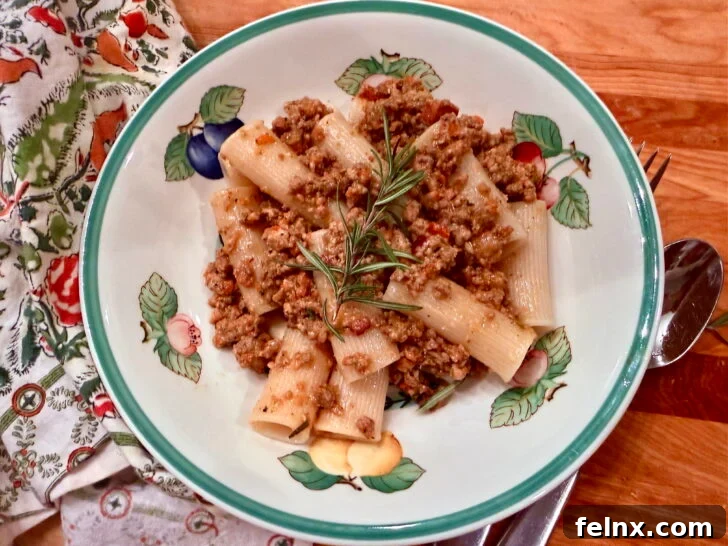
If you have a passion for Italian cuisine and love a rich, meaty sauce, you are in for a treat. While most of the world associates Bolognese with a vibrant red tomato base, there is a hidden gem in Northern Italian cooking called White Bolognese. Known in Italy as “Ragu Bianco” or “Ragu alla Bolognese Bianco,” this classic slow-cooked meat sauce hails from the Emilia-Romagna region. It offers a sophisticated, savory flavor profile that relies on high-quality meats, aromatics, and dairy rather than the acidity of tomatoes.
Interestingly, the history of White Bolognese predates the red version we know today. Tomatoes are native to the Americas and did not arrive in Italy until the 1500s. Even then, they weren’t widely consumed until the 1600s because many people feared they were poisonous. Consequently, the original ragu of Northern Italy was a “white” sauce, focused on the deep flavors of browned meat, wine, and local spices. This recipe brings that ancient tradition into your modern kitchen, offering a silky texture and a layer of flavor that is truly unforgettable.
The Foundations of an Exceptional Ragu Bianco
Creating a masterpiece like Ragu Bianco requires patience and a focus on the “Soffritto”—the holy trinity of Italian cooking. By slowly sautéing minced onions, carrots, and celery, you build a foundation of natural sweetness. From there, the layers of flavor are built using pancetta or guanciale, followed by a trio of ground meats: veal, pork, and Italian sausage. The addition of dry white wine deglazes the pan, lifting the caramelized bits of meat to infuse the entire sauce with depth.
Unlike the southern style of cooking, Northern Italian recipes often embrace dairy. In this version, whole milk and heavy cream are used to tenderize the meat during the long simmering process. This technique results in a sauce that is velvety and rich. To finish, fresh herbs like rosemary, sage, and thyme are added along with a hint of nutmeg—a signature spice of the region—and a generous amount of Parmigiano-Reggiano cheese.
Understanding the Role of Wine and Dairy
One common question is whether to use red or white wine. For a traditional red Bolognese, red wine is the standard. However, for a White Bolognese, using red wine would darken the sauce and alter the delicate balance of flavors. Only dry white wine should be used here. It provides a necessary acidic bite that cuts through the richness of the fats and dairy, creating a well-rounded palate.
Regarding dairy, the inclusion of milk and cream is a hallmark of the Emilia-Romagna style. Milk serves a functional purpose; the lactic acid helps break down the muscle fibers in the ground meat, ensuring every bite is tender rather than chewy. The cream adds a luxurious mouthfeel that ensures the sauce coats every crevice of your chosen pasta.
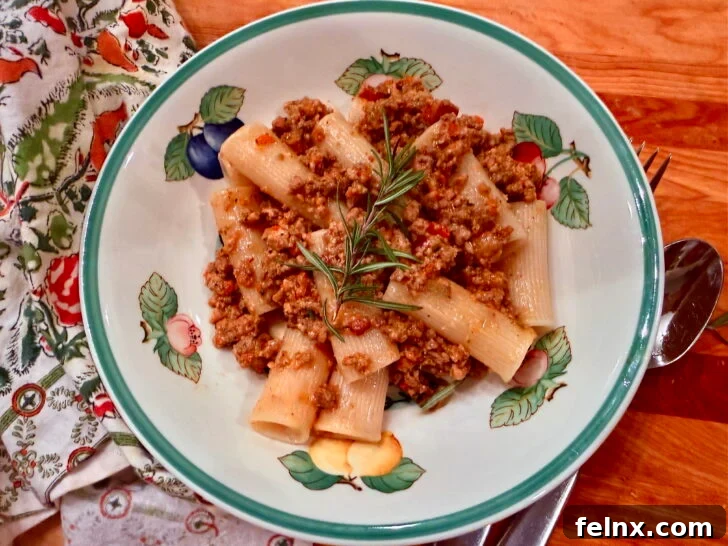
Essential Ingredients for White Bolognese
To achieve the best results, source the freshest ingredients possible. Each component plays a vital role in the final symphony of flavors:
- Extra Virgin Olive Oil: Use a high-quality oil to start your soffritto.
- The Soffritto: A blend of minced onion, celery, and carrots. Some prefer shallots for a milder, sweeter onion flavor.
- Garlic: A staple in savory Italian cooking; just a few cloves to add aroma.
- Pancetta or Guanciale: These cured meats add a smoky, salty depth that ground meat alone cannot provide.
- Ground Meat Trio: A combination of ground pork, veal, and mild Italian sausage. Ground beef chuck (80/20) can also be added for extra fat and flavor.
- Chicken Broth: Preferably homemade to avoid preservatives and control the salt level.
- Dry White Wine: Pinot Grigio or Sauvignon Blanc are excellent choices. Avoid “cooking wines” and use something you would enjoy drinking.
- Dairy: Full-fat whole milk and heavy cream for maximum silkiness.
- Parmigiano-Reggiano: Use a real wedge and save the rind! The rind simmers in the sauce, releasing incredible umami.
- Herbs & Spices: Fresh rosemary, thyme, sage, and oregano. Don’t forget the freshly grated nutmeg.
- Lemon Peel: An optional thin strip of rind can add a surprising brightness to the heavy sauce.
- Pasta: Large, sturdy shapes like Tagliatelle, Pappardelle, or Paccheri.
How to Make White Bolognese: Step-by-Step
The secret to a great ragu is time. You cannot rush a sauce that is designed to simmer for hours. Follow these steps for a perfect result:
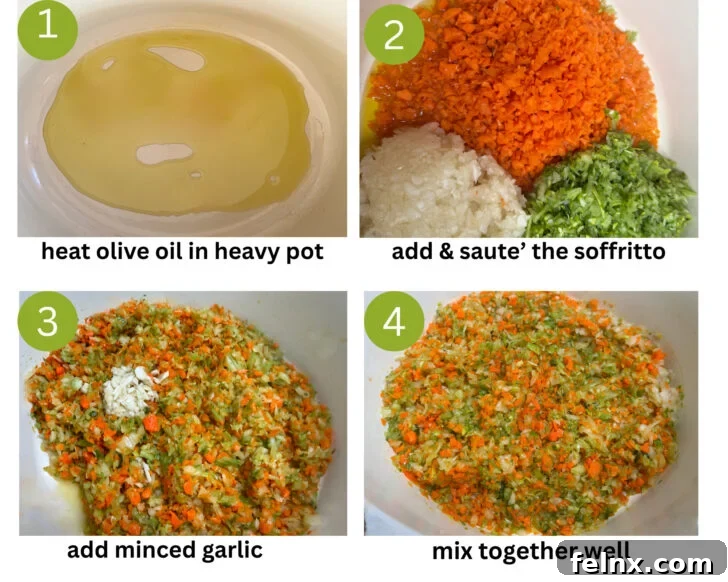
First, prepare your soffritto. Finely mince your vegetables and sauté them in olive oil until they are soft and translucent. This should take about 5-7 minutes over medium-low heat. Add the garlic at the very end to prevent it from turning bitter or burning. Remove this mixture and set it aside.
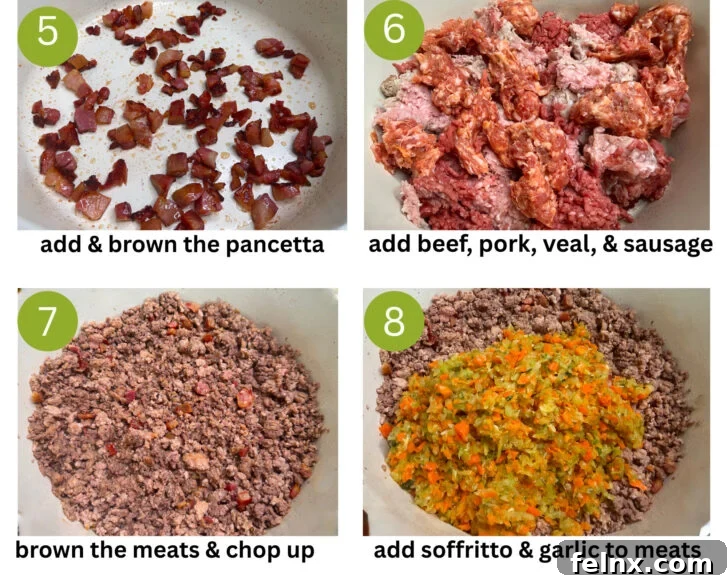
In the same pot, brown your pancetta until the fat renders and it becomes slightly crispy. Add your ground meats. Use a wooden spoon or a meat chopper to break the meat into very fine crumbles. High-quality ragu should not have large chunks; it should be a consistent, fine texture. Once the meat is browned, return the soffritto to the pot.
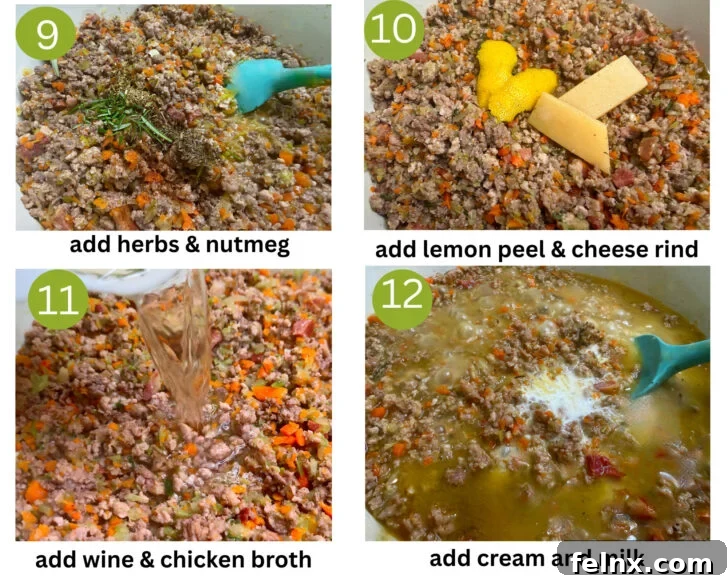
Now, it’s time to deglaze. Pour in the white wine and let it simmer until the liquid has almost completely evaporated. This ensures the alcohol burns off, leaving only the concentrated flavor. Follow this with your chicken broth, adding it gradually. Finally, stir in the milk, cream, herbs, Parmigiano rind, and nutmeg.
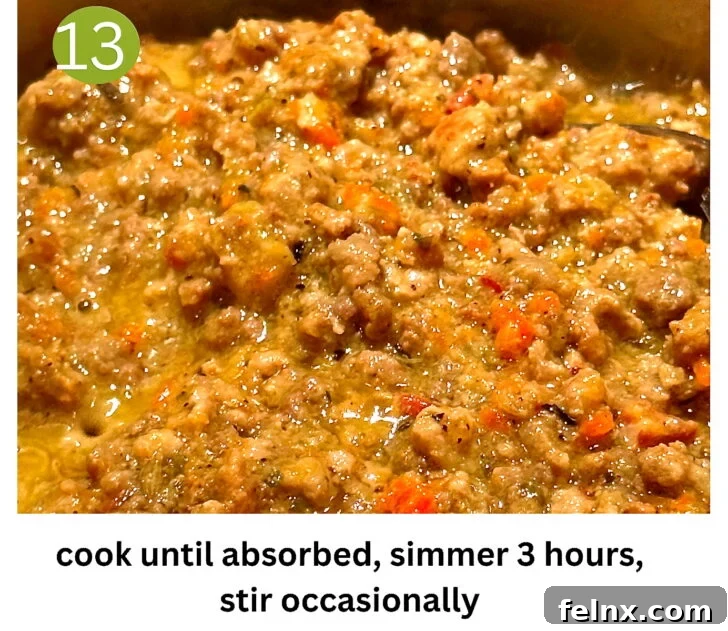
Lower the heat to the smallest flame possible. The sauce should barely bubble. Cover it and let it cook for 2 to 3 hours. Periodically check the sauce; if it looks too thick, add a splash more broth. If too much fat rises to the top, you can skim it off with a spoon before serving.
Choosing the Right Pasta
The texture of White Bolognese is heavy and rich, which means it requires a pasta shape that can stand up to its weight. Small or thin pastas like spaghetti or angel hair will get lost in the sauce. Instead, choose:
- Pappardelle: Wide ribbons that provide a large surface area for the meat to cling to.
- Tagliatelle: The traditional choice for Bolognese in Italy.
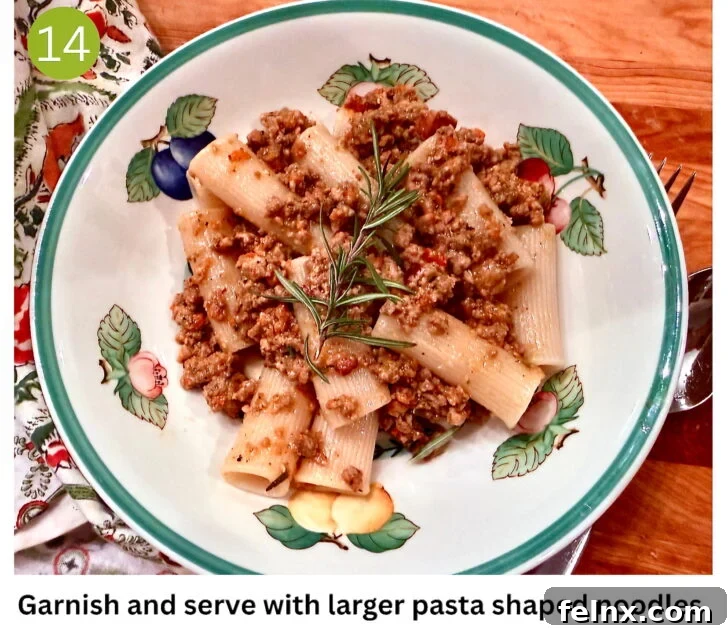
- Paccheri: Large tubes that often catch the ragu inside, providing a burst of flavor in every bite.
- Rigatoni: The ridges on the outside help hold the creamy sauce perfectly.
- Gnocchi: These potato dumplings are excellent for soaking up the savory juices of a Ragu Bianco.
Variations and Pro Tips for Success
If you want to customize your Ragu Bianco, there are several ways to do so while keeping the spirit of the dish alive. For a leaner version, you can substitute ground turkey or chicken, though the flavor will be milder. Vegetarians can use finely chopped mushrooms or lentils to mimic the texture of the meat.
Bella’s Top Tips:
- Patience is Key: You cannot rush a three-hour simmer. This time allows the collagen in the meat to melt and the flavors to meld.
- The Heat Diffuser: If your stove runs hot, place a heat diffuser or even a flat pizza tray between the burner and the pot to prevent the bottom from scorching.
- Save the Pasta Water: Never drain your pasta completely. Reserved starchy pasta water is the secret to getting the sauce to emulsify and coat the pasta with a glossy finish.
- Make it Ahead: Like many stews and sauces, White Bolognese tastes even better the next day after the ingredients have “gotten to know each other” in the fridge.
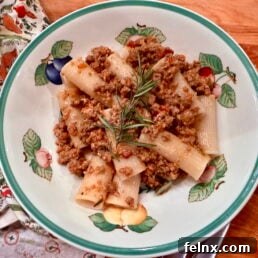
White Bolognese (Bianco Ragu)
Prep Time: 1 Hour | Cook Time: 3 Hours | Yield: 14 Servings
Ingredients
For the Soffritto
- 1 cup minced onion or shallots
- 1 cup minced carrots
- 1 cup minced celery (including leaves)
Main Ingredients
- 1/4 cup extra virgin olive oil
- 5 cloves garlic, minced
- 1 cup diced pancetta or guanciale
- 1 lb ground pork
- 1 lb ground veal
- 1 lb ground beef chuck (80/20)
- 1 lb mild Italian sausage (casings removed)
- 1/2 cup dry white wine
- 4-6 cups chicken broth
- 1 cup whole milk
- 1 cup heavy cream
- 1 cup freshly grated Parmigiano-Reggiano
- 1 Parmigiano cheese rind
- 1 tbsp each: fresh rosemary, sage, thyme, oregano (minced)
- 1/2 tsp ground nutmeg
- Salt and black pepper to taste
Instructions
- Prepare the Soffritto: Heat olive oil in a large Dutch oven. Sauté onions, carrots, and celery until soft (5-7 mins). Add garlic for 2 mins, then remove vegetables and set aside.
- Brown the Meat: In the same pot, cook pancetta until browned. Add ground pork, veal, beef, and sausage. Break meat into fine crumbles and cook until fully browned.
- Combine: Add the soffritto back into the pot with the meat. Stir in the herbs, nutmeg, and the Parmigiano rind.
- Deglaze: Pour in the white wine. Simmer until the liquid is absorbed.
- Simmer: Add chicken broth 2 cups at a time, letting it reduce slightly before adding more. Pour in the milk and cream.
- Slow Cook: Cover and simmer on low for 2.5 to 3 hours. Stir occasionally.
- Finish: Stir in the grated Parmigiano-Reggiano. Skim off excess fat if necessary. Serve over al dente pasta with a splash of pasta water to bind the sauce.
Notes
- Wine: Stick to dry varieties like Pinot Grigio or Sauvignon Blanc.
- Storage: This sauce freezes beautifully for up to 3 months.
- Serving: Always garnish with extra cheese and fresh black pepper for the best experience.
Nutrition (per serving): Calories: 585kcal | Protein: 35g | Fat: 43g | Carbs: 8g
Whether you are hosting a dinner party or preparing a comforting weekend meal for your family, White Bolognese is a dish that speaks of tradition and culinary craft. By stepping away from the tomato base, you open up a world of creamy, savory flavors that highlight the true essence of Italian meat sauces. Enjoy the process, savor the aroma in your kitchen, and as they say in Italy, Buon Appetito!