Discover the Culinary Magic of Valle d’Aosta: Italy’s Alpine Hidden Gem
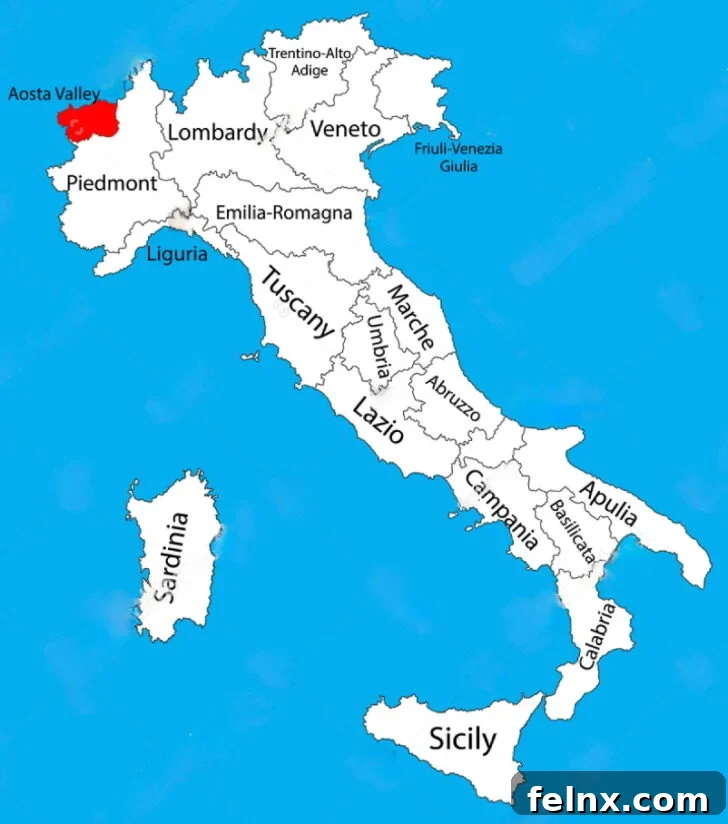
When most travelers dream of an Italian getaway, their minds immediately wander to the sun-drenched rolling hills of Tuscany, the vibrant lemon groves of the Amalfi Coast, or the ancient, bustling streets of Rome. While these iconic destinations offer incredible experiences, there is a tiny, hidden treasure tucked away in the far northwest corner of the country that offers a completely different side of Italian culture. This is Valle d’Aosta, an Alpine region where the air is crisp, the peaks are rugged, and the food is designed to warm your soul.
As the smallest and least populated region in Italy, Valle d’Aosta is often overlooked by mainstream tourism. However, for those who appreciate hearty culinary traditions and dramatic mountain scenery, it is a paradise. Here, the diet is shaped by the challenging terrain and the cold climate. Instead of the light tomato sauces and olive oils found in the south, the cuisine here is defined by rich dairy, mountain grains, and slow-cooked meats that provide comfort during long winter months.
The culinary philosophy of this region can be summarized in three words: hearty, rustic, and cozy.
Where Exactly Is Valle d’Aosta?
Valle d’Aosta is uniquely positioned at the crossroads of Europe, bordering both France and Switzerland. This strategic location has created a fascinating cultural melting pot. You will hear both Italian and French spoken in the valleys, and the local dialect, Valdôtain, carries echoes of both languages. Despite these external influences, the region maintains a fiercely independent Italian identity that is evident in its traditions and hospitality.
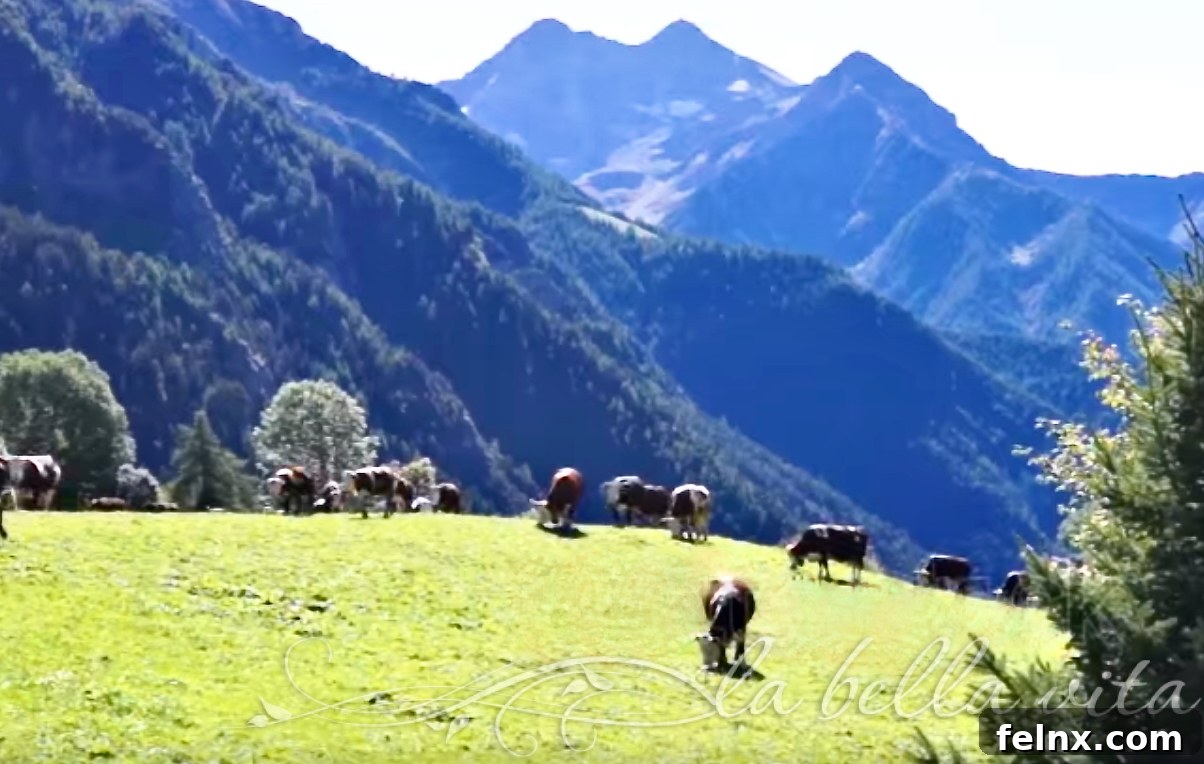
The landscape is dominated by some of the highest peaks in Europe, including Mont Blanc (Monte Bianco), the Matterhorn (Cervino), and Monte Rosa. The valley floors are dotted with ancient Roman ruins and medieval castles, while the higher slopes are home to lush pastures where local breeds of cattle graze throughout the summer. The diet of these cows, consisting of fresh Alpine herbs and wildflowers, is what gives the local dairy products their world-renowned flavor profile.
Growing up in the American Midwest, I can deeply relate to the need for food that combats a freezing winter. While my hometown lacked the majestic Alpine peaks of Northern Italy, we shared the same reliance on dairy farming and the same appreciation for a meal that offers a “warm hug.” In fact, my family’s heritage is rooted in these traditions, where food was never just about sustenance; it was about survival, comfort, and connection.
My Nonna and mother were masters of this style of cooking. They kept us warm with deep pots of beef stew, rich Bolognese-sauced pasta, creamy risotto, and the ever-present polenta. In our household, polenta wasn’t just a side dish; it was a canvas for the most important ingredient of the region.
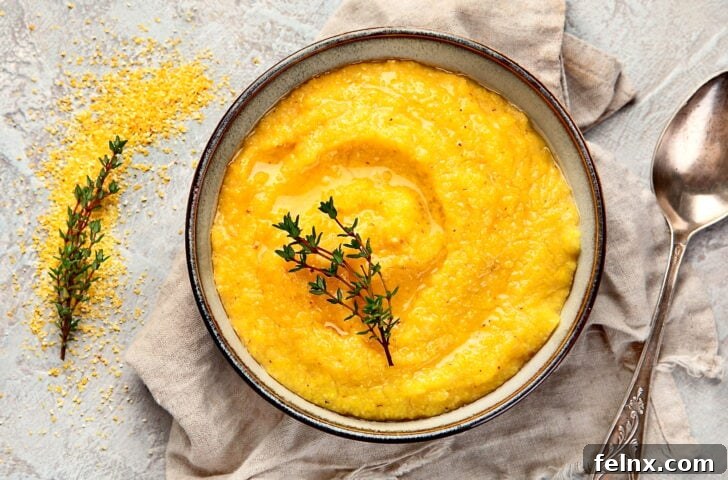
Whenever polenta was served at our table, the star of the show was always Fontina cheese from Valle d’Aosta, melted generously over the top.
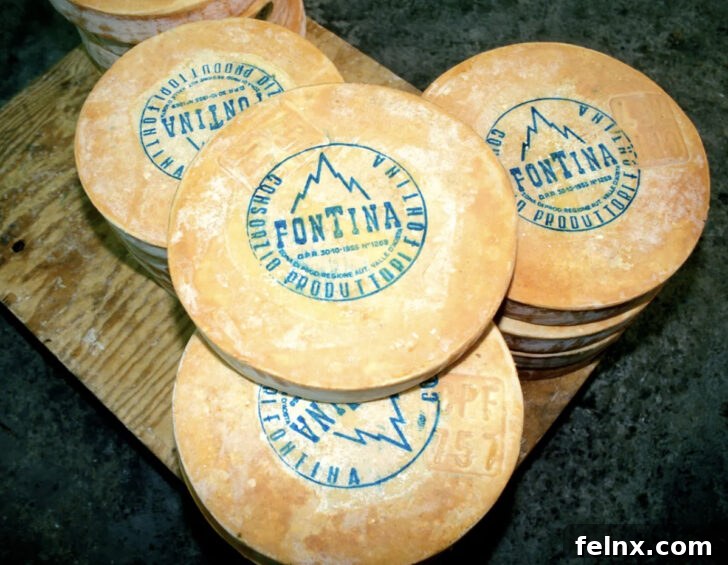
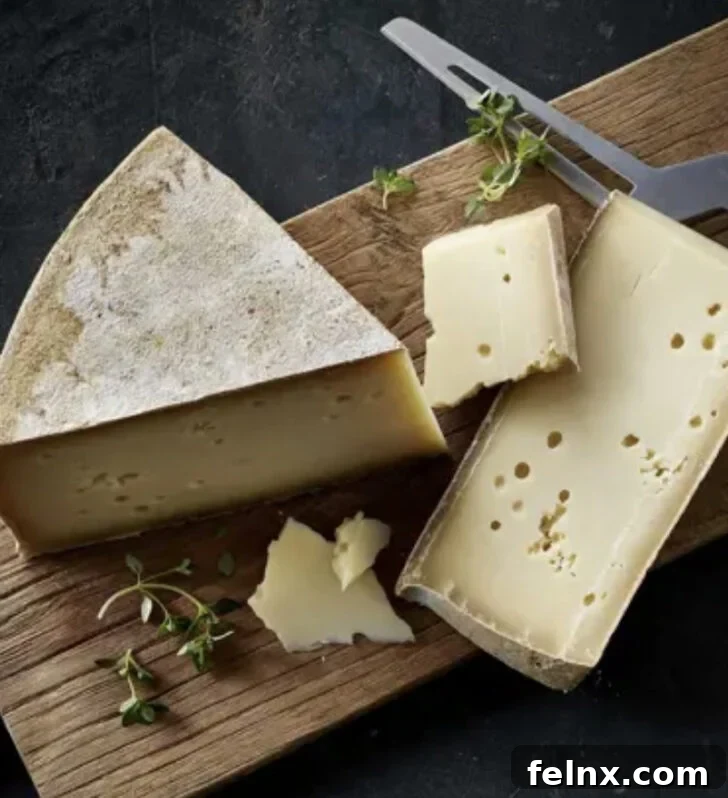
The authentic taste of the Alps: Fontina DOP.
Fontina Cheese: The Heart and Soul of the Alps
Valle d’Aosta is famous for simple ingredients used in creative, nourishing ways. At the center of this culinary universe is Fontina DOP. This isn’t just any cheese; it is the culinary heartbeat that defines the entire region. Since 1996, Fontina has held the Protected Designation of Origin (DOP) status, meaning it can only be produced in this specific valley using traditional methods.
True Fontina is made from the raw milk of Valdostana cows. To be authentic, it must be produced within hours of milking. The result is a cheese that is:
- A semi-soft, ivory-colored cheese with a natural rind.
- Incredibly mild yet distinctively nutty and earthy.
- Supple in texture, making it the ultimate “melting dream” for cooking.
- Rich in vitamins and minerals, reflecting the high-altitude diet of the cows.
Whether it’s being stirred into a steaming bowl of soup or melted into a thick layer over toasted bread, Fontina brings a creamy depth that is impossible to replicate with industrial substitutes. It is cherished by home cooks and Michelin-starred chefs alike for its versatility and heritage.
Traditional Dishes That Warm the Body and Soul
If you find yourself in a mountain hut (rifugio) high in the Alps, these are the dishes you are likely to encounter. They are the epitome of “cucina povera”—the cooking of the poor—where humble ingredients like stale bread, cabbage, and cornmeal are transformed into gourmet experiences.
- Polenta alla Valdostana: This is a masterpiece of simplicity. Layers of thick, creamy polenta are alternated with slices of Fontina and cubes of cold butter, then baked in the oven until the top is golden and bubbling.
- Zuppa alla Valpellinese: One of the region’s most famous recipes, this is more of a savory bread pudding than a liquid soup. It features layers of crusty bread, savoy cabbage, and Fontina cheese, soaked in beef broth and baked. It is the ultimate comfort food for a snowy evening.
- Carbonada: A rich, dark beef stew. The meat is marinated in red wine and slow-cooked with onions and spices until it literally melts in your mouth. It is traditionally served over a bed of yellow polenta.
- Fonduta: Similar to Swiss fondue but uniquely Italian. It uses Fontina melted with milk, butter, and egg yolks to create a silky, rich sauce often served with pieces of toasted bread or even shaved truffles.
- Polenta Crostini: Perfect as an appetizer, these are firm squares of grilled polenta topped with caramelized mushrooms, lardo, or melted cheese.
These dishes are a testament to the idea that you don’t need expensive or exotic ingredients to create a memorable meal. All you need is time, tradition, and the best local produce available.
Why This Cuisine Feels Like a Warm Italian Hug
There is an inherent humility in the food of Valle d’Aosta. These recipes weren’t invented by experimental chefs in modern laboratories; they were born in farmhouses and mountain cabins. They were created by families who needed to stay warm and energized through months of heavy snow and isolation. Because of this history, every bite feels intentional and nurturing.
Even if you live thousands of miles away from the Italian Alps, preparing these dishes can bring that same sense of peace and warmth into your home. In our family, we continue to cook these recipes because they represent our roots. They remind us that no matter how cold it gets outside, there is always warmth to be found in the kitchen.
Rustic, cozy, and made with a deep love for the land—that is the true spirit of Valle d’Aosta cuisine.
Bring the Taste of the Alps to Your Kitchen
I am thrilled to share a special family favorite that has become a staple of our holiday season. We enjoy this Italian Beef Stew over Fontina Polenta every Christmas Eve. It is a budget-friendly, high-flavor classic that demonstrates exactly why the Valle d’Aosta style of cooking is so beloved. The combination of the wine-infused beef and the nutty, creamy cheese polenta is something you will want to experience again and again.
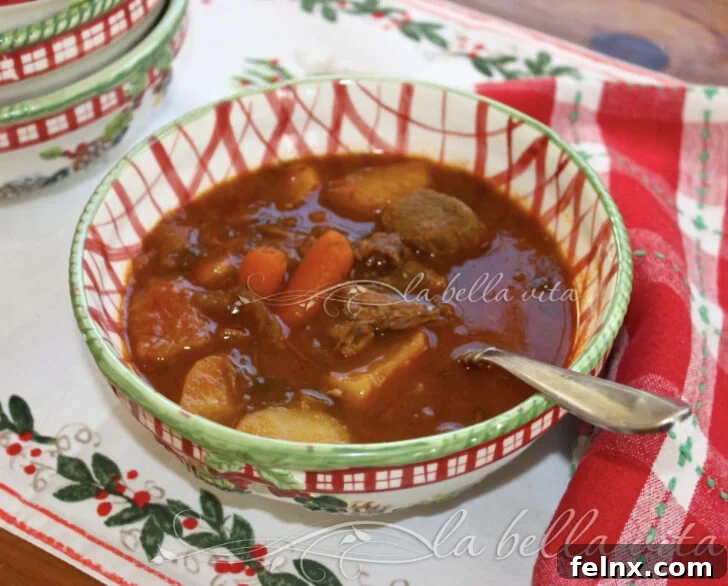
Stay tuned for our upcoming guide on how to master the perfect polenta and the secrets to selecting the best Fontina for your home cooking adventures. Whether you are a seasoned chef or a beginner in the kitchen, these Alpine traditions are accessible and rewarding for everyone.
Deepen Your Knowledge of Italian Cuisine
- The Complete Foodie Guide to Valle d’Aosta: Learn more about the history of the region and its unique agricultural practices.
- 7 Essential Specialties of the Aosta Valley: A deep dive into the local cured meats, honeys, and rye breads that complement Fontina cheese.
- Official Tourism of Aosta Valley: Plan your trip to see the castles and mountains for yourself.
Stay Connected for More Italian Comfort Foods
Do you love exploring the hidden corners of Italy and discovering cozy regional recipes? Join our community of food lovers. Sign up for our newsletter to receive the latest recipes, travel tips, and stories of Italian heritage delivered directly to your inbox. Let’s keep the traditions alive together!