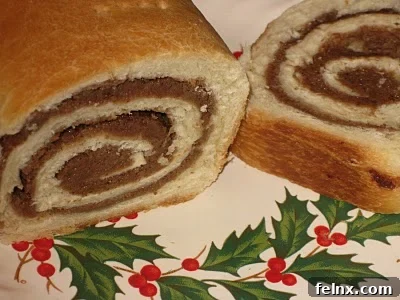
Authentic Povitisa Recipe: The Traditional Eastern European Cinnamon Nut Bread
Every family has its own set of cherished holiday traditions that are passed down through generations. These rituals create a sense of belonging and nostalgia, connecting us to our ancestors and our cultural roots. For many, these traditions are centered around food—specifically, the edible treats that appear only once or twice a year during special celebrations. One of the most remarkable and delicious examples of such a tradition is Povitisa.
If you are unfamiliar with Povitisa, you are in for a wonderful discovery. This incredibly sweet, dense bread is filled with a thick, aromatic cinnamon-nut mixture. It is a nostalgic favorite across Eastern Europe, particularly in countries like Croatia, Slovenia, and Slovakia. While it is known by different names in various regions—such as Potica in Slovenia or Povitica in Croatia—the essence remains the same: a labor of love that results in a stunning, swirled masterpiece.
The Rich History and Cultural Significance of Povitisa
Povitisa is more than just a dessert; it is a symbol of heritage. Traditionally, this rolled yeast bread is served for major religious and cultural milestones, most notably Christmas and Easter. Its complex construction, involving paper-thin dough and a heavy filling, made it a showpiece for the skills of a household’s baker.
While the recipe originated in the “old countries” of Europe, it found a new home in the United States through the waves of immigration in the late 19th and early 20th centuries. In the coal mining villages of Iowa and the industrial hubs of the Midwest, immigrant women from diverse backgrounds shared their recipes across backyard fences and in community kitchens. This is how many families of non-Eastern European descent, including Italian-Americans, came to adopt Povitisa as their own. In these communities, gifting a loaf of Povitisa to a neighbor became a profound symbol of respect and friendship.
What Makes Povitisa Unique?
At first glance, Povitisa might remind you of a strudel or a babka, but it has a distinct character. The dough is a sweetened yeast variety that must be rolled out until it is translucent. Unlike a standard loaf of bread where the dough is the star, in Povitisa, the dough serves as a delicate, thin carrier for a massive amount of filling.
The traditional filling is made from ground walnuts, but the variations are endless. Depending on the region or family preference, you might find versions filled with:
- Chocolate and hazelnut
- Strawberry or plum jam
- Fresh apples and cinnamon
- Sweetened cream cheese
- Tart cherries
Once the filling is slathered onto the thin dough, the entire sheet is rolled tightly into a long cylinder. This roll is then looped or folded into a loaf pan, which creates the iconic “S” or “U” shape inside, resulting in beautiful, intricate swirls when the bread is sliced.
Ingredients for Povitisa Cinnamon Nut Bread
For the Filling
- 2 cups of milk (scalded)
- 2 cups of granulated sugar
- 4 cups of ground walnuts (adjust for desired thickness)
- 1/4 cup ground cinnamon
- 1 tablespoon pure vanilla extract
For the Bread Dough
- 1 teaspoon sugar (for yeast activation)
- 1 cup lukewarm water
- 2 packets of active dry yeast
- 2/3 cup melted shortening
- 2 cups milk (scalded and then cooled)
- 10 cups all-purpose flour
- 2 teaspoons salt
- 3/4 cup sugar
- 2 jumbo eggs (beaten)
Step-by-Step Instructions
Step 1: Preparing the Nut Filling
The filling needs time to cool and thicken, so it is best to start here. In a large, heavy saucepan, combine the scalded milk, sugar, ground walnuts, cinnamon, and vanilla. Place the pan over low heat and stir constantly. You want the sugar to dissolve and the walnuts to absorb the liquid until the mixture becomes a thick, spreadable paste. This process usually takes about 10 minutes. Once thickened, remove it from the heat and let it cool completely before using.
Step 2: Activating the Yeast
In a small bowl, dissolve one teaspoon of sugar in the lukewarm water. Sprinkle the yeast over the top and let it sit for about 5 to 10 minutes until it becomes foamy. This “blooming” process ensures that your yeast is alive and ready to make the dough rise.
Step 3: Mixing the Dough
In a very large mixing bowl, combine the activated yeast mixture with the cooled, scalded milk. Add the melted shortening, the 3/4 cup of sugar, and the salt. Stir in the beaten eggs. Begin adding the flour gradually. Start with about 3 to 4 cups and beat the mixture thoroughly until smooth. Add the remaining flour until a soft dough forms.
Step 4: Kneading and Rising
Turn the dough out onto a lightly floured surface. Knead it by hand for about 8 to 10 minutes until it is light, smooth, and elastic. If the dough is too sticky, add a little more flour, but be careful not to over-flour it, as this can make the bread tough. Place the kneaded dough into a large greased bowl, cover it with a damp cloth, and let it rise in the refrigerator. This slow cold-rise helps develop a better flavor and makes the dough easier to handle when rolling.
Step 5: The Rolling Process
This is the most critical part of making Povitisa. Clear off a large table and cover it with a clean, floured cloth. Place the dough in the center and begin rolling it out. You want the dough to be incredibly thin—ideally about 1/8 of an inch thick. Traditional bakers often stretch the dough by hand until they can see the pattern of the tablecloth through it.
Step 6: Filling and Rolling
Once the dough is thin enough, spread the cooled nut filling evenly across the entire surface. Roll the dough up tightly, starting from one edge, as you would a jelly roll. Ensure the roll is snug so there are no air pockets. Use a fork to gently prick the surface of the roll to prevent large air bubbles during baking.
Step 7: The Final Rise and Baking
Place the rolled dough into greased loaf pans. You can coil the roll to fit the shape of the pan. Cover the pans and place them in a warm, draft-free spot. Let the bread rise until it has doubled in size. Preheat your oven to 350 degrees Fahrenheit. Bake the loaves until the crust is a beautiful light golden brown. The aroma of cinnamon and toasted walnuts will fill your entire home!
Pro Tips for the Perfect Povitisa
Creating the perfect Povitisa takes practice, but these tips will help you achieve professional results on your first try:
- Temperature Control: Ensure your scalded milk is cooled to “lukewarm” before adding it to the yeast. If it is too hot, it will kill the yeast; if it is too cold, the dough won’t rise properly.
- Grind the Walnuts Finely: For the best texture, use a food processor to grind the walnuts into a fine meal. Large chunks can tear the delicate dough during the rolling process.
- Don’t Rush the Rise: Povitisa is a heavy bread due to the dense filling. Give it plenty of time to rise so the final product isn’t overly doughy or heavy.
- The Fork Trick: Pricking the dough with a fork after rolling is a traditional secret. It allows steam to escape, keeping the layers of dough and filling together.
How to Serve and Store Your Bread
Povitisa is sublime when eaten slightly warm, shortly after it comes out of the oven. The gooey, cinnamon-nut filling swirls perfectly with the soft, sweet bread. It is an ideal companion for a cup of hot coffee or tea in the morning, but it also stands alone as a decadent dessert.
One of the best things about this bread is its shelf life. Because of the high sugar and fat content in the filling, it stays moist for several days. If you want to save it for later, Povitisa freezes beautifully. You can wrap the loaves tightly in foil and plastic wrap; they will keep for several months in the freezer. This makes it an excellent “make-ahead” treat for the busy holiday season.
Conclusion: A Legacy in Every Slice
Baking Povitisa is a labor of love that honors the traditions of the past while creating new memories for the future. Whether you are reconnecting with your Eastern European roots or simply looking for a new holiday tradition to share with your family, this cinnamon nut bread is sure to become a favorite. Each slice tells a story of immigration, community, and the simple joy of sharing something handmade with the people you love.
If you enjoyed this recipe, please consider sharing it with your friends or pinning it for your next holiday baking session. We would love to see your results! Tag us on social media or leave a comment below with your own family’s holiday traditions.
Want more recipes and travel tips?
Join our community to receive the latest culinary inspirations and gardening ideas directly in your inbox. Let’s keep these beautiful traditions alive together!