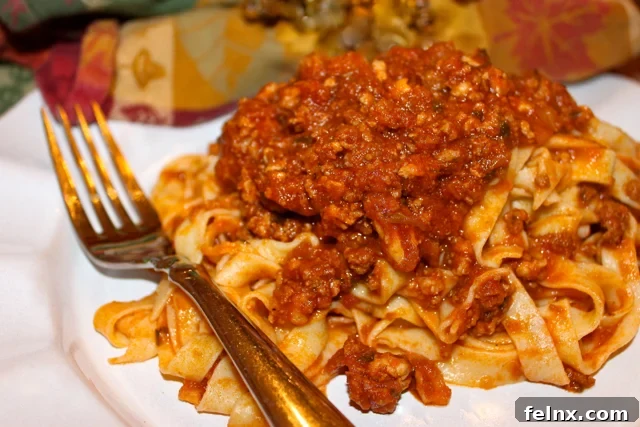
Homemade Tagliatelle with Authentic Bolognese Sauce and an Autumn Tablescape Guide
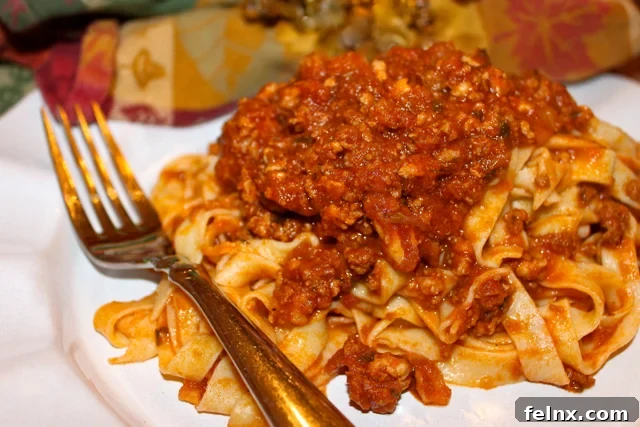
Ribbons of fresh, golden tagliatelle noodles tossed with a rich, slow-cooked Bolognese sauce.
Cooking is often more than just preparing a meal; it is a way to preserve memories and honor family traditions. Looking back on this journey from several years ago, I am reminded of the warmth of my kitchen when my mother was still here, moving gracefully between the stove and the counter. Our blog has always been a journal of life on a country acreage—capturing moments in the garden, on the road, and most importantly, in the kitchen. To maintain the integrity of those memories, I am revisiting this classic autumnal recipe and seasonal tablescape, keeping the heart of the original presentation while sharing new insights for modern home cooks.
The Tradition of Tagliatelle in Italian Cuisine
For the authentic Bolognese sauce we prepared together, we knew that only one pasta shape would truly do it justice: tagliatelle. Originating from the Emilia-Romagna and Marche regions of Italy, specifically the city of Bologna, tagliatelle is the quintessential partner for a heavy meat ragu. These long, flat ribbons of pasta are remarkably similar to fettuccine in shape, but the culture surrounding them is distinct. The secret to their success lies in their texture. When you roll out pasta dough by hand or with a home machine, the resulting surface is slightly porous and rougher than the slick, factory-made dried pasta found in boxes.
This characteristic “porosity” is exactly why tagliatelle is favored by Italian chefs. It acts like a canvas, allowing thick sauces made from beef, pork, or veal to cling to every strand rather than sliding off to the bottom of the bowl. When you take a bite of fresh tagliatelle, you are experiencing the perfect marriage of grain and protein, a culinary harmony that has been perfected over centuries in Italian households.
The Great Sauce Debate: Italian vs. American Style
When you look at the vibrant photos of our finished dish, you might notice a generous dollop of sauce on top of the noodles. In traditional Italian dining, pasta is typically served “condito”—lightly tossed so that the sauce coats the noodles without overwhelming them. The pasta is meant to be the star, and the sauce is the seasoning. However, culinary traditions often adapt to the preferences of the people we love. In our home, my husband is a fan of the “more is more” approach. He loves a hearty amount of sauce, and honestly, seeing people happy and satisfied around my table is my primary goal.
Whether you prefer the authentic, lightly-coated Italian method or the hearty, sauce-rich American style, the most important thing is the quality of the ingredients. A well-made Bolognese, simmered for hours to develop deep flavors, will be delicious regardless of how much you put on the plate. Cooking for family is about creating a “happy tummy,” and if extra sauce makes your loved ones smile, then that is the right way to serve it.
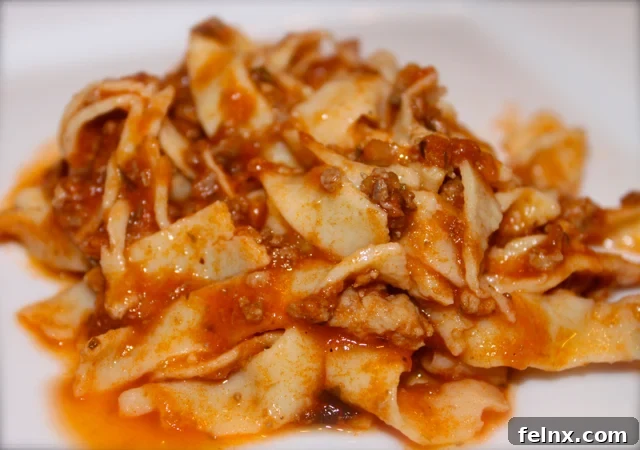
A more traditional Italian presentation where the sauce is perfectly balanced with the fresh pasta.
How to Master Fresh Pasta at Home
Making pasta from scratch might seem intimidating, but it is a rewarding process that transforms simple ingredients like flour and eggs into something extraordinary. Once you have your dough prepared and rested, it is time to roll. Rolling the dough is a rhythmic process that requires patience and a bit of practice. If you are using a manual or electric pasta machine, the goal is to gradually reduce the thickness until the sheet of pasta is thin enough to see the shadow of your hand through it, yet strong enough to hold its shape.
Using a tool like the KitchenAid pasta roller attachment can make this process much faster and more consistent for beginners. You start by feeding a thick piece of dough through the rollers at the widest setting (usually #1). With each pass, you click the machine to a thinner setting until you reach your desired thickness. For tagliatelle, we usually stop at setting #3 or #4, ensuring the ribbons have enough body to stand up to the meat sauce.
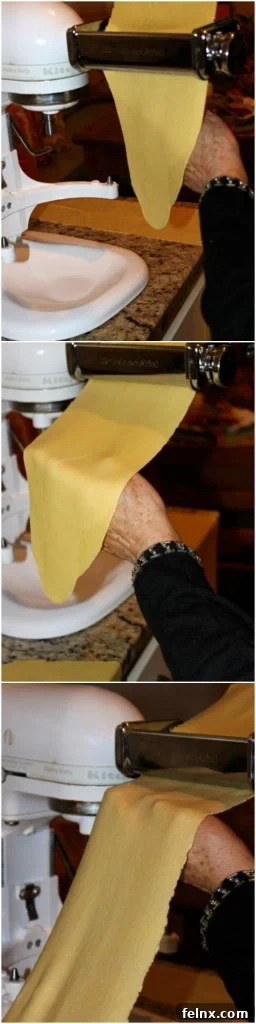
The process of thinning the dough: start with the thickest setting and gradually decrease the number for a smooth sheet.
Cutting the Perfect Ribbons
Once your pasta sheets are ready, the next step is cutting them into those iconic ribbons. If you are using a machine attachment, simply swap the flat roller for the tagliatelle cutter. Tagliatelle is wider than spaghetti but narrower than lasagne sheets. If you want to go the truly traditional route, you can use a “chitarra”—a wooden frame with parallel wires that looks like a stringed instrument. By pressing the dough through the wires, you create pasta with square edges that have a fantastic mouthfeel.
If you don’t have specialized tools, don’t worry! You can easily cut tagliatelle by hand. Simply flour your pasta sheet generously, roll it up loosely into a cylinder, and use a sharp knife to slice the roll into strips about 6mm to 10mm wide. Unfurl the strips, and you have beautiful, rustic, hand-cut pasta.
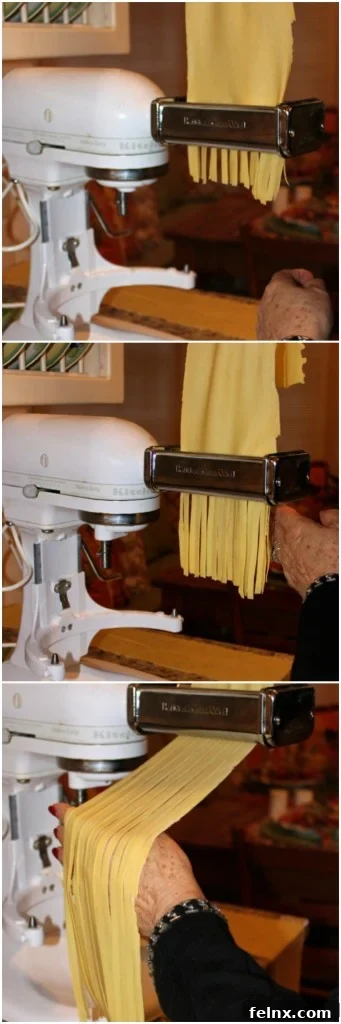
Watching the fresh ribbons emerge from the cutter is one of the most satisfying parts of the process.
The Secret to Cooking Fresh Pasta
Fresh pasta behaves very differently than dried pasta. While dried noodles can take 8 to 12 minutes to reach perfection, fresh tagliatelle is incredibly fast. You must have a large pot of water already boiling and heavily salted before the pasta is even cut. Once the noodles hit the water, they only need about 2 to 3 minutes to reach an “al dente” state.
Because the cooking time is so short, your sauce must be hot and ready in a separate pan. As soon as the pasta is finished, use tongs to transfer it directly from the water into the sauce. This allows a bit of the starchy pasta water to mix with the Bolognese, creating a silky texture that binds the two components together beautifully.
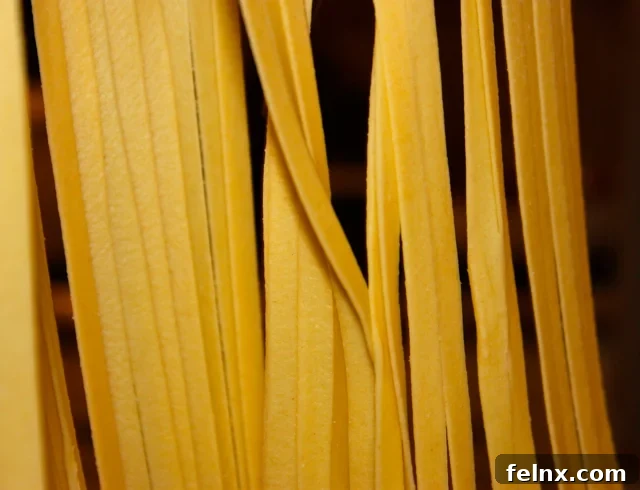
The finished product: fresh, airy strips of pasta ready for the boiling pot.
Creating an Autumnal Tablescape for Entertaining
After the effort of making fresh pasta, the dining experience should feel special. Autumn is a wonderful time to embrace earthy tones and natural textures in your home decor. Our home is located in a rural, wooded area, so I love to bring the outside in. My approach to decorating is both aesthetic and sustainable. Instead of buying new items every year, I rely on a foundational set of decorations that I reuse and repurpose throughout the seasons.
For this autumn tablescape, I used green as the primary color. Green is a versatile base that works for spring, summer, and even Christmas. By keeping high-quality items like woven wicker placemats and painted wooden chargers, I can easily transition from a spring “garden” look to a cozy autumn feel just by swapping out the accents. This year, I added artificial pumpkins, ceramic acorns, and foliage-themed focal points to capture the essence of the harvest.
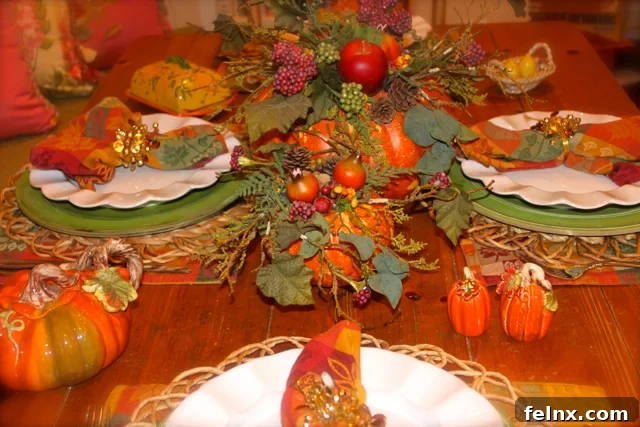
Using the same foundational pieces builds a sense of continuity and tradition within the family. When your children or guests see the same treasured ceramic teapot or the familiar acorn salt and pepper shakers year after year, it creates a sense of belonging and nostalgia. These items become part of the family’s story, passed down through generations along with the recipes themselves.
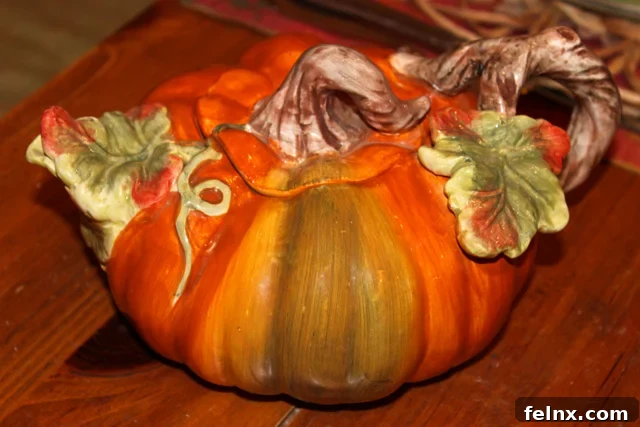
A vintage pumpkin-shaped teapot serves as a charming and functional accent for the fall table.
Tips for Sustainable Decorating
Decorating your home doesn’t have to be expensive or wasteful. Here are a few tips for creating a beautiful atmosphere while being mindful of your resources:
- Invest in Neutrals: Choose placemats, chargers, and cloth napkins in neutral or earthy tones like cream, sage green, or wood finishes. These can be used year-round.
- Mix Natural and Artificial: High-quality artificial pumpkins and leaves can be stored and reused for decades. Supplement them with real items from your garden, like pinecones, dried branches, or fresh squash.
- Storage Matters: Take the time to wrap your seasonal ceramics and linens carefully. If you tend to them well, they will look brand new every September.
- Repurpose for Holidays: That same green charger used for an autumn dinner can be paired with red napkins and holly for a beautiful Christmas display.
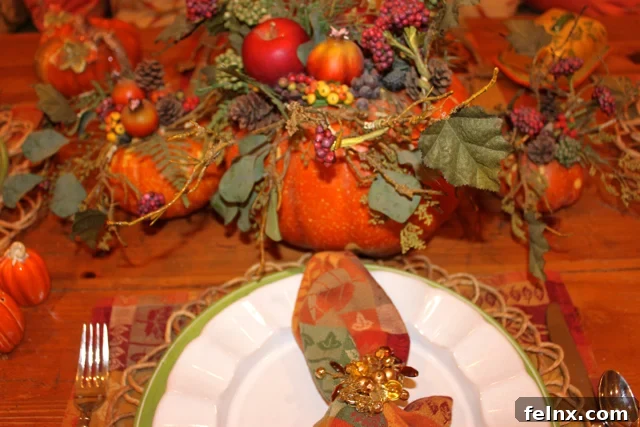
The centerpiece combines pumpkins and foliage to create a warm, inviting focal point.
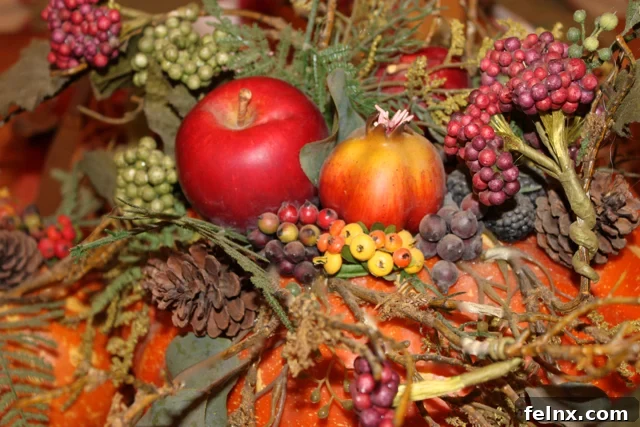
Using different sizes of pumpkins adds visual interest and depth to your centerpiece arrangement.
Final Thoughts on the Season
As the leaves change and the air turns crisp, there is nothing quite like the smell of a slow-simmering sauce and the sight of a beautifully set table. Whether you are rolling out your first batch of fresh tagliatelle or dusting off your favorite autumn decorations, the goal is to celebrate the season with the people you love. Life on the acreage has taught me that the simplest pleasures—a handmade meal, a recycled decoration, and the memory of a mother’s help in the kitchen—are the ones that matter most.
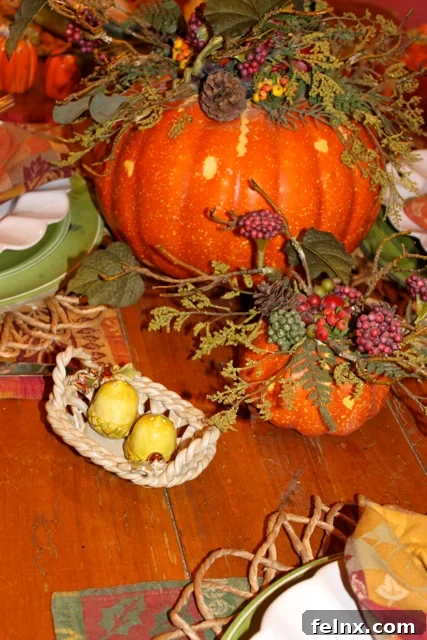
Small details, like these acorn-shaped shakers, bring a touch of whimsy to the dining experience.
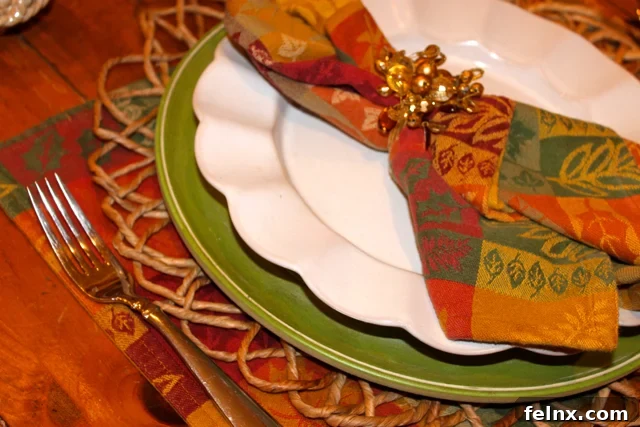
Layers of texture: combining wicker, wood, and fabric for a sophisticated yet rustic place setting.
I hope this inspired you to get into the kitchen and try your hand at fresh pasta. It is a skill that will serve you a lifetime and bring endless joy to your dinner table. Wishing you a beautiful, delicious, and memorable autumn season!