The Beauty of a Spring Garden: A Walk Through Nature’s Colorful Transformation
Spring has finally arrived, and there is a profound sense of renewal that fills the air on our acreage. After a long, grey winter, the garden has suddenly burst into a vibrant palette of pinks, purples, and whites. It is easy to get lost in the busyness of daily life, but taking a moment to step behind the garden gate offers a unique kind of restoration for the soul. This year, the display has been particularly spectacular, thanks to a winter filled with ample rain and even two unexpected snowfalls that provided the perfect moisture for our perennials to thrive.
I realized recently that I hadn’t yet taken you on a proper tour of the flowers currently blooming around our home. While the culinary projects often take center stage in my life, the garden is where the ingredients for a peaceful mind are grown. In this post, I want to share the highlights of our March and April blooms, focusing on the hardy varieties that survive the challenges of country living—specifically, our local deer population.
The Radiant Bloom of Clematis ‘Nelly Moser’
One of the true stars of the early spring garden is the Clematis ‘Nelly Moser’. This particular variety is famous for its large, star-shaped flowers that feature a brilliant rose-pink stripe running down the center of each pale mauve petal. It is a climber that adds vertical interest to the garden, scaling trellises and fences with a delicate yet determined grace.
When planting Clematis, I have learned that they prefer a “cool foot and a warm head.” This means they love having their roots shaded by other smaller plants or a thick layer of mulch, while their vines reach upward to soak in the sun. The ‘Nelly Moser’ is especially striking because its colors are so vivid in the soft morning light. If you are looking for a plant that brings a touch of elegance to a garden wall, this is an excellent choice.
A Legacy in Bloom: The Story of Our Irises
Gardening is often about more than just aesthetics; it is about memory. In our front gardens, we have a stunning collection of irises that tell a family story. Among the new additions purchased from a local nursery, you will find a deep, regal purple variety. These aren’t just any flowers; they were originally brought from W.D.’s parents’ farm in Ohio many, many years ago.
Every time we have moved to a new home, we have carefully dug up these rhizomes, packed them away, and replanted them in our new soil. They serve as a living memorial to family history. Beside them, we have planted a blue and white variety that offers a crisp, clean contrast to the deeper purples. The best part about growing irises in the countryside? The deer don’t touch them! These “flags,” as some call them, are incredibly hardy and multiply year after year, filling the garden with more beauty every spring.
The Enchanting Growth of Bleeding Hearts
Along the northern exposure of our house, tucked under the protective canopy of the River Birch trees, the Bleeding Hearts (Dicentra) have truly made themselves at home. It is incredible to see how much these plants have naturalized. What started as small four-inch potted plants have now expanded into massive mounds, each measuring about four feet wide.
With about fifteen of these plants in a row, the effect is a sea of arching stems dripping with heart-shaped pink and white blossoms. They thrive in the shade and provide a soft, romantic texture to the garden beds. Another benefit for those of us living near woods is that Bleeding Hearts are completely distasteful to deer. They are the perfect “plant it and forget it” perennial for a shady spot that needs a burst of early-season color.
The Wild Glory of Wisteria
If there is one plant that demands attention, it is the Wisteria. I will be the first to admit that Wisteria can be a bit of a rebel. It is a vigorous grower that will attempt to climb and overtake anything within its reach. While some prefer a formal, highly manicured garden, I have always leaned toward a more natural, slightly wild aesthetic. I love the way the Wisteria drapes itself over our structures.
The bloom period is admittedly short—usually lasting only about two weeks—but during those fourteen days, it absolutely steals the show. The long, pendulous clusters of purple flowers release a fragrance that is nothing short of intoxicating. It is a reminder that some of the best things in nature are fleeting, making us appreciate them even more while they last.
Discovering the Chinese Snowball Viburnum
One of our more recent additions to the acreage is the Viburnum “Chinese Snowball.” We planted seven of these hardy shrubs, and they have quickly become favorites. If you love the look of hydrangeas but struggle with deer eating them to the ground, the Chinese Snowball is the answer to your prayers.
These shrubs produce massive, hydrangea-sized balls of white flowers that look like actual snowballs hanging from the branches. They are exceptionally deer-resistant and can grow quite tall, making them excellent for privacy hedges or as standalone specimen plants. They prefer full sun and are much more resilient to the fluctuations of spring weather than traditional hydrangeas.
The Resilience of the Eastern Redbud
Spring in the South wouldn’t be complete without the Redbuds. Over the last six years, we have planted eight of these trees. They produce a stunning haze of tiny purple flowers directly on their branches before their heart-shaped leaves even appear. However, gardening always comes with its heartbreaks. When the deer are hungry and desperate in early spring, they will unfortunately snack on the lower branches of young Redbuds.
We have lost about half of our Redbud trees to the local herd, which is always sad. I consider these trees my “floral babies,” and losing one is never easy. But a gardener’s spirit is one of persistence. Every year, I plant a few more, hoping that eventually, they will grow tall enough to be out of the deer’s reach. The splash of neon purple they provide against the greening woods is worth the effort and the risk.
A Tradition of Salmon Geraniums
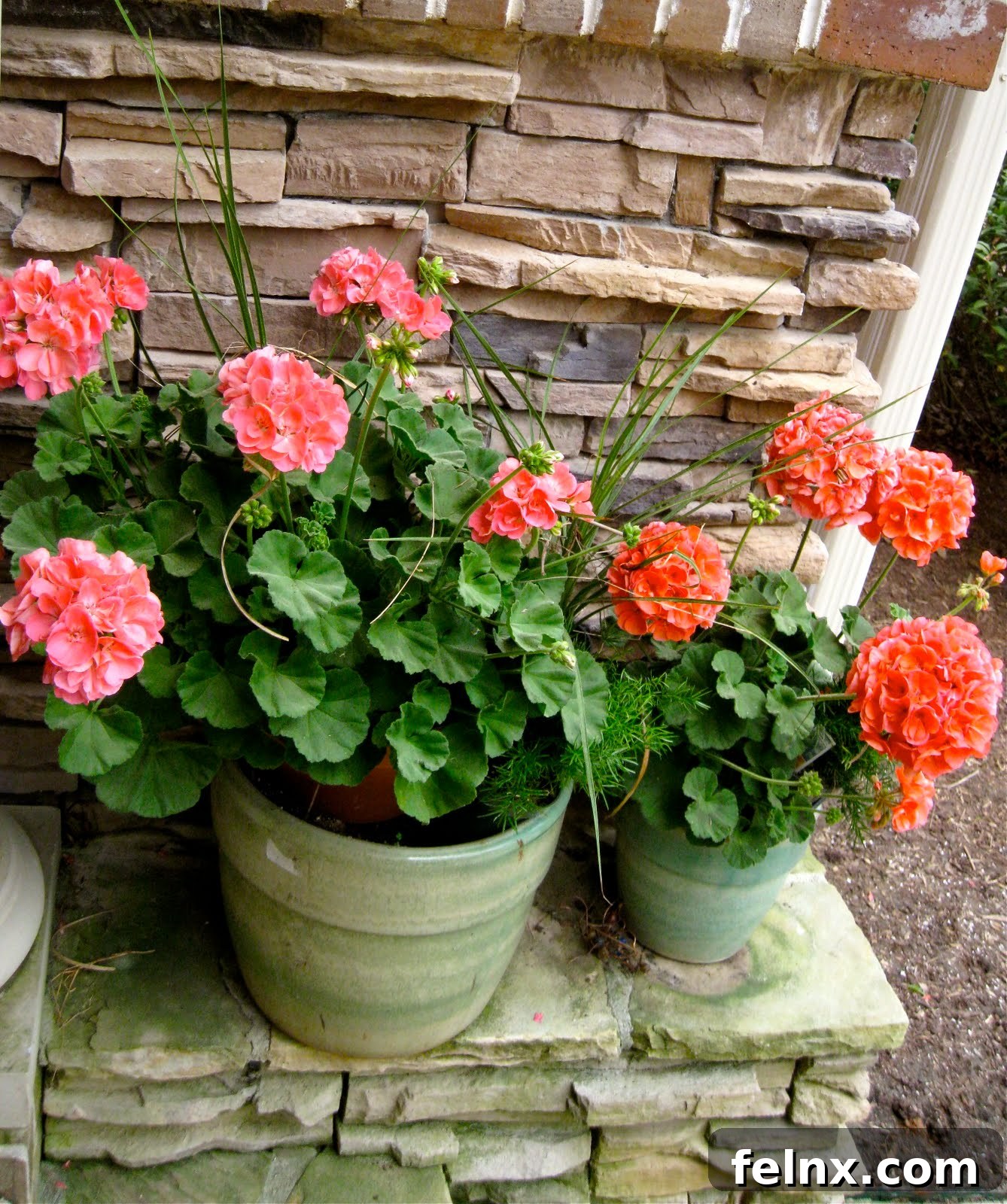
In the containers surrounding the front of our house, I have a tradition that dates back to 1978: Salmon-colored Geraniums. There is something about this specific shade that pops beautifully against our stone-covered walls. The color is vivid, warm, and welcoming.
The challenge, of course, is that deer view geraniums as the garden equivalent of candy. To keep them safe, I have to be diligent about using a natural repellent spray after every rainfall. It requires a bit of maintenance, but the visual reward of those bright clusters of flowers greeting guests at the door is well worth the five minutes of spraying.
Stargazer Lilies and the First Signs of Life
As we move deeper into the season, the “Stargazer” Lilies begin to take their place. We usually plant these right after Easter in protected areas where the deer can’t easily reach them. Stargazers are famous for their intense fragrance and dramatic, spotted petals. They represent the height of spring elegance.
But we cannot talk about spring without mentioning the very first flowers to wake up: the Daffodils. Our patches of ‘Mount Hood’ and ‘Ice Follies’ are nature’s little alarm clocks. They are the first to push through the cold soil, often while there is still a chill in the air, to assure us that winter is over. They are bright, cheerful, and incredibly reliable, returning year after year with zero effort on our part.
The Constant Color of Winter Pansies
Finally, I have to give credit to the Pansies. While most of the garden sleeps during the winter, the pansies provide consistent color through the grey, rainy months. These “sweet little things” are much tougher than they look, surviving frosts and heavy rains to keep the garden beds looking alive even in January and February. They are the bridge that carries us from the end of one year into the blooming glory of the next.
Final Thoughts: Stop and Smell the Flowers
Taking this stroll through the garden reminds me of the importance of slowing down. Our lives are often filled with “insane over-busyness,” but nature operates on a different schedule. It doesn’t rush, yet everything is accomplished. Whether you have a vast acreage or a few pots on a balcony, I hope you find a way to connect with the earth this season.
The azaleas and roses are just beginning to show their faces now, and I look forward to sharing those with you in my next update. Until then, remember to take a deep breath, step outside, and—most importantly—stop and smell the flowers!
Thank you for joining me on this virtual walk through my garden palette. May your own spring be filled with growth, color, and the restoration of your soul.