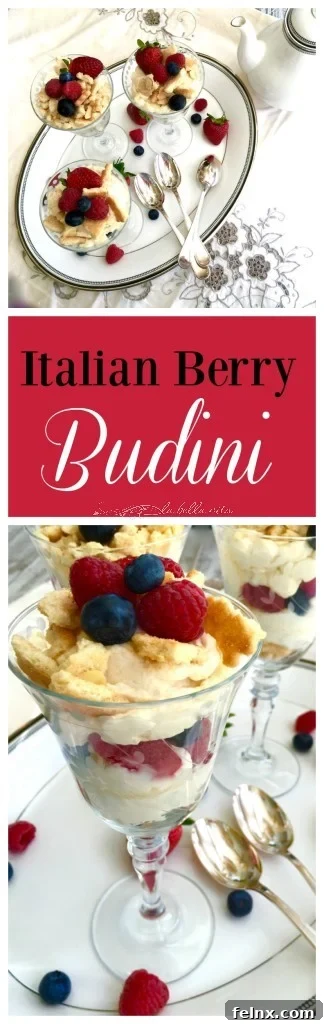
The Ultimate Guide to Italian Berries, Mascarpone, and Marsala Budini
Cooking is a journey of discovery, a constant challenge to the palate, and a way to express creativity in the kitchen. For many home chefs, the real joy lies in stepping out of their comfort zone and attempting recipes that carry a bit of mystery. One such treasure from the heart of Italian confectionery is the Budino. If you have ever wanted to serve a dessert that looks like it came from a high-end trattoria in Florence but is simple enough to prepare at home, you have found it. Today, we are exploring the exquisite world of Italian Berries, Mascarpone, and Marsala Budini.
Italian cuisine is famous for its ” -ini ” names—think of Bellini, Spaghettini, Tortellini, and Scallopini. Among these melodic names, Budini stands out as a luxurious treat that is often overlooked in favor of Tiramisu or Panna Cotta. However, once you taste the velvety texture of a well-made budino, you will realize it is simply irresistible.
What Exactly is an Italian Budino?
If you were asked during a trivia night what a “Budino” is, would you know the answer? In Italian, budino (plural budini) refers to a rich, sweet, and incredibly creamy custard or pudding. Unlike the thin puddings sometimes found in plastic cups, a traditional Italian budino has a dense, sophisticated profile. It can be prepared in a variety of ways, ranging from decadent chocolate and salted caramel to lighter, fruit-based versions like the one we are discussing today.
To the uninitiated, a budino might look like a parfait. While they share the layered aesthetic, the texture of a budino is more substantial. It bridges the gap between a mousse and a traditional custard. It is the kind of dessert that makes people want to lick the glass clean—a testament to its perfect balance of sweetness and tang from the mascarpone cheese.
The Secrets Behind the Ingredients
To reach a word-class result, we must look closely at the components that make this dessert special. This isn’t just a mix-and-serve dish; it is a symphony of high-quality Italian ingredients.
1. The Mascarpone Cheese
Mascarpone is often called Italian cream cheese, but it is much more than that. It is made from only two ingredients: heavy cream and citric or tartaric acid. This results in a fat content that is significantly higher than American cream cheese, giving it a buttery, silky mouthfeel. In this recipe, the mascarpone provides the structural base and the creamy richness that defines the budino.
2. Marsala Wine
Marsala is a fortified wine produced in the region surrounding the Italian city of Marsala in Sicily. It adds a deep, nutty, and caramelized flavor to desserts. For this budino, we use “Sweet Marsala” (Marsala Dolce), which pairs perfectly with the acidity of the berries and the sweetness of the powdered sugar. It elevates the dessert from a simple cream to a complex culinary experience.
3. Amaretti Cookies
No budino is complete without a bit of texture. Amaretti are traditional Italian macaroons made from almond flour, sugar, and egg whites. They are crunchy on the outside and provide a distinct apricot-kernel or bitter-almond aroma. When crushed and layered, they absorb a bit of the cream while maintaining enough “bite” to contrast the softness of the custard.
4. Seasonal Berries
Freshness is the hallmark of Italian cooking. While you can use any fruit, a mix of strawberries, blueberries, and raspberries provides a vibrant color palette and a refreshing tartness that cuts through the richness of the mascarpone and cream. The antioxidants in the berries also add a healthful touch to this indulgent treat.
Expanding Your Culinary Horizons
If you are looking to deepen your knowledge of Italian desserts, you aren’t alone. Respected food authors from the Los Angeles Times and Epicurious have often written about the “mystery” and “adventure” of the budino. It is a dish that allows for endless variations. Some chefs prefer to bake their budini in a water bath (bain-marie) for a firmer texture, while our version focuses on a whipped, no-bake method that emphasizes lightness and ease of preparation.
By mastering this recipe, you are not just making dessert; you are learning the art of the “crema”—the essential building block of many Italian sweets. Whether you serve it at a formal dinner party or a casual family gathering, the Berries, Mascarpone, and Marsala Budini is guaranteed to be the star of the show.
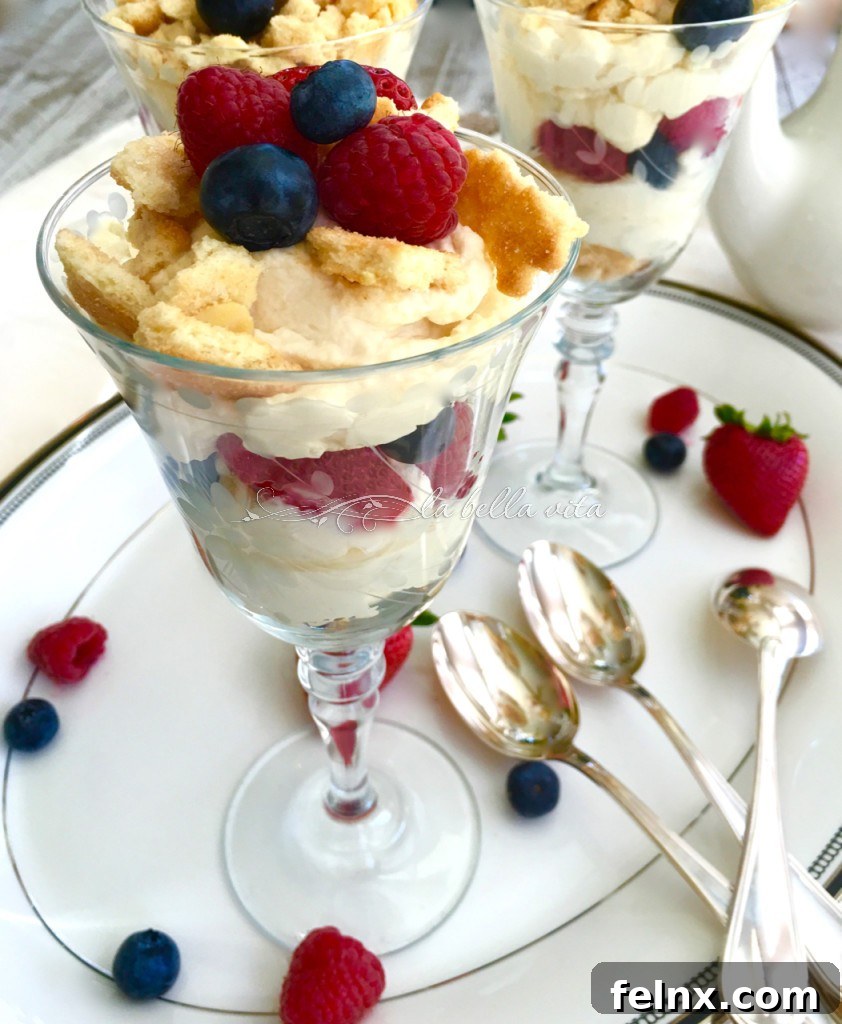
Recipe: Italian Berries, Mascarpone and Marsala Budini
This recipe yields 4 to 5 servings, making it perfect for a small group. It takes about 30 minutes of active prep time and requires at least an hour of chilling to set the flavors perfectly.
Ingredients
- 8 oz. Mascarpone: Use high-quality Italian Mascarpone cheese for the best texture.
- 1 cup Heavy Whipping Cream: Ensure it is very cold before whipping.
- ¼ cup Powdered Sugar: Also known as confectioners’ sugar.
- ¼ cup Sweet Italian Marsala Wine: Provides the signature Mediterranean flavor.
- 2 cups Amaretti Cookies: Crushed into small bits but not a fine powder.
- Fresh Berry Assortment: Strawberries, blueberries, raspberries, and blackberries.
Detailed Instructions
Step 1: Prep the Mascarpone
Using a hand-held mixer or a stand mixer with a whisk attachment, whip the mascarpone cheese on high speed. You want to do this for about five minutes. The goal is to incorporate air and make the cheese light and fluffy until soft peaks begin to form. This step is crucial because cold mascarpone can be quite dense; whipping it ensures the final dessert isn’t too heavy.
Step 2: Incorporate the Cream
Once the mascarpone is light, slowly blend in the heavy whipping cream. Continue to whisk. The mixture will begin to thicken as the cream aerates. Be careful not to over-whip at this stage, or you might end up with sweet butter!
Step 3: Add Flavor and Sweetness
Sift in the powdered sugar to avoid any lumps. Pour in the sweet Marsala wine. Blend for one more minute until the wine is fully incorporated and the mixture is smooth, glossy, and holds its shape.
Step 4: Prepare the Cookie Base
Place your Amaretti cookies in a plastic bag and use a rolling pin to crush them. You want a variety of sizes—some fine crumbs and some larger chunks to provide a satisfying crunch in every spoonful.
Step 5: The Art of Layering
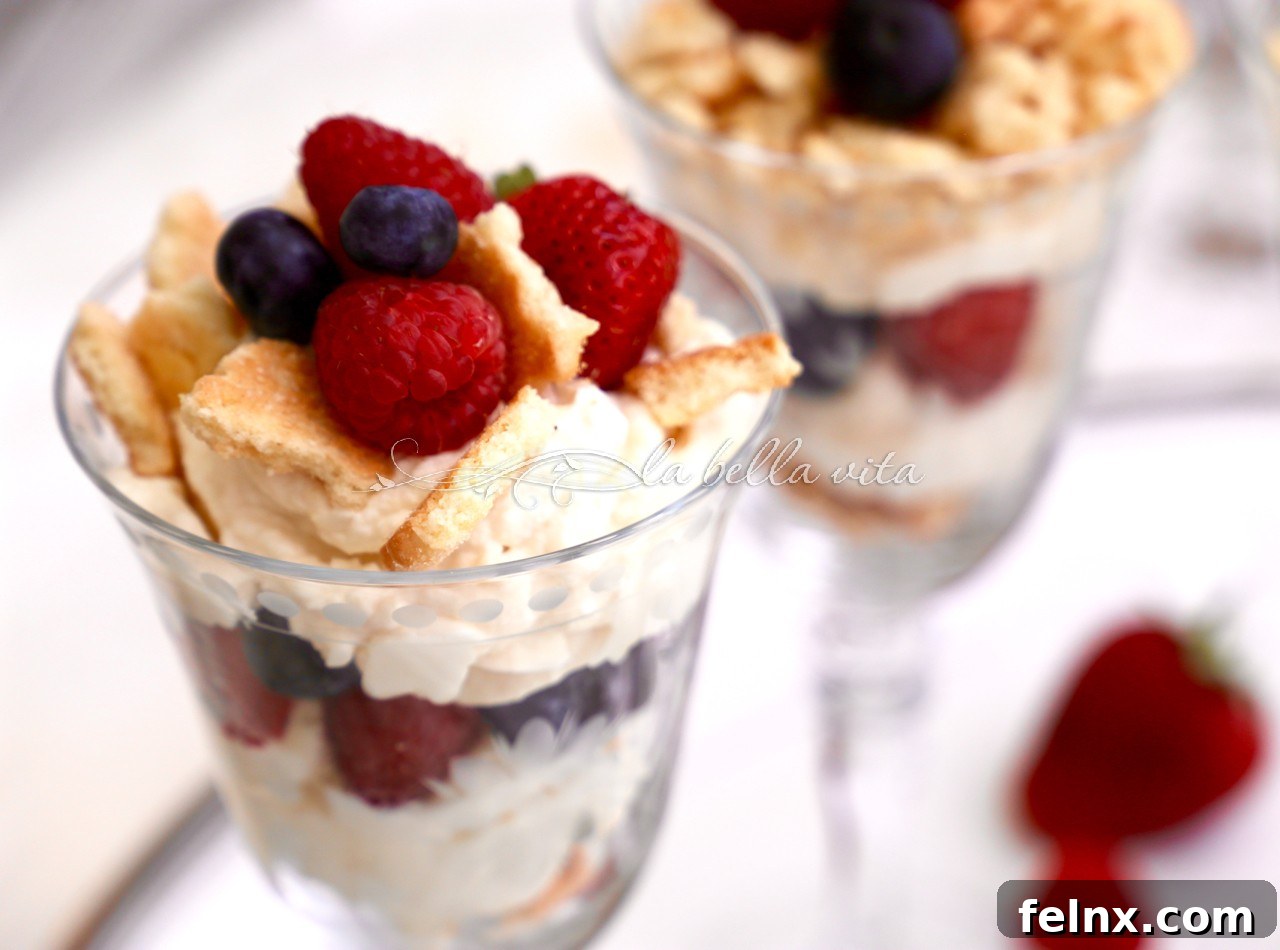
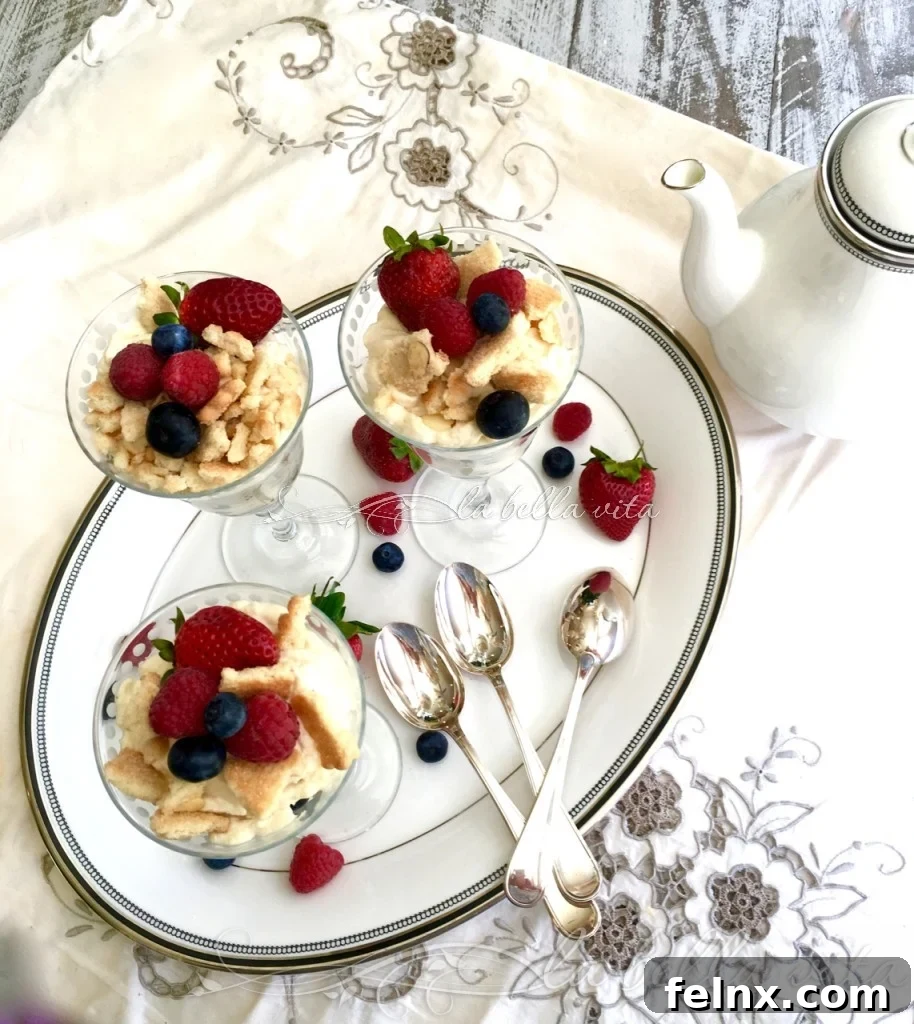
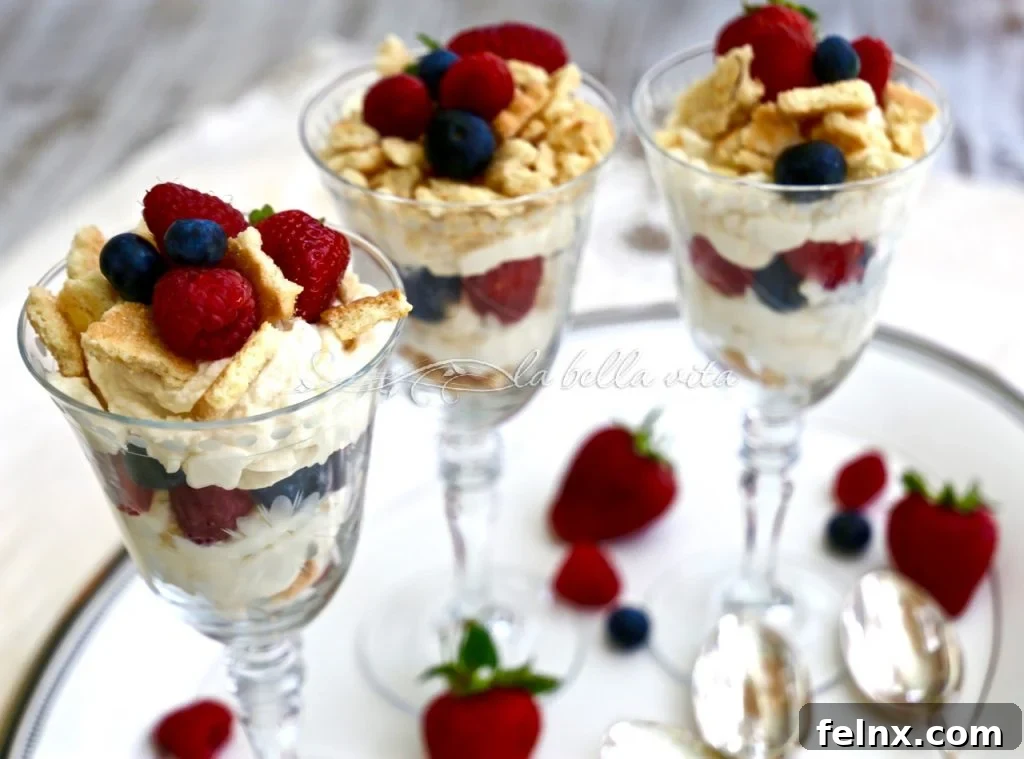
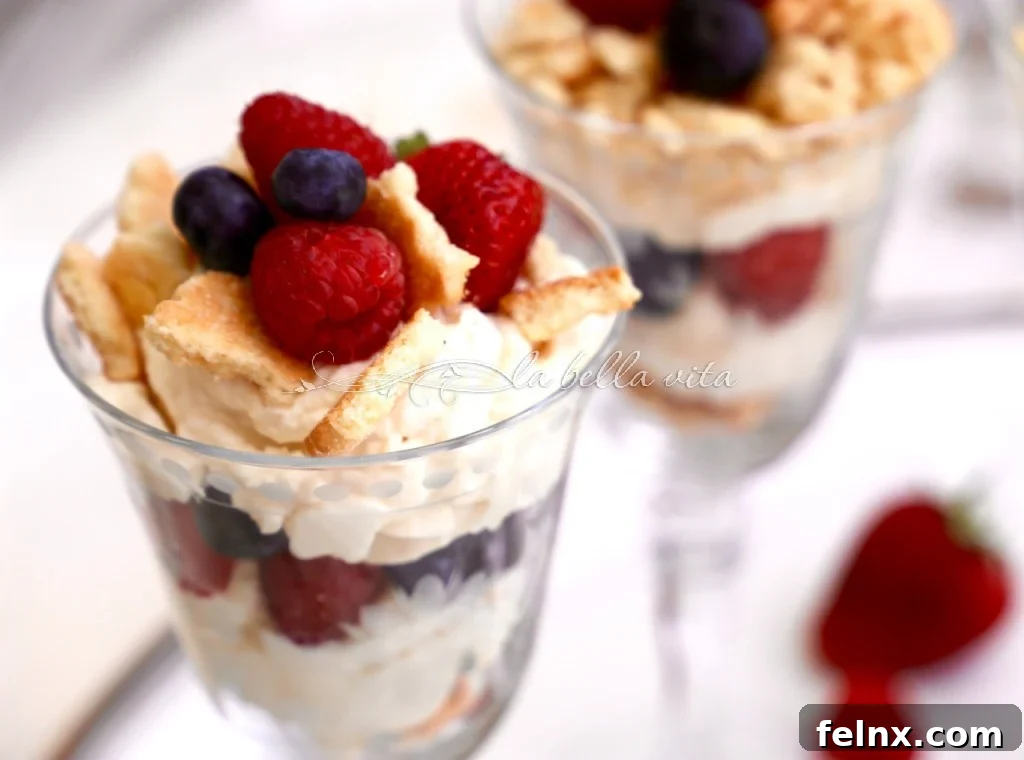
Choose elegant wine glasses or clear dessert bowls to show off the beautiful layers. Start with a layer of crushed Amaretti cookies at the bottom. Follow this with a generous dollop of the mascarpone mixture. Add a layer of fresh, washed, and dried berries. Repeat the process: more mascarpone, more cookies, and a final topping of berries.
Step 6: Chill and Serve
While you can eat this immediately, it is much better after chilling. Place the glasses in the refrigerator for at least one hour. This allows the Marsala flavors to meld with the cream and the cookies to slightly soften. Serve chilled and garnish with a fresh sprig of mint if desired.
Pro Tips for the Perfect Budino
To ensure your dessert is a success every time, consider these professional tips:
- Temperature Matters: Keep your cream and mascarpone in the fridge until the very second you are ready to use them. Cold fat whips much better than room temperature fat.
- Berry Preparation: If your strawberries are very large, slice them into quarters so they are easier to eat with a spoon.
- Wine Substitutes: If you don’t have Marsala, you can use a sweet Sherry or even a splash of vanilla extract with a bit of grape juice, though the flavor profile will change significantly.
- Glassware: Using tall, narrow glasses makes the layers look more professional and prevents the cookies from getting too soggy too quickly.
Buon Appetito!
Final Thoughts on This Classic Italian Treat
The Italian Berries, Mascarpone, and Marsala Budini is more than just a recipe; it is a celebration of simple, high-quality ingredients. In a world of over-complicated desserts, the budino stands out for its elegance and honesty. It respects the natural sweetness of the fruit and the rich heritage of Italian dairy and wine production.
By bringing this dish to your table, you are sharing a piece of Italian culture. It is a conversation starter, a palate cleanser, and a moment of pure indulgence all rolled into one. Whether you are an experienced baker or a kitchen novice, this recipe offers a high reward for relatively little effort.
Did you make this recipe? I would love to see your results! Sharing your culinary creations is a wonderful way to inspire others. Feel free to share your photos on social media or leave a comment below about your experience with this creamy Italian delight.