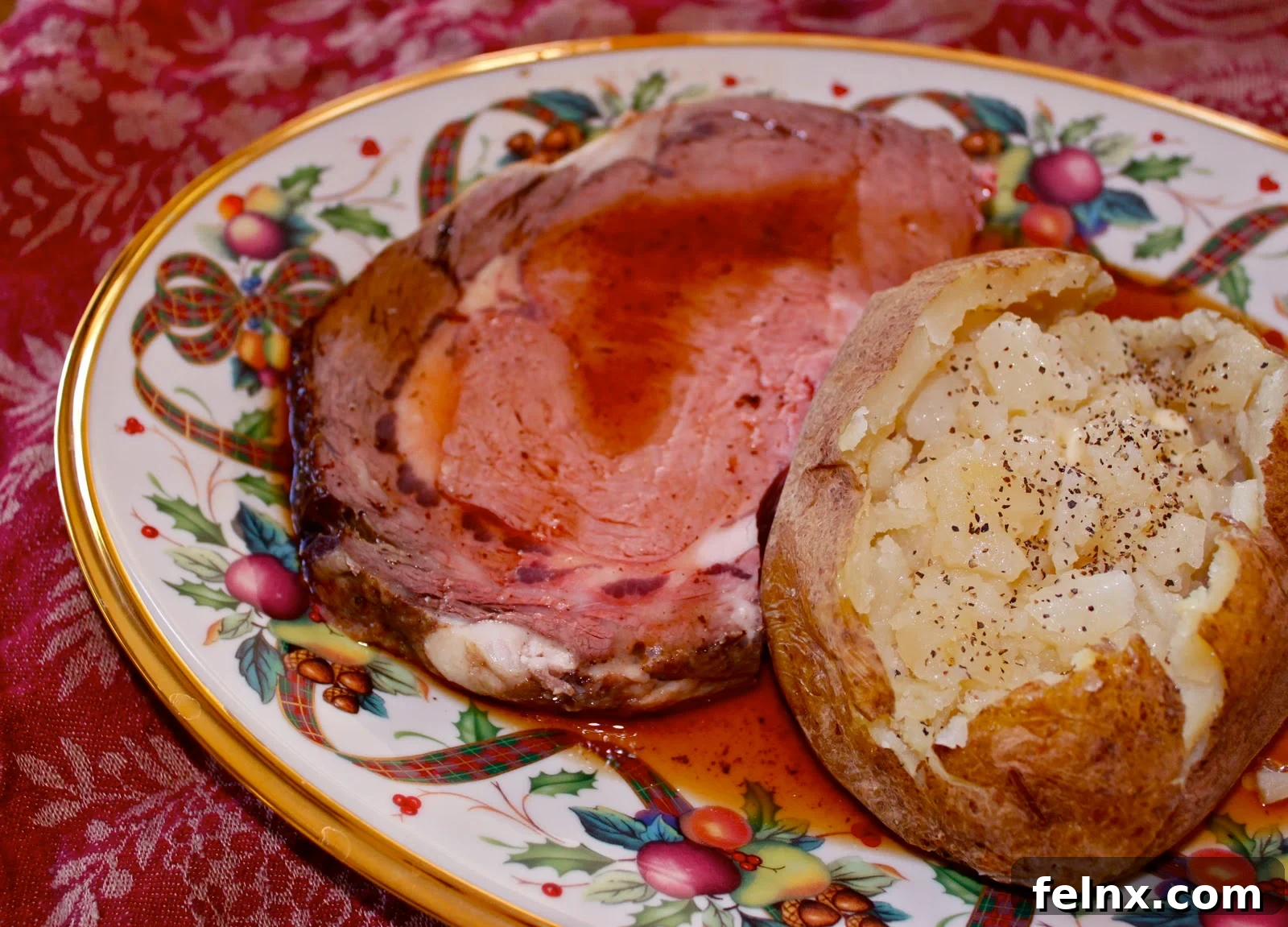
The Ultimate Guide to Perfect Prime Rib with Au Jus
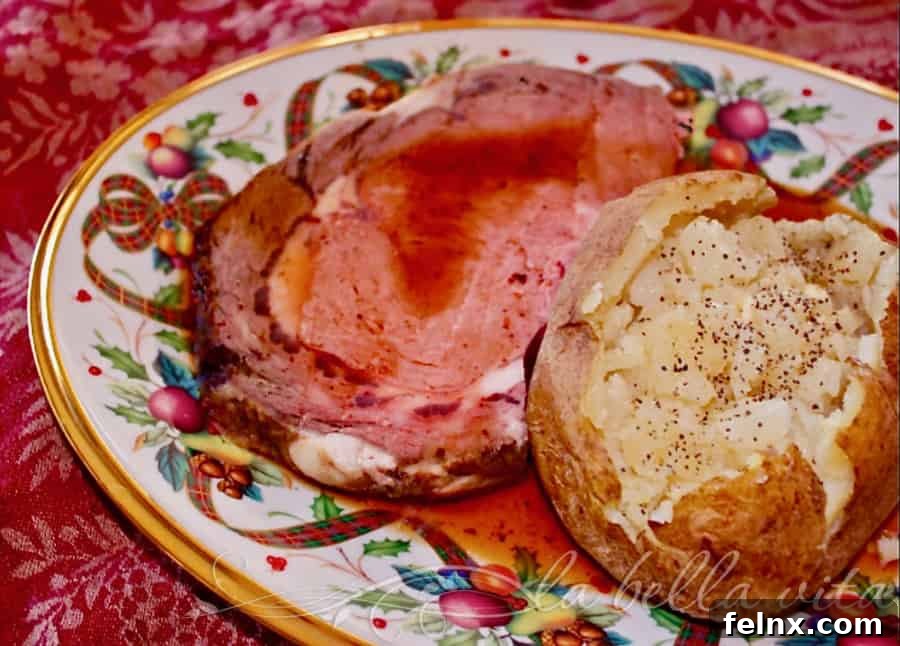
Prime Rib with Au Jus: The Crown Jewel of Holiday Dining
When the holiday season arrives, our homes transform into hubs of warmth, laughter, and incredible aromas. There is no centerpiece quite as impressive or indulgent as a perfectly roasted prime rib. Also known as a standing rib roast, this cut of beef is the ultimate luxury for special occasions. Whether you are hosting a grand Christmas dinner or an intimate celebratory feast, mastering the art of the prime rib is a skill that will stay with you for a lifetime.
For many families, this isn’t an everyday meal. It is an extravagance reserved for those moments when everyone gathers around the table to share something truly special. While cooking such an expensive piece of meat can feel intimidating, the secret lies in a time-tested restaurant recipe that prioritizes simplicity and patience. This guide will walk you through every step to ensure your roast is juicy, flavorful, and served with a rich, savory au jus that elevates every bite.
A Family Tradition Rooted in Culinary Excellence
The recipe shared here isn’t just a set of instructions; it is a piece of culinary history. It comes directly from a successful family-owned Italian steakhouse, where it was the star of the menu. This tried-and-true method has been preserved in family cookbooks and remains the gold standard for our annual Christmas Day dinner. It consistently delivers a mouthwatering result: herbed, spiced, and incredibly tender beef that rivals the finest steakhouses in the world.
One of the best things about this recipe is its versatility. Because the roast is large, you can easily satisfy different preferences at the table. By carving the outer slices for those who prefer medium-rare and serving the center cuts to those who love their beef rare, you ensure every guest is happy. And let’s not forget the leftovers—prime rib makes the most incredible sandwiches the next day!
Mastering the Perfect Prime Rib with Au Jus
Essential Italian Accompaniments
As a tradition in many northern Italian households, the meal begins long before the beef is carved. A classic holiday dinner starts with a steaming bowl of homemade Tortellini in Brodo. This light yet flavorful pasta soup is the perfect “primo piatto” (first course) to prepare the palate for the rich roast to come.
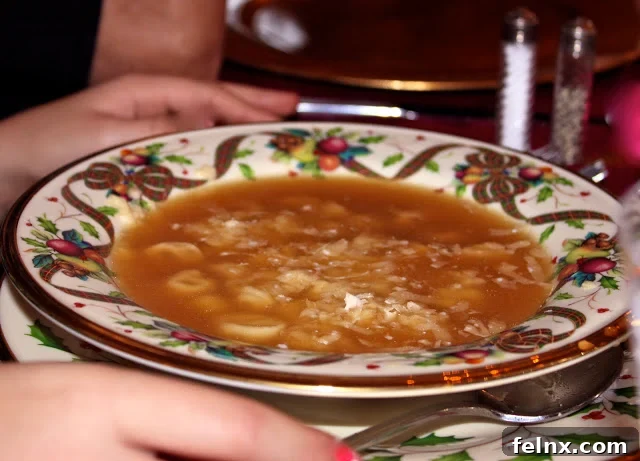
A bowl of Tortellini in Brodo with freshly grated Parmigiano cheese.
For the side dishes, simplicity is key. You want accompaniments that complement the meat without overshadowing it. A classic baked potato loaded with butter and sour cream, paired with a fresh spinach and bacon salad, creates a balanced plate. This approach ensures there is still plenty of room for those decadent holiday desserts.
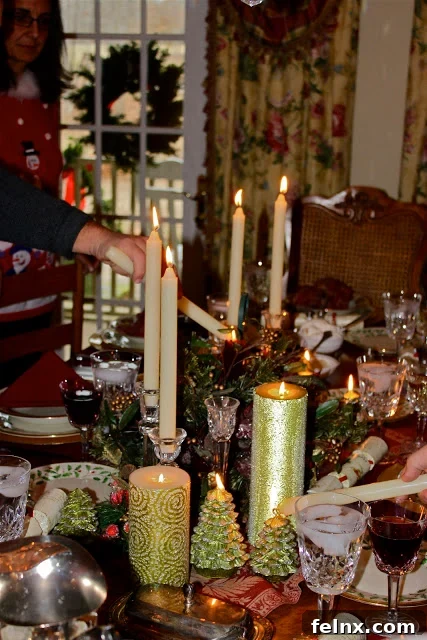
The ritual of lighting candles before the feast begins.
Expert Tips for Choosing and Preparing Your Roast
To achieve professional results at home, you must start with the right ingredients and tools. Here are the fundamental rules for prime rib success:
1. Always Buy Bone-In
The bones act as a natural insulator, allowing the meat closest to them to cook more slowly. This results in a more tender and juicy interior. Plus, the bones add a depth of flavor to the roasting process that you simply can’t get with a boneless cut.
2. Look for Superior Marbling
Marbling refers to the small white flecks of intramuscular fat within the meat. As the roast cooks, this fat melts, basting the meat from the inside out. For the best experience, look for beef graded as “Prime.” This ensures a higher fat content, which translates to a more flavorful and buttery texture.
3. Choose Grain-Fed over Grass-Fed
While grass-fed beef has its merits, prime rib is one instance where grain-fed (specifically corn-fed) beef is superior. Grain-fed beef is richer, more marbled, and lacks the “funky” or “grassy” flavor that can sometimes be found in leaner, grass-fed cuts.
4. The Importance of Room Temperature
Never put a cold roast into the oven. A large, dense piece of beef like a prime rib will cook unevenly if the center is still chilled. Remove the roast from the refrigerator at least two hours before you plan to cook. This ensures the meat cooks more efficiently and reduces shrinkage.
5. Low and Slow is the Way
To get that beautiful rosy-pink color from edge to edge, you must roast at a low temperature (around 250°F). High heat tends to overcook the outer layers, leaving you with a gray, dry ring of meat around a red center. Low-heat roasting provides a uniform doneness that is visually stunning and delicious.
6. Use an Instant-Read Thermometer
Cooking by time alone is risky because every oven and every roast is different. A high-quality instant-read thermometer is your best friend. It allows you to pull the meat at the exact moment it reaches your desired internal temperature.
7. Respect the Rest
Once the roast comes out of the oven, it must rest. During this time, the muscle fibers relax and reabsorb the juices. If you cut into it too soon, those delicious juices will run out onto the cutting board, leaving you with dry meat. Let it rest for at least 30 to 45 minutes.
Essential Kitchen Tools
Kitchen Bouquet Browning and Seasoning Sauce
Better Than Bouillon Beef Base
High-Accuracy Instant Read Meat Thermometer
The Prime Rib with Au Jus Recipe
This recipe is designed to be straightforward yet spectacular. It focuses on the natural flavor of the beef, enhanced by a rich, homemade au jus that serves a crowd.
Ingredients
- 1 Large Prime Rib Roast: Consult your butcher for the appropriate weight based on your guest count (typically 1 pound per person for bone-in).
- For the Au Jus:
- 1 pound high-fat ground beef (preferably corn-fed).
- 3 quarts water.
- 4 tablespoons Kitchen Bouquet Browning Sauce.
- 4 tablespoons Better Than Beef Bouillon.
- 4 tablespoons sea salt.
- 1/2 teaspoon freshly cracked black pepper.
Cooking Instructions
Preparing the Roast
- Take the prime rib out of the refrigerator about 2 hours before roasting to let it reach room temperature.
- Place the roast in a deep roasting pan on a wire rack, ensuring the fat side is facing up. This allows the fat to melt down over the meat as it cooks.
- Pour approximately 1/2 inch of water into the bottom of the roasting pan to maintain moisture in the oven.
- Do not season the meat at this stage. This specific restaurant method relies on the high-quality au jus for seasoning during service.
- Preheat your oven to 250°F. Roast uncovered for 17 to 20 minutes per pound. A typical roast will take between 3 to 3.5 hours.
- Monitor the water level in the pan and add more if it evaporates during the cooking process.
- Using your thermometer, check the internal temperature. For rare, pull at 115°F; for medium-rare, pull at 120-125°F. Remember, the temperature will rise about 5-10 degrees while resting.
- Remove from the oven and tent loosely with foil. Let the roast rest for at least 30 to 90 minutes.
Preparing the Signature Au Jus
- While the roast is cooking or resting, combine 1 pound of ground beef with enough water to equal 3 quarts in a large pot.
- Bring to a boil and cook for 10 minutes. This creates a deep, meaty base.
- Stir in the Kitchen Bouquet, Better Than Beef Bouillon, sea salt, and black pepper.
- Strain the mixture through a fine-mesh sieve, discarding the solids and keeping the liquid.
- Combine this concentrated liquid with an additional 3 quarts of cold water and refrigerate.
- Once chilled, the fat will solidify on top. Scrape it off and discard it.
- Before serving, bring the au jus to a rolling boil on the stove. It must be piping hot when ladled over the sliced beef.
Serving and Presentation
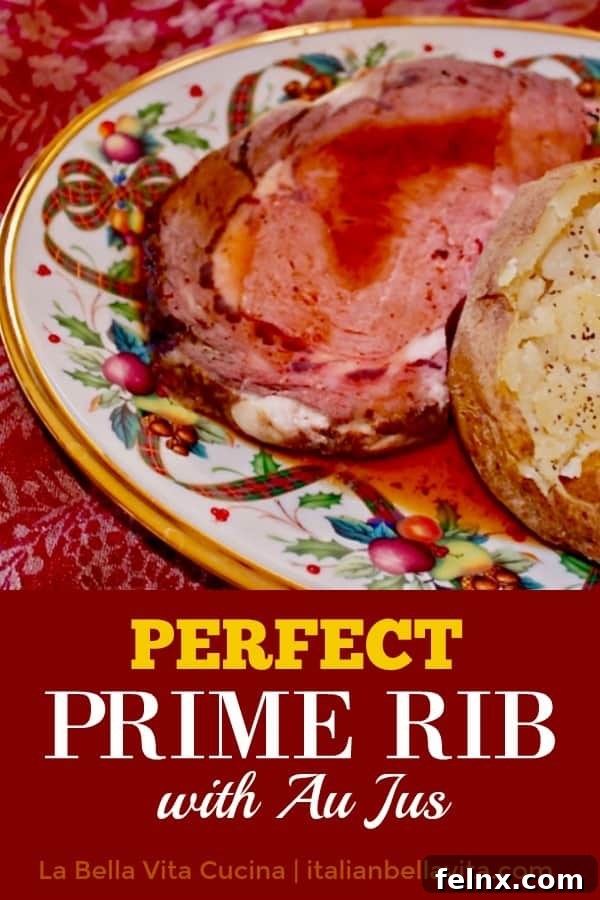
When it is time to serve, carve the roast into thick, succulent slices. Arrange them on a warm platter and serve the hot au jus in a gravy boat or individual dipping bowls. The contrast between the cool, tender pink meat and the salty, steaming au jus is a culinary experience like no other.
This Prime Rib with Au Jus is more than just a meal; it is a celebration of family and tradition. It brings a touch of restaurant-quality elegance to your home, ensuring that your holiday dinner will be talked about for years to come. Enjoy every juicy, tender bite!
Did you make this recipe?
Please leave a comment or share your holiday photos with us. We love seeing how your family enjoys these traditions. You can also find us on Instagram using the hashtag #italianbellavita.