The Ultimate Guide to Emilia-Romagna: Italy’s Culinary Heart and Gastronomical Legend
Located in the vibrant heart of Northern Italy, the region of Emilia-Romagna is affectionately known as the “bread basket” of the country. With its majestic capital, Bologna, this region is widely considered the gastronomical soul of Italy. For anyone who appreciates the finer points of Italian cooking, Emilia-Romagna is a place of pilgrimage. Its culinary influence is so profound that many of the dishes we identify as “typically Italian” actually find their true roots right here, in the fertile plains and rolling hills of this remarkable territory.
To understand why the food here is so superior, one must look at the diverse geography of the region. Emilia-Romagna stretches from the rugged Apennine Mountains to the lush Po River valley, reaching all the way to the sparkling Adriatic coast. This unique landscape provides a bounty of ingredients. The river valley yields high-quality soft wheat, perfect for creating the world’s most delicate handmade pasta. The verdant pastures support dairy cows that produce the rich milk required for authentic Parmigiano-Reggiano, while the cool mountain air provides the perfect climate for curing world-class meats.
The Culinary Pillars of Emilia-Romagna
The reputation of Emilia-Romagna is built on several staple ingredients that have become famous worldwide. When you visit the local markets in cities like Modena, Parma, or Reggio Emilia, you are witnessing a tradition of food production that has remained largely unchanged for centuries. The commitment to quality is not just a preference; it is protected by strict laws and certifications to ensure that every bite is authentic.
Prosciutto di Parma: The King of Cured Meats
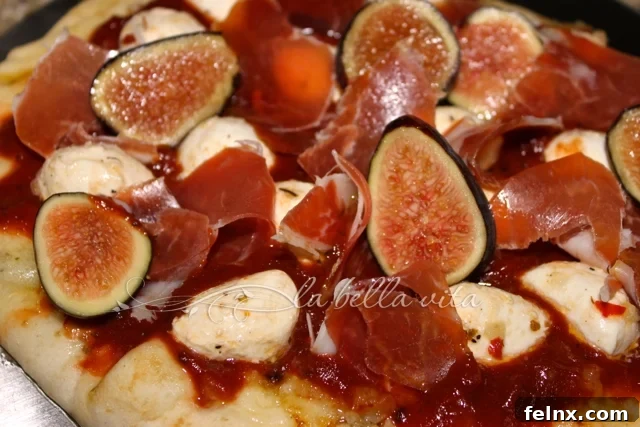
Parma is a city synonymous with one of the most beloved pork products in existence: Prosciutto di Parma. In this part of Italy, the pig is treated with immense respect, as pork is the cornerstone of the local diet. Prosciutto is more than just ham; it is an artisanal product aged in the specific microclimate of the Parma hills. The salt and the air work together over months, and sometimes years, to create a sweet, buttery texture that melts on the tongue.
Beyond Prosciutto, the region offers an incredible variety of other cured meats, including Salame, Coppa, Pancetta, and the famous Mortadella di Bologna. These meats are staples in an authentic Italian “cucina.” Whether served on a charcuterie platter with olives and cheeses or tucked into a warm, crunchy panino, these flavors define the Italian experience. For many families with roots in this region, these meats are not just food; they are a connection to heritage and tradition.
Aceto Balsamico Tradizionale: Modena’s Liquid Gold
Another crown jewel of the region is the Traditional Balsamic Vinegar of Modena. Unlike the thin, mass-produced vinegars found in many supermarkets, the authentic Aceto Balsamico is a thick, syrupy elixir. It is produced through a meticulous process of aging cooked grape must in a series of wooden barrels—made of oak, chestnut, cherry, and mulberry—for a minimum of 12 to 50 years.
The result is a complex, sweet-and-sour flavor profile that adds a “secret magic touch” to dishes. While it is excellent on savory items like aged cheese or grilled meats, it is equally divine when drizzled over fresh strawberries or creamy gelato. The depth of flavor in a single drop of aged balsamic is a testament to the patience and skill of the Modena artisans.
Parmigiano-Reggiano: The Only Real Parmesan
You cannot talk about Emilia-Romagna without mentioning Parmigiano-Reggiano. By law, this cheese can only be produced in specific provinces of the region, including Parma and Reggio Emilia. It is often imitated but never equaled. The production follows strict guidelines regarding what the cows eat and how the cheese is aged. A wheel of Parmigiano-Reggiano is a masterpiece of biology and craftsmanship, offering a granular texture and a nutty, complex flavor that enhances any pasta dish it touches.
The Art of Handmade Stuffed Pasta
If Emilia-Romagna is the bread basket, it is also the undisputed capital of stuffed pasta. The region’s obsession with pasta “fatta a mano” (made by hand) is legendary. While Southern Italy is known for dried pasta and pizza, the North—and specifically this region—prides itself on fresh egg pasta that is rolled paper-thin and filled with savory delights.
Tortellini and Tortelloni: A Work of Love
Tortellini is perhaps the most iconic pasta shape from the region. Legend says the shape was inspired by the navel of Venus. Traditionally, these tiny pouches are stuffed with a mixture of pork loin, prosciutto, mortadella, and Parmigiano-Reggiano. In Emilia-Romagna, the classic way to serve them is “in brodo”—submerged in a rich, clear capon or chicken broth.
For many families, making tortellini is a holiday ritual. It is a labor-intensive process that requires skill and patience to fold the dough into the perfect tiny shape around the tip of a finger. Tortelloni is the larger cousin, often filled with ricotta cheese and spinach (or Swiss chard) and served with a simple sage and butter sauce. Whether large or small, these pastas represent the heart of family gatherings.
Lasagna Bolognese and the Famous Ragu
While many variations of lasagna exist, the “Lasagna alla Bolognese” is the gold standard. It features layers of delicate green egg pasta (colored with spinach), rich Bolognese sauce (ragu), and creamy béchamel sauce. Unlike versions found elsewhere that use ricotta, the authentic recipe from Bologna relies on béchamel to achieve its silky texture.
The sauce itself, Sugo alla Bolognese, is a thick, meat-based ragu that is simmered for hours. It is traditionally paired with Tagliatelle, as the wide, flat noodles are perfect for holding the heavy sauce. For families in this region, a large pot of ragu simmering on the stove is the ultimate symbol of home and comfort.
Sweet Traditions and Regional Specialties
The culinary journey through Emilia-Romagna doesn’t end with pasta. The region also offers unique desserts and seasonal specialties that reflect its history and agricultural wealth.
- Chestnuts: In the mountain forests of the Apennines, chestnuts have historically been a vital food source. They are used to make flour for breads, soups, and traditional sweets like Ciacci.
- Zuppa Inglese: Despite its name (“English Soup”), this is a thoroughly Italian dessert. Similar to a trifle, it features layers of sponge cake or ladyfingers soaked in Alchermes liqueur and topped with rich custard.
- Torta Barozzi: A famous “black cake” from Vignola, near Modena. This flourless chocolate cake is made with almonds, coffee, and peanuts, following a recipe that remains a closely guarded secret.
- Fresh Fruits: The area around Modena is also famous for its orchards, producing some of Italy’s finest cherries, peaches, and pears.
Wines, Supercars, and Cultural Icons
To wash down the rich flavors of the region, Emilia-Romagna produces a variety of unique wines. Lambrusco, a sparkling red wine, is perhaps the most famous and is the perfect accompaniment to the fatty richness of prosciutto and cheese. Other notable varieties include Sangiovese and Albana.
Beyond the plate, Emilia-Romagna is a powerhouse of design and culture. This region is the birthplace of the world’s most prestigious sports cars. Ferrari, Lamborghini, Maserati, and Ducati are all manufactured here, earning the area the nickname “Motor Valley.” The same passion that goes into a slow-simmered ragu is applied to the precision engineering of these iconic vehicles.
The region has also gifted the world with some of its greatest artistic talents. From the legendary opera tenor Luciano Pavarotti and the composer Giuseppe Verdi to the visionary filmmaker Federico Fellini, the creative spirit of Emilia-Romagna knows no bounds.
Conclusion: A Region of Abundance
Emilia-Romagna is more than just a place on a map; it is an experience for the senses. It is a land where tradition is preserved with fierce pride and where every meal tells a story of the soil, the climate, and the people. Whether you are exploring the medieval streets of Bologna, touring a balsamic vinegar estate in Modena, or simply enjoying a plate of handmade tortellini, you are participating in a culinary heritage that is truly the “bella vita” of Italy.
From its world-famous food to its high-speed cars and rich cultural history, Emilia-Romagna remains one of the most essential and rewarding regions to discover in all of Italy. It is a place where excellence is the standard and where every guest is invited to share in the bounty of the Italian bread basket.