The Ultimate Guide to Italian Cantucci and Vin Santo: A Timeless Tradition
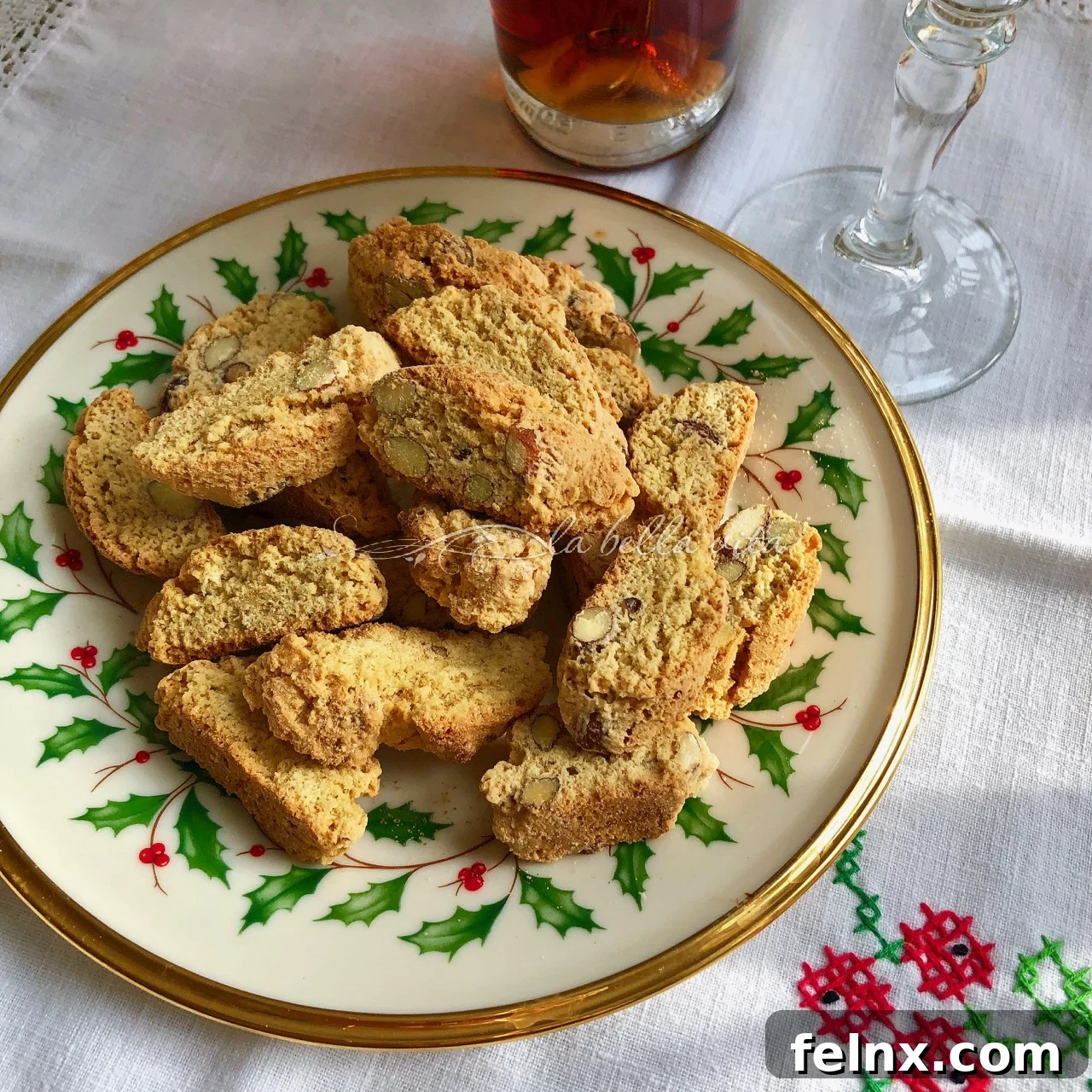
When you think of Italian sweets, the iconic, crunchy almond cookies known as biscotti likely come to mind. However, to a true Italian or a devoted food lover, these treats are often called by their traditional name: Cantucci. Pronounced “kahn-too-chee,” these delicious biscuits have a history that stretches back centuries, from the battlefields of Ancient Rome to the artistic centers of the Renaissance.
In many regions of Italy, especially in Tuscany, you will find bags of these cookies labeled as “Cantucci di Prato.” This name pays homage to the city of Prato, where the recipe was perfected during the Renaissance. Just as art and science flourished during this era, so did Italian cuisine. The simple almond cookie was elevated into a sophisticated delicacy that remains a staple of Italian culture today.
The Fascinating History of the Twice-Baked Cookie
Many are surprised to learn that biscotti were originally a functional food rather than a leisurely dessert. Long before they were served in cafes, they were baked for Roman soldiers. The secret to their popularity among the military was the preparation method. The word “biscotti” is derived from the Latin words “bis” (twice) and “coctum” (baked). By baking the dough twice, the moisture is completely removed, resulting in a hard, dry cookie with an incredibly long shelf life.
This durability made them the perfect ration for long military campaigns and sea voyages. Sailors and fishermen, who lacked modern preservation methods, relied on these non-perishable treats to sustain them during months at sea. After the fall of the Roman Empire, the popularity of these hard biscuits waned, only to be rediscovered and refined in Tuscany during the 14th century. Today, because they stay fresh for so long, they have become a favorite choice for food gifts, particularly during the Christmas season.
The Evolution of Flavors: From Almonds to Chocolate
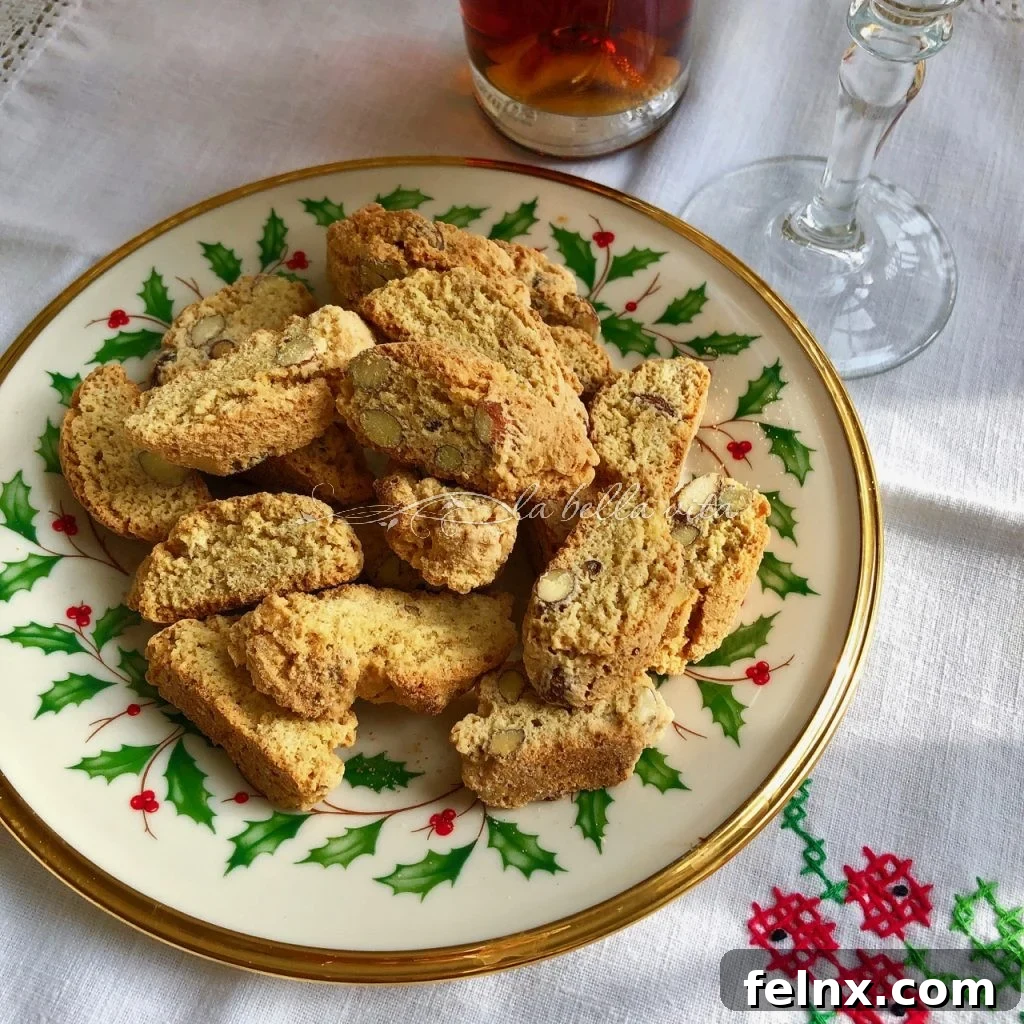
While the original Cantucci di Prato was strictly an almond-flavored biscuit, the recipe has evolved beautifully over the years. Bakers began experimenting with local ingredients to create diverse flavor profiles. Soon, hints of amaretto and zesty lemon were added to brighten the taste. As trade expanded, other ingredients like raisins, figs, and dates found their way into the dough.
In modern times, the variations are endless. You can find Cantucci loaded with dark chocolate chunks, pistachios, or even white chocolate and cranberries. Despite these modern twists, the classic almond version remains the gold standard, especially when paired with a glass of dessert wine. While commercial brands are available in every supermarket, there is a growing demand for artisanal, handmade versions. Contemporary bakers often produce a slightly softer version that is easier on the teeth while maintaining that signature crunch.
Discovering Vin Santo: The “Saint’s Wine”
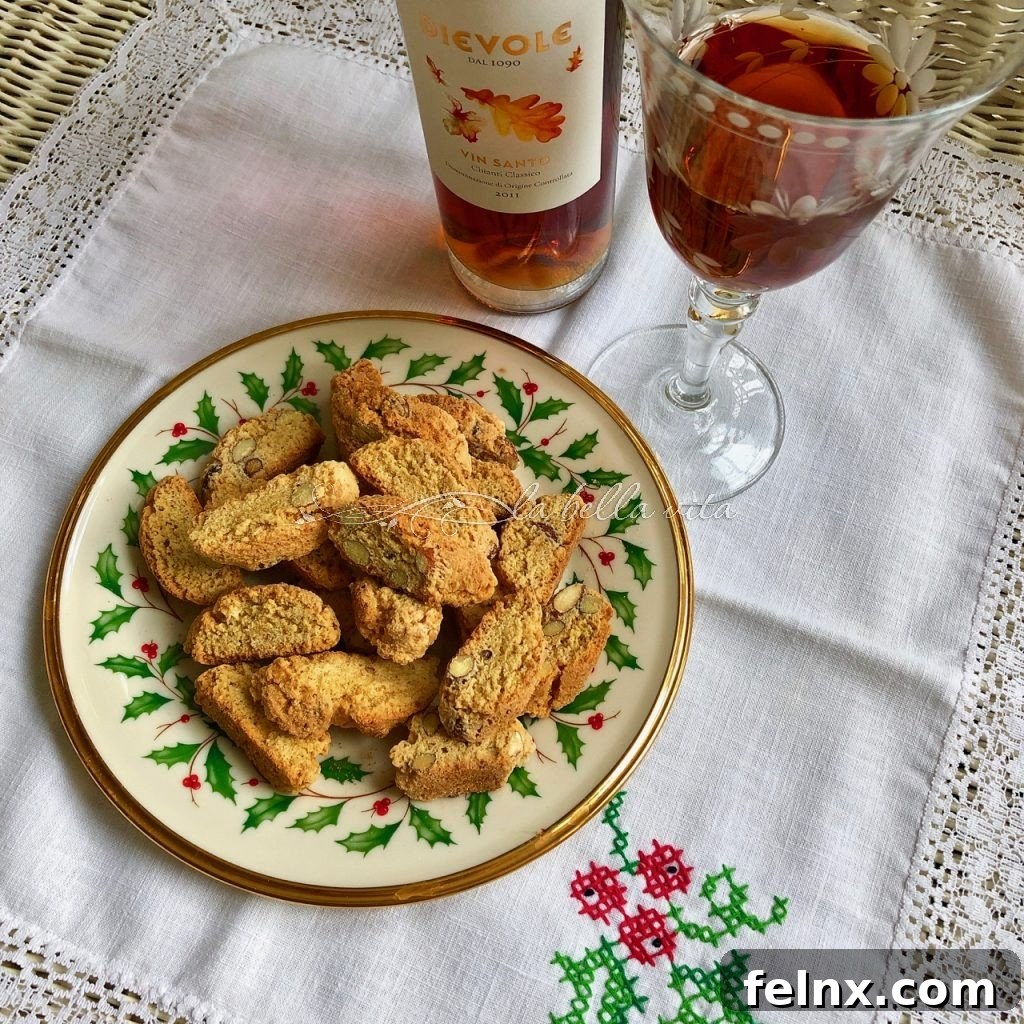
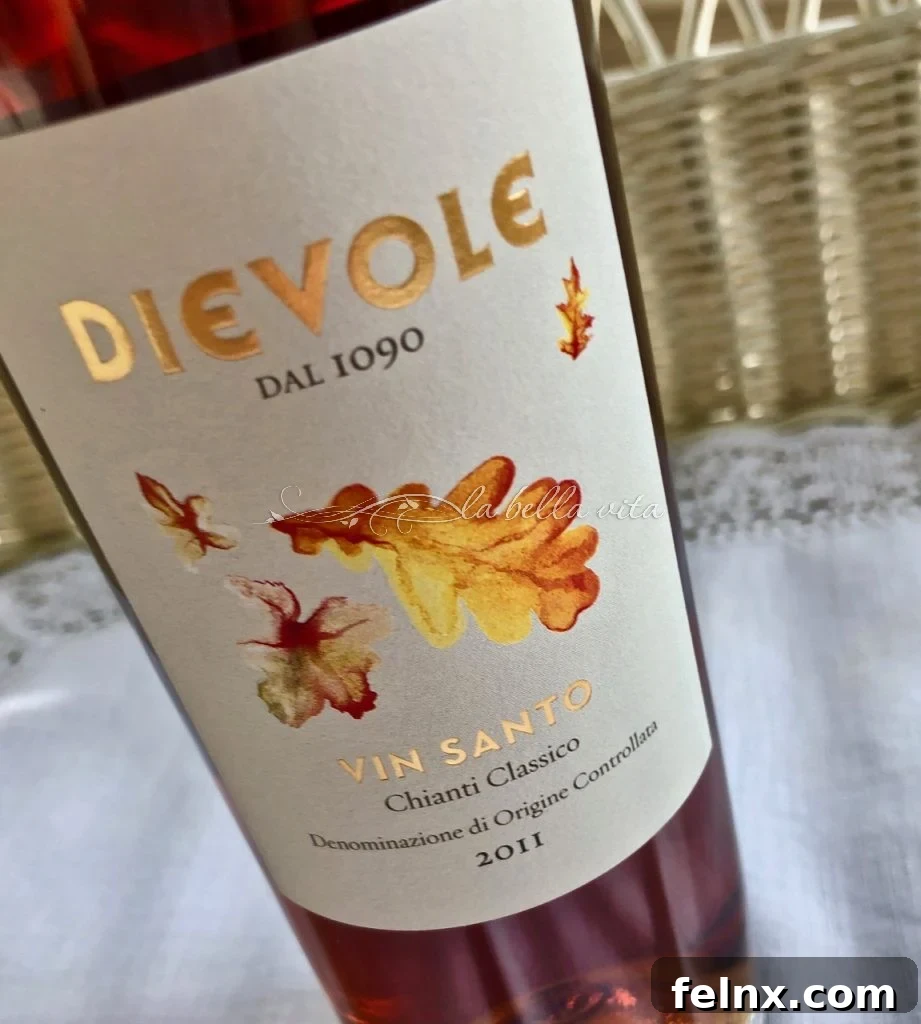
No discussion of Cantucci is complete without mentioning its inseparable partner: Vin Santo. This smooth, sweet dessert wine is predominantly produced in Tuscany and is celebrated for its rich, complex flavors of hazelnut, caramel, and honey. The pairing of Cantucci and Vin Santo is considered one of Italy’s most cherished culinary traditions, often served as the grand finale to a multi-course meal.
The name “Vin Santo” translates to “Saint’s Wine.” One popular legend traces its origins back to a Franciscan monk in the Middle Ages who used leftover altar wine to treat victims of the Black Plague. Many believed the wine had miraculous healing properties, leading to its holy name. Whether or not it possesses healing powers, its taste is certainly heavenly.
Vin Santo is primarily crafted from a blend of Trebbiano and Malvasia grapes. Trebbiano contributes honeyed sweetness, while Malvasia adds delicate floral and perfumed notes. In certain parts of Tuscany, you may also find a rare version called “Occhio di Pernice” (Eye of the Partridge), which is made from Sangiovese grapes and offers a deeper, more robust flavor profile.
The Art of Passito: How Vin Santo is Made
What sets Vin Santo apart from other dessert wines is the labor-intensive “passito” process. Unlike standard wines where grapes are crushed immediately after harvest, the grapes for Vin Santo are laid out on straw mats or hung from rafters in well-ventilated rooms. They are left to air-dry for several months, often until Holy Week in the spring. This drying process concentrates the sugars and flavors, turning the grapes into raisins.
Once the grapes are pressed, the thick, sugary juice is placed in small, cigar-shaped wooden barrels called “Caratelli.” These barrels are sealed and stored in the vinsantaia—usually a loft area where the wine is exposed to seasonal temperature fluctuations. The aging process is incredibly slow, lasting anywhere from 3 to 12 years.
A unique aspect of this production is the use of the “madre” or “mother yeast.” Bakers and winemakers often leave a bit of residue from previous batches in the barrels to jumpstart fermentation and add historical depth to the new wine. Because the barrels are not completely filled, slight oxidation occurs, giving the wine its characteristic amber color and intense aromatic complexity.
How to Choose and Enjoy the Perfect Pairing
When you are looking for a high-quality bottle of Vin Santo to enjoy with your Cantucci, look for these characteristics:
- Color: A deep, intense amber or golden hue.
- Aroma: Strong notes of dried apricots, walnuts, and chestnuts.
- Palate: A full-bodied texture with flavors of caramel, honey, and tropical fruits.
- Finish: A warm, pleasing aftertaste that balances sweetness with a hint of acidity.
The traditional way to enjoy this duo is to dip the Cantucci directly into the wine. The dry, crunchy texture of the biscuit is perfect for soaking up the sweet nectar, softening just enough to release the flavors of the almonds and the wine simultaneously. It is a sensory experience that defines the Italian lifestyle—simple, elegant, and deeply satisfying.
Authentic Italian Cantucci (Biscotti) Recipe

Ingredients
- 1 pound unsalted butter, melted
- 4 pounds all-purpose flour
- 12 tsp baking powder
- 2 pounds granulated sugar
- A pinch of salt
- 2 fresh lemons (both juice and zest)
- 2 cups slivered almonds
- 12 large eggs, lightly beaten
- 4 tsp anise seed (or 1.5 tsp anise oil for a stronger flavor)
Instructions
- Prepare the Butter: Melt the butter gently in a small bowl and let it cool slightly.
- Mix Dry Ingredients: In a very large mixing bowl, whisk together the flour, baking powder, sugar, and salt until well combined.
- Add Flavorings: Stir in the lemon juice, lemon zest, and slivered almonds.
- Combine: Add the melted butter, the beaten eggs (add them gradually), and the anise. Mix thoroughly until a consistent dough forms.
- Shape the Dough: Divide the dough into 3 or 4 manageable batches. On a lightly floured surface, roll each batch into a long log, approximately 3 inches wide and 12 inches long.
- First Bake: Place the logs on a greased or parchment-lined cookie sheet. Bake at 350°F (175°C) for 20-25 minutes, or until the logs are lightly golden.
- Slice: Remove from the oven and let cool for a few minutes. While still warm, use a serrated knife to cut the logs diagonally into slices about 1 inch thick.
- Second Bake (Optional): For traditional crunchy Cantucci, lay the slices on their sides and bake for an additional 5-10 minutes. If you prefer a softer cookie, you can skip this step or only double-bake half the batch.
Pro Tips for Better Biscotti
To ensure your Cantucci are the best they can be, always use fresh zest. The oils in the lemon skin provide a fragrance that bottled juice simply cannot match. If you find the dough too sticky to handle, lightly flour your hands or chill the dough for 30 minutes before shaping. These cookies can be stored in an airtight container for several weeks, making them ideal for prepping ahead of time.
Join our culinary community!
If you enjoyed learning about the history and tradition of Cantucci and Vin Santo, we would love to have you with us. Subscribe to our newsletter for the latest authentic Italian recipes, travel guides to Tuscany, and gardening tips delivered right to your inbox. Experience La Bella Vita every day!
We would love to see your creations! Leave a comment below or share a photo on Instagram. Tag us @italianbellavita or use the hashtag #italianbellavita to be featured in our community gallery.