How to Make Perfect Homemade Potato Gnocchi: The Ultimate Guide
There is something undeniably magical about a plate of fresh, pillowy gnocchi. While store-bought versions are convenient, they often lack the delicate, “melt-in-your-mouth” texture that defines a truly authentic Italian dumpling. If you have ever been intimidated by the thought of making them from scratch, don’t be. Homemade gnocchi is surprisingly simple to master, and once you taste the difference, you will never go back to pre-packaged versions again. This guide will walk you through every step to ensure your very first batch is absolute perfection.
What Exactly is Gnocchi?
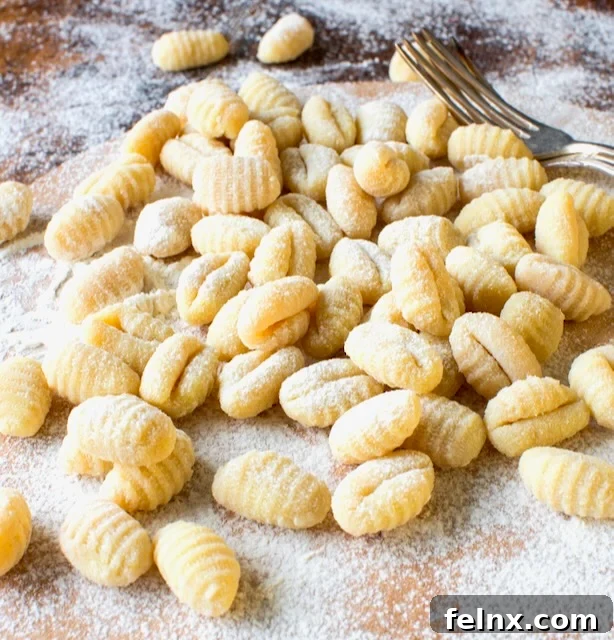
Gnocchi (pronounced nyoh-kee) literally translates to “little lumps” in Italian. In the vast world of Italian cuisine, these are essentially small pieces of dough cooked as dumplings. While they are often served in the same way as pasta, they are distinct in their composition. Traditionally, gnocchi dough is crafted from cooked potatoes, flour, and eggs. However, variations exist across different regions of Italy, using ingredients like semolina flour or ricotta cheese.
Is Gnocchi Considered Pasta?
This is a common question for many food enthusiasts. Technically, gnocchi is not pasta. Pasta is primarily made from flour and water or eggs, whereas gnocchi is a dumpling made mostly of potatoes. Because the base is vegetable-heavy, the texture and cooking method differ slightly from traditional noodles. However, because they are served with similar sauces—such as pomodoro, pesto, or brown butter and sage—they are frequently categorized alongside pasta dishes on menus worldwide.
Essential Kitchen Tools for Perfect Gnocchi
Before you start boiling your potatoes, it is vital to have the right equipment. The secret to light and airy gnocchi lies in the tools you use. Using the wrong items can lead to a dense, gummy, or lumpy dough.
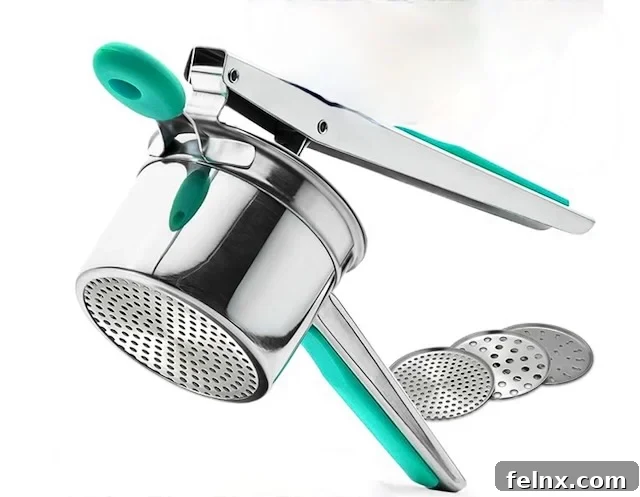
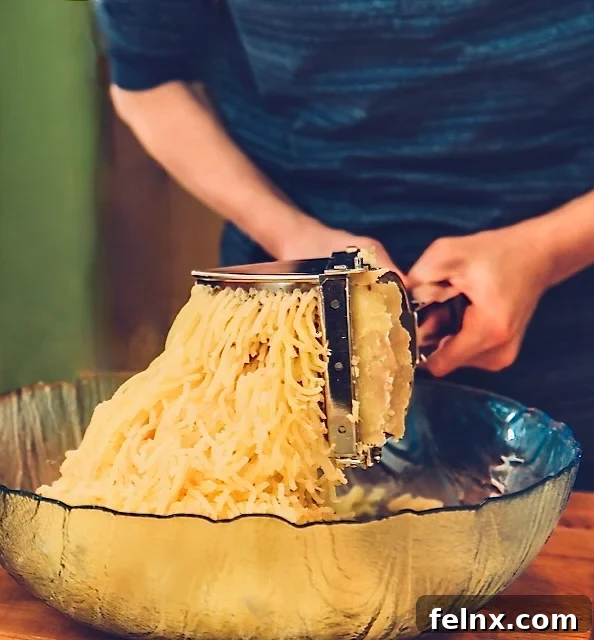
- Potato Ricer: This is the most important tool in your arsenal. It forces cooked potatoes through tiny holes, creating light “shreds” rather than a mashed paste. This prevents the potatoes from becoming gummy.
- Large Wooden Board: A wooden surface is ideal for rolling dough because it provides just enough friction and absorbs excess moisture.
- Bench Scraper: This helps you move the dough, clean your board, and cut the gnocchi evenly.
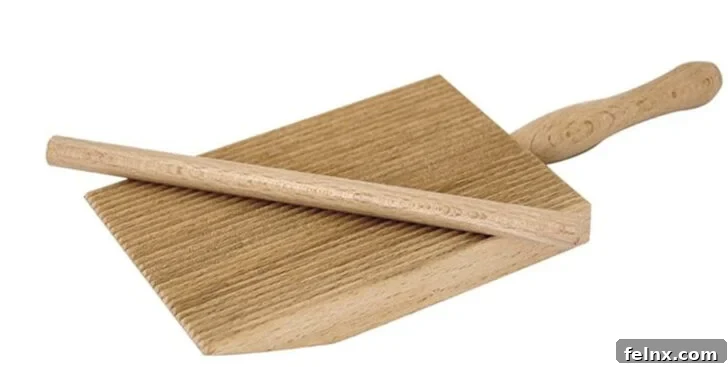
- Gnocchi Paddle (Rigagnocchi): Used to create those iconic ridges. If you don’t have one, a fork works too!
- Spider Strainer or Skimmer: Essential for gently lifting the delicate dumplings out of the boiling water.
- “Nonna Knife”: A simple, sharp utility knife for clean cuts.
Must-Have Gadgets
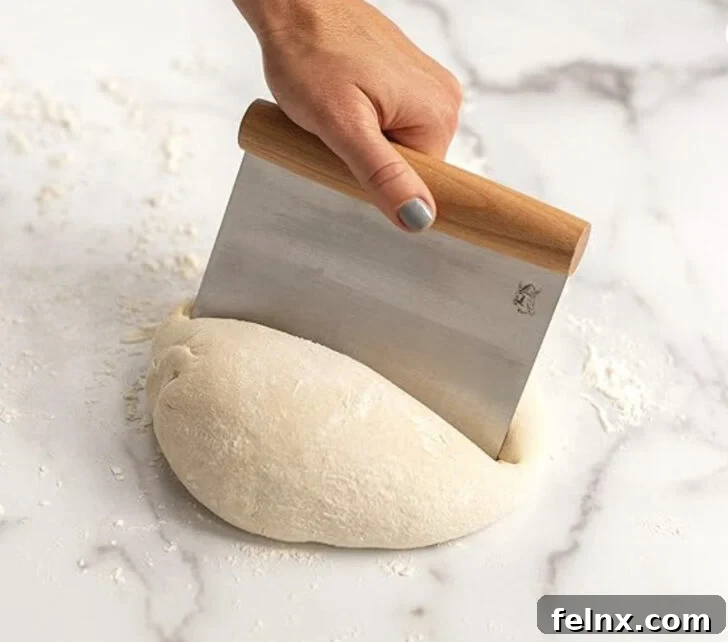
The Best Ingredients for Light Gnocchi
Simplicity is the soul of Italian cooking. Because there are so few ingredients, the quality of each one matters immensely.
- Russet Potatoes: These are starchy and dry, which is exactly what you want. Waxy potatoes (like Red Bliss or some Yukons) contain too much moisture, which requires more flour and leads to heavy gnocchi.
- “00” Flour: This is a highly refined, powder-soft flour from Italy. It is the gold standard for pasta and gnocchi because it creates a silky texture without making the dough tough.
- Egg Yolks: While some recipes use whole eggs, using just the yolks provides a richer flavor and acts as a binder without adding too much liquid.
- Fine Sea Salt: To enhance the natural flavors of the potato.
- Ground Nutmeg: A tiny pinch is the “secret” ingredient that adds a subtle, professional depth to the dish.
Step 1: Preparing the Potatoes
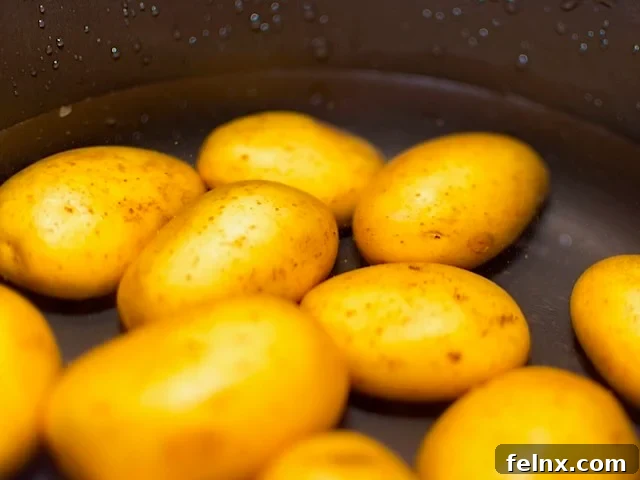
The foundation of great gnocchi is how you handle the potatoes. Start by boiling the Russet potatoes whole with their skins on. Keeping the skin on prevents the potato from absorbing too much water during the boiling process. Too much water is the enemy of a light dumpling.
Boil them for about 20-30 minutes until they are fork-tender. Once cooked, drain them and let them dry for a few moments. While they are still warm, peel away the skins. It is crucial to process the potatoes while they are warm; cold potatoes will not rice properly and can become lumpy.
Using your potato ricer, press the warm potatoes into a large bowl or directly onto your work surface. The result should look like light, fluffy clouds of potato, not a thick mash.
Step 2: Mixing the Dough
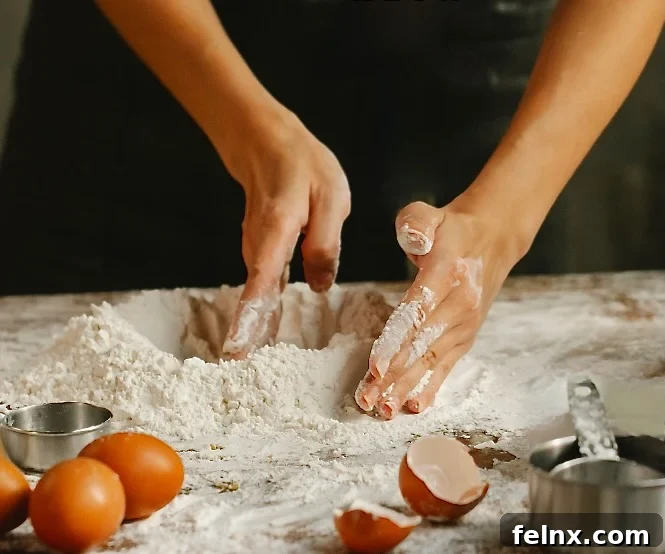
Spread the riced potatoes out to let any remaining steam escape. Sprinkle your “00” flour, sea salt, and a pinch of nutmeg over the potatoes. Create a “well” in the center—this is the traditional Italian method for making dough.
Place your egg yolks in the center of the well. Using a fork or your fingers, begin to incorporate the potato and flour mixture into the eggs. Work from the inside out until a rough dough starts to form. Transition to using a bench scraper and your hands to bring everything together into a cohesive ball.
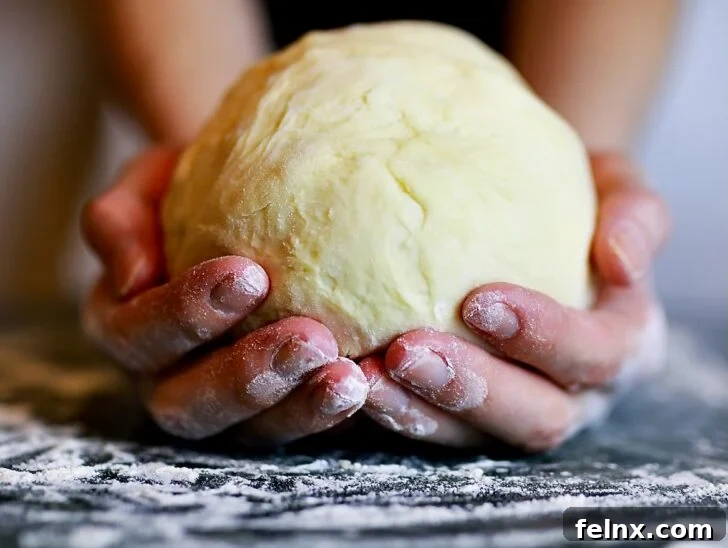
Important Tip: Do not over-knead! Unlike bread dough, you do not want to develop gluten here. Over-working the dough will result in chewy, rubbery gnocchi. Knead just enough so that the dough is smooth and holds together. It should feel soft, warm, and slightly springy.
Step 3: Rolling and Shaping the Gnocchi
Once your dough has rested for about 10 minutes, lightly flour your wooden board. Cut the dough ball into four equal pieces. Keep the pieces you aren’t working with covered in plastic wrap so they don’t dry out.
Take one piece and roll it gently with your palms into a long rope, about half an inch thick. Using your knife or bench scraper, cut the rope into half-inch pieces. These little squares are often called “pillows.”
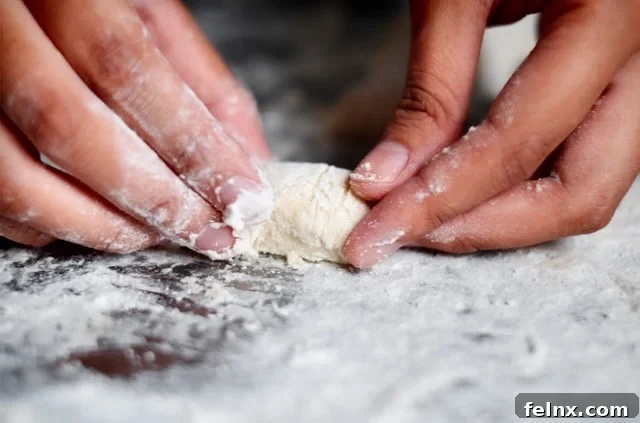
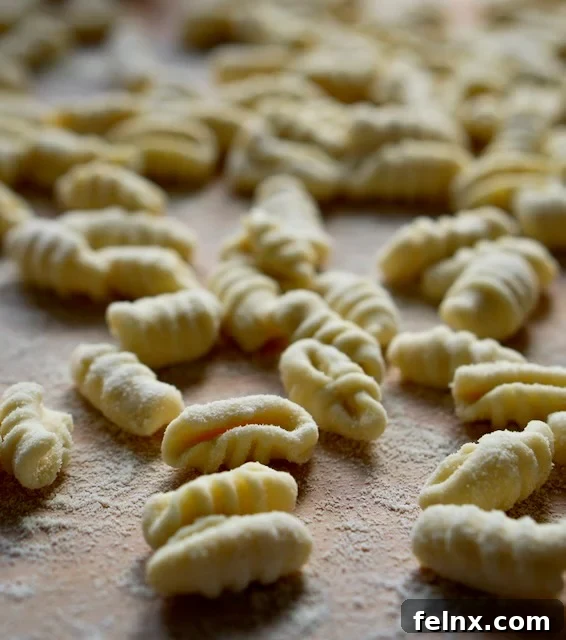
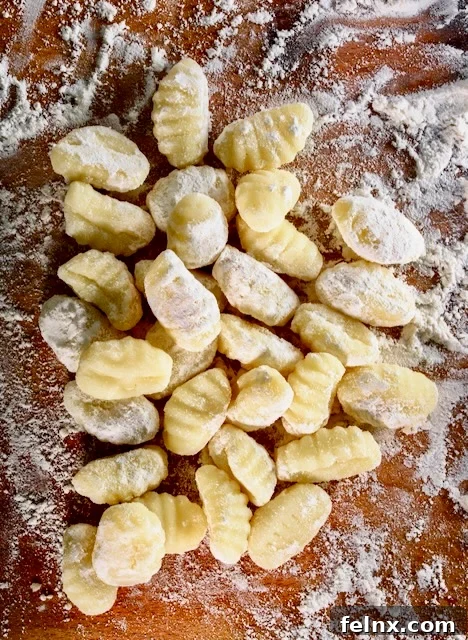
To add the signature ridges, take each piece and roll it down a gnocchi board or the back of a fork. Press gently with your thumb as you roll. The ridges on the outside and the indentation from your thumb on the inside create the perfect “trap” for your sauce.
Step 4: The Boiling Process
Bring a large pot of water to a rolling boil and salt it generously. Cook the gnocchi in small batches so they don’t stick together. This is the fastest part of the process: they only take about 60 to 90 seconds to cook! You will know they are ready the moment they float to the surface.
Use your spider strainer to lift them out immediately. Transfer them directly into a pan with your warm sauce. Whether it’s a simple butter and sage sauce, a rich gorgonzola cream, or a classic tomato pomodoro, ensure the sauce is ready before the gnocchi finishes boiling.
To Egg or Not to Egg?
In the culinary world, there is a debate about whether gnocchi needs eggs. Traditionalists often use eggs because they act as a binder. For beginners, using eggs is highly recommended. Without an egg, the dough is much more fragile and can easily disintegrate in the boiling water. The egg provides structural integrity, ensuring your hard work doesn’t disappear into the pasta water!
Storage and Freezing Tips
If you aren’t eating them immediately, gnocchi can be stored in the refrigerator for up to two days. Keep them in a single layer on a floured baking sheet covered with a towel.
For longer storage, gnocchi freezes beautifully. Place the shaped, uncooked dumplings on a baking sheet in the freezer. Once they are frozen solid, transfer them to an airtight freezer bag. They will keep for up to six months. When you’re ready to eat, don’t thaw them—just drop the frozen gnocchi directly into boiling water.
Authentic Italian Potato Gnocchi Recipe
Yields: 4-6 servings | Prep time: 45 mins | Cook time: 2 mins
Ingredients
- 2.25 lbs Idaho Russet potatoes (medium size)
- 3.5 oz “00” flour (plus extra for dusting)
- 2 large egg yolks
- 1 tsp fine sea salt
- A pinch of freshly grated nutmeg
Instructions
- Boil whole, unpeeled potatoes until tender (approx. 25 mins).
- Peel while warm and pass through a potato ricer onto a clean surface.
- Allow steam to escape, then sprinkle flour, salt, and nutmeg over the potatoes.
- Create a well, add egg yolks, and mix gently until a soft dough forms.
- Roll into ropes, cut into 1/2-inch pieces, and shape using a board or fork.
- Boil in salted water until they float. Serve immediately with your favorite sauce.
Buon Appetito!