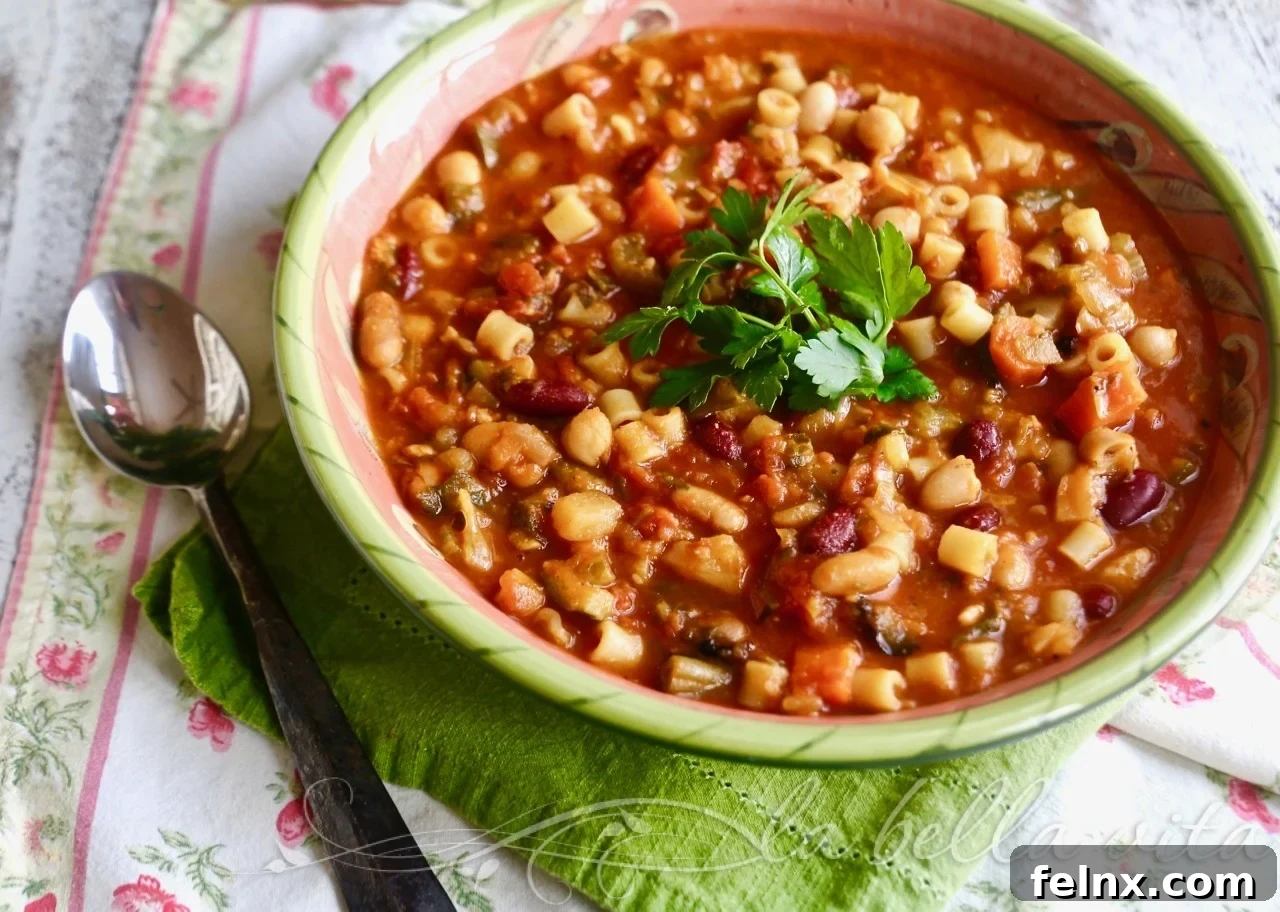
The Ultimate Guide to Classic Italian Minestrone Soup: A Family Legacy
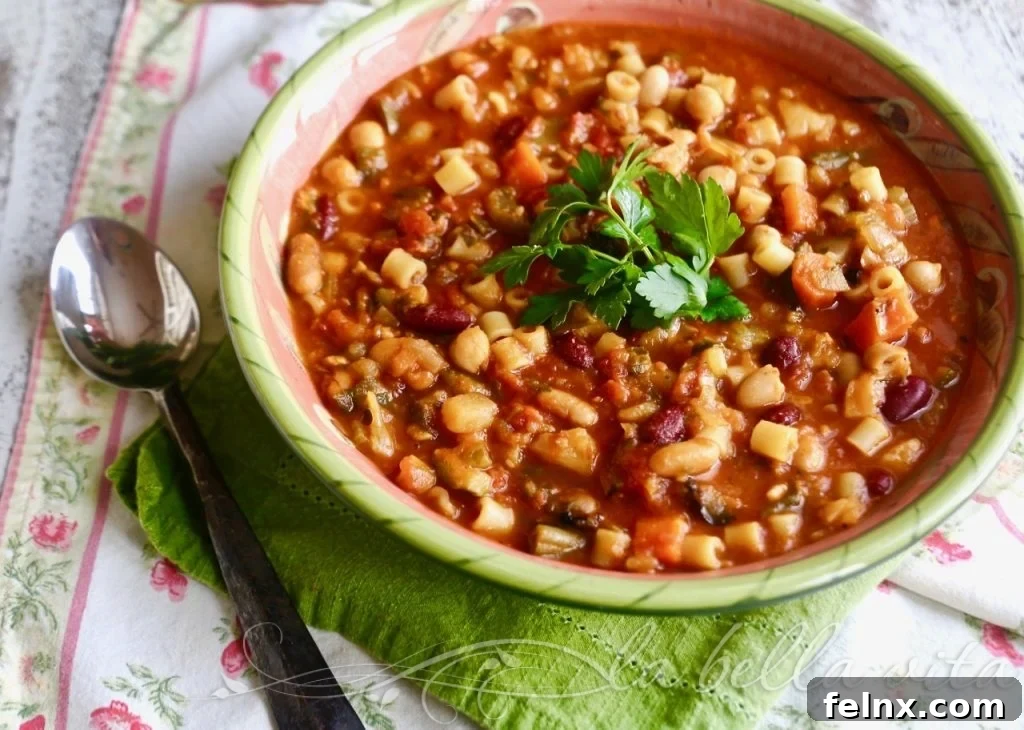
As the years go by, I find myself reaching for written recipes less and less. There is a certain magic that happens in the kitchen when you stop measuring and start feeling the rhythm of the ingredients. This intuitive approach to cooking is a gift I inherited from my mother and my Nonna. They never needed a book to guide them; they simply knew, deep in their bones, how to balance flavors and create something extraordinary from the simplest pantry staples.
It has taken me decades of practice to reach this level of culinary confidence. For a long time, I relied on precise measurements, fearing that a slight deviation would ruin the dish. However, I’ve realized that Italian cooking—especially a dish as soul-warming as Minestrone—is not about perfection; it’s about heart. The greatest validation isn’t a perfectly followed recipe, but the look of pure satisfaction on my family’s faces after a hearty meal. This Classic Italian Minestrone is a tribute to those generations of women who cooked with love as their primary ingredient.
The Philosophy of an Authentic Italian Minestrone
Minestrone is more than just a vegetable soup; it is a historical tapestry of Italian culture. Often referred to as “cucina povera” or peasant cooking, it was traditionally made with whatever vegetables were in season and whatever beans were available in the cellar. This means that while every household has its own version, the core remains the same: a rich, savory broth, a variety of textures, and a depth of flavor that only comes from slow simmering.
My version of this soup has evolved over the years. I once had a written recipe, but it was lost long ago. Now, I prepare it from memory, just as my ancestors did. The beauty of this dish lies in its versatility. Whether you use a modern Instant Pot or a traditional heavy-bottomed pot on a stovetop, the results are equally delicious. The secret is in the layering of flavors—starting with a rich base and building up to the fresh, vibrant finish.
Why Use an Instant Pot for Minestrone?
While I am a bit old-fashioned and love the sight of a pot simmering on the stove for hours, the Instant Pot has become a game-changer in my kitchen. It allows you to achieve that “all-day” simmered flavor in a fraction of the time. For those busy weeknights when you want a nutritious, home-cooked meal without the wait, this method is a lifesaver. However, if you prefer the slow method, this recipe adapts perfectly to the stovetop—just allow for more time to let the vegetables tenderize and the flavors meld.
Step-by-Step Instructions: Building the Flavor Base
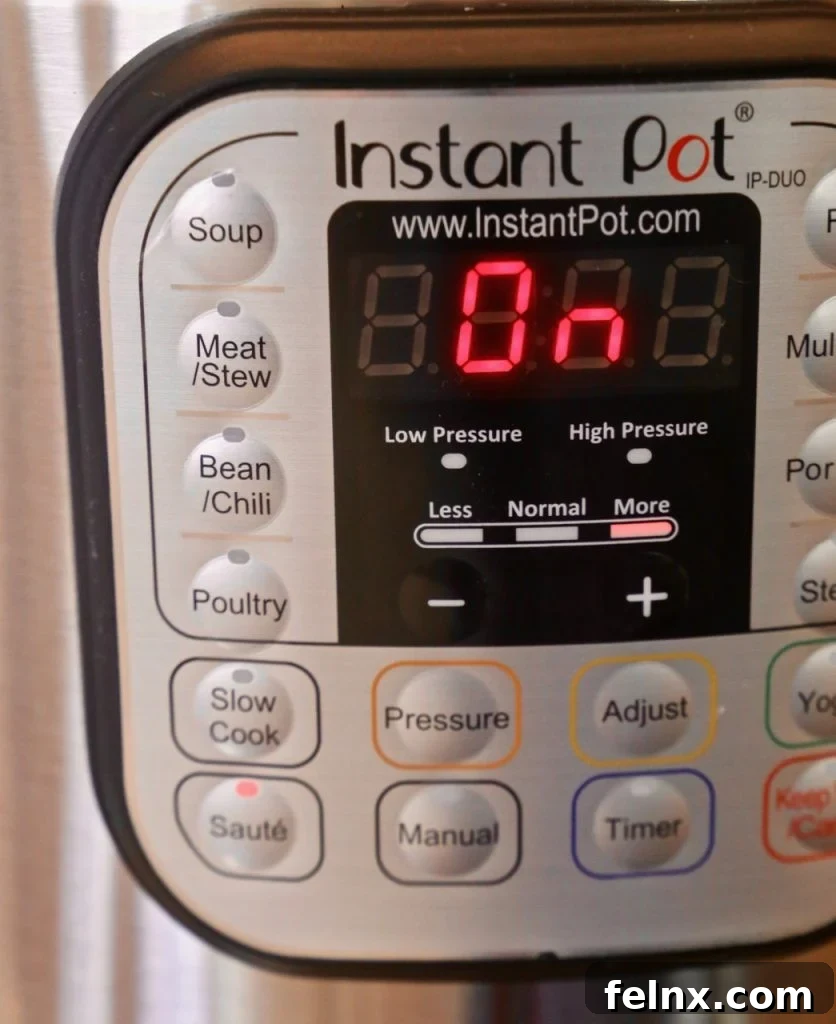
The foundation of any great Italian soup is the soffritto. In Northern Italy, where my family roots lie, we often use a combination of extra-virgin olive oil and high-quality butter. This adds a richness and depth that oil alone cannot provide. Start by setting your Instant Pot to the ‘sauté’ function. Add about four tablespoons of olive oil and a generous knob of butter.

Once the butter has melted and is shimmering, add your diced onions and minced garlic. The aroma at this stage is incredible. Let them soften until the onions are translucent. Next, add the carrots and celery. These are the aromatic pillars of the soup. For an authentic touch, I add 4 to 8 ounces of chopped pancetta. The saltiness of the cured meat infuses the vegetables with a smoky, savory quality that is essential to the classic taste.
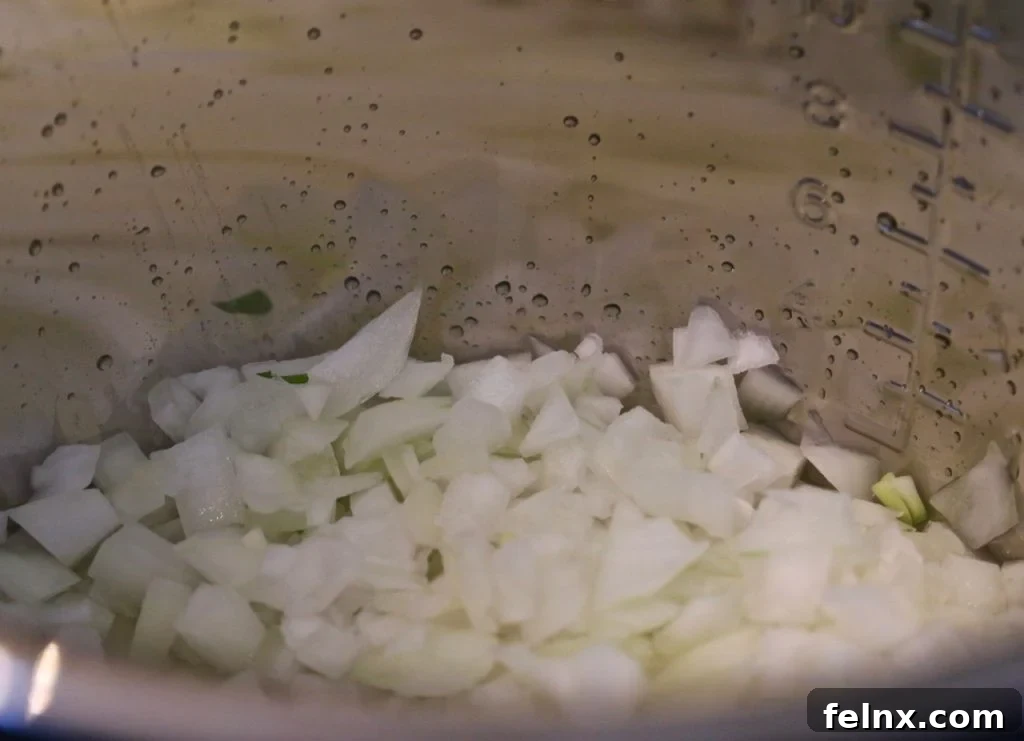

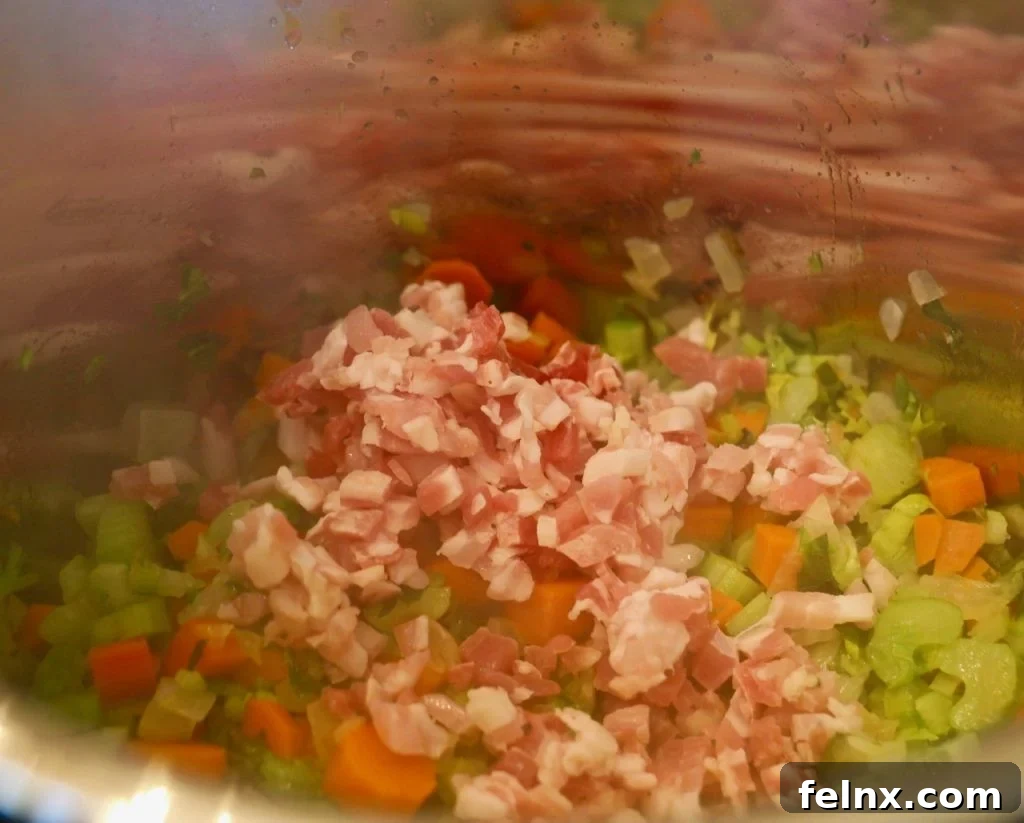
Sauté these ingredients for about 5 minutes. Take a moment to enjoy the fragrance—it is the smell of a traditional Italian kitchen. Once the base is ready, switch the Instant Pot to the “Keep Warm” setting and lower the heat to “Less” before adding the rest of the vegetables.
Incorporating Fresh Vegetables and Beans
Now comes the “garden” part of the soup. Add chopped zucchini, fresh green beans, and cubed potatoes. For the greens, I use a combination of slivered spinach and chopped cabbage. These provide different textures—the spinach melts into the broth while the cabbage retains a slight bite.
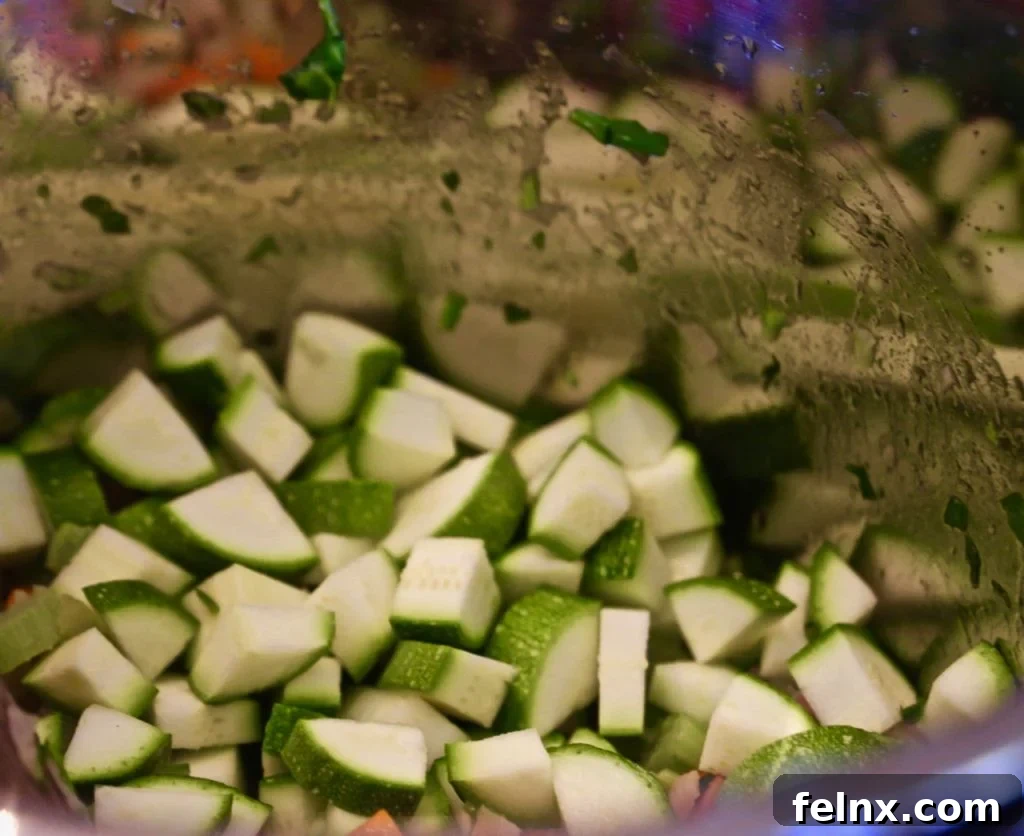
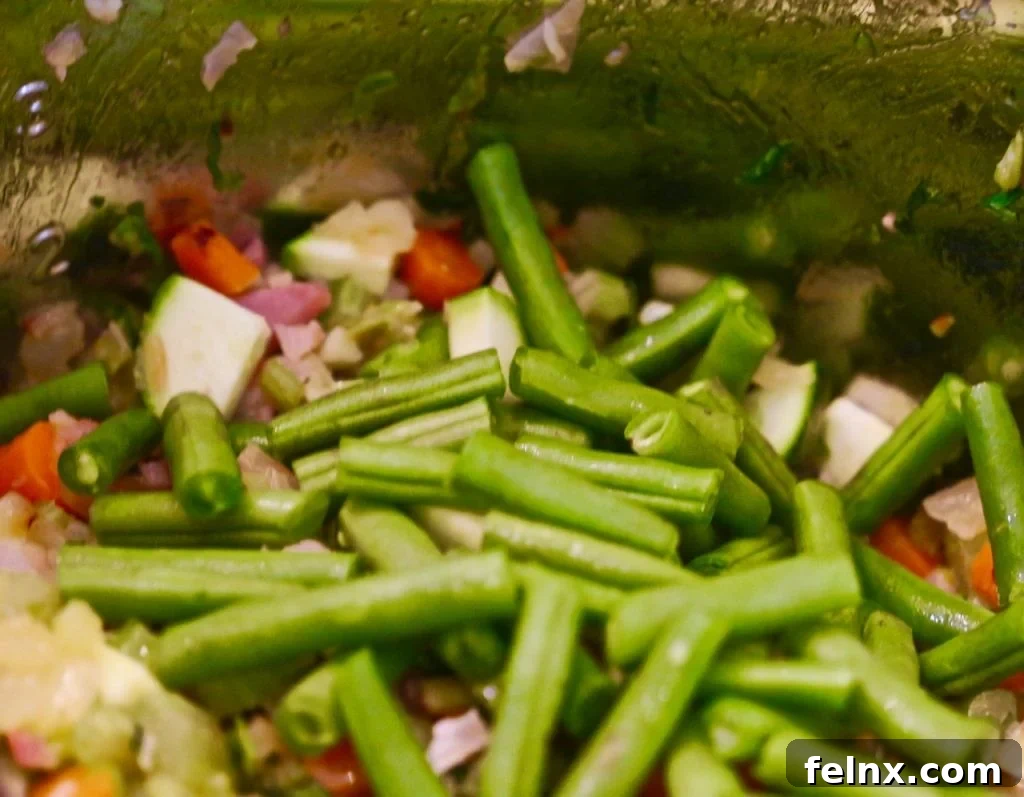
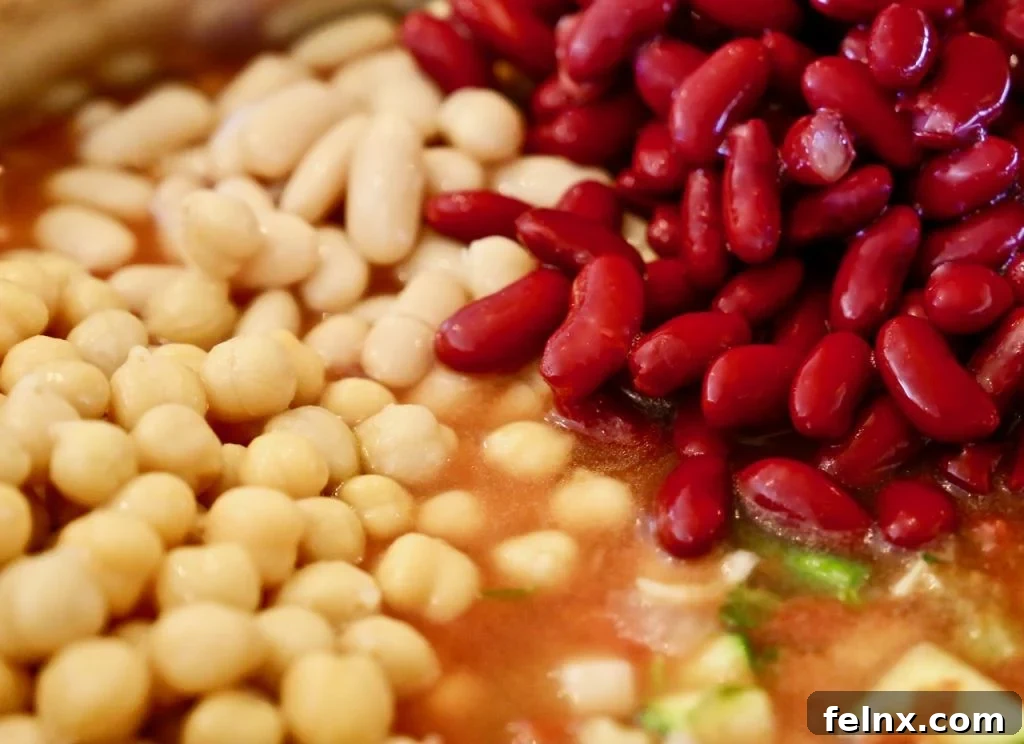
Next, pour in the tomatoes. I highly recommend using imported Italian San Marzano tomatoes for their sweetness and low acidity. Follow this with a trio of beans: cannellini, garbanzo, and kidney beans. This combination ensures a high protein content and a satisfying, creamy texture in every spoonful.
The Secret Ingredient: The Parmesan Rind
If you want to take your Minestrone from “good” to “restaurant-quality,” you must include the secret ingredient: a large chunk of Parmigiano-Reggiano rind. As the soup cooks, the rind softens and releases umami flavor into the broth, creating a silky mouthfeel and a savory depth that salt alone cannot achieve. Don’t forget to add a handful of fresh Italian parsley and some diced sage at this stage as well.

Fill the pot with high-quality chicken or vegetable broth, leaving about two inches of space at the top. Secure the lid, select the ‘Soup’ setting, and let it cook for at least 30 minutes. Once finished, vent the steam carefully. The final step is to add your pasta—I prefer ditalini—into the hot liquid and let it cook with the lid off until it is perfectly al dente.
Heartfelt Stories from the Community
One of the most rewarding parts of sharing these recipes is hearing how they bring people together. Recently, a reader named Pat shared that this has become her favorite Minestrone recipe because of its simplicity and authentic flavor. Another reader, Chris, even prepared this soup for a church dinner serving 80 people! She mentioned that despite her own Italian heritage, this recipe stood out for its richness and balance. Hearing that this soup brought joy to so many parishioners during a Lenten supper is a true honor.

Recipe: Classic Italian Minestrone Soup (Instant Pot)
Yield: 8 servings | Time: 45-60 minutes
Ingredients
- 1/2 cup extra virgin olive oil
- 1/2 stick (4 oz) high-quality butter
- 4-5 large cloves of garlic, minced
- 1 sweet onion (Vidalia), diced
- 8 oz pancetta, diced (omit for vegetarian)
- 3 carrots, diced
- 2 stalks celery (with leaves), diced
- 1 cup fresh green beans, 1/2-inch pieces
- 2 cans (14.5 oz) San Marzano diced tomatoes
- 2 Idaho potatoes, peeled and cubed
- 1 zucchini, diced
- 1.5 cups fresh spinach or Swiss chard, chopped
- 1 cup fresh cabbage, chopped
- 1 can cannellini beans, rinsed
- 1 can garbanzo beans, rinsed
- 1 can kidney beans, rinsed
- 6 cups chicken or vegetable broth
- 1 bunch Italian parsley, chopped
- 1 chunk Parmesan cheese rind
- 1 tbsp fresh sage, minced
- 1 cup ditalini pasta
- Salt and pepper to taste
- Freshly grated Parmesan for serving
Detailed Instructions
- Sauté the Base: Set the Instant Pot to ‘Sauté’. Add the olive oil and butter. Once melted, add the onion, garlic, carrots, celery, and pancetta. Cook for 5 minutes until the vegetables soften and the pancetta releases its fat.
- Add Vegetables: Turn the pot to ‘Keep Warm’. Stir in the zucchini, green beans, potatoes, spinach, cabbage, and tomatoes.
- Add Beans and Liquid: Incorporate the cannellini, garbanzo, and kidney beans. Pour in the broth until it reaches about 2 inches from the max fill line.
- Season: Add the Parmesan rind, fresh parsley, and sage. Season lightly with salt and pepper (the rind and pancetta are salty, so adjust later).
- Pressure Cook: Close the lid and set to ‘Soup’ mode for 30 minutes. After the cycle finishes, perform a natural release for 10 minutes, then quick release the remaining steam.
- Cook Pasta: Open the lid carefully. Stir the soup and turn the ‘Sauté’ function back on. Add the ditalini pasta. Cook uncovered for 8-10 minutes until the pasta is al dente.
- Serve: Remove the Parmesan rind before serving. Ladle into bowls and garnish with extra parsley and a generous dusting of freshly grated Parmesan cheese.
Chef’s Tips for Success
If the soup becomes too thick the next day, simply add a splash of broth or water when reheating. The pasta tends to soak up the liquid as it sits. For an even heartier version, serve with a thick slice of toasted ciabatta bread rubbed with a raw garlic clove.