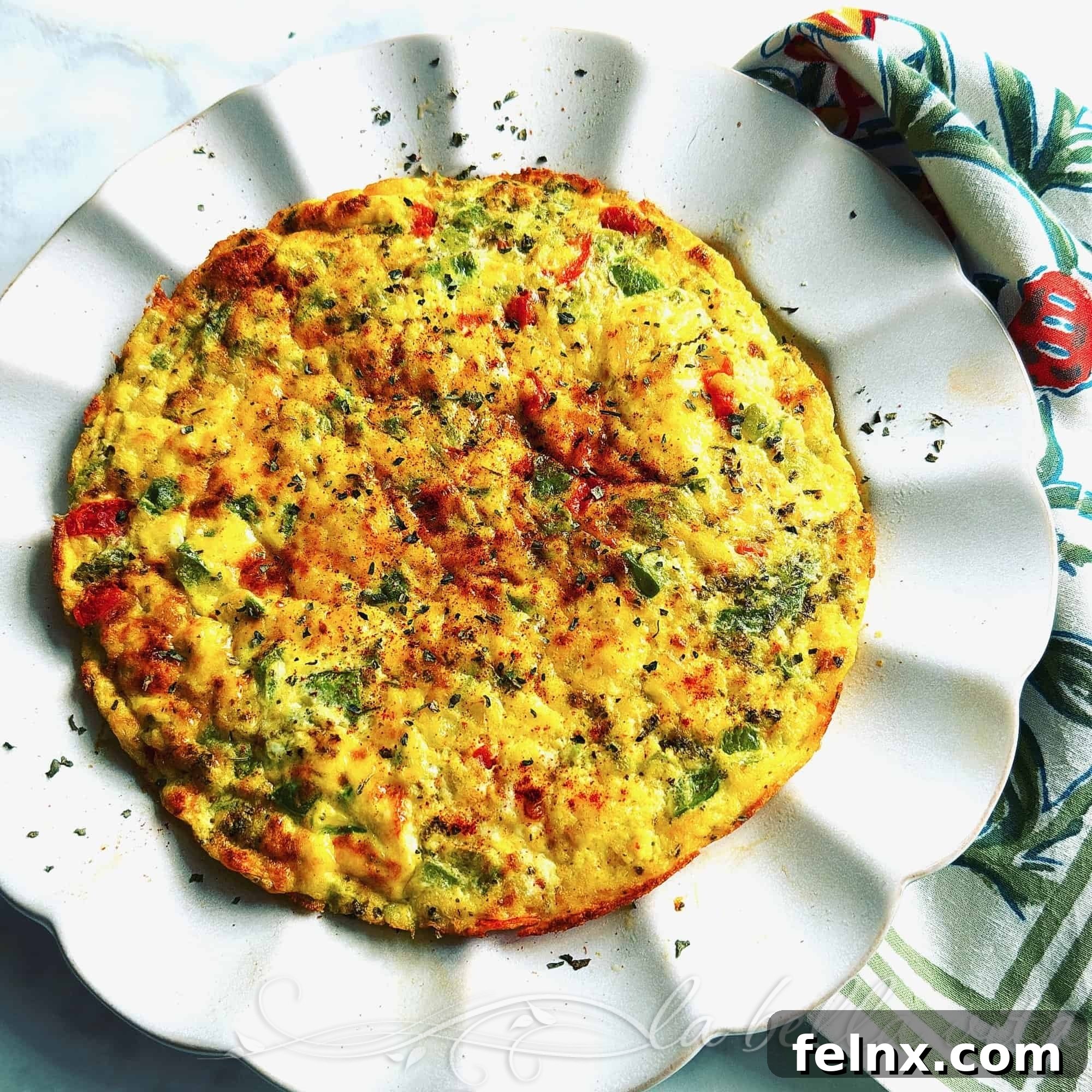
The Ultimate Cheesy Italian Frittata with Peppers: A Complete Guide
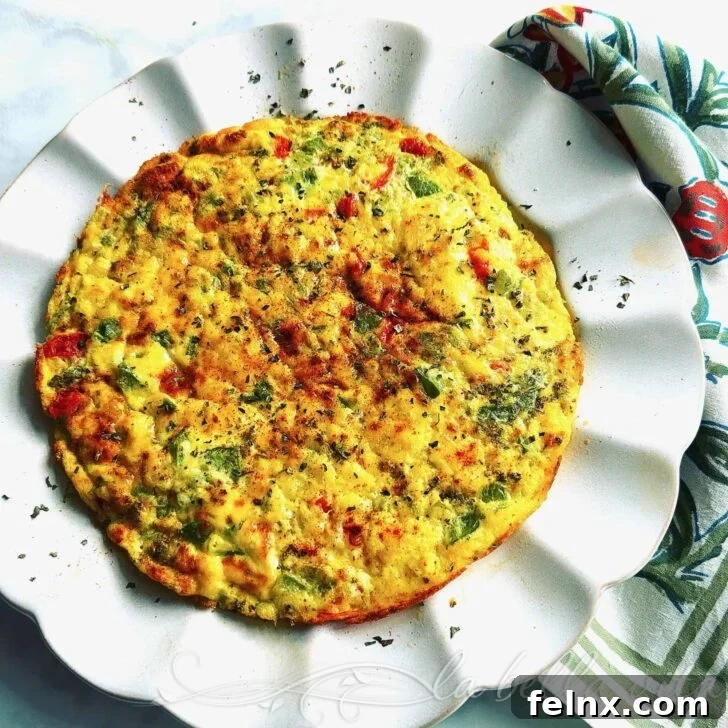
If there were ever a single food that could be described as “perfect,” many would argue it is the humble egg. Eggs are a powerhouse of nutrition, versatility, and flavor. One of the most elegant yet simple ways to prepare them is the Italian frittata. This dish represents the heart of Italian home cooking: taking fresh, simple ingredients and turning them into something extraordinary. Whether you are hosting a festive brunch or just looking for a way to use up the leftovers in your pantry, a Cheesy Italian Frittata with Peppers and Tomatoes is the ideal solution.
The beauty of a frittata lies in its adaptability. It is a “clean-out-the-fridge” masterpiece. Often, our kitchens become cluttered with small amounts of various vegetables, cheeses, and meats that aren’t enough for a full meal on their own. The frittata provides a canvas where “a little bit of this” and “a little bit of that” can blend together into a cohesive, delicious dish. Not only does this reduce food waste, but it also allows for endless creativity in the kitchen.
Another reason to love the frittata is its convenience. Unlike complicated soufflés or delicate omelettes that require immediate service, a frittata is forgiving. It can be served hot, warm, at room temperature, or even cold. This makes it perfect for packing in a lunchbox, taking to a picnic, or preparing ahead of time for a busy morning. In Italy, it is common to see frittatas served as a quick dinner or sliced into wedges for a mid-day snack.
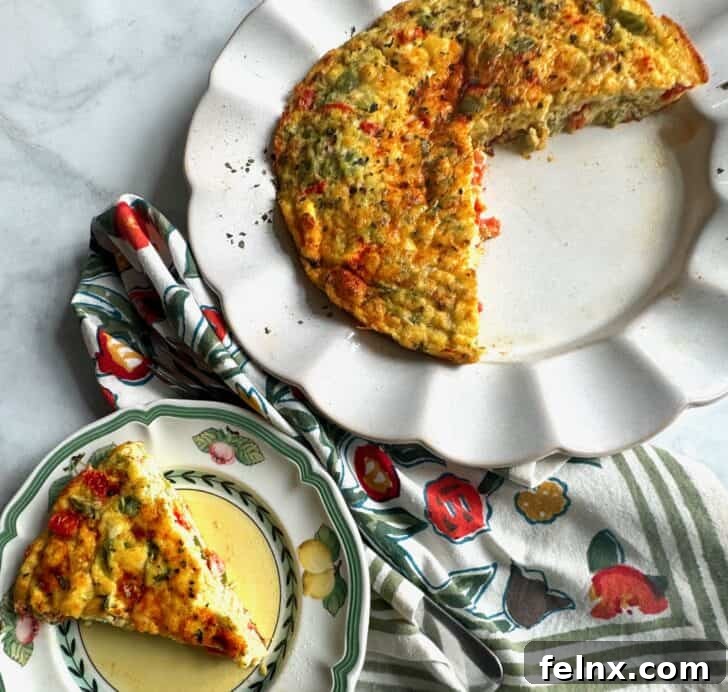
Understanding the Frittata: How It Differs from Omelettes and Quiches
Many people confuse the frittata with other egg dishes like the French omelette or the quiche. While they share similarities, the frittata has several distinct characteristics that set it apart in terms of texture and preparation:
- Ingredient Incorporation: In an omelette, the eggs are cooked first, and the fillings are folded into the center. In a frittata, all ingredients—veggies, cheese, and meats—are mixed directly into the raw, beaten eggs before cooking starts. This ensures a uniform distribution of flavor in every bite.
- Cooking Method: Frittatas are typically started on the stovetop to set the bottom and then finished in the oven or under the broiler. This gives them their signature thick, lofty height and a beautifully browned top. Omelettes are usually cooked entirely on the stovetop and are rarely browned.
- The Crust: Unlike a quiche, which is essentially a custard baked in a pastry shell, a frittata is crustless. It relies on the eggs and dairy to create a firm yet tender structure, making it a fantastic low-carb or gluten-free alternative.
- Serving Size: Omelettes are usually prepared for one person at a time. A frittata is a communal dish, often using 6 to 12 eggs, designed to be sliced into wedges and shared among several people.
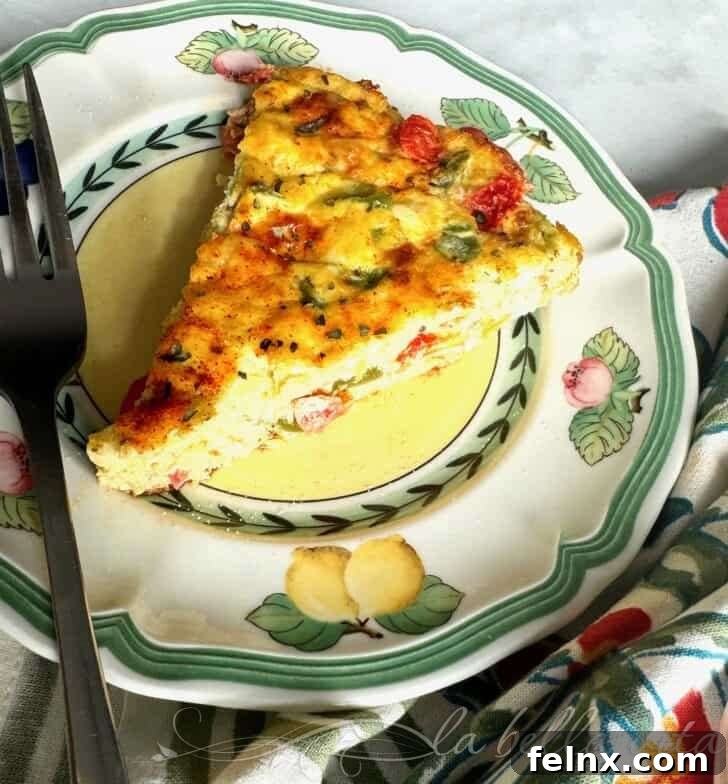
Pro Tips for a Fluffy and Golden Italian Frittata
To achieve that sought-after creamy center and crispy exterior, technique is everything. Here are the essential rules for frittata success:
1. Master the Ratio
The secret to a custard-like texture is adding the right amount of dairy. For every 6 eggs, use about 1/4 cup of full-fat dairy (heavy cream or whole milk). If you are using 8 to 10 jumbo eggs, increase that to 1/3 cup. This prevents the eggs from becoming rubbery or dry during the baking process.
2. Be Careful with Whisking
You want to whisk the eggs until the yolks and whites are just combined. If you overbeat the eggs, you incorporate too much air. While this might make the frittata rise like a balloon in the oven, it will inevitably collapse and become dense once it cools. Aim for a smooth, pale yellow mixture without excessive bubbles.
3. Control the Moisture
Moisture is the enemy of a firm frittata. If you use high-water-content vegetables like zucchini, mushrooms, or tomatoes, it is vital to sauté them first to cook off the excess liquid. If you prefer using raw vegetables, always pat them dry with a paper towel after chopping. For meats, ensure they are fully cooked and drained of grease before they hit the egg mixture.
4. Choose Full-Fat Dairy
A frittata is not the place to skimp on fat. Heavy cream, creme fraiche, or whole milk provides the richness needed for a luxurious mouthfeel. If you use skim milk, you risk a watery, less flavorful result. For cheese, low-moisture options like Fontina, aged Cheddar, or Parmigiano-Reggiano work best.
Selecting the Perfect Pan
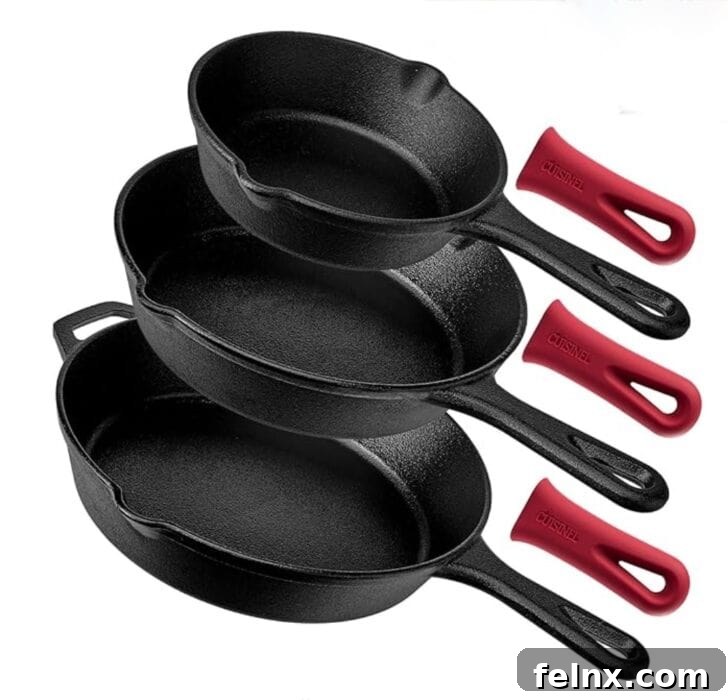
Your choice of cookware can make or break your frittata. Since this dish moves from the stove to the oven, you must use a skillet that is entirely oven-safe. A well-seasoned cast iron skillet is the traditional choice because it retains heat exceptionally well and naturally creates a crispy bottom crust. If you don’t have cast iron, a heavy-bottomed, non-stick, oven-safe skillet is an excellent alternative to ensure the eggs slide out easily.
If you find your frittata sticking, don’t panic. Use a thin, flexible metal spatula to gently lift the edges. If the bottom is stubborn, you can serve it directly from the pan—it adds a rustic, farmhouse charm to the table!
Cooking and Baking: The “Low and Slow” Approach
Patience is a virtue when it comes to eggs. Set your oven to 325°F (165°C). High temperatures can cause the eggs to cook too quickly, leading to a porous, spongy texture. By starting on the stove over medium-low heat, you “set” the base. This prevents the bottom from being soggy. Once the edges are bubbling and the center is mostly set (but the top is still a bit runny), it is time to move it to the middle rack of the oven.
Watch the oven closely. You are looking for the frittata to puff up slightly and for the center to have just a tiny bit of “jiggle” when shaken. It will continue to cook for a few minutes even after you take it out of the oven due to residual heat. If you love a deeply browned, cheesy top, you can switch to the broiler for the final 2-3 minutes of cooking, but stay by the oven door—it can burn in seconds!
Andiamo a Cucina! (Let’s Go to the Kitchen)
Before you start, gather your ingredients. This recipe focuses on the classic Italian combination of Fontina cheese, bell peppers, and Roma tomatoes, but feel free to customize based on what you have.
- Jumbo Eggs
- Extra Virgin Olive Oil
- Fontina or Mozzarella Cheese
- Yellow Onion & Garlic
- Green Bell Pepper
- Roma Tomatoes
- Fresh Italian Herbs (Oregano, Sage, Basil)
- Heavy Cream
What to Serve with Your Frittata
A frittata is a versatile centerpiece that pairs well with various side dishes depending on the mealtime.
- For a Light Lunch: Serve with a crisp green salad tossed in a lemon-shallot vinaigrette. The acidity of the dressing cuts through the richness of the cheese and eggs beautifully.
- For a Hearty Breakfast: Add a side of roasted rosemary potatoes or crispy hash browns. Thick-cut bacon or savory Italian sausage also makes an excellent protein companion.
- The Bread Factor: A slice of toasted artisan sourdough or a warm baguette is perfect for soaking up any leftover flavors.
- Beverage Pairings: For brunch, try a fresh Mimosa or a Peach Bellini. If serving as a light dinner, a crisp Pinot Grigio or a light Sauvignon Blanc works wonders.
Storage and Reheating
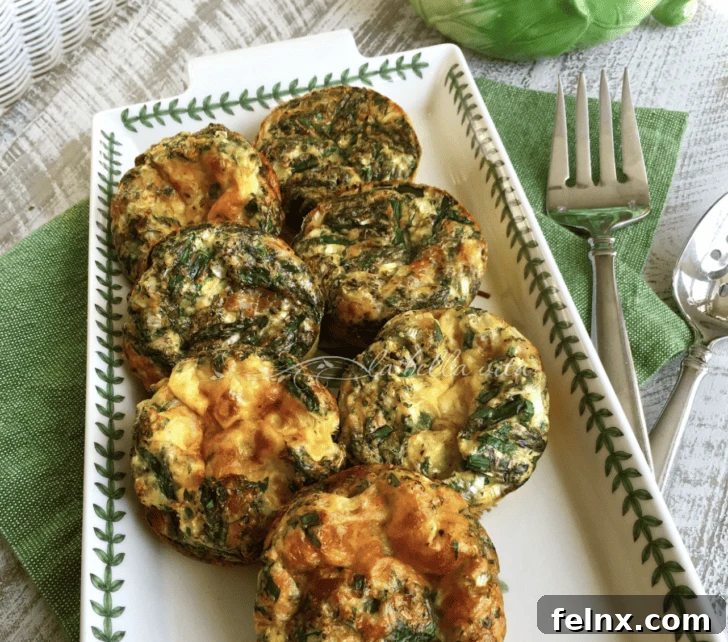
If you have leftovers, you’re in luck! Frittatas store exceptionally well. Place slices in an airtight container and keep them in the refrigerator for up to three days. To reheat, avoid the microwave if possible, as it can make the eggs rubbery. Instead, place a slice in a toaster oven or back in a skillet over low heat until warmed through. Many people actually prefer the flavor of a frittata the next day, as the herbs and cheeses have had more time to meld.
Recipe: Cheesy Italian Frittata with Peppers
Ingredients
- 8 jumbo eggs
- 2 Tbsp. extra virgin olive oil
- 1 small onion, finely chopped
- 2 large cloves of garlic, minced
- 1 green bell pepper, chopped and patted dry
- 2-3 Roma tomatoes, deseeded and chopped
- 1 cup Fontina cheese, freshly grated
- 1/3 cup heavy cream or whole milk
- 1 tsp. Italian seasoning (dried or fresh)
- Salt and black pepper to taste
Instructions
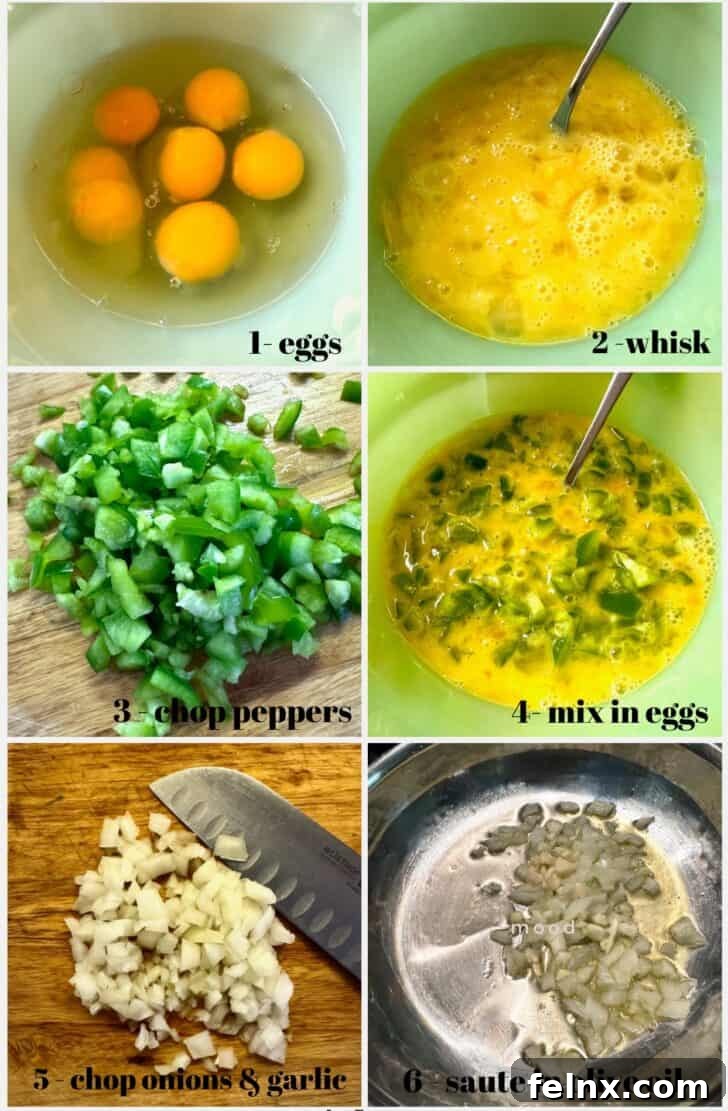
- Whisk the Base: In a large bowl, whisk the eggs with the cream and Italian seasoning until just combined.
- Sauté the Aromatics: Heat olive oil in an oven-safe skillet over medium heat. Add the onion and sauté until translucent. Add the garlic and cook for another minute until fragrant.
- Assemble: Pour the egg mixture into the skillet. Drop in the chopped peppers, tomatoes, and half of the cheese. Stir very gently to distribute.
- Stovetop Start: Cook on the stove for about 5-8 minutes until the bottom is set and the sides begin to pull away from the pan.
- Bake: Sprinkle the remaining cheese on top. Move the skillet to a preheated 325°F oven. Bake for 15-20 minutes.
- Finish: If desired, broil for 2 minutes for a golden crust. Check for doneness by tapping the center; it should feel firm.
- Rest and Serve: Let the frittata rest for 5 minutes before slicing. Garnish with fresh basil or parsley.
Cooking a frittata is more than just making a meal; it’s about embracing the Italian philosophy of la bella vita—the beautiful life. It’s simple, honest, and incredibly satisfying. Whether you are a beginner cook or a seasoned chef, this recipe will quickly become a staple in your culinary repertoire. Mangia and Buon Appetito!