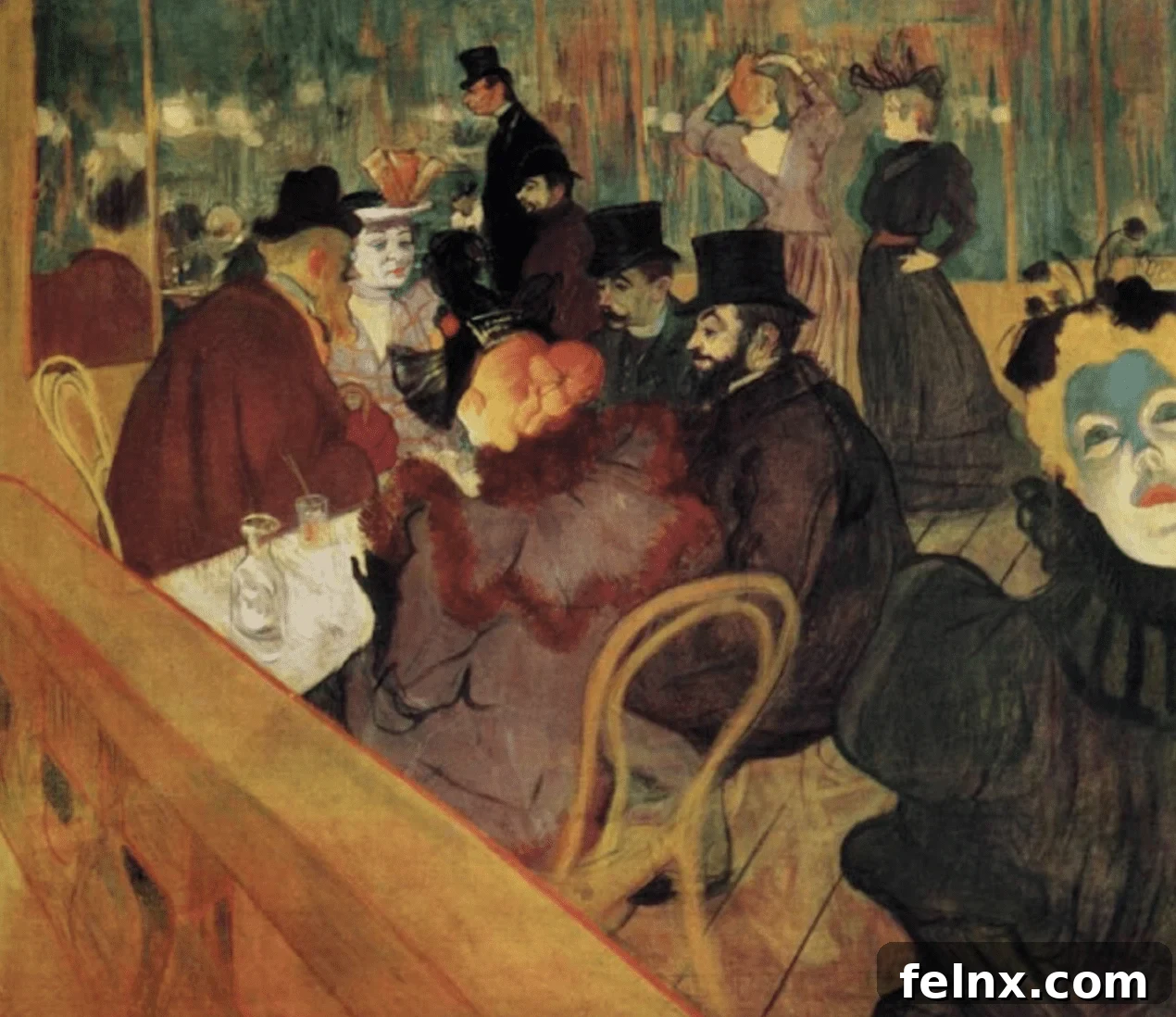
The Spirit of Paris: Discovering Henri de Toulouse-Lautrec at the High Museum of Art
Art has a unique way of bridging the gap between generations, connecting the past with the present, and turning a simple city visit into a profound emotional journey. I recently found myself in Atlanta for a professional conference, a trip that culminated in a beautiful shared experience with my daughter. As an art teacher living in Knoxville, Tennessee, she made the drive down during her Spring Break so we could explore the city’s cultural offerings together. Our tradition has always been to meet in Atlanta once or twice a year, specifically to visit the High Museum of Art. Whether we are exploring the latest fashion trends in stores unavailable in our home states or trying out a new bistro for lunch, our time together is always centered around the appreciation of creativity and beauty.
Our most recent museum excursion was particularly special. Having previously marveled at the surrealist genius of Salvador Dalí during his exhibition in November, we were eager to immerse ourselves in a completely different world: the bohemian streets of 19th-century France. The High Museum was hosting a collection of works by Henri de Toulouse-Lautrec, an artist famously credited with capturing the very soul and raw emotion of the Belle Époque in Paris. For anyone who appreciates the intersection of history, sociology, and fine art, Toulouse-Lautrec’s work is an essential study in human nature.
The Master of the Belle Époque
Henri de Toulouse-Lautrec was more than just a painter; he was a chronicler of the night. Born into an aristocratic family, his life was marked by physical challenges and a subsequent withdrawal from the traditional expectations of his class. Instead of the hunt and the high-society balls of the French elite, Lautrec found his muse in the shadows of Montmartre. This neighborhood was the epicenter of Parisian counterculture, a place where artists, poets, and performers mingled with the working class and the wealthy seeking a taste of the “forbidden.”
Toulouse-Lautrec’s style is instantly recognizable. His use of bold lines, dramatic perspectives, and vibrant yet sometimes haunting colors sets him apart from his contemporaries. While Monet focused on the fleeting nature of light on haystacks and water lilies, and Degas captured the disciplined grace of the ballet, Lautrec looked toward the grit and glamour of the cabaret. He chose to document life on the seedier side of Paris, capturing his experiences through oil paintings and, perhaps most famously, through the medium of lithography.
The Iconic Moulin Rouge and Parisian Nightlife
When one thinks of Toulouse-Lautrec, the legendary Moulin Rouge is usually the first image that comes to mind. This world-famous cabaret, which remains a symbol of Parisian nightlife to this day, was Lautrec’s second home. He didn’t just visit; he belonged there. He had a reserved table every night, and his presence was as much a part of the atmosphere as the dancers themselves. Through his art, he immortalized the performers who graced the stage, such as the famous Jane Avril and the fiery La Goulue.
His posters for the Moulin Rouge revolutionized commercial art. Before Lautrec, advertisements were often cluttered and purely informational. He brought a fine-art sensibility to the medium, using flat areas of color influenced by Japanese woodblock prints (Ukiyo-e). These posters were so popular that people would often peel them off the walls of Paris to keep as personal art collections. They didn’t just announce a show; they sold an atmosphere—an intoxicating blend of music, dance, and the seductive allure of the Parisian night.
Capturing the Human Condition Beyond the Stage
While the high-energy can-can dancers are his most famous subjects, the exhibition at the High Museum also highlights Lautrec’s ability to capture quieter, more intimate moments. He frequently visited Parisian theaters, but he was often more interested in the audience than the performance on stage. He painted wealthy patrons in their private boxes, capturing their expressions of boredom, intrigue, or vanity. These works provide a fascinating sociological look at the class structures of the time.
Furthermore, Lautrec’s depictions of the women who worked in the brothels and cabarets were revolutionary for their empathy. At a time when society often looked down on these individuals, Lautrec portrayed them with dignity and humanity. He showed them not as objects of desire, but as people—exhausted after a long shift, sharing a quiet conversation, or preparing for the evening ahead. There is a profound honesty in his work that transcends the “seedy” reputation of his subjects. He was a master of the human condition, finding beauty and truth in places others refused to look.
A Personal Connection to French Art
Walking through the gallery with my daughter, I couldn’t help but reflect on my own travels. I fondly remember seeing some of Lautrec’s masterpieces during a visit to the Louvre and the Musée d’Orsay in Paris. There is something transformative about seeing these works in person. The textures of the canvas and the vibrancy of the lithographic ink tell a story that a digital screen simply cannot replicate. Seeing the works of Monet, Degas, and Lautrec in their home country was a life-changing experience for me, and sharing a piece of that magic with my daughter in Atlanta was just as meaningful.
The unique style of Toulouse-Lautrec has always been one of my favorites because it feels incredibly modern. His work bridges the gap between traditional fine art and the graphic design movements of the 20th century. He was an innovator who wasn’t afraid to break the rules, and that spirit of rebellion is something that continues to inspire artists and art lovers today.
The Vital Role of Art in Our Lives
This trip reminded me of the vital importance of art in our society. I feel incredibly fortunate to live in a region that values and supports art education and the artists themselves. Art is not a luxury; it is a necessity that enriches our lives, challenges our perspectives, and provides a mirror through which we can view our own humanity. The passionate work of talented individuals like Toulouse-Lautrec makes the world a more beautiful and thoughtful place.
Art education, in particular, is a cornerstone of a vibrant culture. Having a daughter who is an art teacher gives me a front-row seat to how creativity can transform the lives of young people. It teaches critical thinking, empathy, and the courage to express one’s unique voice. When we support museums and attend exhibitions, we are investing in the very fabric of our communities.
Reflections on Beauty and Family
The High Museum’s exhibition of Toulouse-Lautrec is a journey back to a time of incredible innovation and creativity. Paris during the Belle Époque was the center of the artistic universe, and Lautrec was its most faithful witness. His work allows us to step into the past and feel the energy of a bygone era, reminding us that while times change, the human spirit remains remarkably consistent.
As I left the museum and prepared to head home, I carried with me a renewed sense of gratitude. Life moves quickly, and it is easy to get caught up in the demands of work and daily routines. However, we must never let a moment of beauty slip by. Whether it is a world-class art exhibition or a simple lunch with a loved one, these experiences are the ones that truly matter.
If you find yourself with the opportunity to visit a museum or explore the work of a new artist, I encourage you to take it. Even better, take a family member or a dear friend along with you. Sharing the beauty of art with someone you love amplifies the experience and creates memories that last a lifetime. Henri de Toulouse-Lautrec spent his life capturing the fleeting moments of the Parisian night; let us spend ours capturing the moments of beauty in our own lives.
To learn more about the life and legacy of this incredible artist, I highly recommend visiting the official resources dedicated to his work. Understanding the context of his life only deepens the appreciation of his genius. Remember to cherish the arts, support local creators, and always make time for the people and passions that make life worth living.