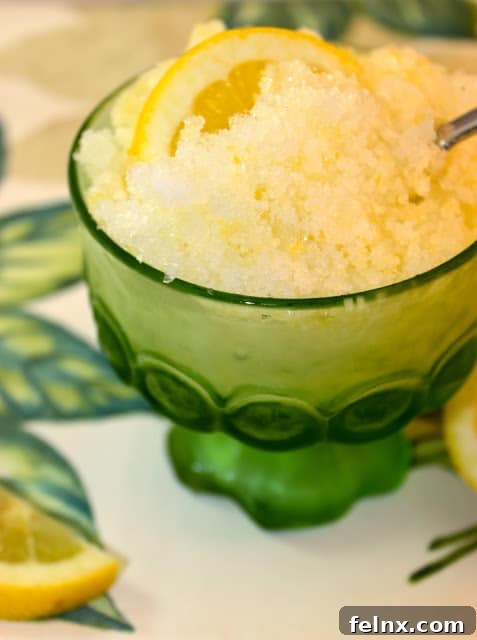
The Ultimate Refreshing Lemon Citrus Granita: A Taste of the Amalfi Coast
There is nothing quite as cleansing and refreshing as a homemade lemon citrus granita. As we navigate the transitions of life, whether it is a new year or simply a desire for a fresh start, we often look for ways to “clean up” our habits. For many, this starts in the kitchen. Transitioning to a cleaner way of eating doesn’t have to mean sacrificing flavor or the joy of a sweet treat. In fact, some of the most delicious recipes in the world, like the traditional Italian granita, are based on the simplest, most natural ingredients provided by the earth.
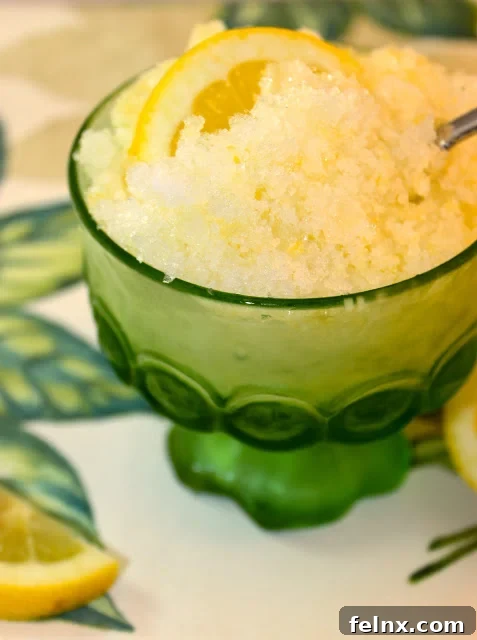
Embracing a Clean Living Philosophy
The concept of “cleaning up” can apply to every facet of our existence. From decluttering our physical homes to streamlining our financial goals, the pursuit of simplicity often leads to a more fulfilling life. When it comes to nutrition, “clean eating” has become a popular term for a very old idea: consuming food in its most natural state. It is about moving away from the industrial, processed packages that fill modern grocery aisles and returning to the vibrant, whole foods found in nature.
The benefits of this shift are profound. Many who adopt a cleaner nutritional path report feeling lighter, more energetic, and more focused. However, the transition isn’t always easy. It requires a mindful approach to what we put in our bodies. One of the best ways to stay motivated is to find recipes that feel like an indulgence but are actually rooted in healthy principles. This is where the citrus granita comes in. During the winter months, when citrus fruits like lemons and oranges are at their peak of freshness and nutritional density, they offer the perfect base for a refreshing, “clean” dessert.
The Challenge of Sweeteners in Clean Eating
One of the primary hurdles in the clean eating philosophy is the strict avoidance of refined sugar. For those of us used to the traditional sweets of the Mediterranean or the standard Western diet, this can be a difficult adjustment. Traditional Italian granita relies on a balance of fruit juice, water, and sugar to achieve its iconic icy texture and sweet-tart flavor profile.
To make this recipe truly “clean,” you can substitute refined sugar with natural alternatives like Stevia. While Stevia is a plant-based sweetener that fits within many clean eating guidelines, it is important to note that it alters the flavor profile slightly compared to the granitas found on the streets of Italy. If you are looking for the most authentic experience, you might choose to use high-quality organic cane sugar or honey, depending on how strictly you follow the clean eating rules. Regardless of the sweetener you choose, the focus remains on the high-quality, fresh-squeezed citrus juice that provides the soul of this dish.
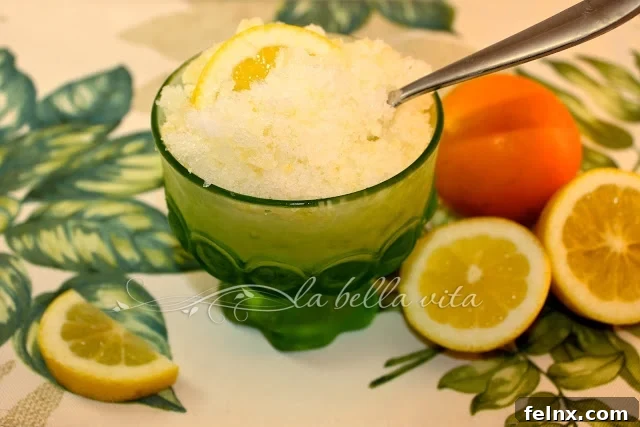
Lemon Citrus Granita Recipe
Ingredients
- 2/3 cup freshly-squeezed lemon juice (approximately 4 large lemons)
- 3 cups pure filtered water
- 1 1/2 to 2 cups organic sugar (or substitute Stevia for a strictly clean version)
- 1 cup freshly-squeezed orange juice (or additional lemon juice for a more tart profile)
Instructions
- In a medium saucepan, combine the fresh citrus juices, water, and your chosen sweetener.
- Place the pan over medium-high heat and bring the mixture to a gentle boil.
- Cook for approximately 1 minute, stirring constantly to ensure the sugar or sweetener is completely dissolved.
- Remove the saucepan from the heat and allow the mixture to cool to room temperature.
- Pour the cooled liquid into a 13 x 9-inch shallow baking dish.
- Cover the dish and place it in the freezer for at least 8 hours, or until it is completely firm.
- Once frozen, remove the dish from the freezer. Use a sturdy fork to scrape the entire surface of the frozen mixture, creating light, fluffy ice flakes.
- Serve immediately in chilled glasses, or store in an airtight container in the freezer for up to one month.
The Art of the Perfect Granita Texture
Making a granita is as much about the process as it is about the ingredients. Unlike a sorbet, which is churned to create a smooth, creamy texture, a granita is meant to be crystalline and icy. The magic happens during the scraping process. By using a fork to “chip away” at the frozen block, you create delicate shards of flavored ice that melt slowly on the tongue.
When you first take the pan out of the freezer, the surface may feel quite hard. However, once you break through the top layer, the process becomes fast and satisfying. It is essential to have your serving glasses pre-chilled in the freezer. This prevents the delicate ice flakes from melting into liquid the moment they touch the glass, ensuring that every spoonful maintains that perfect, refreshing crunch.
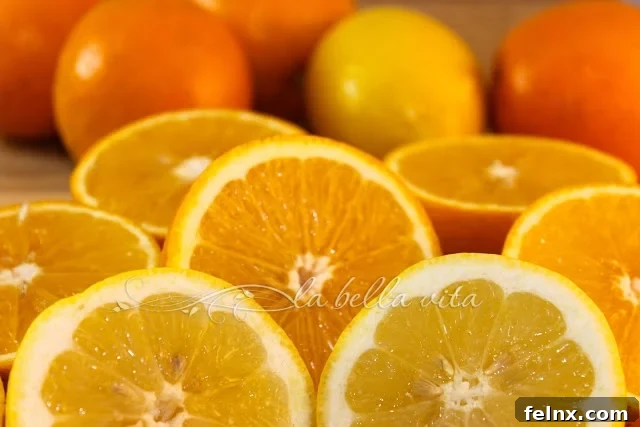
Using a mix of 4-5 oranges and 3-4 lemons creates a balanced flavor that is both sweet and tangy.
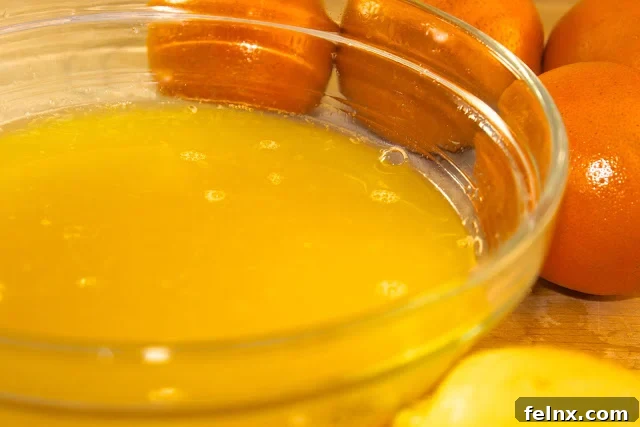
Blending these fresh juices together ensures a consistent flavor profile throughout the granita.
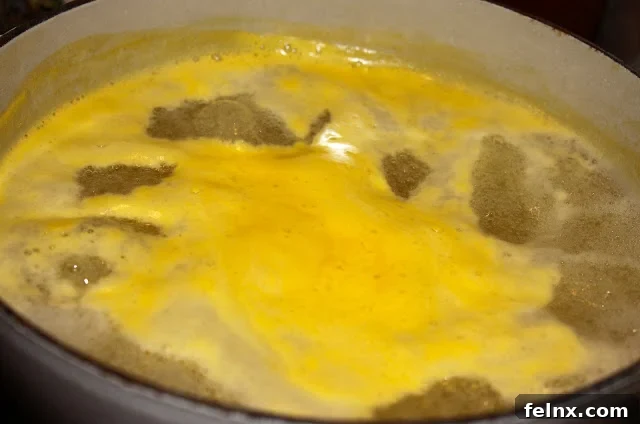
Heating the mixture briefly is key to dissolving the sweetener and infusing the flavors.
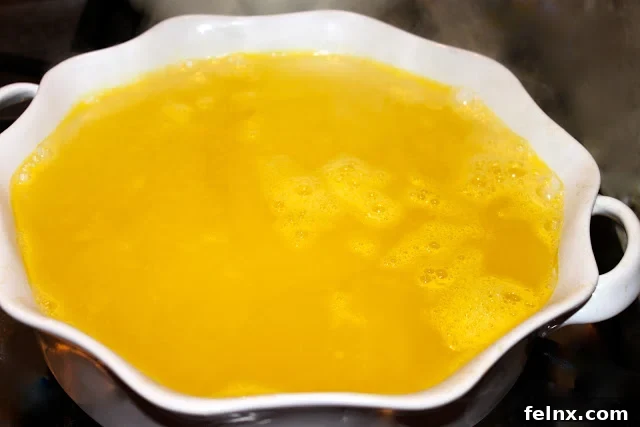
The shallow depth of a baking pan allows the liquid to freeze evenly and makes scraping easier.
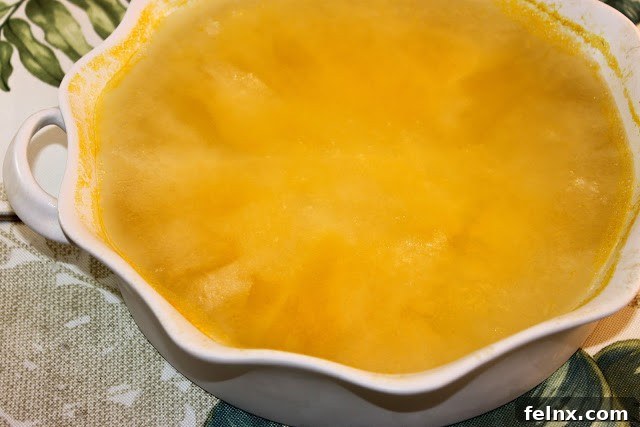
The solid frozen state before the transformation begins.
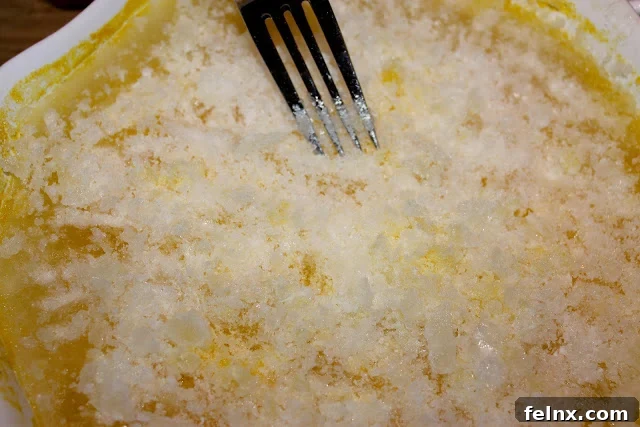
The rhythmic scraping creates the signature light and airy texture of an authentic Italian granita.
Memories of the Amalfi Coast
To truly understand the appeal of a citrus granita, one must look to its home: the stunning Amalfi Coast of Italy. In towns like Positano, Amalfi, and Praiano, the scent of lemons—massive, bright yellow Sfusato Amalfitano lemons—fills the air. These lemons are famous worldwide for their thick, aromatic rinds and sweet, low-acid juice.
Walking along the winding cliffside roads, you will encounter numerous small fruit stands perched on the edge of the mountains. These vendors offer fresh-squeezed granita in small cups, providing much-needed relief from the Mediterranean sun. There is something profoundly simple and perfect about eating a frozen dessert made from fruit grown just a few feet away from where you are standing. It embodies the essence of the Mediterranean diet: fresh, local, and minimally processed.
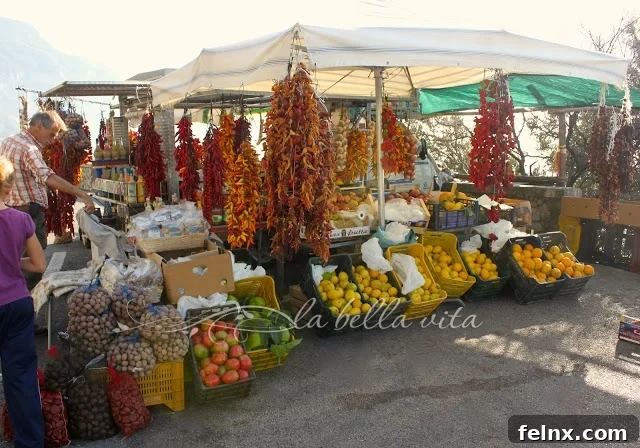
Italian fruit stands are a treasure trove of fresh citrus, often used for immediate granita preparation.
The Mediterranean Lifestyle vs. Modern “Clean Eating”
While the modern “clean eating” movement offers excellent guidelines for health, it is interesting to compare it to the traditional Mediterranean lifestyle. In Italy, people enjoy pasta, artisanal white breads, and sugar-laden gelatos, yet they often maintain better health and lower weights than those in many Western nations. The secret lies in balance and movement.
In the villages of the Amalfi Coast, walking is the primary mode of transportation. Residents climb hundreds of stone steps every day just to get to the market or their homes. Because of this high level of physical activity, their bodies can process the “refined” carbohydrates and sugars of their traditional diet more effectively. This suggests that while we should strive for “clean” ingredients, we should also focus on an active lifestyle that allows us to enjoy the culinary traditions we love.
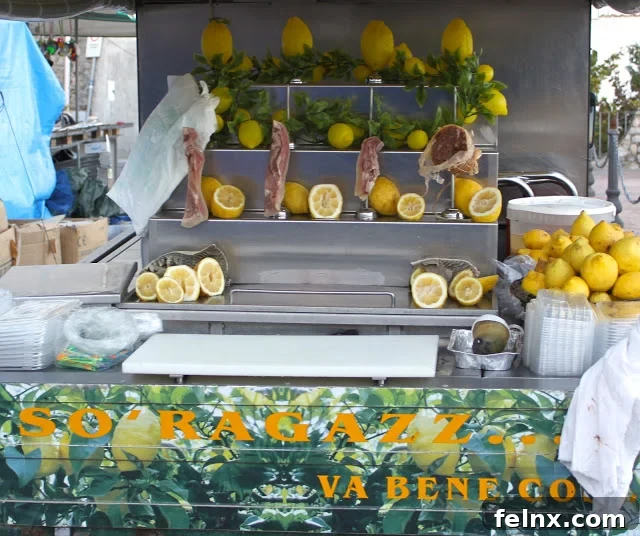
A festive lemon granita stand in the village of Praiano during a local celebration.
Practical Tips for Incorporating Clean Eating
If you are inspired to incorporate more “clean eating” principles into your life, here are several actionable steps you can take. These aren’t just about restriction; they are about choosing quality over quantity and whole foods over chemical additives.
- Focus on Whole States: Try to eat foods that look like they did when they came out of the ground. An apple is better than apple juice; a whole potato is better than a potato chip.
- Small, Frequent Meals: Instead of three large meals, consider five or six smaller portions. This helps stabilize blood sugar and keeps your metabolism active throughout the day.
- Prioritize Plants: Make vegetables and fruits the star of your plate. Think of meat as a side dish or a garnish rather than the main event.
- Choose Fresh Cuts: When purchasing meat, go to a butcher where you can see the fresh cuts. Avoid pre-packaged, processed meats like deli cold cuts or sausages which are often loaded with sodium and nitrates.
- Embrace Whole Grains: Swap white rice for brown rice, and look for “100% whole grain” options for bread and pasta to ensure you are getting the fiber and nutrients found in the grain’s hull.
- Hydration is Key: Aim for at least 8 glasses of water daily. If plain water is boring, infuse it with slices of lemon, cucumber, or mint for a refreshing twist.
- Eliminate Liquid Calories: Cut out carbonated sodas and “fruit drinks” that are mostly sugar water. A fresh-squeezed granita or a glass of water with citrus juice is a much healthier way to satisfy a craving for flavor.
- Read Your Labels: A good rule of thumb is to look for products with five ingredients or fewer. If you can’t pronounce the ingredients, your body likely doesn’t need them.
- Healthy Fats are Essential: Don’t fear fat. Incorporate olive oil, avocados, nuts, and fatty fish like salmon into your diet. These provide essential fatty acids that support brain and heart health.
- Avoid “Fat-Free” Marketing: Often, when companies remove fat from a product, they replace it with sugar and chemicals to maintain the flavor. Stick to the full-fat, natural versions in smaller portions.
Conclusion: The Joy of Simple Flavors
Whether you are following a strict clean eating regimen or simply looking for a delicious way to enjoy the season’s best citrus, this lemon citrus granita is a perfect choice. It reminds us that we don’t need complex ingredients or artificial flavorings to create something extraordinary. By focusing on fresh fruit, pure water, and a bit of patience, we can bring a taste of the Italian summer—and a cleaner way of living—into our own homes. So, grab some lemons, start scraping, and enjoy the crisp, clean taste of a Mediterranean classic.