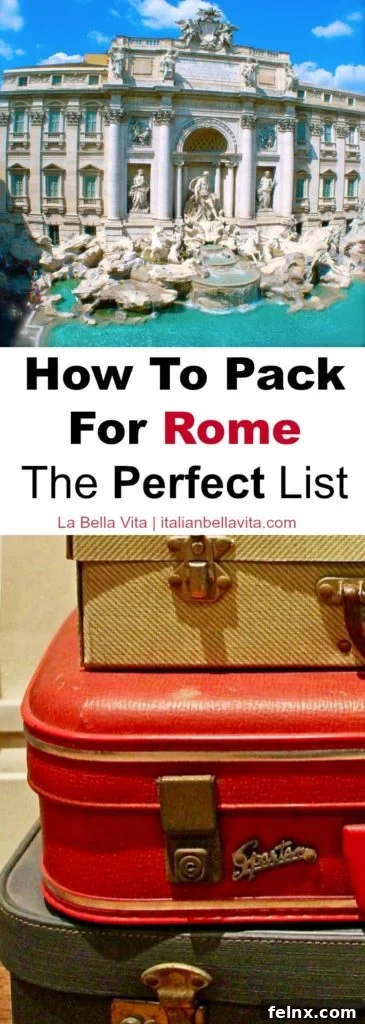
Ultimate Rome Packing Guide: Essential Tips for Your Italian Adventure
Are you planning a trip to Rome? Whether you are dreaming of visiting the Eternal City for the first time or you are a seasoned traveler looking to return to its historic streets, preparation is the key to a successful journey. Rome is a city of unparalleled beauty, ancient history, and vibrant culture, but it can also be challenging if you aren’t packed correctly. This guide provides a comprehensive look at the essentials you need for a comfortable, stylish, and stress-free Roman holiday.
Timing your visit can make a world of difference. For instance, traveling in early May offers a unique window of opportunity. During this period, university graduations are often concluding, and school children are still in class. This results in significantly smaller crowds at major landmarks like the Colosseum and the Vatican. While October is also a popular choice for fewer crowds, the weather can be quite rainy. Springtime in Rome is generally pleasant, though unpredictable. You might experience a heatwave one day and a chilly breeze the next. Therefore, versatility is the cornerstone of any Roman packing strategy.
1. The Foundation: Super-Comfortable Walking Shoes
If there is one piece of advice you must follow, it is this: do not bring new, unproven, or purely fashionable shoes to Rome. Rome is a city meant to be explored on foot, and its famous cobblestones, known as sampietrini, are notoriously unforgiving. Within hours, the wrong footwear can lead to blisters and foot pain that could ruin your trip.
Breathable and supportive walking shoes are a must for Rome’s cobblestone streets.
When selecting shoes, prioritize support and flexibility. Rubber soles are essential because marble floors in museums and churches can be surprisingly slippery. Many travelers prefer closed-toe shoes to keep their feet clean from the city dust. Breathable, neutral-colored sneakers or high-quality walking sandals are excellent choices. It is also wise to pack a second pair of comfortable shoes so you can rotate them, giving your feet—and your shoes—a break. For those inevitable evening dinners at a nice trattoria, pack one pair of “pretty” shoes that are still comfortable enough for a short walk.
Pro tip: Always pack a supply of specialized blister pads. Even with the best shoes, the sheer volume of walking can take a toll. Having a “healing” bandage on hand can be a lifesaver.
2. Clothing Strategy: Layers and Modesty
Dressing for Rome requires a balance between comfort and style. Italians are known for their fashion sense, and while you don’t need to wear designer labels, blending in helps you feel more like a local and less like a target for tourist traps. The secret is layering.
The Vatican Dress Code: This is a critical point for all visitors. St. Peter’s Basilica and the Vatican Museums enforce a strict dress code. Shoulders must be covered, and shorts or short skirts are not allowed. Men should wear long pants, and women should ensure their skirts or dresses reach at least the knee. Carrying a light scarf in your bag is a great way to quickly cover your shoulders if you are wearing a sleeveless top.
Focus on natural fabrics like cotton and linen. These materials are breathable and help regulate your body temperature during hot Roman afternoons. Krinkled gauze pants or linen trousers are fantastic because they don’t require ironing and look effortlessly chic. Avoid white sneakers or flip-flops if you want to avoid looking like a stereotypical tourist; instead, opt for leather sneakers or stylish loafers.
Essential Undergarments
In the heat of Rome, comfort starts with what you wear underneath. Choose cotton undergarments that provide breathability. If you are prone to feeling the heat, look for moisture-wicking fabrics or racer-back styles that offer support without the discomfort of traditional underwires.
Supportive cotton undergarments are vital for staying cool in the Italian heat.
3. Sun Protection and Accessories
The Roman sun can be intense, especially when you are standing in line for the Colosseum or walking through the Roman Forum where shade is scarce. A wide-brimmed, packable sun hat is an essential item. Look for one with a chin strap for windy days and water-wicking properties to keep you dry.
Protect yourself from the intense Mediterranean sun with a high-quality hat.
Sunglasses are another “must-have.” High-quality polarized lenses will protect your eyes from the glare of white marble and help you see the intricate details of ancient ruins more clearly. Don’t forget to pack a travel-sized sunscreen and some aloe vera in case of a sunburn.
Accessories like scarves are the ultimate Italian travel hack. A beautiful silk or light wool scarf can instantly elevate a casual outfit for dinner, keep you warm during a chilly evening passeggiata (traditional evening stroll), and serve as a head or shoulder cover for religious sites.
4. Security: Outsmarting Pickpockets
Like any major tourist destination, Rome has its share of pickpockets, particularly in crowded areas like the Trevi Fountain or on public buses like the 64. Staying safe means being smart about how you carry your valuables.
The Money Pouch: Use a neck pouch or a money belt that sits under your clothes to store your passport, extra cash, and credit cards. Do not keep anything valuable in your back pocket. If you must use a wallet, keep it in a front pocket and keep your hand near it in crowded areas.
Backpacks vs. Handbags: A small, locked backpack is often safer than a handbag. Thieves find it much easier to snatch a bag off a shoulder than to manipulate a locked backpack. If you prefer a handbag, ensure it has a sturdy zipper and wear it across your body (cross-body style) rather than on one shoulder. Avoid carrying expensive designer bags that scream “wealthy tourist,” as this makes you a more tempting target.
5. Travel Comfort and In-Flight Essentials
The journey to Rome is often long, and your vacation starts the moment you board the plane. Packing a few comfort items can help you arrive in Italy feeling refreshed rather than exhausted.
- Noise-Cancelling Headphones: These are worth the investment. They block out engine noise and crying babies, allowing you to sleep or enjoy a movie in peace.
- Ear Plugs and Eye Masks: Combined with headphones, these create a personal sanctuary, whether you are on a plane or staying in a noisy city-center hotel.
- Travel Neck Pillow: Choose a high-quality micro-bead or memory foam pillow. Avoid the cheap, hard ones sold at the last minute in airports.
- Footy Socks: These are great for keeping your feet clean in hotel rooms or during long flights when you want to take your shoes off.
High-quality headphones make long flights much more bearable.
6. Tech and Electronics
Italy uses different electrical outlets than the USA. Rome operates on 220 volts, whereas American devices use 110 volts. You will need a power adapter (to make the plug fit) and potentially a converter (to change the voltage). Most modern smartphones and laptops are dual-voltage, but things like hair straighteners or older shavers might need a converter to avoid frying the electronics.
Camera Gear: You will likely take more photos in Rome than anywhere else on earth. Bring extra memory cards and a spare battery. A portable power bank for your phone is also essential, especially since you will be using GPS and looking up restaurant reviews throughout the day.
7. Health, Hygiene, and Practicalities
In Italy, pharmacies (Farmacia) are common, but they function differently than American drugstores. Many over-the-counter medications we take for granted may require a consultation or even a prescription in Italy. It is much easier to pack a small “travel pharmacy” with items like ibuprofen, antacids, anti-diarrheal medication, and any personal prescriptions.
The Refreshment Trick: Rome is full of beautiful nasoni—free-flowing drinking fountains with clean, cold water. Pack a durable, refillable water bottle to save money and stay hydrated. On particularly hot days, soak a small hand towel in the cold fountain water and keep it in a zip-lock bag. It’s a wonderful way to cool down while exploring the ruins.
Toiletry Tips: While most hotels provide basics, many Italian bathrooms do not offer washcloths. If you use one as part of your skincare routine, bring a couple of your own. Also, carry a small pack of tissues; some public restrooms may be out of toilet paper.
8. Knowledge and Language
While many Romans speak English, learning a few basic Italian phrases shows respect for the culture and will often get you better service. Use “Buongiorno” in the morning and “Buonasera” in the evening. Remember to use “Salve” or “Buongiorno” as a formal greeting for strangers rather than the casual “Ciao.”
Guidebooks are still incredibly useful. Look for “insider” guides that offer historical context beyond just lists of restaurants. A small map of the city is also a great backup for when your phone battery dies or you lose GPS signal in the narrow medieval alleys.
9. Luggage and Souvenirs
The best advice for Rome is to pack light. Navigating cobblestones and narrow staircases with a massive suitcase is a nightmare. Aim for one medium-sized suitcase with sturdy wheels and a carry-on. If you plan on doing a lot of shopping, don’t worry about packing an extra suitcase. Instead, consider shipping your purchases home. This avoids airline overweight fees and ensures your delicate Italian ceramics or leather goods are insured and professionally packed.
Rome is a city that rewards the prepared traveler. By focusing on comfort, respect for local customs, and smart security measures, you can spend less time worrying about your gear and more time soaking in the magic of the Eternal City. Buon viaggio!