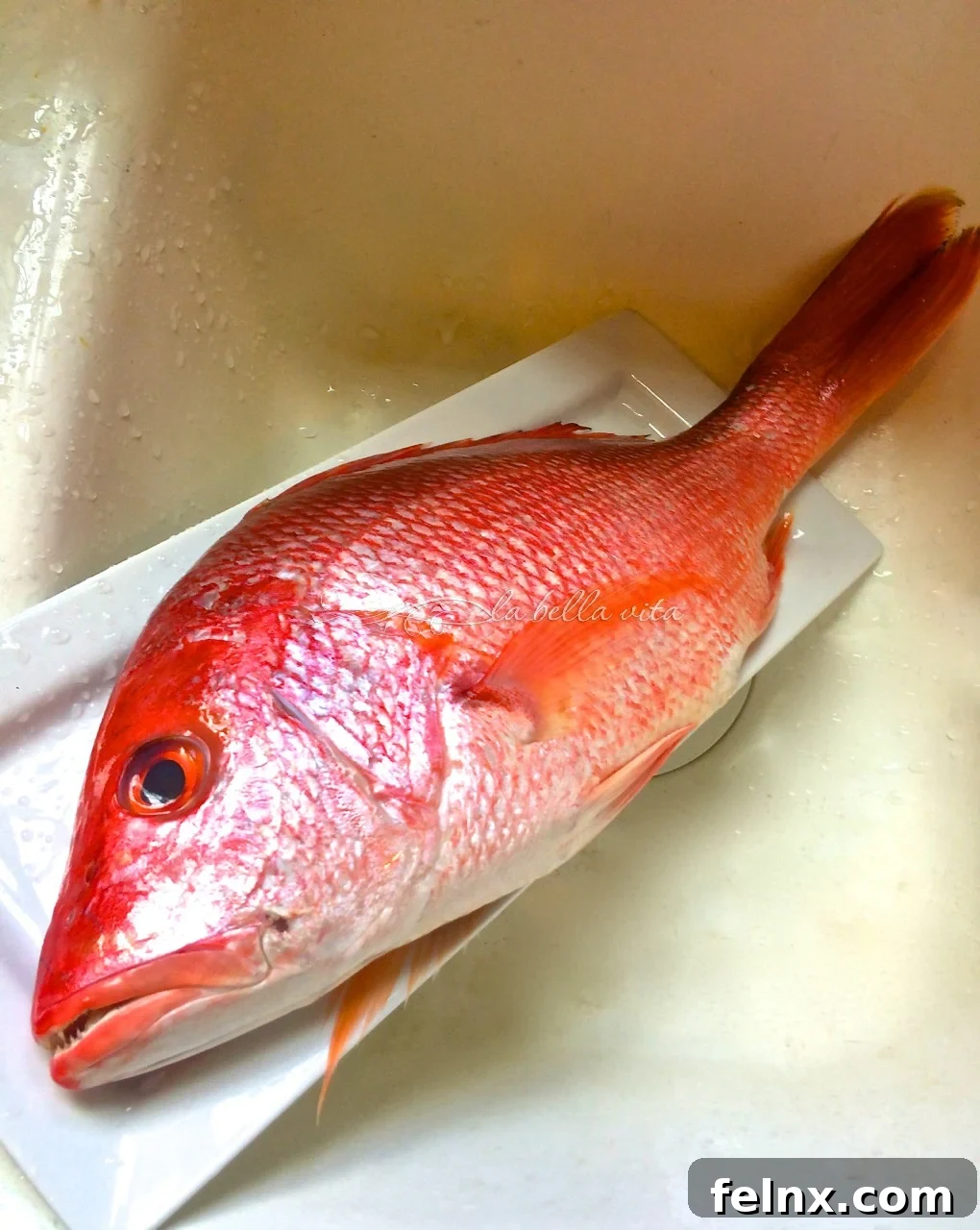
How to Descale a Fish: A Comprehensive Step-by-Step Guide for Home Cooks
Are you looking to elevate your culinary game and master a fundamental kitchen skill? Learning how to prepare fresh, whole fish is one of the most rewarding experiences for any home chef. Not only does it allow you to save money by purchasing unprocessed seafood, but it also ensures that you are working with the freshest possible ingredients. If you have ever been intimidated by the thought of cleaning a fish, worry no more. This guide will walk you through the process of removing scales quickly, safely, and efficiently.
Many people avoid buying whole fish because they think the preparation is messy or complicated. In reality, descaling a fish is incredibly simple and takes less than ten minutes. Once you learn the proper technique, you will be able to enjoy the superior flavor and texture that comes from cooking fish on the bone or with the skin perfectly prepared. Whether you are planning to bake, fry, or grill your catch, proper descaling is the essential first step to a professional-quality meal.
Why You Should Master the Art of Descaling Fish
When you buy pre-filleted fish at the grocery store, you often pay a premium for the labor. Furthermore, the moment a fish is cut, its surface area increases, which can lead to faster oxidation and loss of moisture. By buying a whole fish and descaling it yourself, you preserve the natural juices and flavor of the meat. Additionally, the skin of many fish species is delicious when crisped up, but leaving scales on can ruin the texture and taste of your dish. Knowing how to descale a fish correctly ensures that every bite is smooth and enjoyable.
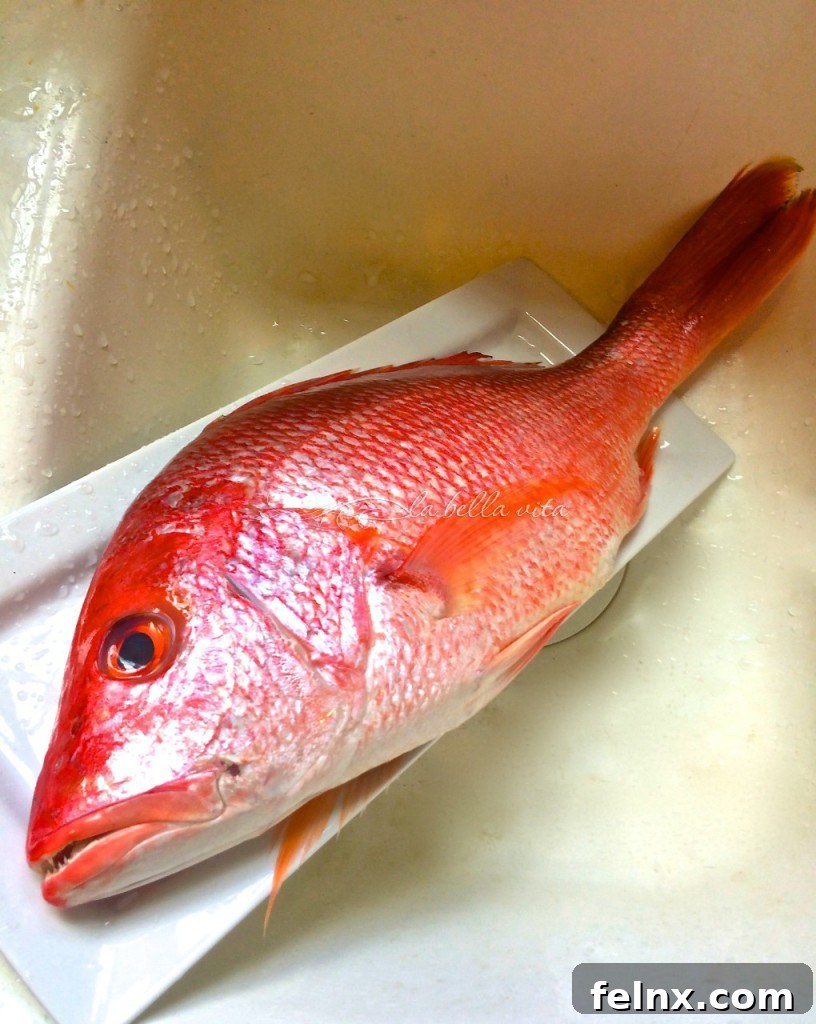
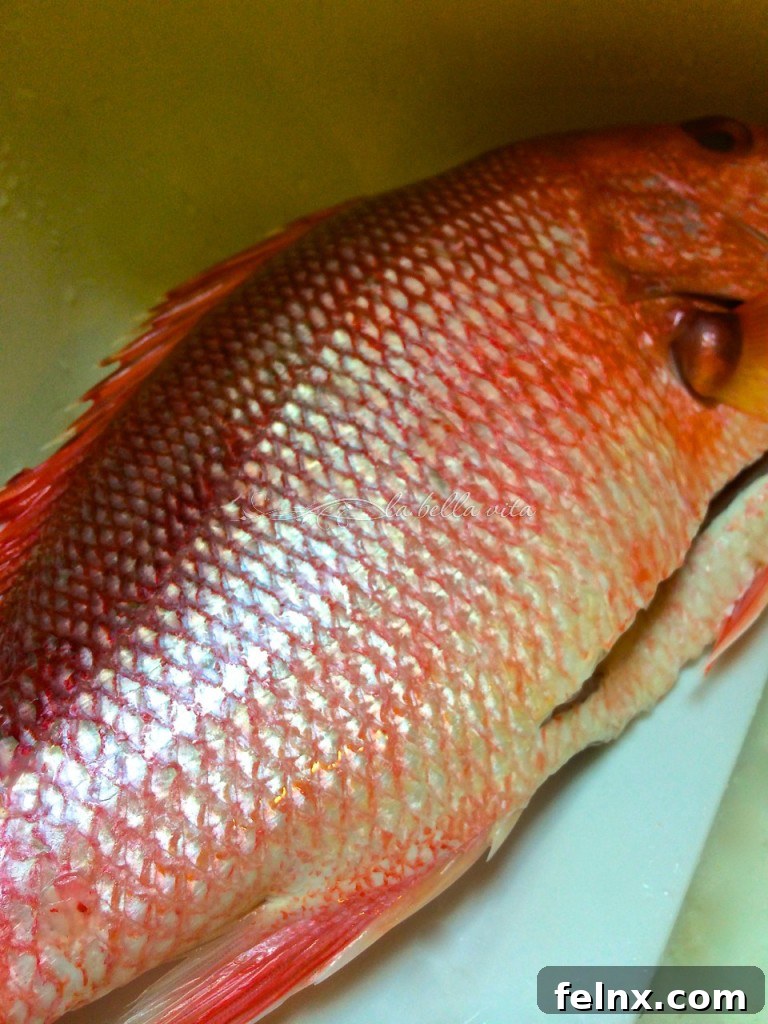
Step 1: Place the fish in a clean, deep sink. The high walls of the sink are essential because they act as a barrier, preventing scales from flying across your kitchen counters and making cleanup much easier.
Preparation: Setting Up Your Workspace
The secret to a mess-free descaling process is all in the preparation. As shown in the first step, using a deep sink is a game-changer. Fish scales are notorious for being lightweight and somewhat “springy.” If you attempt to descale a fish on a flat cutting board on your counter, you will likely find scales in your hair, on your backsplash, and even on the floor days later. By working deep within the basin of your sink, you contain the mess.
Before you begin, ensure your sink is thoroughly cleaned and sanitized. You should also have your tools ready: a few sturdy paper towels and a simple butter knife. You don’t need expensive specialty equipment to do this job well. In fact, many professional chefs prefer the control of a simple dull blade over fancy electric scalers.

Safety First: Before handling the fish, identify the location of sharp dorsal fins and spine bones. These can cause painful punctures if you aren’t careful while applying pressure during the descaling process.
Safety Precautions and Handling
Seafood handling requires a bit of caution. Many fish, such as sea bass, snapper, or perch, have very sharp, bony fins. These fins are designed for protection in the wild, and they remain sharp even after the fish is no longer alive. Before you start scraping, take a moment to feel where the sharpest points are. You may even choose to wear a protective glove or use a kitchen towel to shield your hand if you are working with particularly prickly species.
Maintaining a firm grip is the most important safety factor. A slippery fish is a dangerous fish, especially when you are using tools around it. This leads us to the next crucial step: drying the exterior of the fish.
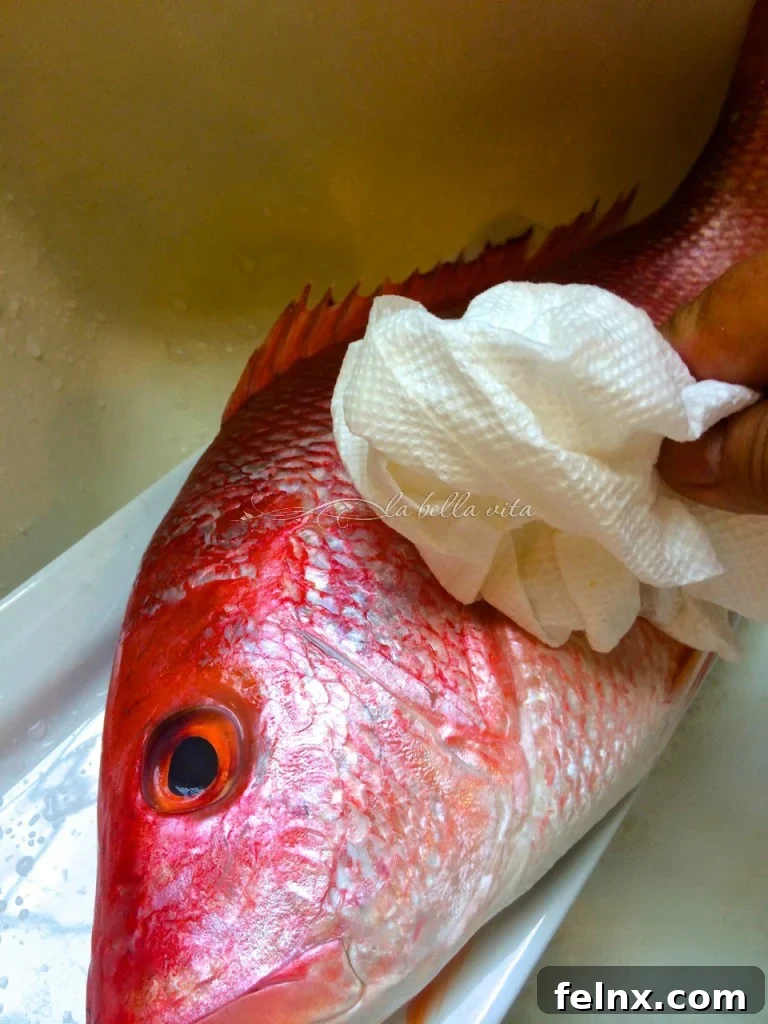
Step 2: Take a clean, dry paper towel and thoroughly pat the entire fish dry. Removing the surface slime and moisture makes the fish much easier to handle and prevents it from slipping out of your grip.
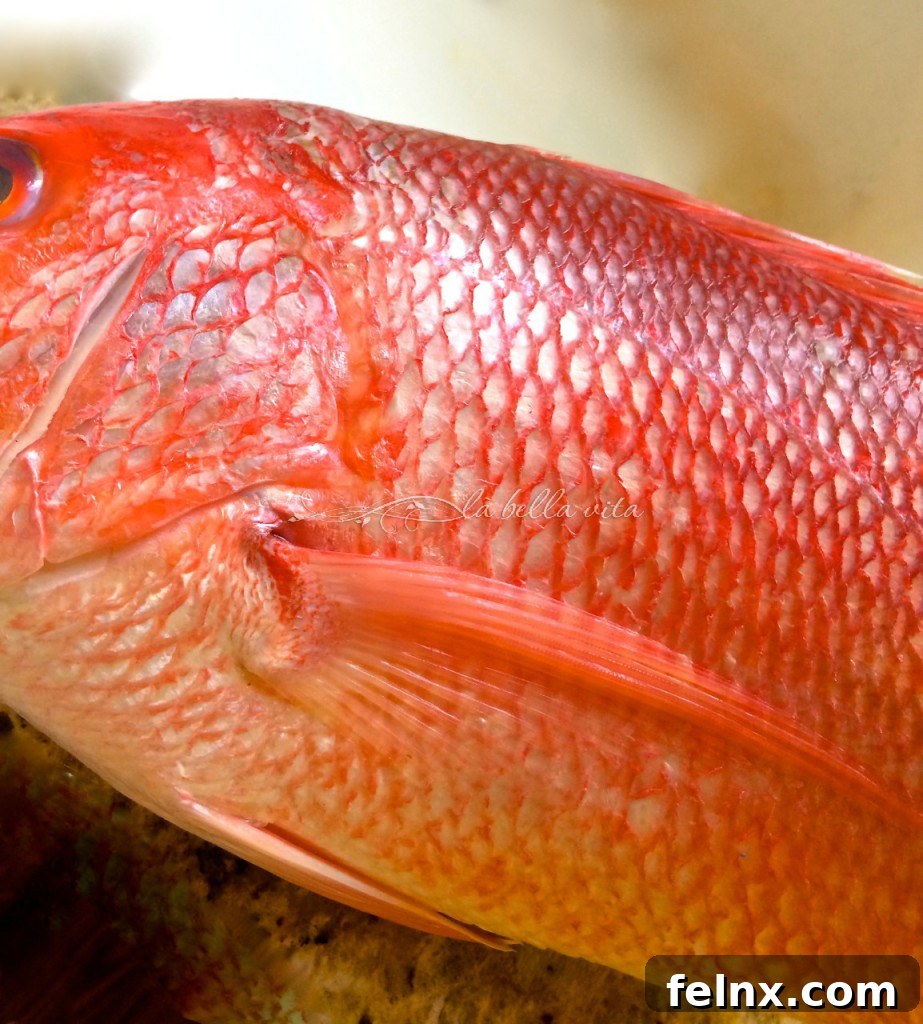
Visual Cue: When properly dried, the fish will lose its shiny, wet appearance and take on a dull, matte look. This indicates that it is ready for the descaling process.
The Importance of a Dry Surface
Why is drying the fish so important? Most fish have a natural protective slime coat. While this helps them swim, it makes them incredibly difficult to hold during preparation. By patting the fish dry with paper towels, you increase the friction between your hand and the skin. This not only makes the process safer but also makes the scales more brittle and easier to “pop” off. If the fish is too wet, the scales tend to stick to the skin and each other, making the job twice as hard.
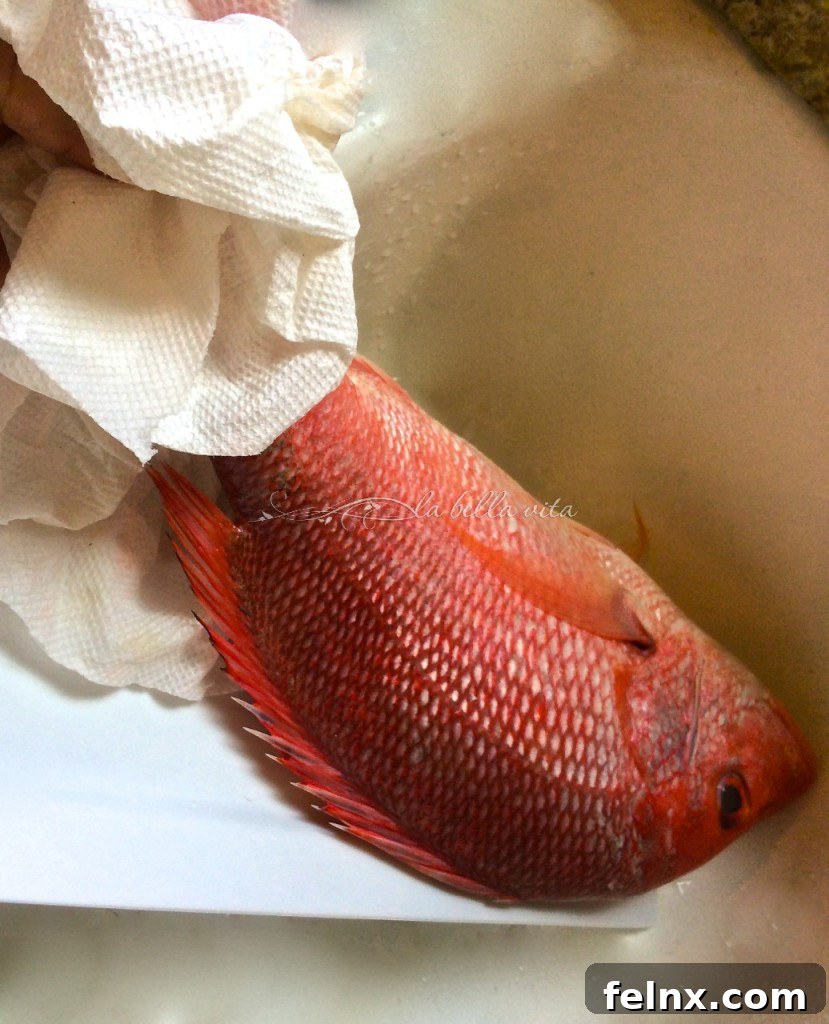
Step 3: Use another fresh paper towel to grab the fish securely by the tail. This provides the leverage needed to scrape against the direction of the scales without the fish sliding away.
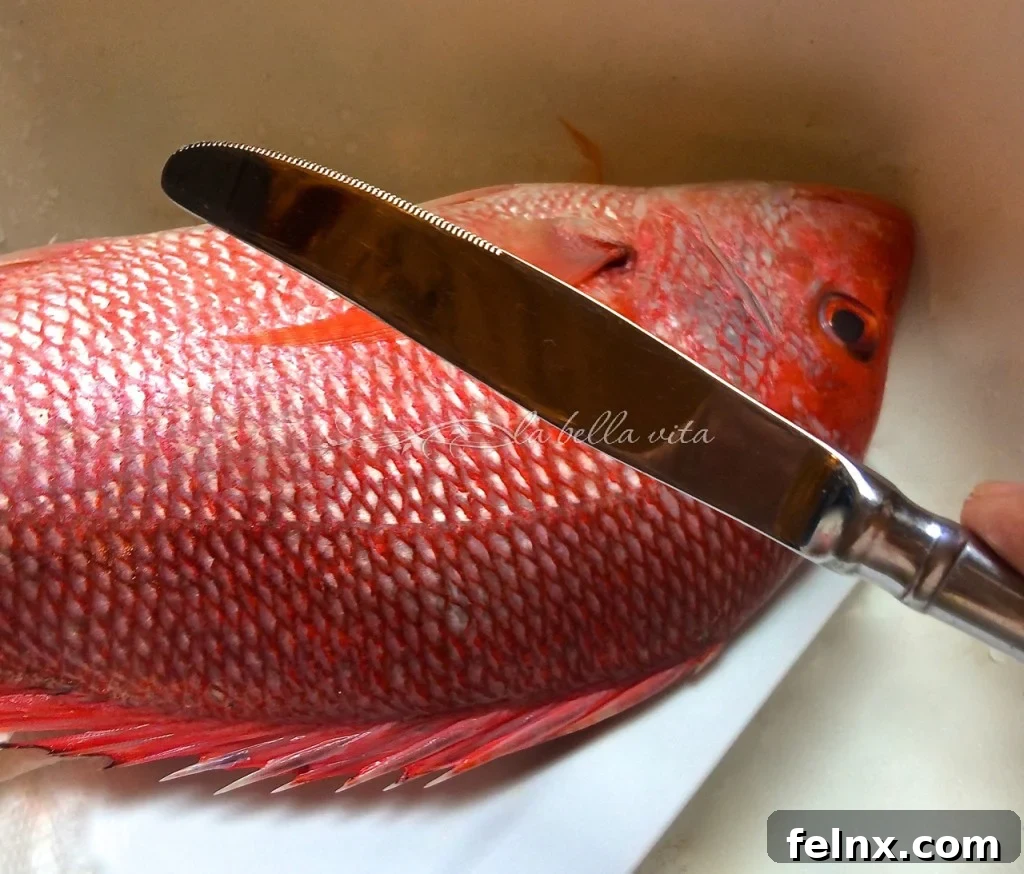
The Tool: You don’t need fancy gadgets. The back of a standard, clean butter knife is the perfect tool for the job. It’s blunt enough not to cut the skin but firm enough to lift the scales.
Step-by-Step Descaling Technique
Now that your fish is prepped and your tools are ready, it’s time for the actual descaling. The direction of your movement is the key to success. Scales grow from the head toward the tail, overlapping like shingles on a roof. To remove them, you must work in the opposite direction—from the tail toward the head.
- Grip the Tail: Use a paper towel to get a firm hold on the tail. This is your anchor point.
- Position the Knife: Hold your butter knife at a 45-degree angle against the skin. You should use the “back” (the non-serrated side) of the knife to avoid accidentally slicing into the delicate flesh.
- Start in the Middle: Begin scraping in the middle of the fish’s body using short, firm strokes moving toward the head. You will hear a characteristic clicking or scratching sound as the scales fly off.
- Work the Tail and Head: Once the middle is clear, move toward the tail end and scrape toward the head. Finally, carefully scrape the area around the gills and the head, as scales tend to hide in these crevices.
- Check the Belly: Don’t forget the underside! The belly area is softer, so use a lighter touch here to avoid damaging the meat.
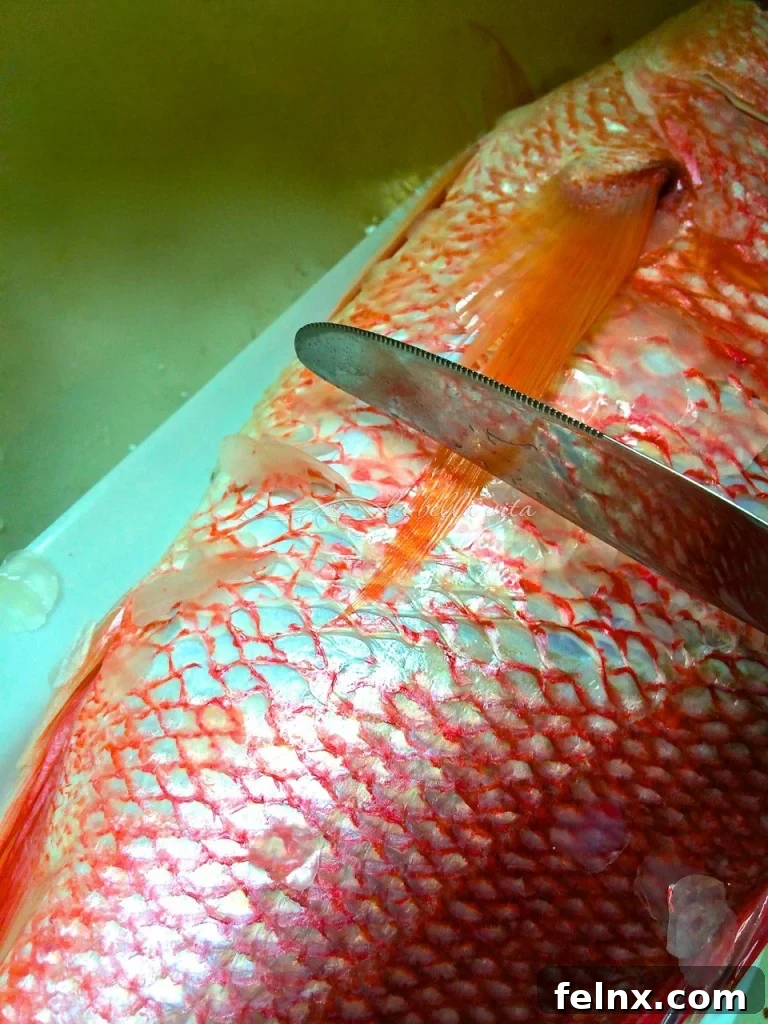
Step 4: Scrape the scales in a rhythmic motion starting from the tail and moving toward the head. Focus on small sections at a time to ensure you don’t miss any spots.
Finishing Touches and Cleanup
After you have finished scraping both sides of the fish, your sink will likely be covered in small, translucent scales. Before you rinse the fish, it is a good idea to wipe the bulk of the scales out of the sink with a paper towel and toss them in the trash. This prevents your drain from getting clogged, which is a common headache when cleaning fish at home.
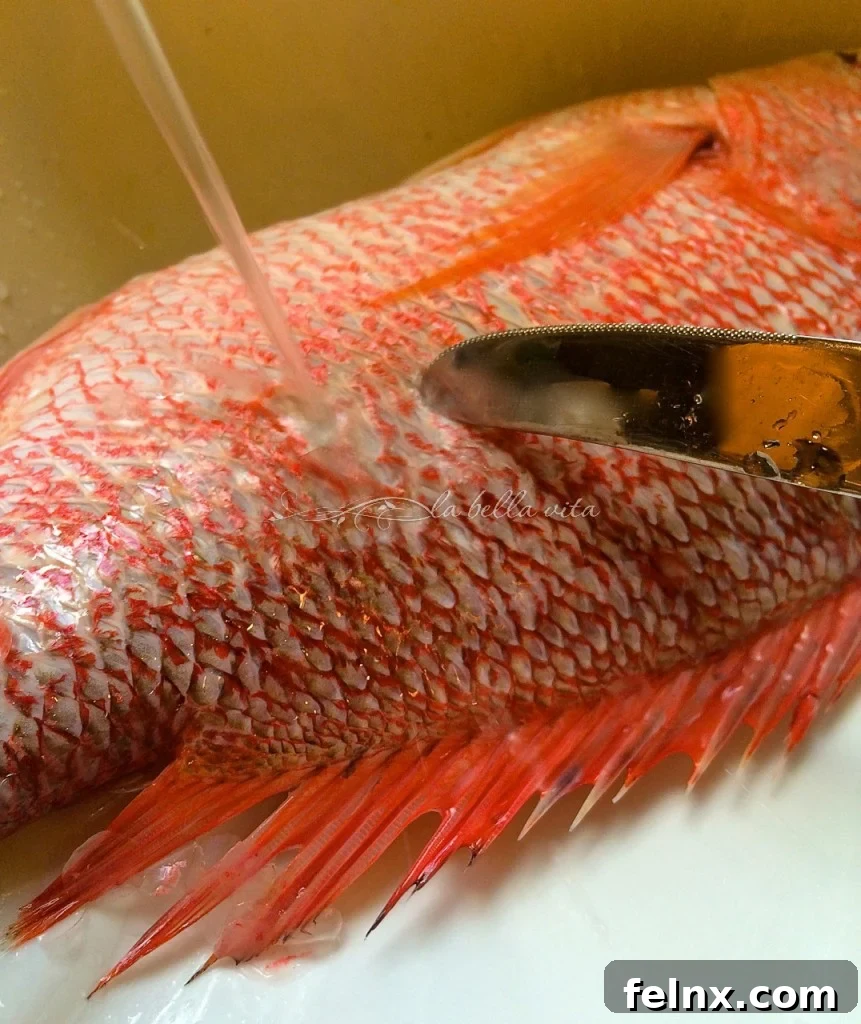
Step 5: Once the scales are removed, run fresh, cold water over the fish to wash away any remaining debris or loose scales.
Rinsing the fish serves two purposes: it removes the loose scales and washes away any residual slime that may have been released during the process. Use your fingers to feel along the skin while the water is running. A perfectly descaled fish should feel smooth in both directions. If you feel any “snags” or rough patches, simply take your knife and give that area another quick scrape.
The Final Result: The fish is ready when the skin feels perfectly smooth to the touch. No more hidden scales!
What to Do Next: Cooking Your Fresh Fish
Congratulations! You have successfully descaled a whole fish. Now that the hard work is done, you have several delicious options for how to proceed. Because you kept the fish whole, you have preserved the integrity of the meat, making it perfect for high-heat cooking methods.
Baking Whole Fish
One of the best ways to enjoy a whole descaled fish is to bake it. You can stuff the cavity with aromatics like lemon slices, fresh herbs (parsley, thyme, or rosemary), and smashed garlic cloves. Rub the skin with olive oil and a generous amount of sea salt. Baking a whole fish keeps the meat incredibly moist and makes for a stunning presentation at the dinner table.
Pan-Frying for Crispy Skin
If you love crispy skin, pan-frying is the way to go. Since you’ve removed all the scales, the skin will now be able to achieve a perfectly even, golden-brown crunch. Use a heavy-bottomed skillet and a high-smoke-point oil. Press the fish down slightly when it first hits the pan to ensure the skin makes full contact with the heat.
Filleting
If you prefer individual portions, you can now proceed to fillet the fish. Having the scales removed makes the filleting process much cleaner, as your knife won’t be dragging scales into the meat as you cut. It also means your fillets will be “skin-on” and ready for the grill or pan without any further prep.
Final Pro Tips for Success
- Freshness Matters: The fresher the fish, the easier the scales come off. If a fish has been sitting for too long, the skin can become tough and the scales more difficult to dislodge.
- Keep it Cold: Always work with chilled fish. This keeps the flesh firm and reduces the risk of bacterial growth.
- The “Under the Water” Trick: If you are really worried about the mess, you can actually descale the fish while it is submerged in a basin of water. This prevents scales from flying entirely, though it can make it slightly harder to see your progress.
- Salt for Grip: If the fish is still too slippery, dip your fingers in some coarse salt. This provides extra traction when holding the tail.
Learning how to descale a fish is a rite of passage for any serious home cook. It connects you more deeply to the food you eat and opens up a world of culinary possibilities. Don’t be afraid to get your hands a little dirty—the results are well worth the effort. Happy cooking!
Now your fish is ready to be baked or fried whole, or even cut into fillets!
If you have any questions about this process or specific fish types, feel free to reach out. We are always happy to help you succeed in the kitchen!