The Ultimate Guide to Traditional Italian Polenta: Creamy, Fried, and Full of Tradition
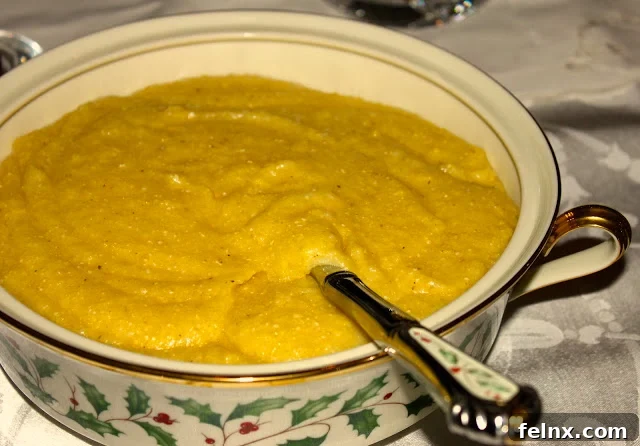
In many Italian-American households, Christmas Eve is synonymous with The Feast of the Seven Fishes. This grand seafood banquet is a beautiful tradition, but for my family, the holiday table looks very different. Instead of a variety of seafood, our centerpiece is a massive, steaming pot of golden, creamy polenta. Whether served soft and velvety or sliced and fried to a crispy golden brown, polenta is the heartbeat of our family’s culinary heritage.
A Journey to Montecreto: Why We Skip the Fish
To understand why polenta reigns supreme in our home, you have to look at our roots in Montecreto, a small village nestled high in the Italian mountains. My ancestors lived far from the Mediterranean coast. In the days before modern transportation, the rugged mountain roads were mostly traveled by foot. Fresh seafood was not just a luxury; it was nearly impossible to obtain.
Because of this isolation, the mountain people developed a unique set of traditions centered around what the land provided. While coastal Italians celebrated with the bounty of the sea, my family celebrated with the golden grains of the earth. Today, we keep this tradition alive not out of necessity, but out of a deep love for the comfort and warmth that a bowl of authentic polenta provides during the winter solstice.
The Transformation of Polenta: From “Cucina Povera” to Gourmet Staple
Historically, polenta was known as a food of the poor—cucina povera. It was a humble necessity that filled bellies and provided energy for hard labor in the fields. It was never intended to be a luxury food, yet its simplicity is exactly what makes it so versatile and beloved in modern gastronomy. Today, you will find polenta on the menus of five-star restaurants, paired with everything from truffle oil to braised short ribs. However, at its core, it remains a simple, honest dish made of cornmeal, water, and salt.
The beauty of polenta lies in its texture. When cooked slowly, it undergoes a transformation, becoming a creamy dream. When paired with the right cheese—specifically Fontina—the heat of the polenta melts the cheese into ribbons of savory goodness. In our house, we pour a rich, hot Italian stew over this cheesy foundation, creating a meal that is both hearty and soul-warming.
The Secret to Perfect Creamy Polenta
Making polenta is an exercise in patience. While “instant” varieties exist, they cannot compare to the depth of flavor and texture found in slow-cooked, coarse-ground cornmeal. The process is straightforward, but it requires a watchful eye and a steady hand for whisking.
Traditional Italian Polenta Recipe
This recipe has been passed down through generations. It serves as the base for both the creamy version served on Christmas Eve and the fried version we enjoy the following morning.
- 6 cups of water: Use filtered water for the best taste.
- 2 cups of ground polenta or yellow cornmeal: Look for a medium or coarse grind for the best texture.
- 2 teaspoons of salt: Essential for bringing out the corn flavor.
Step-by-Step Cooking Instructions
- Boil and Season: Start by bringing the water to a rolling boil in a heavy-bottomed 4-quart pot. Add the salt once the water is boiling.
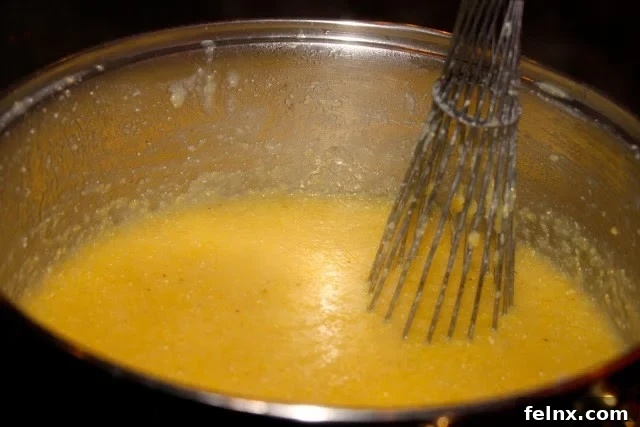
- The Whisking Phase: This is the most critical step. Slowly pour the polenta into the boiling water in a thin, steady stream. Whisk constantly to prevent lumps from forming.
- The Initial Cook: Continue whisking over medium heat for about 2 minutes as the mixture begins to thicken.
- Low and Slow: Reduce the heat to the lowest possible setting. Cover the pot to trap the steam.
- Patience and Stirring: Let the polenta simmer for a total of 45 minutes. Every 10 minutes, uncover the pot and stir vigorously for a full minute to ensure the bottom doesn’t scorch and the texture remains uniform.
- Checking the Texture: The polenta is ready when it is no longer gritty. It should be “creamy soft” but thick and firm enough to hold its shape. It should never be runny.
- Serving: Remove from the heat and serve immediately while it is piping hot.
The Magic of Leftovers: Authentic Fried Polenta
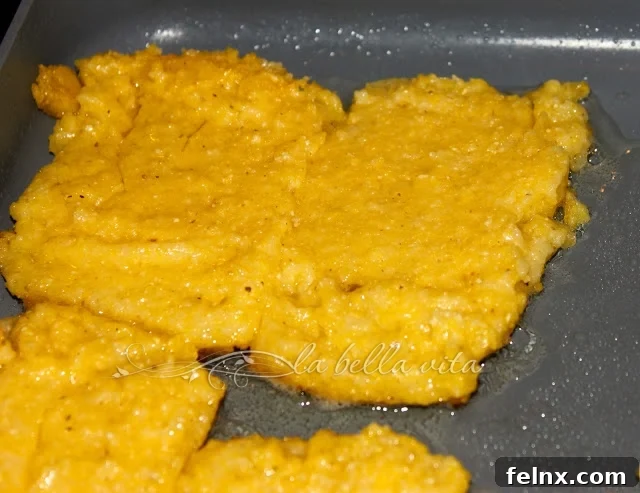
While the creamy version is the star of Christmas Eve, the leftover polenta is what we look forward to on Christmas morning. By making a large batch, you set yourself up for a breakfast that is arguably even better than the dinner before. Fried polenta is crispy on the outside, tender on the inside, and absolutely addictive.
How to Prepare Polenta for Frying
- Mold the Polenta: Take your extra hot polenta and pour it into a bread baking pan lined with clear plastic wrap.
- Chill: Cover the top with more wrap and place it in the refrigerator overnight. This allows the polenta to become very firm.
- Slice: Once chilled, lift the polenta out of the pan. Remove the wrap and slice it into thick, even pieces (about half an inch thick).
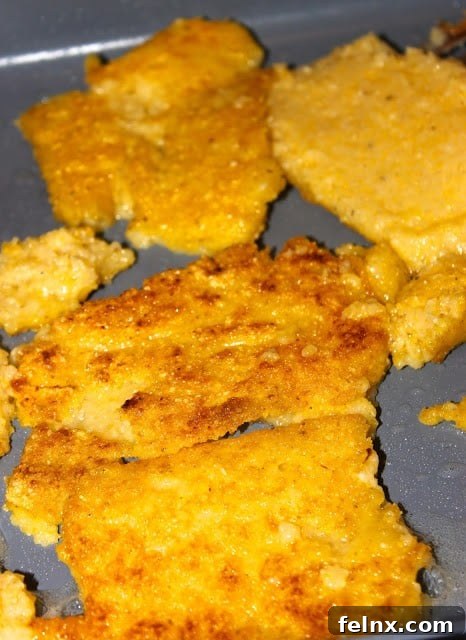
- The Frying Process: Heat a large frying pan over medium heat and lightly spray it with oil or add a small pat of butter.
- Get that Crunch: Fry each slice until it is golden brown and crispy on both sides.
Perfect Pairings and Serving Suggestions
To truly enjoy polenta the Italian way, you must consider the toppings. For the creamy version, a thick ragu or a wild mushroom stew is the traditional choice. The acidity of a tomato-based sauce cuts through the richness of the cornmeal perfectly.
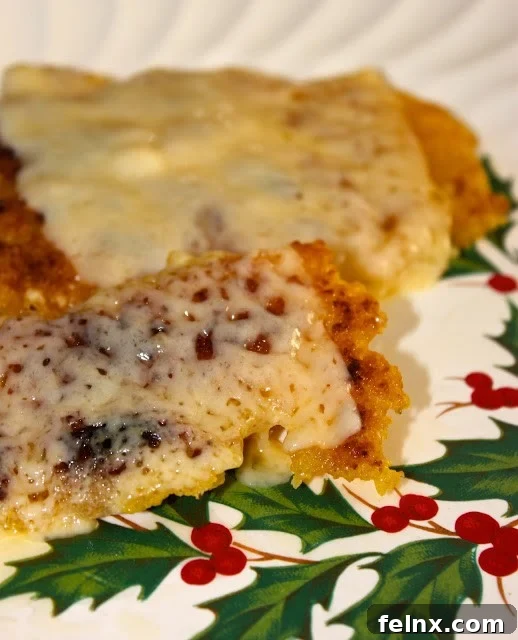
For the fried version, simplicity is key. My favorite way to eat it is with a thin slice of Fontina cheese placed on top of the hot, fried slice. The residual heat from the pan will melt the cheese, creating a decadent, savory snack. If the polenta has cooled down too much, a quick 20 seconds in the microwave will finish the melting process beautifully.
Why Fontina Cheese?
While you can use Parmesan or Mozzarella, Fontina is the traditional choice in Northern Italy. It has a high fat content and a relatively low melting point, making it incredibly creamy. Its flavor is nutty and mild, which complements the earthiness of the cornmeal without overpowering it.
A Tradition Worth Sharing
Polenta is more than just a dish; it’s a connection to a specific time and place. It reminds us that even when resources are scarce, a delicious and satisfying meal can be created with just a few basic ingredients. Whether you are looking for a new Christmas Eve tradition or simply want to master the art of Italian comfort food, this polenta recipe is the perfect place to start.
The next time you find yourself in the kitchen, skip the instant grits and take the time to whisk a pot of real, slow-cooked polenta. Your taste buds—and your family—will thank you.
Enjoy your homemade polenta, whether it’s creamy or fried!
Did you try this recipe? We would love to hear about your experience! Traditional recipes are kept alive by the people who cook them today. Share your photos and stories with us as we celebrate the simple joys of Italian mountain cooking.